
Selecting the right waterproof lamp for your garden is crucial to preventing short circuits, electrical hazards, and premature fixture failure. To determine which level of protection your outdoor lights need, you must understand the Ingress Protection (IP) rating system. While an IP65 rating provides sufficient protection against typical rain and splashes for elevated fixtures, ground-level lights or water features require the advanced protection of IP67 or IP68 ratings.
Decoding the IP Code: Dust and Water Protection Explained
The Ingress Protection (IP) rating is an international standard that classifies how effectively an electrical enclosure seals against solids and liquids. When shopping for a waterproof lamp, this rating is presented as the letters “IP” followed by two digits. Each digit represents a specific testing threshold.
The first digit, ranging from 0 to 6, measures protection against solid particles like dust and dirt. For almost all outdoor garden lights, this first digit is a 6. A rating of 6 indicates the fixture is entirely dust-tight. Because nearly all reputable outdoor fixtures achieve this maximum dust rating, it is rarely a deciding factor when comparing lights.
Products mentioned in this guide
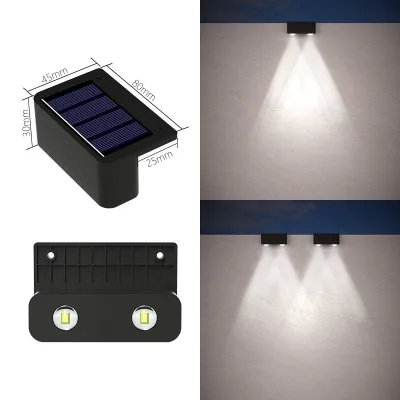
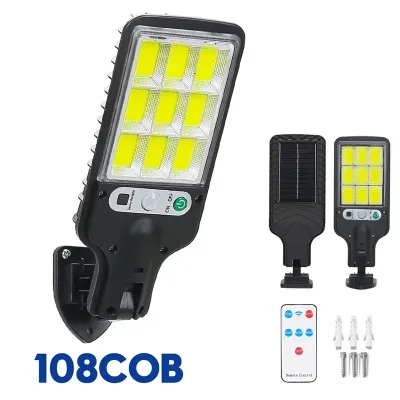
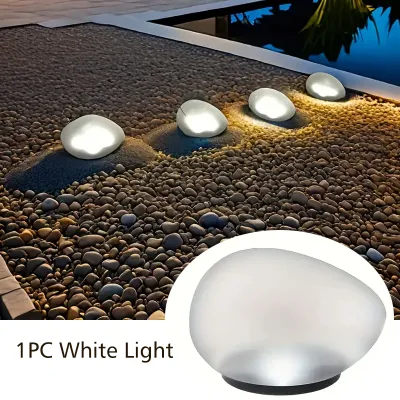
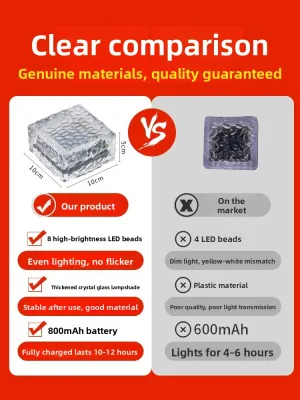
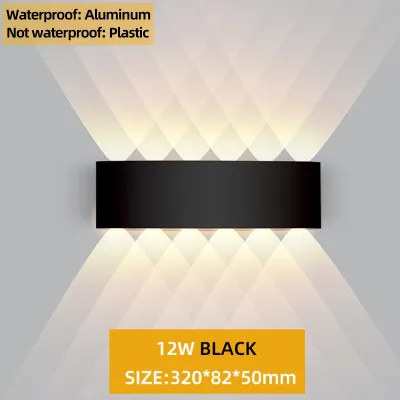
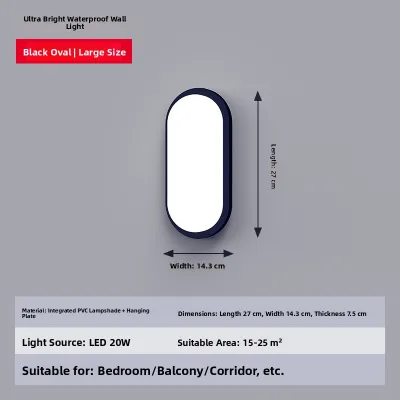
Prices are valid at publication and may change. Please refer to the product page for the latest price.
The second digit, ranging from 0 to 9, measures liquid ingress protection. This is the critical number for garden planning, as it defines how well the internal electrical components are shielded from rain, humidity, garden hoses, and standing water. While a higher second digit indicates a more rigorous testing condition, it does not mean a higher-rated light is universally necessary for every corner of your landscape.
IP65, IP67, and IP68: What Each Rating Means for Garden Lights
To choose the right fixtures without overspending, you must translate these technical test ratings into real-world weather scenarios. The three most common ratings you will encounter for outdoor residential lighting are IP65, IP67, and IP68.

IP65: Standard Rain and Splash Protection
An IP65 rating indicates that the fixture can withstand low-pressure water jets projected from any direction. In a practical garden setting, this means the light is fully capable of handling heavy rainstorms, wind-driven downpours, and overspray from standard garden hoses or lawn sprinklers.
However, IP65 fixtures are not designed to handle submersion. They must never be installed in low spots where water pools during heavy downpours, nor should they be subjected to high-pressure cleaning equipment. They are best suited for elevated positions where water can drain away freely.
IP67: Heavy Storms and Temporary Puddles
An IP67 rating means the fixture has been tested to withstand temporary immersion in water up to a depth of 1 meter for a duration of 30 minutes. This level of protection is essential for any light installed at ground level where water might accumulate during intense weather events.
In tropical climates like Singapore, where sudden, heavy monsoon downpours can cause localized pooling on lawns and driveways, IP67 lights provide peace of mind. If a garden path or flowerbed temporarily floods, an IP67 light will continue to operate safely without short-circuiting once the water recedes. It is important to note, however, that IP67 is rated only for temporary submersion and is not built for permanent underwater installations.
IP68: Continuous Underwater Submersion
An IP68 rating signifies that the fixture is constructed for continuous submersion in water under deeper, more prolonged conditions than IP67. This makes IP68 the mandatory standard for any light placed inside decorative ponds, swimming pools, waterfalls, or active fountains.
Because the international standard does not set a single, universal depth or duration limit for IP68, the exact boundaries are defined by the manufacturer. One brand’s IP68 light might be rated for a maximum depth of 1.5 meters, while another industrial-grade fixture might support depths up to 3 meters. You must always check the manufacturer’s product specifications and product label to verify the exact depth limits before installing any light underwater.
Matching the Waterproof Lamp to Your Garden Zones
Designing a reliable outdoor lighting system involves matching the right waterproof lamp to the specific microclimates and zones of your yard. Over-specifying every light to IP68 is an unnecessary expense, while under-specifying can lead to rapid electrical failure.
Elevated and Sheltered Zones (Walls, Eaves, Pergolas) For fixtures mounted on exterior walls, under roof eaves, or along sheltered pergolas, an IP65 rating is generally sufficient. These lights will experience wind-driven rain and high humidity, but they are highly unlikely to experience standing water. Choosing IP65 for these zones allows you to allocate more of your budget to decorative styles and high-quality housing materials.
Ground-Level and Exposed Zones (Pathways, Driveways, Open Lawns) For path lights, spike lights, well lights, and deck lights, IP67 is highly recommended. Because these fixtures sit directly on or in the ground, they are exposed to splashing mud, pooling water, and heavy ground runoff. In Singapore, where intense tropical rain can quickly turn a lawn into a temporary puddle, IP67 protection prevents water from seeping into ground-recessed casings.
Water Features (Ponds, Waterfalls, Fountains) Any light that will be partially or fully submerged must be rated IP68. This includes submersible spotlights highlighting a waterfall or pond-bed lights illuminating aquatic plants. Never compromise in this zone, as water pressure will eventually force its way past lower-rated seals, presenting a severe electrical hazard.
Material Considerations Beyond IP Ratings While the IP rating tells you how well a fixture resists water entry, it does not guarantee resistance to corrosion, UV degradation, or chemical wear. In high-humidity coastal environments, always check the housing material alongside the IP rating. Look for marine-grade stainless steel (such as 316 stainless steel), powder-coated copper, high-grade brass, or UV-stabilized polycarbonates to ensure the exterior of your light lasts as long as its internal seals.
Safety, Installation, and Maintenance Limits
Operating outdoor electrical systems safely requires strict adherence to installation standards and regular maintenance. Even the highest-rated waterproof lamp can fail or become hazardous if installed incorrectly.
Before undertaking any installation or maintenance, always isolate the power supply at the main circuit breaker. For any fixed outdoor wiring, mains-voltage connections, or installations in wet environments, you must hire a licensed electrician to perform the work in compliance with local electrical safety regulations.
When installing garden lights, always verify that the product’s voltage, base interface, wattage limits, and physical dimensions are compatible with your existing transformer or power supply. If you are using low-voltage systems, ensure the total wattage of your connected lights does not exceed the capacity of your outdoor-rated transformer.
Over time, the rubber gaskets, silicone seals, and O-rings that provide water resistance will degrade due to UV exposure, heat, and seasonal temperature swings. Inspect your fixtures annually for signs of wear. If you notice condensation forming inside the lens or visible cracks in the housing, turn off the power and consult the manufacturer’s instructions regarding seal replacement or fixture replacement.
When cleaning your garden lights, never use high-pressure water washers directly on the fixtures. The concentrated force of a pressure washer can easily exceed the testing limits of IP65 and IP67 seals, forcing water past the gaskets and ruining the internal electronics. Instead, gently wipe the lenses with a damp, soft cloth to maintain light output.
If the manufacturer’s installation instructions conflict with your specific setup, or if the light’s suitability for a particular zone is unclear, do not proceed with the installation. Stop immediately and consult the manufacturer or a qualified electrical professional.
Frequently Asked Questions (FAQ)
Can I use an IP65 light underwater if it is only for a short time?
No, you should never use an IP65 light underwater. IP65 fixtures are only tested to resist low-pressure water sprays and splashes, not the continuous hydrostatic pressure of submersion. Submerging an IP65 light, even briefly, will likely force water past the seals, causing immediate electrical short circuits, destroying the fixture, and posing a serious shock hazard.
Does a higher IP rating mean the garden light will last longer?
Not necessarily. A higher IP rating only indicates superior resistance to water and dust ingress under specific test conditions. It does not measure overall product durability, UV resistance, thermal management, or the lifespan of the internal LED driver. A well-constructed IP65 light made from marine-grade brass may far outlast a cheaply made IP68 plastic light when exposed to harsh sunlight and outdoor humidity.
Community discussion
Share your experience or ask a question. Comments are reviewed before publication.