
Quick Answer: Is Kirona Scent Spray Worth Your Money?
The value of Kirona scent spray depends on your specific scent preferences, household budget, and safety requirements. While it has gained popularity in Singapore for its diverse fragrance options, determining whether it is the right choice for your home requires looking beyond marketing claims. Buyers must evaluate key criteria such as fragrance notes, mist quality, and ingredient transparency.
Because longevity and scent throw can vary significantly based on environmental factors, inspecting product labels and relying on verified user feedback are essential steps before committing to a purchase. Without personal testing or verified lab results, buyers must rely on careful label inspection to judge how well a spray will perform in their living space.
Evaluating Scent Profiles and Longevity Claims
To understand how a room spray will perform in your home, you must first look at its fragrance structure. High-quality room sprays typically feature a layered profile consisting of top, middle, and base notes. Top notes are the volatile scents that disperse immediately upon spraying, while middle and base notes emerge later to provide depth and staying power. When evaluating Kirona or any alternative, check the product packaging or official documentation for a detailed breakdown of these notes. A spray that relies heavily on light top notes, such as citrus or mint, will naturally dissipate faster than one anchored by heavy base notes like amber, cedarwood, or musk.
Products mentioned in this guide
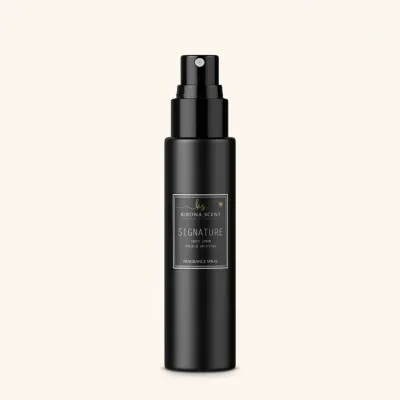
![[KIRONA SCENT] Signature W Hotel Inspired Fragrance Spray 100ml | Pillow Mist Room Spray Air Freshener](https://img.lazcdn.com/g/p/df5a8809c5be2396ba95c51e99d7e178.jpg_400x400q80.jpg_.webp)
![[KIRONA SCENT] Jewel Changi Inspired Fragrance Spray 100ml | Pillow Mist Room Linen & Fabric Spray | Luxurious Hotel & Mall Scents](https://img.lazcdn.com/g/p/bf78fbbf8ed712641dc14e5484519a66.jpg_400x400q80.jpg_.webp)
![[KIRONA SCENT] Fragrance Spray 100ml | Use for Pillow Mist Room Linen & Fabric Spray | Luxurious Hotel Mall & Perfume Scent Gifts](https://img.lazcdn.com/g/p/2af2060d0f131272af21fbb1c3568321.png_400x400q80.png_.webp)
![[KIRONA SCENT] Lemongrass Insect Repellent Spray | Fragrance Spray 100ml | Pillow Mist Linen & Room Spray](https://img.lazcdn.com/g/p/404bfae759e31b751705e61f6ceaeb3e.png_400x400q80.png_.webp)
Prices are valid at publication and may change. Please refer to the product page for the latest price.

The unique climate of Singapore plays a massive role in how long a fragrance lingers in the air. High indoor humidity can cause scent molecules to bind with water vapor, altering how they disperse throughout a room. Furthermore, many Singaporean households rely on a mix of air conditioning and ceiling fans to stay cool. Active air conditioning strips moisture from the air, which can accelerate the evaporation of lighter fragrance oils, while ceiling fans rapidly circulate and dilute the scent. If you frequently keep your windows open for ventilation, the constant airflow will sweep the fragrance out of the room much faster, requiring more frequent applications to maintain the desired aroma.
Another critical factor is the distinction between synthetic and natural ingredients. Natural essential oils often provide a more complex, authentic scent profile, but they can be highly volatile and sensitive to temperature changes. Synthetic fragrance compounds, on the other hand, are engineered for stability and can offer a more consistent, long-lasting scent throw. When comparing brands, look for indicators on the ingredient list. Phrases like “pure essential oils” suggest a natural source, whereas “fragrance” or “parfum” typically points to synthetic formulations. Neither is universally superior; synthetic sprays often excel in longevity and consistency, while natural sprays are preferred by those seeking a more botanical experience.
Comparing Value, Mist Quality, and Packaging
When comparing the cost-effectiveness of Kirona scent spray against other options in Singapore, looking at the retail price alone can be misleading. Instead, you should calculate the cost per milliliter to establish a true baseline for comparison. To do this, take the retail price in S$ and divide it by the total volume of the bottle in milliliters. For example, if a bottle costs S$15 for 250ml, the cost is S$0.06 per milliliter. Performing this simple calculation across different brands and bottle sizes allows you to see which product offers the best volume-to-cost ratio, helping you avoid overpaying for fancy branding or deceptive packaging sizes.
Beyond the liquid itself, the physical design of the spray mechanism heavily influences your daily experience and the product’s overall value. A high-quality nozzle should produce a fine, dry mist that suspends easily in the air. If a nozzle is poorly designed, it may release heavy, wet droplets that fall quickly to the ground. These heavy droplets not only waste the product but can also land on delicate wooden furniture, polished floors, or fabrics, potentially leaving unsightly stains or oily residues. When testing a spray in a showroom or reading user reviews, pay close attention to feedback regarding the nozzle’s performance and whether it delivers a consistent, wide-angle mist.
The packaging material and aesthetic appeal also contribute to the overall value, especially if you plan to display the bottle openly as part of your home decor. Glass bottles offer a premium feel and protect the fragrance oils from degrading due to light exposure, but they are fragile and heavier to handle. Plastic bottles are lightweight, durable, and safer for high-traffic areas or households with children, though they may not blend as seamlessly into minimalist or luxury interior styles. Consider how the bottle’s design, color scheme, and material align with your home’s aesthetic, ensuring that the product serves as both a functional home fragrance and a pleasing decorative accent.
Checking Ingredient Safety for Pets and Sensitive Users
Before introducing any room spray into your living space, it is vital to verify its safety profile, particularly if you share your home with pets, infants, or individuals with respiratory sensitivities. Many common essential oils, such as tea tree, eucalyptus, citrus, and lavender, contain natural compounds that are highly toxic to dogs and cats when inhaled or absorbed through the skin. Carefully inspect the product label for explicit “pet-safe” or “baby-safe” certifications. If the label does not clearly state that the formulation is safe for animals, it is best to err on the side of caution and avoid spraying it in areas where your pets spend significant time.
Sensitive users should also look out for potential allergens, phthalates, and volatile organic compounds (VOCs) on the ingredient list. Phthalates are often used as solvents to help fragrances last longer, but they have been linked to endocrine disruption and respiratory irritation. High levels of VOCs can trigger asthma attacks, headaches, or allergic reactions in sensitive individuals. To minimize these risks, look for brands that prioritize ingredient transparency, listing all components clearly rather than hiding them under generic terms like “fragrance.” Opting for formulations that are free from phthalates, parabens, and artificial colorants can significantly reduce the likelihood of adverse health reactions.
Proper application techniques are also essential to protect your home’s interior surfaces and plants. Even safe formulations can cause issues if sprayed directly onto delicate fabrics, leather upholstery, or indoor plants. Oily residues can attract dust, leading to discoloration or fabric degradation over time, while direct contact with plant leaves can disrupt their natural respiration process. Always aim the spray upward into the center of the room, away from walls, furniture, and greenery. If you intend to use a room spray near fabrics, ensure the product is specifically labeled as fabric-safe, and always follow the manufacturer’s guidelines for safe clearance distances.
Where to Buy Authentic Room Sprays in Singapore
To ensure you are purchasing authentic Kirona scent sprays or high-quality alternatives, it is highly recommended to buy directly from official brand channels. Purchasing from the brand’s official physical showrooms or authorized retail partners in Singapore guarantees that you are receiving a genuine product that has been stored and transported under controlled conditions. Physical stores also offer the invaluable advantage of allowing you to sample different scents in person, helping you make an informed decision based on your actual sensory experience rather than relying solely on online descriptions.
If you prefer the convenience of online shopping, exercise caution when navigating general e-commerce platforms and online marketplaces. While these platforms often host multiple sellers offering competitive prices, they also carry a higher risk of counterfeit products, expired stock, or poorly stored items that have lost their fragrance potency. When buying online, always verify that the seller is an authorized distributor or has a verified mall status. Take the time to read through customer reviews, paying close attention to comments regarding packaging quality, delivery speed, and the authenticity of the scent.
Upon receiving your room spray, perform a quick quality check before using it. Inspect the packaging for intact safety seals, clear batch codes, and professional labeling. A missing seal or smudged print can be a red flag indicating a counterfeit or tampered product. Additionally, check the bottle for any signs of leakage or damage that may have occurred during transit. If you notice any discrepancies or if the product does not match the official packaging design, contact the seller or manufacturer immediately to request a replacement or clarification.
Final Decision Framework: Kirona vs. Popular Alternatives
To make your final decision, weigh your personal household needs against the specific characteristics of Kirona and its competitors. Kirona scent spray is an excellent choice if you are looking for a wide variety of local and international-inspired scent profiles at an accessible price point, and if you prefer lightweight, practical packaging that fits easily into a casual home environment. It is particularly suited for those who enjoy experimenting with different aromas and want a straightforward, budget-friendly way to refresh their living spaces on a daily basis.
On the other hand, you may want to consider established alternative brands if your household requires specialized formulations. If you or your family members have severe allergies, asthma, or skin sensitivities, prioritizing brands that offer certified hypoallergenic, phthalate-free, or fully organic formulas is the safer path. Similarly, if you are looking for highly complex, niche perfumery or prefer the sustainability of physical refill stations where you can top up your existing glass bottles, investing in premium home fragrance brands may offer greater long-term satisfaction.
Ultimately, safety should always be your primary filter. Before purchasing any room spray, verify the ingredient list against your household’s specific health profile. If you have pets, consult your veterinarian to confirm which fragrance oils are safe to diffuse in your home. For households with infants or individuals with chronic respiratory conditions, checking detailed safety data sheets (SDS) or consulting a medical professional can provide the necessary peace of mind, ensuring that your quest for a beautifully scented home does not compromise the well-being of your loved ones.
Frequently Asked Questions (FAQ)
How many sprays are typically needed for a standard bedroom?
The number of sprays required to refresh a standard bedroom depends on several variables, including the room’s overall volume, ceiling height, and current ventilation. Because fragrance concentrations vary widely between different brands and formulations, there is no universal number of sprays that works for every situation. It is best to start with a minimal amount—such as one or two light sprays directed toward the center of the room—and wait a few minutes to assess the scent strength. You can then gradually increase the amount based on your personal preference and the room’s airflow, making sure to always follow any specific usage limits printed on the manufacturer’s label.
Can room sprays be used directly on bedsheets and curtains?
Not all room sprays are formulated for direct application onto fabrics, bedsheets, or curtains. Some products contain high concentrations of essential oils or synthetic carriers that do not evaporate completely, which can leave oily residues, cause discoloration, or damage delicate fibers like silk and satin. Before applying any spray to textiles, check the product label to confirm if it is explicitly marked as fabric-safe. Even if the product is deemed safe for fabrics, always perform a spot test on a small, hidden area of the material first. Allow the test area to dry completely to ensure there is no staining, color bleeding, or adverse reaction before applying the spray more widely.
Community discussion
Share your experience or ask a question. Comments are reviewed before publication.