
When a sudden power trip plunges your HDB flat into darkness, having a reliable light source within arm’s reach is essential. The Nitecore EDC07, with its stated 180-lumen output, is generally bright enough to help you safely navigate your home and locate your distribution board (DB) box.
The primary requirement during a localized blackout is safe movement through dark rooms without tripping over furniture or household items. A light of this caliber provides sufficient illumination for close-to-medium range indoor tasks, allowing you to identify obstacles and read circuit breaker labels clearly.
However, because beam patterns can vary significantly, you should verify the specific beam distance and spill characteristics on the product packaging. Ensuring the light spreads widely enough to illuminate your path is just as important as the raw brightness level.
Products mentioned in this guide
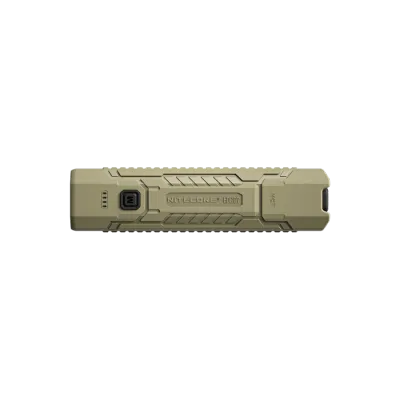
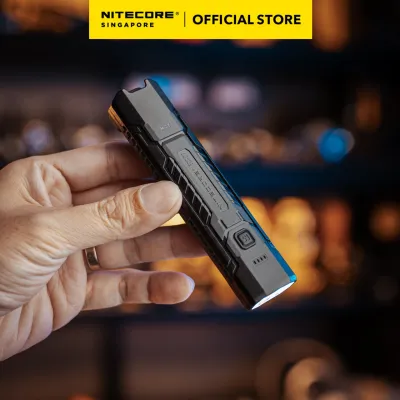
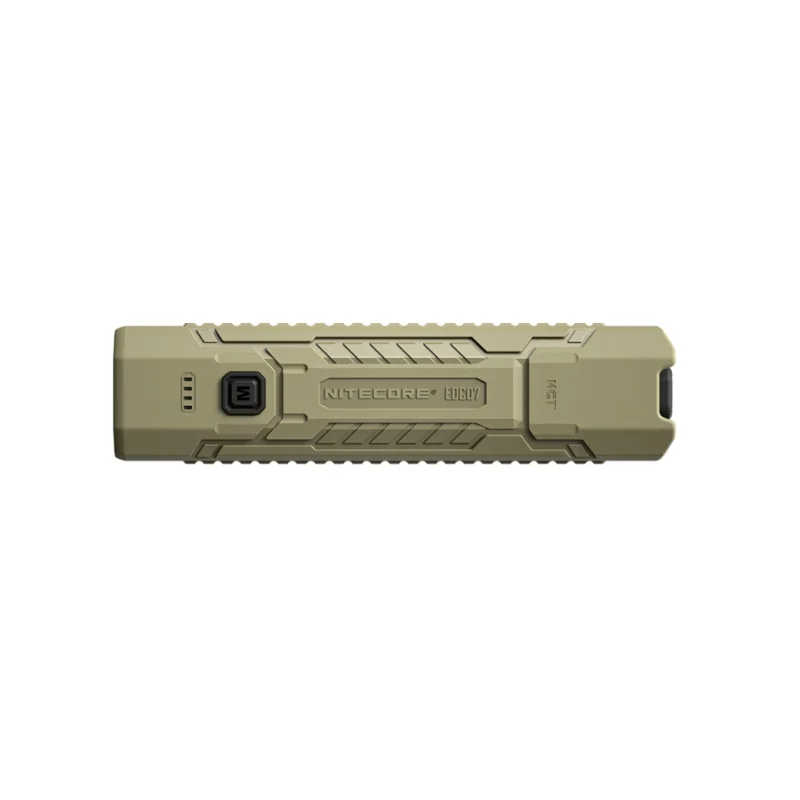
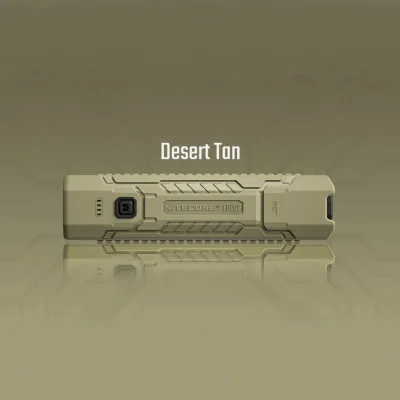
Prices are valid at publication and may change. Please refer to the product page for the latest price.
To guarantee the flashlight performs when you need it most, make it a habit to inspect its physical condition and battery status before an emergency occurs. A dead battery during a sudden power trip defeats the purpose of even the most advanced illumination tool.
Evaluating 180 Lumens for Indoor Navigation
Understanding how raw lumens translate to real-world visibility is key to preparing for an emergency. While a high lumen count sounds impressive, the way the flashlight projects that light—known as the beam profile—determines how easily you can walk through a dark hallway or living room.
A highly focused beam acts like a spotlight, illuminating a tiny area intensely while leaving your surroundings pitch black. For indoor navigation, a wider beam spill is far more useful because it casts light into your peripheral vision, helping you spot low-lying hazards like power cords or stray shoes.
You can easily test this peripheral illumination in your own flat by turning off the lights in a safe room and shining the flashlight at the floor ahead of you. Observe whether you can see the edges of the walls and doorways clearly without having to constantly swing the flashlight from side to side.
It is also worth noting that high-intensity beams can bounce off light-colored HDB walls, which are commonly painted in white or light cream shades. This reflected glare can temporarily blind you or cause eye strain, making lower or medium brightness settings much more comfortable for general movement.
By selecting a moderate output level, you reduce harsh reflections while preserving your eyes’ natural adaptation to the dark. This balanced approach ensures you can move from the bedroom to the service yard smoothly without experiencing sudden visual discomfort.
Battery Runtime and Reliability During Power Trips
A flashlight is only as reliable as its power source, especially during prolonged blackouts that outlast a simple circuit breaker reset. When evaluating the Nitecore EDC07, you must verify how long the battery can sustain its light output under continuous use.

We recommend checking the manufacturer’s specified runtime for the lowest and medium settings in the user manual. Flashlights typically drain their batteries rapidly when operating at maximum output, whereas lower settings can extend the operational life by several hours.
The type of battery used also plays a critical role in overall reliability. Whether the device utilizes a built-in rechargeable cell or replaceable batteries, you should consult the manual to understand the charging indicators, low-battery warnings, and recommended charging cycles.
Singapore’s warm and highly humid climate presents unique challenges for battery maintenance. High humidity can accelerate self-discharge rates and, in the case of disposable batteries, increase the risk of corrosive chemical leakage that can ruin the internal contacts.
To mitigate these environmental risks, establish a simple monthly routine to check the charge level of your emergency flashlight. Keeping the battery topped up or replacing disposable cells periodically ensures the device remains fully operational when a sudden power trip occurs.
Practical Features for Checking the Circuit Breaker
Locating your HDB flat’s DB box is only the first step; the real challenge is safely inspecting and resetting the tripped switches. This task requires a flashlight that offers practical, hands-free utility so you can work with both hands.
Look for features such as a magnetic tail cap or a sturdy pocket clip on your flashlight. A magnetic base allows you to mount the light directly onto a metal surface near the DB box, while a pocket clip lets you attach the device to a shirt pocket or the brim of a cap to direct light exactly where you look.
If you must perform any physical adjustments to your home’s electrical panel, always prioritize safety. Ensure your hands are completely dry, stand on a dry surface, and if you notice any signs of burnt wiring, unusual smells, or if a breaker immediately trips again after resetting, stop immediately and contact a licensed electrician.
The physical size of the flashlight also dictates its everyday readiness. A compact, lightweight form factor makes it easy to store the device in a designated, easily reachable drawer near your entryway or kitchen, ensuring you do not have to search through cluttered cabinets in the dark.
Additionally, the beam should be clean and even enough to let you read the tiny, printed labels inside your DB box. Clear illumination prevents you from flipping the wrong switch, which could accidentally cut power to sensitive household appliances like refrigerators or home servers.
Limitations and When to Consider a Backup Light
While a compact handheld flashlight is an excellent tool for targeted tasks, it has inherent limitations during a widespread or prolonged power outage. A directional beam is designed to point at a specific spot, making it less suitable for illuminating an entire room for extended periods.
If you need to perform hands-on household activities like cooking, attending to young children, or reading, holding a flashlight or relying on a narrow beam can quickly become frustrating. In these scenarios, directional lighting should be supplemented with ambient light sources.
Consider pairing your handheld flashlight with a broad-beam lantern or an automatic emergency light bulb that plugs into a wall socket and activates instantly when utility power fails. These devices scatter light in all directions, mimicking natural room lighting and reducing anxiety for family members.
Ultimately, you should view a compact flashlight as an active tool for immediate response—such as navigating to safety or diagnosing a tripped breaker. For passive waiting and general comfort during a long blackout, a dedicated area light is a necessary backup to keep your household running smoothly.
Frequently Asked Questions (FAQ)
How should I store the Nitecore EDC07 for emergency use?
Store your flashlight in a dedicated, easily accessible location that every member of your household knows, such as a bedside drawer or a hook near the main entrance. Avoid keeping it in deep storage boxes or cluttered cabinets where it might be difficult to locate in complete darkness.
Additionally, refer to the manufacturer’s guidelines regarding long-term battery storage. If the flashlight will sit unused for several months, check if the manual recommends a specific charge level or physical lockout mode to prevent slow battery drain and potential damage.
Can I use the EDC07 as my only emergency light in an HDB flat?
The flashlight is highly effective for active tasks like navigating dark hallways, searching for items, and inspecting your distribution board. Its compact size and targeted beam make it the perfect first-response tool when the power suddenly cuts out.
However, it should not be your sole emergency light source for prolonged blackouts. For activities that require ambient, hands-free illumination across an entire room, you should supplement it with a dedicated area lantern or battery-powered LED strips to ensure comfort and safety for the whole family.
Community discussion
Share your experience or ask a question. Comments are reviewed before publication.