
Snorlex lanterns have emerged as a popular choice for homeowners looking to elevate their spaces with vibrant, dynamic lighting. Characterized by modern projection technology and neon-style aesthetics, these fixtures cast colorful patterns and simulate the glowing look of traditional neon signs without the fragility of glass tubes. However, before investing in a Snorlex lantern, you must understand what these decorative lights can and cannot do.
Deciding if a Snorlex lantern is a worthwhile purchase depends on evaluating its build quality, electrical specifications, and suitability for your intended environment. While these lanterns excel at creating a highly localized, atmospheric glow for evening gatherings or interior accent walls, they are not intended for high-output security or primary illumination.
For buyers in Singapore, local environmental factors like high humidity, intense tropical downpours, and specific electrical safety standards must guide your decision. A successful purchase relies on matching the technical capabilities of the lantern to the physical realities of your space. Examining the key features, performance limitations, and safety requirements of these projection lights ensures you make an informed choice that balances aesthetic appeal with long-term durability.
Products mentioned in this guide
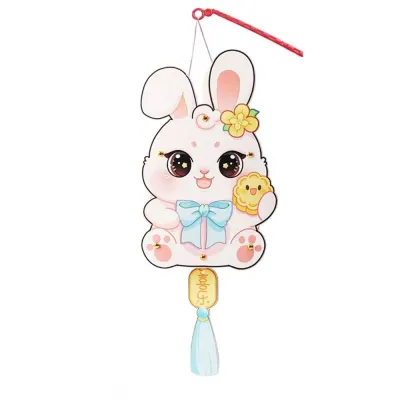
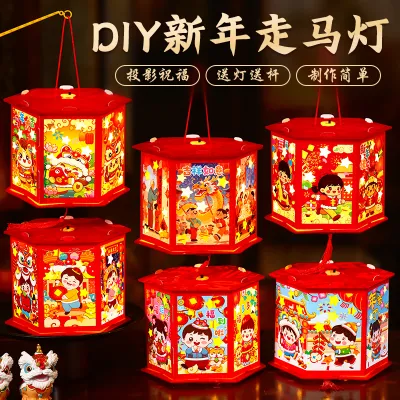
![[SG Ready Stock]Mid-Autumn Festival Organ Portable Lantern Childrens Cartoon Lantern](https://img.lazcdn.com/g/p/ba325055a1ff2e511032cf435859d269.jpg_400x400q80.jpg_.webp)
Prices are valid at publication and may change. Please refer to the product page for the latest price.
The Appeal of Snorlex and Projection Lanterns: Hype vs. Reality
The rise of projection and neon-style lanterns is closely tied to the growing demand for experiential home decor. These devices use internal LED light sources and specialized lenses to project intricate patterns or ambient color washes onto nearby surfaces. By mimicking the continuous, vibrant glow of neon without the high voltage, heat, and fragile glass associated with traditional gas-discharge tubes, they offer a safer and more versatile alternative for modern homes.
However, online marketing materials and social media demonstrations can sometimes create unrealistic expectations. Promotional videos often showcase these lanterns in pitch-black, professionally styled environments, or use camera exposure settings that artificially enhance the brightness and saturation of the projected patterns. In a real-world setting with competing light sources, the actual visual output may appear softer or more diffused.
To evaluate a decorative lantern critically, look past the stylized visuals and focus on the core factors that determine its everyday performance. A high-quality projection lantern should offer optical clarity, durable housing materials, and consistent light output. Rather than focusing solely on the variety of patterns, consider how well the device manages heat, whether the lens resists degradation, and if the light source provides a stable, flicker-free output over extended periods. Understanding these baseline criteria helps you separate marketing appeal from functional utility.
Essential Specifications to Verify on the Product Label
Before purchasing any decorative lighting fixture, reviewing the technical specifications on the product label or manufacturer’s manual is a vital step. This is especially true for brands like Snorlex, which may offer products designed for different global regions or installation environments. Verifying these details before you buy protects your home from electrical hazards and ensures the product performs reliably under local conditions.

Electrical Safety and Power Requirements
Electrical compatibility is the first and most critical factor to verify. In Singapore, the standard household electrical supply operates at 230V with a frequency of 50Hz. Ensure that the Snorlex lantern is rated for this voltage range; using a 110V–120V model designed for other markets without a proper transformer can cause immediate product failure or pose a fire hazard. Additionally, look for safety certification marks recognized in Singapore, such as the Enterprise Singapore Safety Mark, which indicates the product has been tested to meet local safety standards.
Examine the power interface and cord specifications. If the lantern is powered via a mains adapter, verify that it comes with a compatible Type G plug. For exterior installations, the power cord must have a thick, durable insulation sheath designed to withstand environmental exposure. If you plan to connect the lantern to your home’s fixed wiring or mount it in a semi-outdoor area, always isolate the power at the main distribution board before beginning installation. Refer strictly to the manufacturer’s instructions, and consult a licensed electrical worker (LEW) if the installation requires permanent wiring or complex mounting. Always plug the unit into a circuit protected by a Residual Current Device (RCD) to mitigate shock risks.
Weather Resistance and IP Ratings
The installation environment dictates the level of weather resistance your lantern requires. This is determined by the Ingress Protection (IP) rating printed on the product label. An IP rating consists of two digits: the first indicates protection against solid objects and dust, while the second measures protection against moisture. For instance, a rating of IP44 offers basic protection against splashing water, making it suitable for covered balconies, patios, or under deep eaves where direct rain exposure is minimal.
If you intend to place a Snorlex lantern in an open outdoor area where it will face Singapore’s frequent and heavy tropical downpours, you must select a fixture with a higher rating, such as IP65 or IP66, which denotes protection against water jets and heavy seas. Decorative projection lights often feature more delicate internal optical components and ventilation paths than standard rugged outdoor floodlights. Consequently, many decorative lanterns are strictly damp-rated or designed solely for indoor use. Placing a damp-rated or indoor-rated lantern in a fully exposed wet location will lead to moisture ingress, short circuits, and permanent damage to the internal electronics.
Projection Clarity and Light Source
The quality of the projected image depends heavily on the lens material and the design of the light source. High-quality projection lanterns typically utilize multi-coated glass lenses, which maintain high optical clarity, resist scratching, and do not degrade when exposed to the heat generated by the internal light source. Lower-cost alternatives often use acrylic or polycarbonate plastic lenses. While lightweight, plastic lenses are prone to yellowing, warping, or clouding over time, especially when exposed to ultraviolet (UV) sunlight and continuous thermal stress from the LED module.
Additionally, check whether the lantern features an adjustable focal length. A manual focus ring allows you to sharpen the projected image based on the distance between the lantern and the target surface. Because LEDs generate localized heat, the lantern housing must include adequate heat dissipation features, such as aluminum heat sinks or ventilation slots. Poor thermal management in an enclosed lantern design accelerates the degradation of the LED chip, leading to a rapid loss of brightness, color shifting, or premature failure of the light source.
Ideal Scenarios vs. Practical Limitations for Projection Lights
To get the most satisfaction from a projection lantern, you must match its design characteristics to the physical layout and lighting conditions of your home. Projection technology behaves differently than traditional directional or ambient lighting, meaning its success depends heavily on the surrounding environment.
Best Environments for Neon and Projection Effects
Projection lanterns deliver their best visual performance in highly controlled, low-light environments. The ideal setup involves placing the lantern at a calculated distance from a flat, light-colored, and non-reflective surface. Smooth, matte-painted walls, solid wooden fences, or even dense, uniform foliage can serve as excellent canvases for projected patterns. The closer the lantern is to the target surface, the brighter and more defined the projection will appear; as you move the lantern further away, the image expands but loses intensity and sharpness.
Covered outdoor spaces, such as deep balconies, sheltered patios, or transition zones between indoor and outdoor living areas, are excellent locations for these fixtures. In these areas, you can easily control competing light sources. Minimizing ambient light from neighboring rooms or streetlights allows the neon-style glow and projected details to stand out, creating a distinct focal point without overwhelming the entire space.
Limitations to Consider
The most common issue users encounter with projection lighting is “washout” caused by ambient light interference. If your balcony or garden is exposed to bright streetlights, security floodlights, or adjacent indoor lighting, the projected patterns from a Snorlex lantern may become barely visible. Unlike high-lumen commercial projectors, decorative lanterns are designed for subtle, atmospheric accentuation and cannot compete with strong ambient light.
Maintenance is another practical consideration. Because these lanterns rely on clear optical paths, any accumulation of dust, pollen, fingerprints, or condensation on the external lens will immediately degrade the sharpness and brightness of the projection. In Singapore’s hot, humid climate, condensation can easily form on the lens if the unit is moved between air-conditioned indoor spaces and warm outdoor areas. Furthermore, high ambient temperatures mean that enclosed decorative housings must work harder to dissipate heat. If the lantern is left operating for extended periods in direct sunlight or unventilated outdoor zones, the internal components may suffer thermal stress. Finally, be mindful of the projection angle; misdirected light that spills into neighboring properties or windows can cause light pollution and lead to local disputes.
Evaluating Build Quality and Considering Alternatives
When deciding if a Snorlex lantern justifies its price, a physical inspection or a close review of the product’s construction details is invaluable. Look for indicators of robust manufacturing, such as UV-stabilized polycarbonate or powder-coated aluminum housings, which resist the degrading effects of sun and moisture. Inspect the joints, seals, and cable entry points; high-quality models feature tight-fitting rubber gaskets and sealed optical chambers that prevent insects, dust, and moisture from entering the delicate lens assembly.
It is equally important to recognize when a projection lantern is not the right tool for the job. If your primary goal is functional task lighting, ensuring pathway safety, or illuminating a large garden area for security, a decorative projection light will fall short. These tasks require high-lumen, wide-angle illumination that projection lenses cannot provide. In such cases, you should pivot to alternative outdoor lighting solutions:
- Solar Path Lights: Ideal for defining walkways and garden borders with low-maintenance, self-powering illumination.
- Traditional LED String Lights: Excellent for creating a warm, festive canopy over seating areas without relying on a flat projection surface.
- Hardwired Outdoor Wall Sconces: Best for permanent, high-output security and architectural lighting. Note that hardwired installations require power isolation at the mains, adherence to manufacturer instructions, and professional installation by a licensed electrical worker.
In summary, buy a Snorlex lantern if you want to add dynamic, colorful ambiance to a dark, sheltered corner or a controlled indoor space. Reconsider your purchase if you require durable, all-weather security lighting or broad, high-intensity illumination for an open outdoor area.
Frequently Asked Questions (FAQ)
Can I leave projection lanterns outside during heavy rain?
Whether you can leave a projection lantern outside during heavy rain depends entirely on its IP rating. If the product label specifies a rating of IP65 or higher, it is designed to withstand direct rain. However, if the lantern is only damp-rated (such as IP44) or indoor-rated, you must bring it inside during wet weather. Regardless of the rating, always ensure that all electrical connections, plugs, and extension cords are elevated off the ground, kept dry, and protected from pooling water to prevent electrical short circuits.
Do neon-style projection lights consume a lot of electricity?
Modern LED-based projection and neon-style lights are highly energy-efficient compared to older incandescent or halogen decorative fixtures. LEDs convert the vast majority of their energy into light rather than heat, resulting in very low wattage requirements—often ranging from 5 to 15 watts per fixture. To understand the exact operating costs, check the wattage label on the product packaging. Multiplying this wattage by your local utility rates will show that running these lights for several hours an evening has a negligible impact on your monthly electricity bill.
Community discussion
Share your experience or ask a question. Comments are reviewed before publication.