
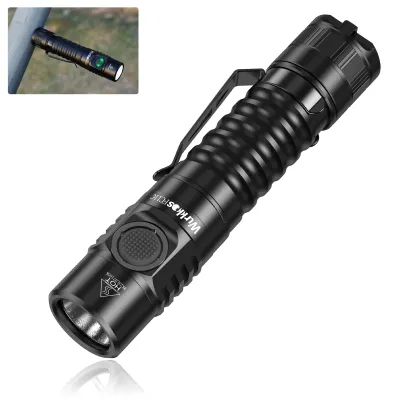
The Wurkkos FC11C is a highly suitable emergency light for Singapore HDB flats. Thanks to its compact size, magnetic tailcap for hands-free mounting on distribution boards, high-CRI Nichia 519A LED for accurate wire identification, and efficient buck driver, this flashlight directly addresses the practical safety and spatial constraints of modern HDB living. It offers a reliable, long-running, and budget-friendly alternative to bulky traditional emergency lanterns.
While many household flashlights rely on low-quality emitters that distort colors and drain batteries rapidly, the FC11C is designed with modern driver and LED technology. This makes it an invaluable asset when navigating a sudden blackout or performing critical household electrical checks.
Understanding HDB Blackout Scenarios and Lighting Needs
Power outages in Singapore HDB flats are rarely widespread or prolonged, but they do occur. Most blackouts are highly localized, often triggered by a tripped residual current circuit breaker (RCCB) or miniature circuit breaker (MCB) within the household’s own Distribution Board (DB) box. These trips are typically caused by faulty appliances, overloaded circuits, or water ingress in balcony or kitchen sockets. On rare occasions, localized grid maintenance or severe lightning storms can cause temporary block-wide disruptions.
Products mentioned in this guide
Prices are valid at publication and may change. Please refer to the product page for the latest price.
When a blackout strikes, the immediate lighting needs of an HDB household are highly specific. First, residents must safely navigate the flat’s layout. Modern 3-room, 4-room, and 5-room flats often feature compact hallways, windowless bathrooms, and structural bomb shelters (household shelters) that become pitch black even during the day. Navigating these spaces without light carries a risk of tripping over furniture, toys, or slipping on wet bathroom tiles.
Second, a resident needs to locate and inspect the DB box, which is typically situated near the main entrance, shoe cabinet, or inside the household shelter. Inspecting a DB box requires clear, directional light to read small switch labels and identify the state of individual breakers. Finally, the household requires temporary, diffused area lighting so family members can gather safely in the living room or kitchen while waiting for power to be restored.
These indoor emergency requirements differ significantly from outdoor or tactical lighting needs. Outdoor tactical flashlights prioritize long-distance beam throw, high-impact bezels, and aggressive strobe modes. Indoors, these features are counterproductive. An intense, narrow beam bounces off light-colored HDB walls, causing blinding glare that strains the eyes. Instead, indoor emergency lighting requires a wide, flood-heavy beam, excellent color rendering, low-intensity options, and hands-free adaptability.
How the Wurkkos FC11C Performs in Typical Power Outages
The Wurkkos FC11C is engineered with several technical features that align perfectly with HDB emergency scenarios. According to manufacturer specifications, the flashlight is equipped with a Nichia 519A high-CRI LED and a regulated buck driver, powered by a rechargeable 18650 lithium-ion battery. It features a built-in USB-C charging port and a magnetic tailcap, all housed in an IPX8-rated aluminum body.

Nichia 519A LED and High Color Rendering
The choice of the Nichia 519A emitter is highly beneficial for indoor emergency tasks. This LED features a Color Rendering Index (CRI) of over 90, which closely mimics natural sunlight. Most standard budget flashlights use low-CRI cool white LEDs that wash out colors, making reds, browns, and oranges look identical. Under Singapore’s electrical standards, single-phase wiring uses specific color codes: Brown for Live, Blue for Neutral, and Green/Yellow for Earth. When inspecting a DB box for scorched wires or identifying colored appliance plugs, the high-CRI beam of the FC11C ensures you can distinguish these colors accurately and safely.
Regulated Buck Driver Efficiency
The “C” in FC11C represents a critical internal upgrade over the older FC11 model: the transition to a regulated buck driver. Standard budget flashlights often use direct-drive or linear drivers that cause the light to dim gradually as the battery drains. A buck driver efficiently steps down the voltage from the 18650 battery to match the LED’s forward voltage. This ensures the flashlight maintains a constant, flat brightness level throughout the battery’s runtime. Furthermore, buck drivers generate significantly less waste heat, keeping the flashlight comfortable to hold in Singapore’s warm, humid climate.
Hands-Free Utility and Tail-Standing
One of the most practical features of the FC11C for HDB residents is its magnetic tailcap. The flat tailcap contains a strong permanent magnet, allowing the flashlight to stick securely to any ferrous metal surface. Because HDB DB boxes are typically housed in steel-framed cabinets or located near metal appliances like refrigerators, you can snap the flashlight directly to these surfaces. This provides instant, hands-free overhead illumination, leaving both hands free to reset breakers or consult an electrician over the phone. Additionally, the flat tailcap allows the flashlight to “tail-stand” on a dining table or countertop. By pointing the beam straight up at a white HDB ceiling, the light bounces and diffuses throughout the room, creating soft, glare-free ambient lighting for the entire family.
USB-C Charging and Power Compatibility
The integration of a USB-C charging port simplifies emergency preparedness. During a prolonged power outage, standard wall outlets are useless. Because the FC11C charges via a standard USB-C port, it can be recharged using the same power banks, phone chargers, or laptop ports that most Singaporeans already keep in their homes. An LED indicator built into the metal side switch displays the charging status, turning green when the battery is fully replenished.
Fitting the FC11C into a Compact HDB Emergency Kit
Space is a premium in Singapore apartments, making bulky emergency gear impractical. The FC11C features a compact form factor, measuring approximately 115.7 mm in length with a head diameter of 27 mm, and weighing roughly 110 grams with the battery installed. This small footprint allows it to fit easily into a shallow kitchen drawer, a shoe cabinet organizer, or a dedicated household safety box near the front door.
Using a single 18650 lithium-ion battery strikes an ideal balance between physical size and energy capacity. Smaller AA or AAA battery flashlights are highly portable but suffer from limited runtimes and lower outputs. Conversely, larger multi-battery searchlights or heavy D-cell lanterns take up too much storage space. A high-quality 18650 cell (typically 3000mAh) provides enough energy to run the FC11C on its low or medium modes for several days of intermittent use, ensuring you are not left in the dark during extended repairs.
To maximize the utility of the FC11C, it should be integrated into a structured HDB emergency kit. Consider storing the flashlight inside a small, clear, airtight container to protect it from dust and environmental moisture. Within this container, include the following complementary items:
- A compatible silicone diffuser dome: This inexpensive accessory slips over the head of the flashlight, instantly converting the focused beam into a 360-degree soft lantern light.
- A dedicated USB-C charging cable: Keep a spare cable with the light so you do not have to search for one in the dark.
- A small, charged power bank: This ensures you can recharge the flashlight even if the household power is out for twelve hours or more.
- A laminated card with emergency contacts: Include numbers for your town council, the HDB branch office emergency line, SP Group's electricity interruption helpline, and a trusted licensed electrical worker (LEW).
Ensure this kit is stored in a highly accessible, consistent location known to all adult household members. Teach everyone how to retrieve the kit and operate the flashlight’s basic interface before an actual emergency occurs.
Safe Operation and Battery Maintenance Tips
Using high-powered lithium-ion flashlights requires basic safety awareness and regular maintenance, particularly when operating in Singapore’s tropical climate.
Safe DB Box Inspection
When using the FC11C to inspect a tripped DB box, safety must be your absolute priority. Always stand on a dry, non-conductive surface, such as a dry rubber mat or wooden floor, and wear rubber-soled shoes. Before touching any switches, use the flashlight to inspect the exterior of the DB box for any signs of water dripping from ceiling pipes or condensation. If you smell burning plastic, hear hissing sounds, or see smoke, do not attempt to reset the breakers yourself. Immediately close the cabinet door and contact a licensed electrical worker.
If the area is dry and safe, use the flashlight’s medium mode to locate the main RCCB switch. Always turn off the main switch before attempting to reset individual circuit breakers. Once the individual breakers are reset, turn the main switch back on. Avoid using the flashlight’s maximum “Turbo” mode (which can output up to 1200 lumens) in the confined space of a DB box cabinet, as the intense reflection off the white plastic housing can cause temporary flash blindness.
Battery Maintenance and Storage
Lithium-ion batteries slowly self-discharge over time, even when the flashlight is turned off. To ensure the FC11C is ready when needed, establish a routine to check the battery charge level every three to six months. The FC11C features an electronic side switch that draws a tiny amount of standby current. To prevent this slow drain during long-term storage, slightly loosen the tailcap by a quarter-turn. This physical lockout breaks the electrical circuit, ensuring the battery remains fully charged for months.
Singapore’s high average relative humidity (often exceeding 80%) can accelerate the oxidation of electrical contacts and degrade the flashlight’s rubber seals. Store the flashlight in a cool, dry place inside your flat, away from direct sunlight or damp areas like utility yards. Periodically inspect the rubber O-rings on the tailcap and bezel. If they appear dry or cracked, apply a thin coat of silicone grease to maintain the water-resistant seal. Always ensure the rubber USB-C port cover is pressed firmly into place to prevent moisture ingress.
When to Choose a Different Emergency Light for Your Home
While the Wurkkos FC11C is an outstanding general-purpose emergency light, a single handheld flashlight may not meet the needs of every household. Understanding its limitations helps you decide if you need to supplement or replace it with alternative lighting solutions.
For larger households, particularly those with young children or elderly family members, relying on a single high-output flashlight can be problematic. If one person takes the flashlight to inspect the DB box or use the bathroom, the rest of the family is left in complete darkness. In these scenarios, it is safer to distribute multiple low-lumen, automatic motion-sensor nightlights throughout the flat. Many of these nightlights plug into wall outlets and feature built-in emergency backup batteries that turn on automatically when grid power fails, illuminating hallways and bathrooms instantly to prevent falls.
Furthermore, if hands-free mobility is your primary concern—such as carrying an infant, assisting an elderly relative, or navigating tight storage spaces while holding emergency supplies—a dedicated headlamp is often a superior choice. While the FC11C includes a pocket clip that can be attached to the brim of a cap, a dedicated headlamp with an adjustable elastic strap provides more stable, comfortable, and precisely aimed illumination.
Finally, for prolonged, multi-day outages, a dedicated camping lantern with a wide, stable base and a massive battery capacity may be more practical. These lanterns are designed specifically to sit on flat surfaces without tipping over, providing continuous, low-intensity ambient light for dozens of hours without requiring a diffuser accessory.
Frequently Asked Questions (FAQ)
How often should I check the battery of my emergency flashlight?
You should check and top up the battery of your emergency flashlight every 3 to 6 months. To maximize the long-term shelf life of the lithium-ion cell and prevent deep discharge, refer to the battery care and storage guidelines provided in the Wurkkos FC11C user manual.
Is a high-lumen tactical flashlight necessary for HDB power outages?
No, a high-lumen tactical flashlight is not necessary for HDB power outages. While high output is useful for brief inspections, lower, diffused light modes (between 10 and 100 lumens) are much better for sustained indoor use. They prevent harsh, blinding reflections off close walls, reduce eye strain, and significantly extend the battery’s runtime during an extended blackout.
Community discussion
Share your experience or ask a question. Comments are reviewed before publication.