
Quick Answer: Which Gourd Pendant Material Should You Choose?
Choosing the right gourd pendant depends on your room’s environment, your aesthetic goals, and the structural capacity of your walls. Select a jade gourd pendant if you want to introduce refined elegance, have controlled lighting to highlight its natural translucency, and can place it in a low-traffic area where it is safe from accidental impacts. Opt for a brass gourd pendant if you prefer a classic, traditional look, require high durability, and are comfortable with either maintaining its polished shine or letting it develop a natural patina over time.
Choose a wood gourd pendant if you want to create a warm, rustic, or Zen-inspired atmosphere, need a lightweight piece for delicate hanging surfaces, or have a flexible budget. Before making your final choice, always verify that your intended hanging hardware and wall surface can safely support the specific weight of the material you select.
The Role of Gourd Pendants in Home Decor
Gourd pendants, traditionally shaped after the calabash fruit, serve as compelling focal points in modern interior design. Their organic, flowing curves break up the rigid, linear structures common in contemporary home layouts, introducing a sense of natural balance and visual softness. When placed thoughtfully, these decorative items interact dynamically with both natural sunlight and artificial light sources, casting soft shadows and drawing the eye upward to create an illusion of height.
Products mentioned in this guide
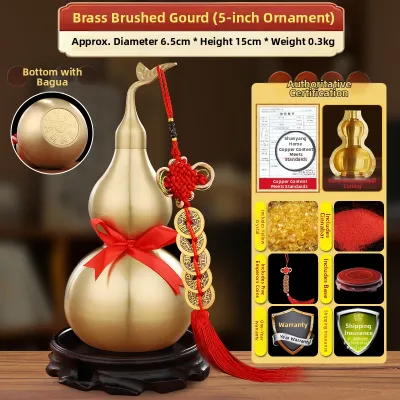
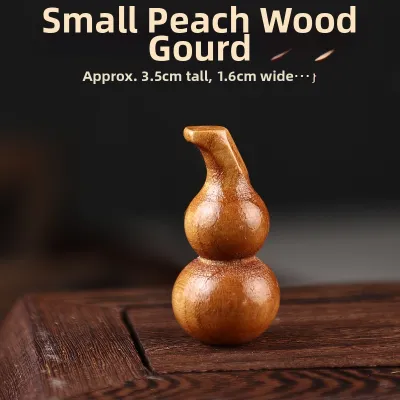

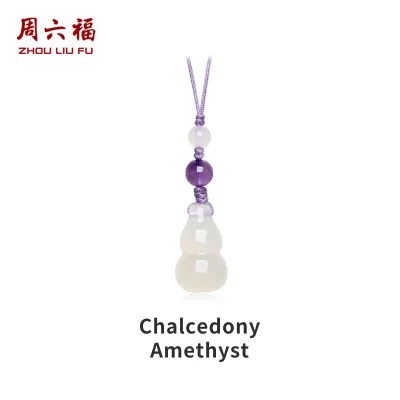
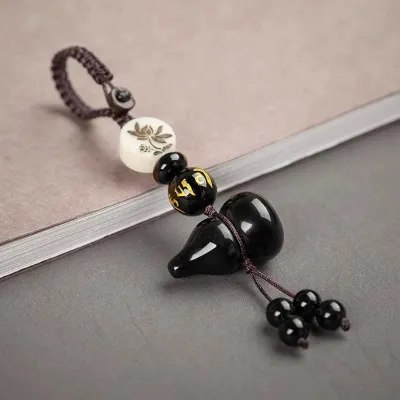
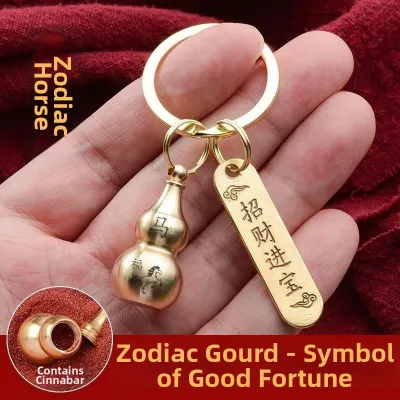
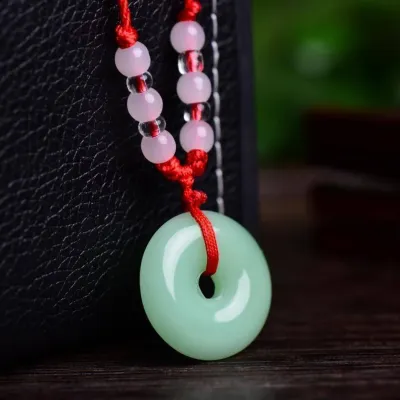
Prices are valid at publication and may change. Please refer to the product page for the latest price.

Beyond their physical form, these pendants carry deep cultural and symbolic significance in home styling. Across various traditions, the gourd shape is associated with harmony, longevity, and the preservation of positive energy or prosperity. Incorporating one into your decor allows you to honor these traditional themes without relying on unverified mystical claims, focusing instead on the timeless appeal of heritage-inspired design.
The physical location you choose for your pendant dictates which material is most suitable. Common placement areas include main entryways, wall displays in living rooms, and suspended ceiling installations. An entryway with high foot traffic demands a durable material that can withstand occasional bumps, whereas a quiet study or bedroom wall offers a safer environment for delicate, light-sensitive materials.
Comparing Jade, Brass, and Wood Gourd Pendants
To select the ideal gourd pendant, you must understand how material density, surface finish, and natural aging processes differentiate the three primary options. Each material interacts uniquely with your home’s microclimate and requires specific installation and maintenance approaches.
Jade Gourd Pendants: Elegance and Handling Care
Jade gourd pendants offer an unmatched profile of elegance, characterized by a smooth, cool-to-the-touch surface and varying degrees of translucency. When positioned near a window or under a dedicated spotlight, the stone filters light beautifully, revealing subtle internal patterns and color variations ranging from pale, milky whites to deep, rich greens. This luminous quality makes jade an excellent choice for sophisticated, minimalist, or classic Asian-inspired interiors.
However, the physical traits of jade require careful consideration during the planning phase. Genuine stone is heavy and demands robust hanging hardware to prevent accidental falls. Furthermore, jade is inherently brittle; while it is hard, a sudden impact against a concrete wall or another decorative piece can easily cause chipping, cracking, or complete breakage.
Maintaining a jade pendant involves gentle, non-abrasive care. Regular dusting with a dry, clean microfiber cloth is usually sufficient to preserve its polished luster. You must avoid harsh chemical cleaners, acidic solutions, or abrasive pads, as these can strip away protective waxes or permanently dull the stone’s natural finish.
Brass Gourd Pendants: Traditional Appeal and Patina
Brass gourd pendants bring a warm, metallic glow and a sense of traditional craftsmanship to interior spaces. The reflective surface of polished brass adds a touch of luxury, while antiqued or brushed finishes offer a more understated, historic charm. Over time, unlacquered brass reacts with oxygen and moisture in the air, developing a unique, darkened patina that tells the story of the home’s environment.
In terms of physical durability, brass is exceptionally resilient. It easily resists accidental impacts that would shatter stone or dent soft wood, making it highly suitable for high-traffic areas like busy hallways or entryways. While brass is moderately heavy, its structural integrity ensures that it will not warp or crack under normal household conditions.
Caring for a brass pendant depends on your aesthetic preference. If you prefer a bright, reflective shine, you will need to establish a regular polishing routine using specialized metal cleaners. Alternatively, you can leave the metal untreated to allow the natural patina to develop, occasionally wiping it with a dry cloth to remove dust and fingerprints. Always check if the manufacturer has applied a protective lacquer coating, as this prevents oxidation and should not be polished with abrasive chemicals.
Wood Gourd Pendants: Rustic Charm and Environmental Limits
Wood gourd pendants introduce a rustic, organic warmth that aligns perfectly with Scandinavian, minimalist, or Zen-inspired decor. The natural grain patterns, knots, and earthy tones of carved wood ensure that no two pieces are identical, offering a unique, handcrafted feel. Wood brings a grounding element to spaces dominated by cold materials like glass, steel, or concrete.
The primary physical advantage of wood is its lightweight nature. This makes it incredibly easy to hang on delicate hooks, thin cords, or even temporary adhesive hangers without risking structural damage to your walls. However, wood is a soft material compared to metal or stone, making it susceptible to physical dents, scratches, and surface wear if handled roughly.
Environmental factors are the most critical consideration when choosing a wood pendant. Wood is highly sensitive to humidity fluctuations and direct sunlight, which can cause the material to warp, crack, fade, or develop mold over time. To preserve its structural integrity, keep wood pendants away from damp areas like bathrooms or kitchens, and dust them regularly with a dry cloth, avoiding water or liquid cleaners unless specifically formulated for sealed wood.
Matching the Material to Your Space and Budget
Selecting the right material requires a careful evaluation of your room’s environmental conditions. In tropical or highly humid climates, such as in Singapore, unsealed wood can absorb moisture and warp, while unlacquered brass may oxidize much faster than in dry climates. If you plan to hang the pendant in a non-air-conditioned space or near an open window where humidity is high, brass or jade are generally more stable choices than delicate, untreated wood.
Your choice should also harmonize with your existing interior style. A sleek, modern apartment with clean lines and neutral colors benefits from the refined, quiet luxury of a jade pendant. Traditional or eclectic spaces with warm color palettes are elevated by the rich tones of a brass pendant. Meanwhile, homes focusing on natural materials, indoor plants, and soft textiles find their perfect match in the earthy, understated presence of a wood pendant.
Budget considerations play a significant role in your final decision. Generally, wood pendants sit at a more accessible price tier, making them excellent for flexible budgets or temporary decor setups. Brass occupies a mid-to-high price range, depending on the complexity of the metalwork and whether it is solid or plated. Jade typically represents a premium investment, where cost is determined by the quality, color, and authenticity of the stone. When shopping, inspect the carving detail, finish quality, and structural joints to ensure you are receiving lasting value for your investment.
Installation, Hanging Safety, and Maintenance
Safe installation is paramount to protect both your gourd pendant and your home’s surfaces. Begin by determining the exact weight of your chosen pendant using a kitchen scale. Never guess the weight, as stone and solid metal items are often heavier than they appear and can easily pull lightweight fasteners out of the wall.
Match your mounting hardware to both the pendant’s weight and your wall material. For concrete or brick walls, which are common in many modern apartments, you must use a masonry drill bit, wall plugs, and sturdy screws to secure the hanging hook. For drywall or plasterboard, ensure you use appropriate hollow-wall anchors or locate a structural stud. Avoid relying on simple nails or light-duty hangers for heavy jade or brass pieces.
If your gourd pendant is part of an active light fixture, always verify the voltage, base interface, wattage limits, and electrical certification before installation. For any installations involving fixed wiring, damp areas, work at height, or heavy suspended loads, ensure proper power isolation, follow the manufacturer’s installation instructions, and hire a qualified professional to complete the work safely.
Establish a routine inspection schedule to ensure long-term safety. Every few months, carefully examine the hanging cord, wire, or chain supporting the pendant. Look for signs of fraying in fabric cords, rust or link separation in metal chains, and wear at the connection points. If you notice any degradation, temporarily remove the pendant and replace the hanging hardware immediately.
If you encounter a fragile mounting surface, if the pendant is exceptionally heavy, or if the manufacturer’s installation instructions conflict with your home’s structure, stop immediately. In these scenarios, consulting a qualified professional or a professional handyman is the safest way to prevent damage to your walls and preserve your valuable decor.
Frequently Asked Questions (FAQ)
Can I hang a heavy jade or brass gourd pendant using adhesive hooks?
No, hanging heavy jade or brass gourd pendants with adhesive hooks is not recommended. Adhesive backing can degrade over time, especially when exposed to humidity, temperature shifts, or continuous tension from a heavy object. If the adhesive fails, the sudden fall will likely shatter a brittle jade pendant or damage your flooring and surrounding furniture. For heavy stone or metal decor, always use mechanical fasteners like screws and wall plugs anchored securely into the wall structure.
How do I know if a wood gourd pendant is properly sealed for humid rooms?
To determine if a wood gourd pendant is sealed against moisture, inspect its surface finish and check the manufacturer’s specifications. A properly sealed wood pendant will have a smooth, non-porous protective layer of varnish, lacquer, or polyurethane, which often gives it a subtle sheen. You can perform a simple test by placing a tiny drop of water on an inconspicuous area; if the water beads up on the surface, the wood is sealed, but if it sinks in and darkens the wood, the material is unsealed and should not be placed in humid environments like bathrooms.
Does the material of the gourd pendant change its symbolic meaning?
No, the material of the gourd pendant does not alter its core symbolic meaning. The traditional symbolism of the gourd—representing harmony, longevity, and protection—is derived primarily from its distinctive double-bulb shape, which historically served as a vessel for storing water, medicine, and food. While different materials like jade, brass, or wood offer distinct visual styles, durability levels, and price points to suit your home decor, they all carry the same rich cultural heritage and symbolic value.
Community discussion
Share your experience or ask a question. Comments are reviewed before publication.