
Finding Japandi-style ceiling lights in Singapore that include professional installation requires looking beyond aesthetic appeal to understand how local retailers package their services. While the minimalist blend of Japanese functionality and Scandinavian warmth is highly sought after for modern Singaporean homes, the convenience of a “product plus installation” bundle is not always straightforward. Many local lighting showrooms and specialized e-commerce platforms offer these packages, but the scope of what is covered can vary significantly. To secure a seamless upgrade, you must evaluate whether a retailer’s advertised price includes a certified installer or if it simply connects you with a third-party contractor at an additional cost.
Defining the Japandi Aesthetic for Ceiling and Pendant Lights
Japandi design merges the rustic warmth of Japanese traditional interiors with the clean, functional lines of Scandinavian modernism. When browsing lighting catalogs in Singapore, identifying authentic Japandi visual markers is the first step to ensuring your selections match your interior style. Look for fixtures that feature warm neutral palettes, such as off-white, cream, beige, and soft charcoal. Natural materials are central to this aesthetic; look for shades crafted from light-toned woods like oak or ash, woven rattan, bamboo, or textured paper. The silhouettes should remain minimalist and uncluttered, avoiding ornate metalwork or overly complex geometric patterns in favor of organic curves and clean, simple lines.
Understanding the functional and aesthetic differences between flush-mount ceiling lights and suspended pendant lights is crucial for spatial planning. Flush-mount fixtures sit directly against the ceiling, making them ideal for maintaining clean sightlines and maximizing vertical space in rooms with standard ceiling heights. They provide broad, diffused ambient light that gently illuminates the entire room without drawing too much visual attention. In contrast, suspended pendant lights hang from a cord or chain, drawing the eye downward and creating a distinct focal point. Pendants are highly effective for zoning specific areas, such as dining tables or kitchen islands, adding depth and layers to your interior design.
Products mentioned in this guide
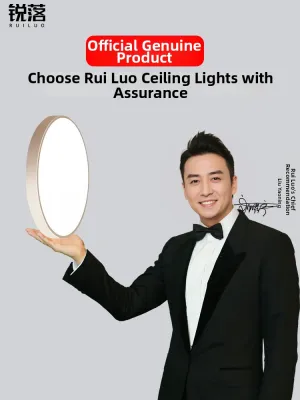
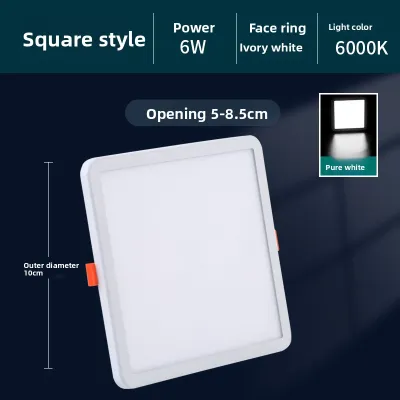
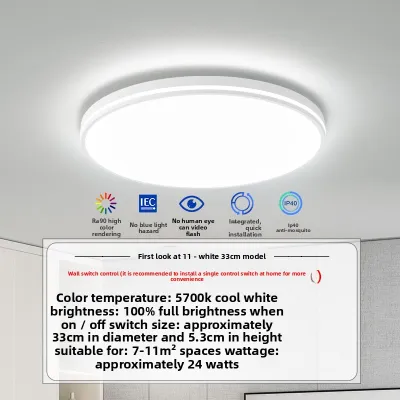
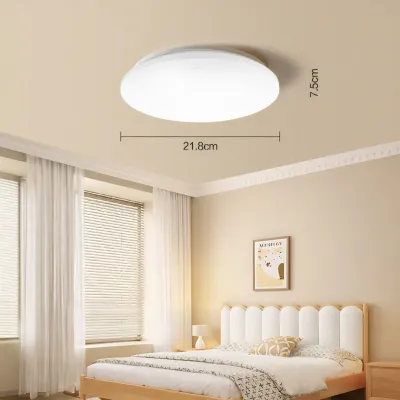
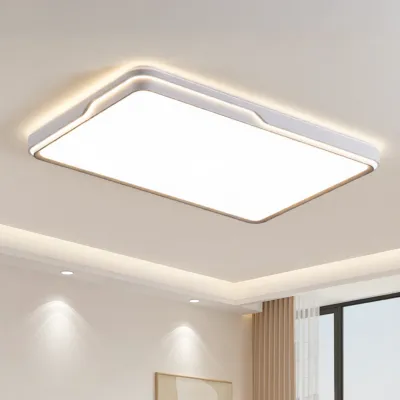
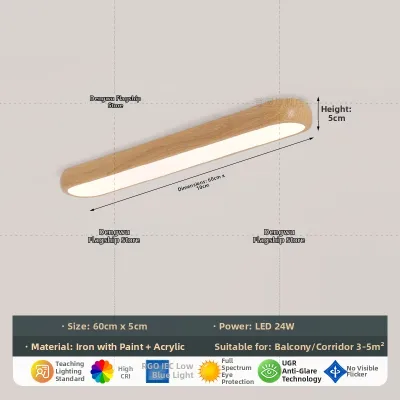
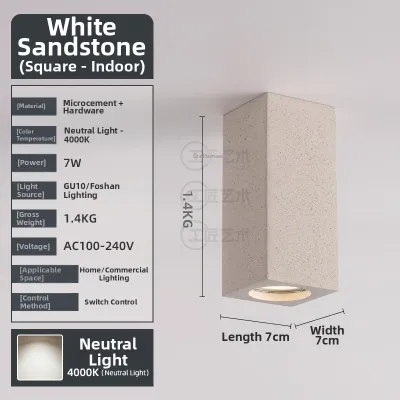
Prices are valid at publication and may change. Please refer to the product page for the latest price.
The choice of light source and color temperature plays a pivotal role in establishing the cozy, relaxed atmosphere characteristic of Japandi spaces. To complement the natural textures of wood and rattan, opt for warm white light, typically ranging between 2700K and 3000K. This color temperature mimics the soft glow of golden hour, enhancing the organic warmth of the materials and creating an inviting, restful environment. Avoid cool white or daylight bulbs in primary living areas, as their stark, blue-toned light can make natural materials look washed out and clinical. Additionally, verify if the fixture supports dimmable bulbs or integrated LED systems, allowing you to adjust the light levels to suit different times of day and activities.
Navigating "Product + Installation" Bundles in Singapore
When shopping for lighting in Singapore, navigating the various retail models for “product + installation” bundles requires careful scrutiny. Some retailers offer true bundled packages where the cost of basic installation is fully integrated into the retail price of the fixture. This model provides excellent cost transparency, as the price you see on the showroom floor or product page is the final amount you pay for a fully functional light. Other retailers operate on a hybrid model, advertising a low base price for the fixture while offering an optional installation add-on at checkout. While this allows for flexibility if you already have an electrician, it requires you to calculate the total cost manually to compare deals accurately.

Reading the fine print of any installation agreement is essential to avoid unexpected surcharges on the day of the appointment. Standard installation packages typically cover mounting a new fixture onto a concrete ceiling at a standard height using existing, functional wiring. They rarely cover complex tasks such as disposing of your old fixtures, hacking concrete to run new conduits, or reinforcing false ceilings. If your home requires these additional services, you must clarify the costs beforehand. Many installers charge separate fees for removing and disposing of heavy existing chandeliers, extending electrical wiring, or working on ceilings that exceed a certain height limit.
To ensure safety and compliance with local regulations, you must verify the qualifications of the personnel performing the installation. In Singapore, electrical work must be carried out by a licensed electrician or under the supervision of a qualified professional, in accordance with the Energy Market Authority (EMA) guidelines. Ask the retailer directly if their installers hold valid EMA licenses and if the workmanship is covered by a warranty. A reputable retailer should provide a clear warranty period—typically covering both the physical fixture and the installation work itself—giving you peace of mind against loose mountings or faulty wiring connections.
Essential Pre-Purchase Checks for HDB and Condo Ceilings
Before purchasing any Japandi ceiling light, conducting thorough pre-purchase checks of your home’s structural and electrical systems is vital. The type of ceiling in your HDB flat or condominium determines the mounting methods and weight limits your installation can safely support. Solid concrete ceilings, common in standard HDB living rooms, are highly durable and can support heavy fixtures, including solid wood or metal pendant lights, provided they are secured with appropriate masonry anchors. Suspended false ceilings, often found in renovated units or modern condominiums to conceal air conditioning ducts and wiring, are much more delicate. These plasterboard structures cannot support heavy loads directly and require specialized toggle bolts or structural reinforcement behind the board to prevent sagging or collapse.
Electrical compatibility is another critical factor that must be verified prior to installation. Singapore’s residential electrical grid operates at a standard voltage of 230V AC at a frequency of 50Hz. Ensure that any imported Japandi fixtures, particularly those sourced from overseas online platforms, are certified for this voltage range and carry relevant safety marks to guarantee they meet local safety standards. Additionally, the condition of your existing wiring should be assessed, especially in older HDB estates. If your existing wiring is degraded, brittle, or lacks a proper grounding wire, a professional electrician will need to rectify these issues before mounting your new light to prevent short circuits or fire hazards.
Visual proportions and height clearance must also be carefully calculated, particularly when opting for suspended pendant lights. Standard HDB ceiling heights typically range from 2.6 to 2.8 meters, which limits the allowable drop length of hanging fixtures. To maintain a safe and comfortable living environment, the bottom of a pendant light should hang at least 2.1 meters above the floor to prevent taller occupants or guests from bumping into it. If the pendant is positioned over a dining table, a lower clearance of 75 to 90 centimeters from the tabletop to the bottom of the fixture is generally acceptable, as it creates an intimate dining atmosphere without obstructing cross-table views. Always check if the pendant light you select features an adjustable cable or chain so the installer can customize the height during setup.
Evaluation Checklist for Shortlisting Your Fixtures
To finalize your choice, a structured evaluation checklist can help you compare different Japandi fixtures and installation packages systematically. First, assess the durability of the materials in relation to Singapore’s hot and humid tropical climate. Organic materials like untreated wood, bamboo, and paper are highly susceptible to moisture absorption, which can lead to warping, mold growth, or discoloration over time. Look for fixtures where the natural materials have been treated with protective sealants, or opt for high-quality synthetic alternatives that mimic the look of natural fibers while offering superior resistance to humidity and dust accumulation.
Next, compare the overall financial value and convenience of a bundled installation package against sourcing the fixture and hiring an independent electrician separately. While buying a light online and hiring a freelance electrician might seem cheaper initially, it often introduces coordination challenges and hidden costs. If the fixture arrives damaged or with missing parts, an independent electrician may still charge you for the transport and time spent, whereas a bundled service provider is typically responsible for resolving product defects and completing the installation in a single, coordinated visit. Calculate the total cost of ownership, including delivery, installation, potential surcharges, and warranty coverage, to determine the most cost-effective route.
Finally, verify the retailer’s return policies, defect warranties, and post-installation support terms before making your purchase. Ensure there is a clear protocol for handling transit damage, manufacturing defects, or installation errors. A reliable retailer should offer a straightforward exchange policy for defective items and provide prompt customer service to address any issues that arise shortly after installation. Confirming these details beforehand protects your investment and ensures that your journey toward a beautifully lit, Japandi-inspired home is smooth and stress-free.
Frequently Asked Questions (FAQ)
Can I install a heavy Japandi pendant light on an HDB false ceiling?
Installing a heavy Japandi pendant light on an HDB false ceiling is possible, but it requires specific structural precautions. Standard plasterboard false ceilings are not designed to bear significant weight and can crack or fail under the load of a heavy fixture. To safely mount a heavy light, the installer must secure the mounting bracket directly to the concrete soffit above the false ceiling using threaded rods or extension brackets, or install a timber or metal support structure behind the plasterboard. Always consult a qualified contractor or your installation professional to assess the weight of the fixture and determine the appropriate reinforcement method before proceeding.
Do bundled installation services cover smart lighting integration?
Standard bundled installation services typically cover basic physical mounting and connection to existing standard light switches. They generally do not include the setup, programming, or integration of smart lighting systems, such as smart dimmers, wireless hubs, or home automation platforms. If you plan to use smart bulbs or smart switches with your Japandi fixtures, you will need to configure the software and network connections yourself, or hire a specialized smart home technician. Be sure to check the compatibility of the fixture’s built-in driver or bulb sockets with smart dimming protocols before purchasing.
How do I maintain natural materials like rattan or wood in a humid climate?
Maintaining natural Japandi materials like rattan, bamboo, or wood in Singapore’s humid climate requires regular, gentle care. Dust the fixtures weekly using a dry microfiber cloth or a soft-bristle brush to prevent dust from settling into the woven textures. Avoid using wet cloths or harsh chemical cleaners, as excess moisture can penetrate the fibers and encourage mold growth or warp the wood. If you notice early signs of mold or mildew, wipe the affected area gently with a slightly damp cloth dipped in a highly diluted white vinegar solution, then dry it immediately with a clean towel and ensure the room is well-ventilated.
Community discussion
Share your experience or ask a question. Comments are reviewed before publication.