
Selecting the perfect Japandi pendant light for your home involves balancing the warm, rustic minimalism of Japanese design with the cool, functional elegance of Scandinavian style. In Singapore’s diverse housing landscape—ranging from compact HDB flats to spacious condominiums—hanging lights deco plays a pivotal role in defining the mood, scale, and visual boundaries of a room. Rather than relying solely on brand names or trend labels, finding a high-quality fixture requires a systematic comparison of design authenticity, material durability, and electrical safety.
A successful purchase hinges on understanding how different materials perform under local environmental conditions and ensuring that the electrical specifications align with local regulatory standards. By evaluating these factors objectively, you can select a pendant light that not only elevates your interior aesthetic but also offers long-term reliability and safety. This guide establishes a practical framework to help you compare options, inspect build quality, and navigate the installation process with confidence.
Defining Authentic Japandi Design in Hanging Lights
Authentic Japandi design is characterized by a harmonious tension between Scandinavian “hygge” (cozy functionality) and Japanese “wabi-sabi” (finding beauty in imperfection). In hanging lights deco, this translates to clean, geometric silhouettes softened by organic textures and natural, muted color palettes. Unlike generic modern minimalist fixtures that often rely on stark metals and cold glass, true Japandi lighting emphasizes warmth, tactile surfaces, and a sense of calm.
Products mentioned in this guide
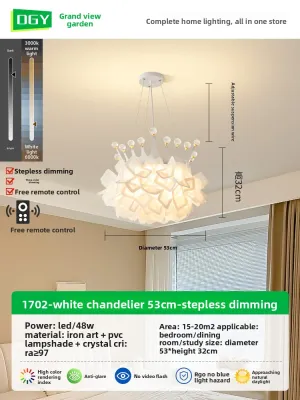
Prices are valid at publication and may change. Please refer to the product page for the latest price.
When browsing options, look closely at the material finishes. Key materials include light-toned woods such as ash, beech, or white oak, alongside woven rattan, bamboo, handmade washi paper, and matte, unglazed ceramics. These materials are chosen for their ability to filter light gently, creating a soft, diffused glow rather than a harsh, direct glare. The color palette should remain grounded in earth tones, featuring soft beiges, warm creams, muted terracottas, charcoal greys, and soft off-whites.
To verify design claims when shopping online or in showrooms, cross-reference the product descriptions with physical proportions and expected light diffusion patterns. A well-designed Japandi fixture will prioritize balanced proportions; the shade should not appear overly bulky or awkwardly thin relative to its suspension system. Pay attention to how the light is directed. Authentic designs often feature semi-translucent shades or open-weave patterns that cast soft, patterned shadows, contributing to a serene, layered lighting scheme rather than serving as a high-intensity task light.
Evaluating Build Quality and Material Durability
Evaluating the physical construction of a pendant light is essential to ensure longevity, especially when dealing with natural materials. Begin by inspecting the joint integrity and weight distribution of the fixture. High-quality wooden or ceramic lights should have seamless joins, robust mounting brackets, and reinforced suspension cords that can support the weight of the shade without straining the electrical wiring. Metal hardware, such as the ceiling canopy and strain reliefs, should feature durable, rust-resistant finishes like powder-coated matte paint or brushed brass.

Singapore’s tropical climate, characterized by high relative humidity and warm temperatures, presents unique challenges for natural materials. Untreated wood, bamboo, and rattan are highly susceptible to moisture absorption, which can lead to warping, cracking, mold growth, or pest infestations over time. When comparing fixtures, verify that wooden components are sealed with a protective matte lacquer and that woven materials have been treated with anti-fungal and moisture-resistant coatings. For high-humidity zones or homes without continuous air conditioning, high-quality synthetic rattan or polymer-based paper alternatives can offer the same visual warmth with significantly greater durability.
Additionally, review the manufacturer’s technical specifications regarding maximum wattage, bulb compatibility, and heat dissipation. Natural materials like paper, wood, and fabric are sensitive to heat and can degrade, discolor, or pose a fire hazard if exposed to excessive temperatures. Ensure the fixture is rated for modern, low-heat LED bulbs rather than high-heat incandescent options. Check that the socket assembly—typically E27 or GU10—is made of high-grade ceramic or heat-resistant thermoplastic rather than cheap, brittle plastics that can crack under prolonged exposure to minor heat.
Assessing Value and Electrical Safety Standards
When comparing the value of different Japandi hanging lights deco options, electrical safety must be your primary consideration. In Singapore, all mains-connected electrical appliances and lighting fixtures must comply with local safety regulations. When purchasing from local retailers or importing fixtures through online marketplaces, verify that the product or its electrical components (such as drivers, ballasts, and transformers) carry the appropriate safety certifications, such as the Enterprise Singapore Safety Mark. Using non-compliant fixtures can pose serious electrical fire risks and may void your home insurance coverage.
A comprehensive value comparison should also account for the completeness of the fixture kit. Some budget-friendly options may seem attractive initially but often exclude essential components like adjustable suspension cords, matching ceiling canopies, mounting brackets, or compatible LED bulbs. Purchasing these parts separately can quickly inflate your overall expenditure. Furthermore, consider the complexity of the installation; integrated LED modules offer a sleek, ultra-minimalist look but may require replacing the entire fixture if the LED driver or module fails, whereas fixtures with replaceable bulb sockets offer simpler, lower-cost maintenance over time.
Finally, evaluate the warranty terms, return policies, and after-sales support provided by the seller. Reliable brands and established local distributors typically offer at least a one-year warranty covering manufacturing defects and electrical failures. Be cautious of overseas sellers on ecommerce platforms that offer minimal recourse if the product arrives damaged, warped, or missing critical installation hardware. Factoring in the cost of professional installation—which varies depending on ceiling height and wiring complexity—helps establish a realistic budget before finalizing your purchase.
Decision Framework: Choosing the Right Japandi Pendant Light
To choose the ideal Japandi pendant light for your specific space, use this structured decision framework to match the fixture’s specifications with your home’s physical and environmental conditions.
First, assess your ceiling height and structural capacity. Standard residential ceilings in Singapore, particularly in HDB flats, typically range from 2.6 to 2.8 meters. For these spaces, prioritize fixtures with adjustable drop lengths so you can position the light at an optimal height—usually 75 to 90 centimeters above a dining table or kitchen island—without obstructing walkways. If you are mounting the light on a standard plasterboard false ceiling, choose lightweight shades made of paper, fabric, or thin rattan to avoid structural strain.
Second, match the material to the room’s microclimate. If you plan to install the hanging light in a high-humidity area, such as a covered balcony, a kitchen, or a bathroom vanity zone, avoid untreated paper or raw wood. Instead, opt for sealed ceramics, powder-coated metals with wood-grain finishes, or treated synthetic fibers that resist moisture and are easy to wipe clean. Save delicate washi paper and fine woven bamboo for dry, well-ventilated spaces like bedrooms and living rooms.
Third, verify electrical and smart home compatibility. Ensure the fixture’s voltage rating matches Singapore’s standard 220V-240V grid. If you plan to use a dimmer switch to adjust the ambiance, confirm that both the bulb and the fixture’s internal wiring or driver support your specific dimming system (such as triac or digital dimming). For smart home setups, verify that the socket can accommodate standard smart bulbs without exceeding physical shade dimensions or maximum wattage limits.
Fourth, establish clear installation boundaries. Always isolate the mains power at the distribution board (DB box) before attempting any electrical inspection or installation. If the installation involves working at height, modifying fixed wiring, or mounting heavy wooden or ceramic fixtures exceeding 5 kilograms, stop and hire a licensed electrical worker (LEW) or a qualified professional installer. Ensuring structural reinforcement and proper electrical termination is critical to preventing accidents and ensuring long-term safety.
Frequently Asked Questions (FAQ)
How do I clean natural materials like rattan or paper shades?
To clean delicate Japandi materials like rattan, bamboo, or paper shades, always start with dry cleaning methods. Use a soft-bristled brush, a feather duster, or a clean, dry microfiber cloth to gently remove surface dust. Avoid using liquid cleaners, damp cloths, or chemical sprays, as moisture can cause paper shades to tear or sag, and can lead to mold growth on untreated natural fibers. Always refer to the manufacturer’s care label for specific cleaning restrictions before applying any cleaning agents.
Can I install a heavy wooden pendant light on a standard false ceiling?
Standard plasterboard false ceilings are not designed to support heavy suspended loads directly. Hanging a heavy wooden or ceramic fixture requires anchoring the mounting bracket directly into the structural concrete slab above the false ceiling or securing it to the underlying metal support runners (joists). If a fixture weighs more than 3 to 5 kilograms, do not attempt a standard DIY installation. Consult a qualified professional installer or structural specialist to assess the ceiling’s load-bearing capacity and install the appropriate heavy-duty anchors safely.

Community discussion
Share your experience or ask a question. Comments are reviewed before publication.