
Selecting the right lights for ceiling installations is one of the most impactful design decisions you can make when styling a Singapore home. The Japandi aesthetic—a harmonious fusion of Japanese minimalism and Scandinavian functionality—has become a cornerstone of modern interior design, offering a serene, uncluttered escape from busy urban life. Achieving this look requires more than just hanging a simple wooden fixture; it demands a careful balance of organic materials, soft illumination, and precise spatial scaling. By understanding how to evaluate materials, verify local technical compatibility, and match fixture designs to specific room functions, you can transform your living spaces into warm, light-filled sanctuaries.
Defining Japandi Aesthetics for Ceiling Lights
The Japandi style is not merely a hybrid trend; it is a thoughtful design philosophy that bridges two distinct yet deeply compatible worlds. Japanese design brings the concept of finding beauty in imperfection, rustic simplicity, and natural weathering. Scandinavian design contributes a sense of cozy contentment, functional warmth, and clean, practical layouts. When these two philosophies meet in ceiling lighting, they strip away unnecessary ornamentation, leaving behind fixtures that celebrate raw textures, geometric balance, and purposeful illumination.
Visual hallmarks of Japandi ceiling lights include clean lines, organic shapes, and uncluttered silhouettes. You will rarely find highly polished metals, intricate crystal drops, or overly complex multi-arm configurations in this style. Instead, the focus remains on soft curves, dome shapes, flat discs, and asymmetrical organic forms that mimic elements found in nature. The goal is to create a visual anchor in the room that feels grounded and peaceful rather than loud or distracting.
Products mentioned in this guide
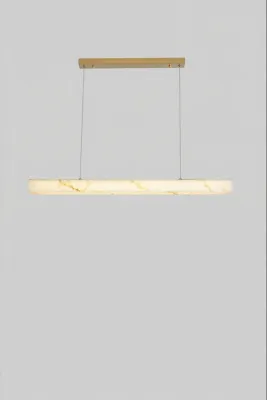
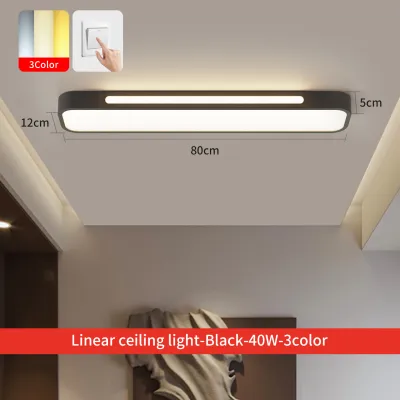
Prices are valid at publication and may change. Please refer to the product page for the latest price.
In Singapore, where residential properties like HDB flats and condominiums often feature standard ceiling heights of approximately 2.6 to 2.8 meters, the scale and visual weight of a pendant light are critical considerations. A fixture that is too bulky or hangs too low can make a room feel cramped and disrupt the flow of foot traffic. Conversely, a light that is too small will get lost in the space, failing to provide adequate illumination or design impact. When selecting lights for ceiling mounting, you must calculate the drop length carefully to ensure there is at least 2.1 meters of clearance from the bottom of the fixture to the floor, preserving both safety and visual harmony.
Key Selection Criteria for Japandi Pendant Lights
To select a pendant light that truly embodies the Japandi aesthetic, you must evaluate the materials used in its construction. Natural, tactile materials are essential for introducing warmth and texture into a minimalist space. Rattan and bamboo offer a lightweight, woven texture that filters light beautifully, casting intricate shadow patterns on surrounding surfaces. Solid wood, particularly in light oak, ash, or walnut finishes, adds a grounding, organic element that pairs seamlessly with wooden furniture. Rice paper, inspired by traditional Japanese screens, provides an incredibly soft, diffused glow that is highly prized in Japandi interiors. For a more structured look, matte ceramics and hand-spun clay fixtures offer earthy, tactile surfaces that feel artisanal and unique.

The color palette of your lighting fixtures should remain close to nature, focusing on muted earth tones, warm whites, soft greys, and charcoal accents. Warm whites and creams soften the overall look of a room, while soft greys and sandy beige tones blend effortlessly into neutral walls. If you want to introduce contrast, matte black or deep charcoal metal accents can be used sparingly to define the shape of the fixture and add a touch of modern Scandinavian edge. Avoid bright, saturated colors or high-shine metallic finishes like polished chrome or glossy gold, as these can disrupt the calm, understated atmosphere of the space.
Beyond the physical appearance of the fixture, the quality of the light it emits is paramount. Achieving the signature Japandi warm glow requires careful selection of bulb compatibility and color temperature, measured in Kelvin (K). For living areas, dining spaces, and bedrooms, a color temperature between 2700K and 3000K (warm white) is highly recommended. This range mimics the soft light of late afternoon sun or candlelight, promoting relaxation and comfort. When choosing bulbs, pay close attention to how the shade material interacts with the light source. A woven rattan or bamboo shade will allow some direct light to escape while casting warm shadows, whereas an enclosed rice paper or matte ceramic shade will diffuse the light completely, eliminating harsh glare and creating a soft, even wash of illumination across the room.
Technical and Safety Checks for Local Installation
Before purchasing any pendant light, especially when sourcing fixtures internationally, you must verify that the electrical specifications are fully compatible with Singapore’s domestic power grid. Singapore operates on a standard voltage of 230V AC at a frequency of 50Hz. Installing a fixture designed solely for lower voltage systems, such as those used in North America (110V), can lead to electrical failure, short circuits, or fire hazards. Always check the manufacturer’s specification label to ensure the fixture is rated for 220V–240V operation. Additionally, verify that the light uses standard, locally available bulb bases, such as E27 screw bases or E14 candle bases, to ensure you can easily source replacement bulbs.
The physical weight of the pendant light dictates the type of ceiling mounting and structural support required. Lightweight fixtures made of rice paper, thin rattan, or lightweight bamboo can generally be suspended from standard ceiling junction boxes using basic mounting brackets. However, heavier fixtures made of solid wood, thick ceramics, concrete, or metal require robust structural anchoring. If you are installing a heavy light on a concrete ceiling, which is standard in most Singapore HDB flats, you must use appropriate masonry wall plugs and heavy-duty screws to secure the mounting bracket. If you have a false ceiling made of plasterboard, you must never hang a heavy fixture directly from the plasterboard sheet. Instead, the mounting screws must be anchored into the metal support channels behind the plasterboard, or a reinforcing timber block must be installed to distribute the weight safely.
Safety should always be your top priority when dealing with electrical installations. For any fixed wiring work, especially when installing new ceiling points, working at heights, or mounting fixtures in moisture-prone areas like kitchens and bathrooms, it is highly recommended to engage a licensed electrical worker. A professional installer will ensure that the wiring complies with local electrical safety standards, that the fixture is properly earthed, and that the weight is safely supported. Before performing any inspection, cleaning, or bulb replacement on your ceiling lights, always isolate the power by switching off the corresponding circuit breaker at your home’s main distribution board, rather than relying solely on the wall switch.
Building Your Shortlist: Matching Lights to Room Functions
Every room in your home serves a different purpose, and your lighting choices should reflect these functional needs while maintaining a cohesive Japandi aesthetic. In the dining area, the dining table is the natural focal point of the room. To illuminate this space effectively, consider using a linear pendant light or a cluster of single pendants suspended in a row. This configuration provides focused, downward task illumination that highlights the food and creates an intimate dining atmosphere. Ensure the bottom of the pendant hangs approximately 75cm to 90cm above the tabletop to prevent the fixture from blocking eye contact between diners while avoiding glare.
For the living room, the primary goal is to create a welcoming, comfortable environment for relaxation and socializing. Statement pieces with large, diffused shades—such as oversized rice paper spheres or wide, shallow dome pendants—work exceptionally well here. These designs scatter light evenly across the ceiling and walls, minimizing harsh shadows and reducing eye strain. To achieve a balanced lighting scheme, pair your central pendant light with secondary light sources, such as warm recessed downlights or adjustable track lights, which can be dimmed independently to suit different times of day and activities.
In bedrooms and reading nooks, the lighting should support your body’s natural circadian rhythms by promoting winding down and rest. Choose low-hanging, low-wattage fixtures that emit a soft, indirect glow. A small, delicate ceramic pendant suspended over a bedside table can serve as an elegant alternative to a traditional table lamp, freeing up valuable bedside space while adding a touch of minimalist luxury. For reading corners, a pendant light with a semi-directional shade made of warm wood or woven fibers can direct light downward onto your book while keeping the rest of the corner softly lit and cozy.
Frequently Asked Questions (FAQ)
How do I clean and maintain natural materials like rattan or paper?
Caring for natural materials requires a gentle touch to preserve their texture and structural integrity over time. For regular maintenance, use a feather duster, a clean makeup brush, or a dry microfiber cloth to gently remove dust from the crevices of woven rattan, bamboo, or delicate paper shades. Avoid using damp cloths, wet sponges, or liquid cleaning agents on organic fibers, as moisture can cause paper to tear, wood to warp, and natural fibers to develop mold in Singapore’s humid climate. Always consult the manufacturer’s care instructions before attempting any deep cleaning, and keep these delicate fixtures away from direct sunlight to prevent fading or brittleness.
Can I use smart bulbs in Japandi pendant lights?
Yes, you can integrate smart bulbs into most Japandi pendant lights, provided you verify a few physical and electrical compatibility factors first. Smart bulbs often contain internal wireless receivers and dimming electronics, making them slightly larger and heavier than standard LED bulbs; always measure the internal clearance of your fixture’s shade to ensure the bulb fits without touching the sides. Additionally, smart bulbs must be connected to a constant power source and should not be used on circuits controlled by traditional wall-mounted dimmer switches, as this can cause flickering or damage the bulb’s internal components. Finally, ensure the shade design allows for adequate heat dissipation, as enclosed paper or tightly woven shades can trap heat, potentially reducing the lifespan of the smart bulb’s sensitive electronics.
Community discussion
Share your experience or ask a question. Comments are reviewed before publication.