
To achieve a warm, minimalist aesthetic without the logistical hassle of coordinating separate tradespeople, many homeowners in Singapore seek Japandi-style pendant lights that offer bundled professional installation. Finding a retailer that provides a “ceiling light with installation” package ensures that delicate natural materials—such as washi paper, timber, and woven rattan—are mounted safely and wired correctly according to local electrical safety standards. This combined approach protects your investment in high-quality design while guaranteeing that the physical installation matches the refined, clean look of the style.
Selecting the right fixture involves balancing visual appeal with structural and electrical practicalities. By choosing a retailer that handles both the supply and the technical mounting, you streamline the renovation process, secure a single point of accountability, and ensure that your new lighting functions safely in your specific home environment.
Identifying Authentic Japandi Pendant Light Designs
Japandi design is a highly intentional hybrid style that merges the rustic, imperfect simplicity of Japanese wabi-sabi with the warm, functional comfort of Scandinavian hygge. Rather than relying on ornate details or flashy metallic finishes, authentic Japandi pendant lights focus on clean geometric lines, organic shapes, and a deep connection to the natural world. The goal of these fixtures is to bring a sense of calm, order, and understated elegance to an interior space.
Products mentioned in this guide
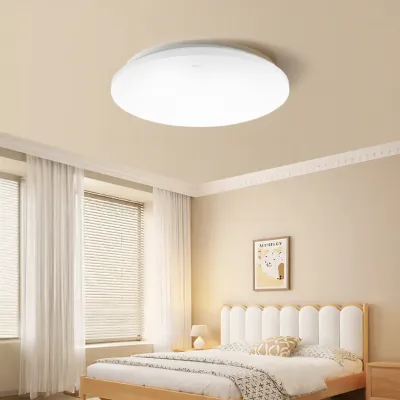

Prices are valid at publication and may change. Please refer to the product page for the latest price.
Visual markers of authentic Japandi lighting are defined by tactile, organic materials. Look for shades crafted from sustainable timbers like light oak or ash, hand-woven rattan, textured linen, and traditional washi paper. The color palette remains strictly neutral and earthy, featuring soft creams, muted beiges, warm terracottas, gentle sage greens, and occasional matte black accents to ground the design. These materials are chosen not just for their appearance, but for how they age gracefully over time.
To achieve the true Japandi ambiance, the quality of light is just as important as the physical design of the fixture. Japandi spaces rely heavily on soft, diffused illumination that mimics the gentle glow of natural sunlight filtering through a screen. When selecting a light, look closely at its diffusion properties rather than focusing solely on its external silhouette. Fixtures with enclosed fabric or paper shades, or those with integrated frosted diffusers, are excellent for scattering light evenly and eliminating harsh shadows or glare.
The Value of Choosing a Ceiling Light with Installation in Singapore
Opting for a ceiling light with installation bundled into your purchase is highly practical for Singapore’s unique residential landscape. Standard housing units, such as Housing & Development Board (HDB) flats and private condominiums, present distinct structural variations that dictate how a light must be mounted. Standard concrete slab ceilings require heavy-duty rotary hammer drilling and specialized masonry wall plugs to secure a mounting bracket safely, a task that can easily go wrong without the proper tools.

Conversely, many homes feature gypsum-board false ceilings, particularly in dining areas, corridors, or bedrooms where air-conditioning ledges and electrical trunking are concealed. False ceilings cannot support the weight of a heavy pendant light on their own. Mounting a fixture in these areas requires specialized butterfly anchors, toggle bolts, or direct structural attachment to the underlying metal frame. Professional installers can quickly identify your ceiling type and utilize the correct load-bearing hardware to prevent the fixture from sagging or falling.
Electrical safety is another critical factor that necessitates professional handling. Singapore’s domestic electrical supply operates at a standard voltage of 230V AC, 50Hz, and all fixed electrical installations must comply with the local SS 638 wiring standards. Improper wiring can lead to short circuits, persistent flickering, damage to your home’s distribution board, or electrical fires. A professional installer—ideally an Energy Market Authority (EMA) licensed electrician—will ensure proper circuit isolation, correct polarity wiring, secure wire termination, and reliable grounding.
Beyond safety, purchasing a bundled product and service offers unparalleled convenience and peace of mind. It eliminates the tedious process of sourcing, vetting, and scheduling an independent electrician who may not be familiar with the delicate handling required for artisanal paper or wood-slat shades. If any technical issues arise post-installation, such as a faulty driver or an uneven hang, a single retailer remains fully accountable for both the product warranty and the workmanship, resolving disputes quickly.
Recommended Japandi Pendant Styles for Different Spaces
Rice Paper and Fabric Shades for Living Rooms
Living rooms serve as the primary zone for relaxation and social gathering, making them the perfect setting for soft, ambient lighting. Isamu Noguchi-inspired paper lanterns, constructed from fine washi paper over bamboo ribbing, or drum pendants wrapped in textured Belgian linen, are ideal choices. These materials possess natural fibers that catch and scatter light, transforming a harsh bulb into a warm, organic glow that instantly softens the room’s atmosphere.
While paper and fabric shades offer exceptional light diffusion, they are highly sensitive to environmental factors. Because these materials are porous and delicate, they are best suited for dry, low-traffic areas of the home. They should be positioned away from open balcony doors where sudden rain or high humidity could warp the paper or stain the fabric, and far from open-concept kitchens where airborne grease can settle on the fibers.
Cleaning these delicate shades requires a gentle touch to avoid tearing or staining. Homeowners should avoid using damp cloths, liquid cleaners, or chemical sprays on untreated paper or fine linen. Instead, use a dry, soft-bristled brush, a feather duster, or a gentle air blower on a cool setting to clear away accumulated dust weekly. This simple maintenance routine preserves the pristine, natural look of the fibers for years.
Wood Slats and Rattan for Dining Areas
Dining spaces require a delicate balance of focused downward light to illuminate meals and warm ambient light to foster conversation. Wood slat pendants crafted from light oak, ash, or teak, alongside woven rattan dome lights, perform this dual role beautifully. The physical gaps inherent in slatted and woven designs allow a portion of the light to filter horizontally, casting intricate, decorative shadow patterns across the dining room walls while directing a functional pool of light downward.
These natural materials add rich texture to a dining space, but their complex structures can make them dust magnets. In Singapore’s humid climate, airborne dust can settle into the tight crevices of woven rattan or along the flat tops of wooden slats, forming a stubborn layer if left unaddressed. Regular maintenance is necessary to keep these natural materials looking fresh and to prevent the buildup of allergens.
To clean slatted wood or woven rattan fixtures, use a vacuum cleaner equipped with a soft brush attachment to gently draw dust out of the crevices. For wooden slats, a dry or slightly damp microfiber cloth can be used to wipe down individual surfaces, ensuring you dry the wood immediately afterward to prevent moisture absorption. Avoid harsh chemical polishes, which can strip away the natural matte finish of the timber.
Matte Metal and Ceramic for Kitchens and Studies
For task-oriented spaces like kitchen islands and study desks, durability and focused illumination are top priorities. Spun aluminum or slip-cast ceramic pendants finished in muted, earthy Japandi tones—such as soft sage, pale terracotta, warm off-white, or matte charcoal—provide excellent utility. These materials are completely opaque, meaning they block all lateral light and direct the entire output of the bulb downward in a concentrated cone of light.
From a practical standpoint, metal and ceramic are highly durable and exceptionally easy to maintain. Unlike paper or fabric, these non-porous surfaces do not absorb cooking oils, steam, or grease, making them highly suitable for kitchen environments. They can be wiped clean in seconds using a damp microfiber cloth and a mild, non-abrasive detergent, allowing you to maintain a hygienic workspace with minimal effort.
Because metal and ceramic direct light downward so efficiently, the illumination can sometimes feel cold or clinical if the wrong fixture is chosen. To maintain a warm, inviting Japandi feel, pay close attention to the interior color of the shade. Selecting a pendant with a warm white, cream, or soft brass interior reflector will soften the light beam, keeping the overall color temperature warm and gentle on the eyes even when using a high-output task bulb.
Where to Buy Japandi Lights with Included Installation
Specialized Lighting Showrooms
For homeowners seeking premium materials, unique designs, and comprehensive service, specialized lighting showrooms located in key design hubs like Balestier Road, Jalan Besar, or Tai Seng are excellent options. These showrooms curate high-quality collections of Scandinavian and Asian-inspired fixtures. The primary advantage of buying from these specialists is their access to dedicated, in-house installation teams who are highly experienced in handling delicate, high-end materials.
While specialized showrooms generally operate at a higher price point, the cost often includes a robust warranty that covers both the physical light fixture and the installation workmanship. This comprehensive coverage ensures that if a driver fails or a cable requires adjustment post-installation, a technician will return to your home to resolve the issue at no extra charge. This level of service is highly recommended for complex, heavy, or multi-light installations.
Large Home Furnishing Retailers
If you are working with a mid-range budget and prefer standardized, safety-tested designs, large home furnishing retailers with physical stores in Singapore are a highly reliable choice. These retailers offer a wide range of minimalist, Scandinavian-style lighting that fits seamlessly into a Japandi aesthetic. At the point of purchase—whether in-store or online—you can easily opt for an add-on professional installation service for a flat, transparent fee.
These retailers provide clear, standardized installation policies and reliable customer support channels, making the entire process highly predictable. The lighting fixtures themselves are engineered for straightforward assembly and mounting, reducing the risk of installation errors. While the designs may be more common compared to boutique showroom pieces, they offer an excellent balance of affordability, style, and reliable service.
Curated Online Home Decor Platforms
For the widest variety of designs and competitive pricing, curated online home decor platforms and local e-commerce sites specializing in minimalist furnishings are highly popular. Many of these platforms have established partnerships with networks of vetted, local third-party contractors to offer bundled installation packages. This allows you to browse hundreds of unique Japandi designs from the comfort of your home while securing professional mounting services.
When shopping on online platforms, it is crucial to verify the details of the installation service before checking out. Ensure you explicitly select the “installation included” option or add the service to your cart, as it is rarely included by default. Take the time to read recent customer reviews specifically focusing on the installation experience, checking for feedback regarding the punctuality, cleanliness, and professionalism of the partnered contractors.
Pre-Purchase Checklist: Ceiling and Electrical Compatibility
Before finalizing your purchase of a Japandi pendant light, running through a comprehensive technical checklist will prevent costly installation delays or safety hazards.
- Ceiling Type & Weight Limits: Determine whether your ceiling is solid concrete or a hollow false ceiling by tapping it gently; a hollow sound indicates plasterboard. Heavy fixtures made of solid wood, thick ceramic, or glass require specialized toggle bolts or direct anchoring to the concrete slab above. Always disclose the weight of the fixture and your ceiling type to the installation team before they arrive.
- Electrical Specifications: Verify that the fixture is rated for Singapore’s 230V electrical grid and carries appropriate safety certifications. Check the bulb socket interface (such as E27 or E14) to ensure you can easily purchase replacement bulbs locally. If you plan to use a wall dimmer switch, confirm that both the fixture’s LED driver and the bulbs are explicitly labeled as dimmable.
- Drop Length & Clearance: Measure your ceiling height to determine the correct cable drop length. For dining tables, the bottom of the pendant shade should hang approximately 70cm to 90cm above the tabletop to provide optimal light without blocking views. For open walkways, ensure a minimum clearance height of 2.1 meters from the floor to the lowest point of the light to prevent accidental head strikes.
- Professional Consultation: If you have any doubts about your home's wiring condition, the load-bearing capacity of your false ceiling, or the compatibility of a complex multi-light fixture, pause the purchase. Request a pre-installation site assessment from the retailer or consult a qualified professional electrician to inspect your space and provide expert guidance.
Frequently Asked Questions (FAQ)
Can heavy Japandi pendants be safely mounted on HDB false ceilings?
Yes, heavy Japandi pendants can be safely mounted on HDB false ceilings, but they require proper structural reinforcement. Standard plasterboard false ceilings cannot support heavy fixtures using basic screws and plugs. To ensure safety, the installation team must use specialized heavy-duty hollow-wall anchors, such as spring toggles or metal snap toggles, which distribute the weight across a wider area. For exceptionally heavy fixtures, the installers must bypass the plasterboard entirely, anchoring the mounting bracket directly into the concrete slab above using threaded rods. Always inform your installer of your ceiling type in advance.
Does bundled installation cover patching and painting after removing old fixtures?
Generally, standard bundled installation services do not cover cosmetic patching and painting. The service typically includes the safe disconnection and removal of your old fixture, the mounting of the new bracket, electrical wiring, and testing of the new light. If your previous fixture had a larger base or canopy, it may leave behind unsightly screw holes, discoloration, or unpainted patches on your ceiling. These cosmetic repairs are considered separate from electrical work. You should plan to patch and repaint the ceiling yourself or arrange this with a painter or handyman separately.
Are smart bulbs safe to use inside enclosed Japandi paper or fabric pendant shades?
Smart bulbs can be used inside paper or fabric shades, but you must ensure adequate ventilation. Although LED smart bulbs run cooler than traditional incandescent bulbs, they contain internal wireless transmitters and power-regulating components in their bases that generate a localized amount of heat. If placed inside a tightly enclosed or poorly ventilated shade, this heat can accumulate, potentially shortening the lifespan of the bulb’s electronic components. To minimize risk, verify the bulb manufacturer’s specifications regarding enclosed fixtures and choose shades with open tops or bottoms that allow heat to escape naturally.
Community discussion
Share your experience or ask a question. Comments are reviewed before publication.