
Finding the perfect Japandi-style dining ceiling light in Singapore requires balancing organic textures, minimalist forms, and the practical constraints of local residential spaces. Whether you are furnishing a newly renovated Housing & Development Board (HDB) flat, a modern condominium, or a landed home, the dining light serves as the visual anchor of your eating area. To achieve the serene, uncluttered look characteristic of this design movement, you must look beyond aesthetics and carefully evaluate material durability, spatial proportions, and local electrical safety standards.
Core Elements of Japandi Dining Lighting
Japandi design is a harmonious fusion of Japanese minimalism (wabi-sabi) and Scandinavian functionality (hygge). This hybrid style prioritizes simplicity, natural warmth, and intentional craftsmanship. In a dining room, a Japandi ceiling light should not merely illuminate the table; it should foster a calm, inviting atmosphere that encourages slow dining and meaningful conversation.
Natural materials form the foundation of this aesthetic. Look for pendant lights crafted from sustainable elements such as rattan, bamboo, woven paper, light-toned woods (like ash, beech, or white oak), and matte ceramics. These materials introduce organic textures that soften the clean, hard lines often found in modern Singaporean apartments. The subtle imperfections in a hand-woven paper shade or a slip-cast ceramic dome embody the wabi-sabi appreciation for transience and natural beauty.
Products mentioned in this guide
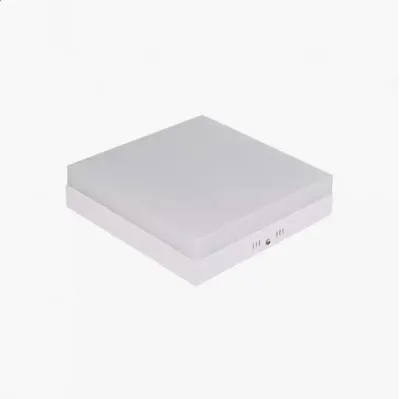
![ONS 18W/24W/36W/48W LED Magnetic Ceiling Light 6500K Round/Square/Tri-Tone LED Ceiling Light [Singapore Home Grown Brand]](https://img.lazcdn.com/g/p/4ee96a0041eca859bcf3b72390759725.png_400x400q80.png_.webp)
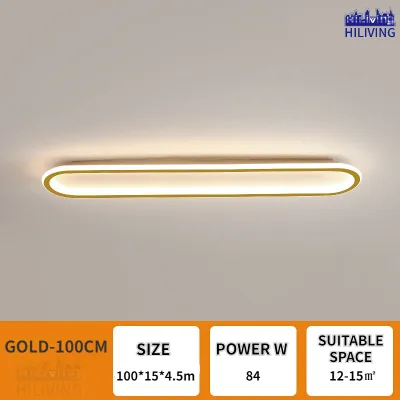
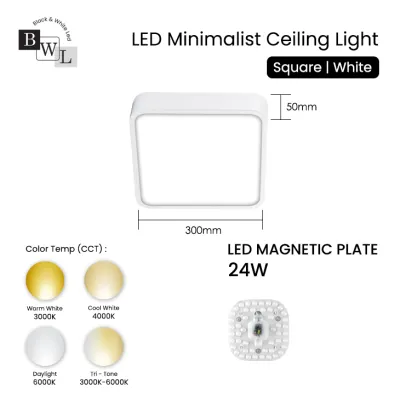
Prices are valid at publication and may change. Please refer to the product page for the latest price.
Minimalist silhouettes are equally critical. Authentic Japandi fixtures eschew ornate metalwork, crystal embellishments, and complex geometric clusters. Instead, they favor clean, understated lines and soft, organic curves. Dome shapes, wide shallow cones, and simple spheres are common profiles. These shapes allow the inherent beauty of the material to take center stage without overwhelming the visual field of the dining room.
The color palette of Japandi lighting remains resolutely earthy and muted. Warm whites, soft greys, sandy beiges, and natural timber tones dominate. Occasional accents of matte black or charcoal grey can be used to provide a modern, grounding contrast, reminiscent of traditional Japanese ink wash paintings. The goal is to select a fixture that blends seamlessly with your dining furniture rather than competing with it for attention.
Functionality must coexist with beauty. While Scandinavian design contributes practical engineering, efficient light distribution, and clean execution, the Japanese influence adds warmth, texture, and a sense of quiet contemplation. A well-chosen light balances these forces, ensuring the fixture is as pleasant to look at when switched off during the day as it is when illuminating your evening meals.
Essential Specifications for Singapore Homes
Before purchasing any ceiling light, you must verify how its physical dimensions and technical specifications align with your specific home layout. Singaporean residential properties present unique spatial conditions that directly influence lighting design.

Ceiling height is the first critical constraint. Standard HDB flats typically feature a floor-to-ceiling height of approximately 2.6 meters, while condominiums and landed properties may offer higher clearances, sometimes exceeding 3 meters. For a dining room pendant, the general rule of thumb is to suspend the bottom of the fixture between 75 to 90 centimeters above the tabletop. In a standard HDB flat, this leaves a relatively short suspension cord. Therefore, always choose fixtures with highly adjustable drop lengths or cord-shortening mechanisms to avoid creating an obstructive physical barrier or a head hazard.
Voltage compatibility is a non-negotiable safety factor. Singapore operates on a standard mains voltage of 230V at a frequency of 50Hz. When sourcing lights online or importing them from overseas, you must verify that the product label explicitly states compatibility with this voltage range. Fixtures designed solely for 110V systems (common in North America) will fail or pose severe electrical hazards if connected directly to Singaporean mains without an appropriate transformer.
Proportional sizing ensures the light complements your dining table rather than overpowering it. To find the ideal fixture diameter, compare it to the width of your dining table. A balanced proportion is to select a light with a diameter that is approximately one-half to two-thirds the width of the table. For example, if your dining table is 90 centimeters wide, a pendant light with a diameter of 45 to 60 centimeters will look visually balanced. For long rectangular tables, consider hanging two smaller matching pendants side-by-side rather than a single massive fixture.
Weight limits and ceiling construction dictate how a fixture must be mounted. Concrete ceilings, standard in most HDB flats, provide excellent structural support and can easily bear heavier fixtures like solid wood or thick ceramic pendants. However, if your dining area features a gypsum board false ceiling (common in condominiums or renovated flats to conceal wiring), the ceiling must be properly reinforced. Heavy fixtures mounted directly to unsupported plasterboard run the risk of collapsing. Always check the weight of the light fixture and consult your contractor to ensure the ceiling structure can safely support the load.
Selecting the Right Bulb and Light Quality
The visual appeal of a Japandi dining space relies heavily on the quality of light emitted by the fixture. The right bulb choice enhances the natural textures of wood and paper while creating a cozy, intimate dining environment.
Color temperature is the most influential factor in setting the mood. For a dining room, aim for a warm white light within the range of 2700K to 3000K. This warm spectrum mimics the gentle glow of candlelight, which helps relax the senses and makes the dining experience feel more ceremonial and comforting. Avoid cool white or daylight bulbs (4000K to 6500K) in the dining area, as they can make natural wood textures look clinical, cold, and uninviting.
The Color Rendering Index (CRI) is a crucial metric that measures how accurately a light source reveals the true colors of objects compared to natural sunlight. For a dining table, select bulbs with a high CRI rating, ideally Ra 90 or above. A high CRI ensures that the colors of your food look vibrant, fresh, and appetizing, which significantly enhances the overall dining experience for your family and guests.
Dimmability adds versatile functionality to your dining space. A dining table often serves multiple purposes throughout the day, from a daytime workspace or homework station to an intimate evening dinner venue. Choosing dimmable LED bulbs and ensuring compatibility with your wall switches allows you to transition seamlessly from bright, functional task lighting during the day to a soft, atmospheric glow at night. If you use smart home systems, verify that the bulb or integrated LED driver is compatible with your specific smart dimmer protocol.
Glare control is essential for eye comfort, especially since dining pendants hang closer to eye level. Look for fixtures that incorporate diffusers—such as frosted glass panels, paper screens, or fabric covers—to soften the light output. If the bulb is directly visible from the side, consider using milk-glass bulbs or choosing a shade design that deeply recesses the light source to prevent harsh, direct glare from straining your eyes during meals.
Sourcing and Verifying Local Availability
Finding high-quality Japandi lighting in Singapore requires a discerning eye and a systematic approach to sourcing. While online marketplaces offer an overwhelming variety of cheap options, purchasing from reputable local showrooms or established design retailers offers significant advantages in terms of quality control and safety.
Visiting local lighting showrooms allows you to inspect the materials firsthand. You can feel the texture of the paper, assess the sturdiness of the wooden joints, and observe how the light actually diffuses through the shade. This physical inspection is particularly important for Japandi style, where the tactile quality of the materials is central to the overall aesthetic.
Electrical safety verification is paramount. In Singapore, certain electrical components, such as LED drivers and luminaires, are regulated under the Consumer Protection (Safety Requirements) Registration Scheme. When purchasing locally, look for products that carry the Enterprise Singapore SAFETY Mark. This mark indicates that the product has been tested and certified to meet stringent local safety standards, reducing the risk of short circuits, electrical fires, or premature component failure.
Before finalizing your purchase, clarify the warranty terms and return policies. Reliable retailers typically offer a warranty of at least one to two years on the electrical components of the fixture. Additionally, inquire about the availability of replacement parts. Because Japandi lights often feature delicate natural materials like paper or woven rattan, knowing you can purchase a replacement shade or a matching LED driver in the future provides long-term peace of mind.
Confirm stock availability and delivery lead times early in your renovation planning. Many high-end or artisan Japandi fixtures are imported from Japan, Scandinavia, or other design hubs, which can result in lead times of several weeks or even months. If your renovation timeline is tight, sourcing from local distributors who maintain ready stock in Singapore is essential to avoid delaying your move-in date.
Installation and Safety Boundaries
Proper installation is the final step in bringing your Japandi dining light to life. Because ceiling light installation involves working with live electrical currents and structural mounting, safety must always be your top priority.
In Singapore, any work involving fixed electrical wiring, installing new junction boxes, or modifying the electrical circuit must be performed by an Energy Market Authority (EMA) licensed electrician. Attempting to wire a ceiling light yourself without proper licensing is not only illegal but also poses severe risks of electrocution and electrical fires. A professional electrician will ensure the connections are secure, properly grounded, and compliant with local wiring regulations.
Before the installation begins, perform essential preparatory checks. Ensure the main power supply at the distribution board (DB box) is switched off for the specific lighting circuit. Verify that the existing ceiling hook or mounting bracket is securely anchored to the structural ceiling. If you are replacing an old, lightweight fixture with a heavier ceramic or solid wood Japandi pendant, the electrician must verify that the mounting hardware can support the additional weight.
Handle fragile natural materials with extreme care during the unboxing and installation process. Woven paper shades, delicate rattan weaves, and thin timber veneers can easily tear, dent, or crack under pressure. Keep the protective packaging on the shade until the electrical wiring is complete and the fixture is ready to be hung. When handling matte ceramic or paper shades, wear clean cotton gloves to prevent transferring natural skin oils or dirt to the textured surfaces.
Once the light is safely mounted, conduct a thorough post-installation test. Check that the fixture hangs perfectly level and adjust the cord length if necessary. Test the dimming function to ensure there is no visible flickering or buzzing, which can indicate an incompatible bulb and dimmer combination. Establish a gentle cleaning routine using a dry, soft-bristled brush or a static duster to keep the textured surfaces free of dust without using water or harsh chemical cleaners.
Frequently Asked Questions (FAQ)
How do I clean and maintain rattan or paper Japandi shades?
To clean delicate natural materials like rattan or paper, always refer to the manufacturer care label first. Use a dry, soft-bristled brush, a microfiber cloth, or a static duster to gently remove surface dust. Avoid using water, damp cloths, or liquid cleaning agents, as moisture can warp paper shades, weaken rattan fibers, and encourage mold growth in Singapore’s humid climate. If the shade accumulates stubborn dirt, a gentle blast of compressed air from a distance can help dislodge particles without physical contact.
Can I use a Japandi pendant light over a kitchen island instead of a dining table?
Yes, Japandi pendant lights can transition beautifully to a kitchen island, provided you adjust the drop height and consider the environment. Ensure the bottom of the fixture hangs slightly higher—about 85 to 95 centimeters above the island counter—to maintain clear sightlines and accommodate food preparation tasks. Additionally, be mindful of moisture, steam, and airborne grease in open-concept kitchens. Delicate paper or fabric shades are highly susceptible to staining and odor absorption, so opt for more durable, wipeable materials like matte ceramics, treated wood, or metal with a matte finish for island installations.

Community discussion
Share your experience or ask a question. Comments are reviewed before publication.