
A Japandi-style modern chandelier light is defined by its fusion of Japanese rustic minimalism (wabi-sabi) and Scandinavian functional warmth (hygge). It features natural, tactile materials like light wood, bamboo, rattan, washi paper, and linen, paired with clean, geometric silhouettes and a muted, earthy color palette. Unlike traditional ornate fixtures, these chandeliers focus on soft, diffused illumination and understated structural balance, acting as a serene focal point rather than a flashy centerpiece.
In modern interior design, lighting establishes the emotional tone of a space. The Japandi aesthetic has gained immense popularity because it offers an antidote to chaotic urban living, bringing a sense of calm, order, and organic beauty indoors. Selecting the right modern chandelier light requires looking past generic product labels and understanding the specific design elements that create this harmonious style. Evaluating these core design characteristics will ensure your lighting choice aligns perfectly with the principles of Japandi design.
Understanding the Japandi Aesthetic in Modern Chandeliers
The Japandi aesthetic is a thoughtful synthesis of two distinct yet deeply compatible design philosophies. From Japanese design, it inherits the concept of wabi-sabi, which finds beauty in imperfection, simplicity, and organic textures. From Scandinavian design, it adopts the concept of hygge, which emphasizes comfort, warmth, and creating a cozy, welcoming sanctuary. When these two worlds meet in a modern chandelier light, the result is a fixture that feels both highly refined and deeply connected to nature.
Products mentioned in this guide
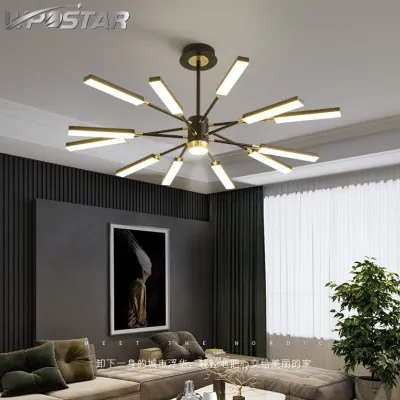
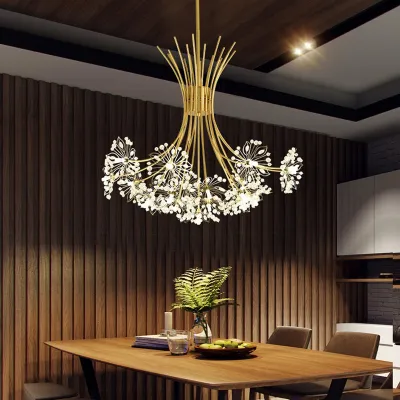
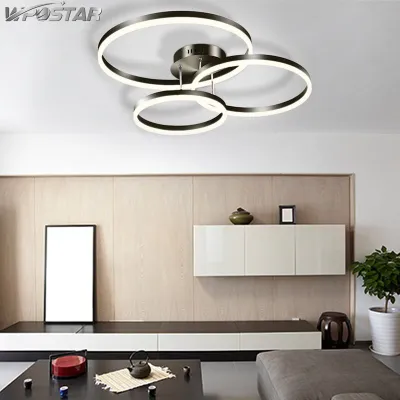
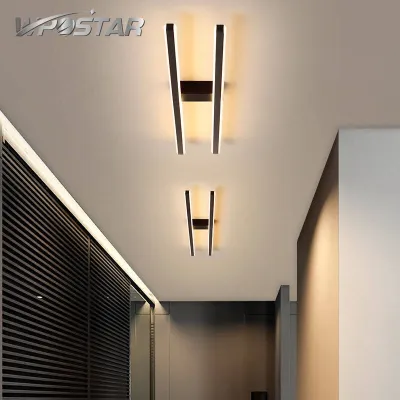
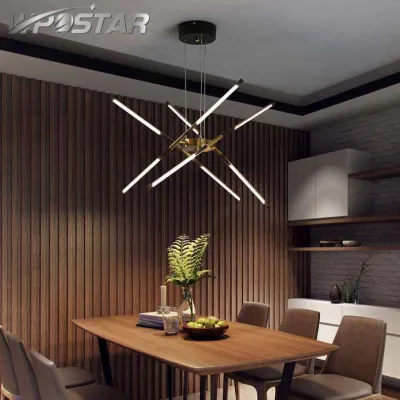
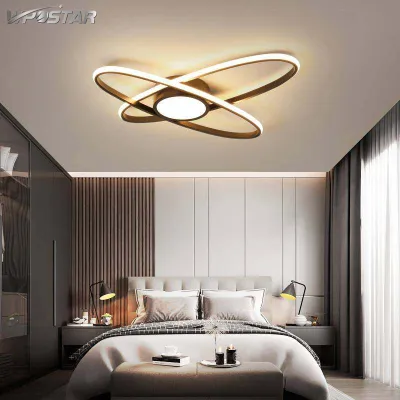
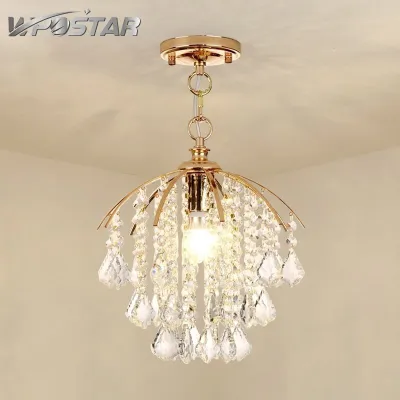
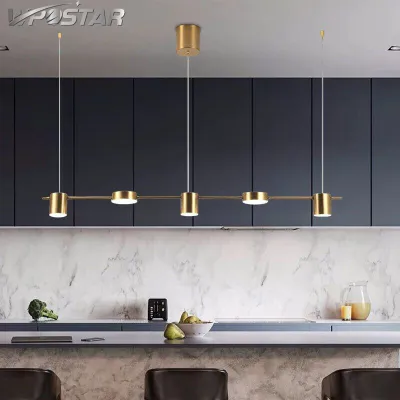
Prices are valid at publication and may change. Please refer to the product page for the latest price.
This fusion successfully avoids the stark, cold minimalism often associated with ultra-modern or industrial styles. Instead of sharp metal edges and clinical white light, a Japandi chandelier introduces soft textures, organic curves, and gentle illumination. The design philosophy prioritizes intentionality, meaning every element of the fixture—from the curve of its frame to the texture of its shade—serves a clear aesthetic and functional purpose.
In a Japandi-inspired space, the chandelier acts as a subtle focal point. It is designed to harmonize with the surrounding furniture, textiles, and wall finishes, anchoring the room’s layout without overwhelming the visual field.
Signature Materials for Japandi Chandelier Lights
The authenticity of a Japandi modern chandelier light relies heavily on the materials used in its construction. This aesthetic rejects highly processed, synthetic materials in favor of raw, unpolished, or lightly treated organic elements. These materials retain their natural textures, grain patterns, and subtle imperfections, which contribute to the tactile warmth of the overall space.

Material choices also dictate the visual weight of the chandelier. Lightweight materials like paper, fabric, and thin wood veneers allow designers to create large, impactful fixtures that still feel airy and unobtrusive. When evaluating potential fixtures, it is important to read product descriptions carefully to distinguish genuine natural materials from synthetic imitations, such as plastic printed with wood grain, which lack the depth and light-filtering qualities of the real materials.
Wood, Bamboo, and Rattan
Light wood tones, such as ash, white oak, beech, and maple, are foundational to the Japandi palette. These woods are typically left unvarnished or treated with matte, clear protective coatings to preserve their natural grain and pale coloration. When integrated into a modern chandelier light, solid wood elements provide a sturdy yet warm structural frame that grounds the design.
Woven materials like bamboo and rattan introduce a beautiful, breathable quality to the fixture. Chandelier shades crafted from woven rattan or split bamboo allow light to escape through the gaps in the weave, casting soft, textured shadows across the walls and ceiling. When selecting these fixtures, inspect the craftsmanship to ensure the woven fibers are smooth, secure, and free from splitting, which ensures long-term durability and a clean appearance.
Paper, Linen, and Matte Ceramics
Soft, diffusing materials are essential for shaping the quality of light in a Japandi home. Washi-style paper shades, inspired by traditional Japanese lanterns, scatter light evenly in all directions, eliminating harsh glare and creating a soft, ambient glow. Similarly, natural linen shades in off-white, beige, or oatmeal tones add a rich, woven texture that softens the structural lines of the chandelier.
Matte ceramics and unglazed clay are increasingly used in modern Japandi lighting as structural joints, ceiling roses, or decorative accents. These materials offer a grounding, earthy contrast to the lighter paper and fabric elements. Because paper and fabric are sensitive to heat, always verify the manufacturer’s safety ratings and ensure the fixture is designed with adequate clearance between the light source and the shade.
Forms, Silhouettes, and Structural Design
The structural design of a Japandi modern chandelier light is characterized by geometric simplicity and organic balance. Designers often utilize clean spheres, gentle arches, tiered horizontal lines, and asymmetrical branches that mimic the natural growth patterns of trees. These shapes are designed to evoke a sense of calm and order, avoiding unnecessary ornamentation or complex geometric patterns.
A key consideration in Japandi design is maintaining a low-profile or visually lightweight structure. Even large-scale chandeliers are designed with thin frames, slender suspension cords, and semi-translucent shades to ensure they do not crowd the room’s volume. This lightweight quality is particularly beneficial in modern apartments, where maintaining an open, airy feel is essential.
This structural restraint contrasts sharply with other popular lighting styles. While industrial fixtures rely on heavy, dark iron pipes and angular cages, and traditional fixtures feature intricate scrollwork and hanging crystals, Japandi forms remain clean and uncomplicated. The beauty of the fixture lies in its proportions, the flow of its lines, and the way it interacts with the surrounding space.
Finishes, Color Palettes, and Light Quality
The color palette of a Japandi chandelier is quiet, restrained, and deeply connected to the natural world. Expect to see warm whites, soft greys, muted sand tones, pale ochres, and natural wood finishes. If metallic elements are used, they are typically finished in matte black, oil-rubbed bronze, or soft, brushed brass rather than high-gloss chrome or polished gold, which can disrupt the serene atmosphere.
The quality of light emitted by the chandelier is just as important as its physical appearance. To complement the natural materials and warm color palette, choose light bulbs with a warm color temperature, ideally between 2700K and 3000K. This warm illumination enhances the natural grain of wood, brings out the texture of linen, and creates a relaxing, cozy ambiance suitable for living rooms and dining areas.
Additionally, consider the dimming capabilities of the fixture. A dimmable modern chandelier light allows you to adjust the light levels to match different times of day and activities, transitioning seamlessly from bright, functional daytime lighting to a soft, intimate evening glow. Ensure that your chosen bulbs and wall switches are fully compatible with the fixture’s dimming specifications to avoid flickering.
Practical Specifications and Installation Checks
When selecting a modern chandelier light, practical technical specifications must be verified to ensure a safe installation. Check the electrical compatibility of the fixture, including the voltage requirements, bulb base types (such as E27 or GU10), and maximum wattage limits. In Singapore, residential electrical systems operate at 230V, so ensure the fixture is rated for this voltage and carries recognized safety certifications.
Proportion and clearance are critical when installing a hanging fixture. Measure your ceiling height and compare it to the chandelier’s dimensions and adjustable suspension length. For standard ceilings, which are often around 2.6 to 2.8 meters high in many Singapore apartments, ensure the bottom of the chandelier hangs at least 2.1 meters above the floor to allow safe passage, or approximately 75 to 90 centimeters above a dining table surface.
Safety must always be the top priority during installation. For any fixed wiring, heavy suspended loads, or installations in damp environments like kitchens, always isolate the power supply at the main distribution board before beginning work. Because hanging a heavy chandelier requires secure structural anchoring and precise electrical connections, it is highly recommended to hire a qualified, licensed electrician to complete the installation safely and in accordance with local building regulations.
Frequently Asked Questions (FAQ)
Can I use a Japandi chandelier in a room with low ceilings?
Yes, you can successfully integrate Japandi lighting into rooms with limited vertical clearance. Look for semi-flush mount designs that sit close to the ceiling while still utilizing natural materials like wood, paper, or linen. Alternatively, choose horizontally oriented fixtures or flat, woven disc-shaped chandeliers that provide visual impact without extending too far downward into the living space.
How do I clean and maintain natural wood or rattan chandeliers?
Natural materials require gentle care to preserve their appearance and structural integrity. Regularly dust the fixture using a soft, dry microfiber cloth or a feather duster to prevent dust buildup in woven crevices. Avoid using harsh chemical cleaners, liquid sprays, or excessive moisture, which can warp wood, weaken rattan fibers, or stain paper and fabric shades; always refer to the manufacturer’s specific care instructions for best results.

Community discussion
Share your experience or ask a question. Comments are reviewed before publication.