
Selecting a joss paper burner bin requires a careful balance of material durability, capacity, and safety features. In densely populated urban environments like Singapore, where high-rise apartments and shared living spaces are the norm, your choice of burner directly impacts both your safety and your relationship with your neighbors. A well-designed burner bin ensures efficient, complete combustion, which minimizes smoke and prevents hazardous embers from escaping into the air. By understanding what to look for before making a purchase, you can find a bin that respects local housing guidelines, withstands high temperatures, and lasts for years.
When evaluating your options, you must look beyond basic aesthetics and focus on structural integrity. The ideal burner bin must handle extreme thermal stress without warping, resist rust in humid tropical climates, and incorporate safety mechanisms that contain ash and sparks. Whether you are purchasing a compact unit for a shared corridor or a heavy-duty model for a landed property courtyard, matching the bin’s specifications to your specific living environment is essential. This comprehensive guide breaks down the critical factors—from metallurgy and sizing to airflow dynamics and maintenance—to help you select the right burner bin for your household.
Understanding Material Options and Durability
The material of your joss paper burner bin determines how well it handles extreme heat and outdoor weather. High-temperature combustion causes rapid thermal expansion and contraction, which can quickly degrade low-quality metals. The three most common materials used for these bins are stainless steel, galvanized steel, and heavy-duty cast iron, each offering distinct advantages and trade-offs.
Products mentioned in this guide
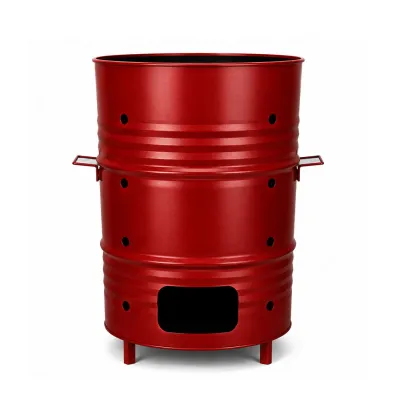
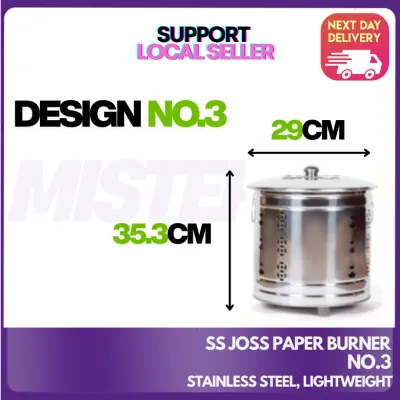
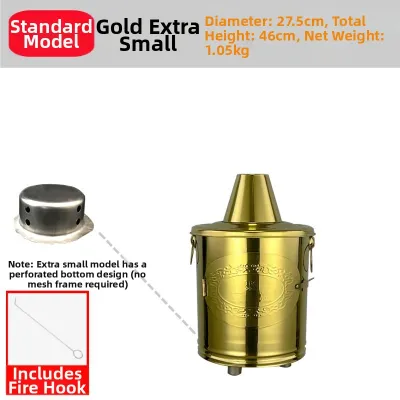
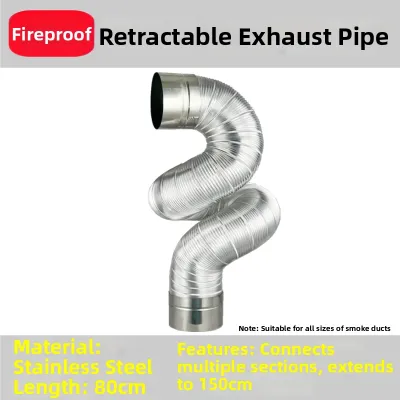
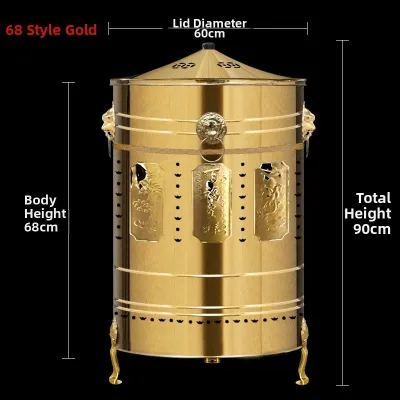
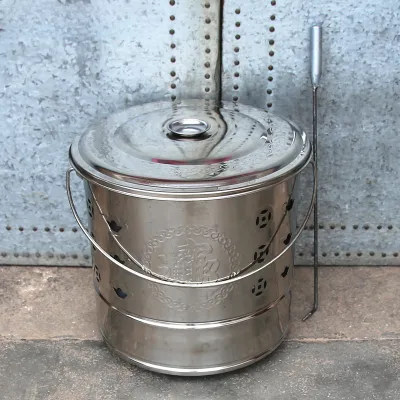
Prices are valid at publication and may change. Please refer to the product page for the latest price.
Stainless steel is the premier choice for residential burner bins, particularly in humid climates. It contains chromium, which forms a passive layer of chromium oxide on the surface, protecting the underlying metal from rust and atmospheric corrosion. High-grade stainless steel offers superior resistance to both oxidation and high-temperature scaling. These bins are lightweight, highly durable, and maintain their structural integrity over hundreds of burning cycles, making them an excellent long-term investment.
Galvanized steel is a budget-friendly alternative, featuring a steel base coated with a protective layer of zinc. While galvanized steel provides decent initial rust protection, the extreme heat generated during combustion can gradually burn off the zinc coating, especially on the interior walls. Once this protective layer degrades, the exposed steel becomes highly susceptible to rust when exposed to rain or humidity. If you choose a galvanized steel bin, store it in a dry, sheltered area when not in use to prolong its lifespan.
Heavy-duty cast iron is exceptionally robust and can withstand incredibly high temperatures without warping or cracking. Its thick walls retain heat efficiently, promoting a steady and complete burn. However, cast iron is extremely heavy, making it difficult to move, and it is highly prone to surface rust if exposed to moisture. Cast iron bins are best suited for permanent outdoor installations on landed properties where they do not need to be moved frequently.
Regardless of the material, inspect the bin for signs of poor craftsmanship before purchasing. Thin-gauge metal sheets are highly susceptible to warping under intense heat, which can prevent the lid from fitting securely and compromise safety. Examine the joints and seams; continuous, clean welds are far more durable than weak spot welds, which can crack under thermal stress. Always check the manufacturer’s specifications for maximum temperature tolerances and protective, heat-resistant coatings.
Sizing Your Burner Bin for Space and Volume
Selecting the correct size for your burner bin is not just a matter of convenience; it is a critical safety and operational consideration. The physical footprint of the bin must match the available space in your designated burning area, ensuring you can maintain safe clearances from walls, ceilings, and flammable objects. In shared residential estates, maintaining a clear path of travel is often a regulatory requirement, meaning your bin must not obstruct common walkways or escape routes.

Before purchasing, measure the exact dimensions of the area where you plan to use and store the bin. Ensure there is at least one to two meters of clearance from any combustible materials, overhead shelters, or low-hanging branches. If you live in a high-rise apartment with shared corridors, a compact, narrow bin is essential to ensure you do not block the walkway. For landed properties with open courtyards, you have the flexibility to choose a larger, wider bin that can accommodate higher volumes of paper.
The internal volume of the bin must align with the typical quantity of joss paper you burn during a single session. Overfilling a small bin is a common mistake that leads to poor combustion, excessive smoke, and safety hazards. When paper is packed too tightly inside a bin, oxygen cannot circulate freely, resulting in incomplete burning and a large volume of smoldering, black smoke. A larger internal volume allows you to spread the paper out, promoting rapid and clean combustion.
You must also account for the total height of the bin, including its lid, handle, and any raised feet. A taller bin can help direct smoke upward and away from immediate breathing zones, but it must still fit comfortably within your designated storage alcove or under sheltered areas when not in use. If you plan to store the bin in a utility closet or under a balcony bench, verify that the vertical clearance is sufficient to accommodate the bin without requiring you to tilt or disassemble it.
Essential Safety and Airflow Features
Safety should be your top priority when selecting a joss paper burner bin, as open combustion always carries inherent risks of fire and smoke inhalation. A well-designed bin incorporates specific engineering features to control the fire, contain flying ash, and minimize the impact on your surrounding environment. The most critical safety feature to look for is a secure, heat-resistant lid or a fine mesh cover.
During combustion, rising hot air creates strong updrafts that can carry lightweight paper ash and glowing embers out of the bin. In dry or windy conditions, these flying embers can easily land on nearby flammable materials, balconies, or dry foliage, posing a serious fire hazard. A fine wire mesh cover or a perforated lid acts as a spark arrestor, allowing smoke to escape while trapping embers and ash inside the bin. Ensure the lid fits snugly and has a secure latching mechanism so it cannot be easily blown off by sudden gusts of wind.
To protect your flooring and prevent accidental burns, look for bins equipped with raised feet, bottom heat shields, or insulated handles. The bottom of a burner bin can reach extremely high temperatures, which can crack outdoor tiles, discolor concrete, or damage synthetic decking. Raised feet elevate the hot combustion chamber off the ground, creating an insulating air gap that protects the surface below. Insulated handles, often wrapped in heat-resistant silicone or wood, allow you to safely move or adjust the bin even when it is warm.
Proper airflow is essential for clean combustion and smoke reduction. Look for bins with strategically placed ventilation holes or adjustable air vents near the bottom. These vents draw cool, oxygen-rich air into the base of the fire, creating a chimney effect that pushes smoke and hot gases upward through the top. This continuous airflow ensures that the joss paper burns quickly and completely, significantly reducing the volume of thick, irritating smoke produced during the process.
Finally, always cross-check the safety features of your chosen bin with local housing management rules and fire safety guidelines. Different residential estates and municipal councils may have specific regulations regarding the design, size, and usage of burner bins in shared or private spaces. Choosing a bin that complies with these local standards not only ensures your safety but also helps maintain harmonious relations within your community.
Evaluating Usability and Maintenance
A burner bin that is difficult to clean or move will quickly become a chore to use, leading to neglect and accelerated wear. Evaluating the usability and maintenance requirements of a bin before purchasing ensures long-term convenience and helps preserve the bin’s structural integrity. One of the most important usability features to look for is an efficient ash disposal system.
After combustion is complete, a significant amount of fine ash and residue remains at the bottom of the bin. Manually tipping over a heavy, soot-covered metal bin to empty the ash is physically demanding and almost always results in a messy cloud of airborne dust. To avoid this, look for bins equipped with removable ash trays, slide-out drawers, or easy-access side doors. These features allow you to collect and dispose of the ash cleanly and effortlessly without having to lift or tilt the entire unit.
Mobility is another crucial factor, especially for larger or heavier bins made of cast iron or thick-gauge steel. If you need to transport your bin from an indoor storage area to an outdoor burning spot, look for models equipped with sturdy, heat-resistant wheels or ergonomic side handles. Locking wheels are particularly useful, as they allow you to roll the bin easily across flat surfaces and lock it securely in place during use to prevent accidental rolling or tipping.
The exterior finish of the bin plays a significant role in how easily it can be maintained. Soot, ash, and weather exposure will inevitably stain the bin over time, but a smooth, polished stainless steel surface or a high-quality powder-coated finish is much easier to wipe down than rough, untreated metal. Regularly wiping the exterior with a damp cloth helps prevent the buildup of corrosive residues that can degrade the metal over time.
Before purchasing, review the manufacturer’s cleaning and maintenance instructions to understand what care is required. Some protective coatings can be damaged by harsh chemical cleaners or abrasive scrubbing pads, so it is important to use only approved cleaning methods. Regular maintenance, such as checking for loose screws, inspecting welds, and clearing blocked air vents, will keep your burner bin operating safely and efficiently for many years.
Building Your Pre-Purchase Checklist
To ensure you select the perfect joss paper burner bin for your needs and avoid buyer’s remorse, it is helpful to run through a structured pre-purchase checklist. This systematic approach allows you to verify all critical factors—from spatial constraints to safety compliance—before finalizing your purchase.
First, confirm the exact location where you plan to use and store the bin. Measure the available space to ensure you can maintain the required safety clearances from walls, ceilings, and flammable objects. If you live in a managed residential estate, verify that your chosen location complies with all local housing guidelines and fire safety regulations regarding open burning.
Second, match the bin’s material and size to your household’s burning frequency and volume. If you burn joss paper frequently or in large quantities, invest in a durable, high-grade stainless steel or cast iron bin with a generous internal volume. For occasional, low-volume use, a smaller, more compact galvanized steel bin may be sufficient, provided you have a dry place to store it.
Third, verify that all essential safety mechanisms are present and functional. Ensure the bin includes a secure, fine mesh cover or perforated lid to contain embers, raised feet or a heat shield to protect your flooring, and well-designed airflow vents to promote clean combustion. If purchasing in person, inspect the welds and metal thickness to ensure high-quality craftsmanship.
Finally, read the manufacturer’s care instructions and warranty conditions. Understand the proper cooling procedures—such as allowing the bin to cool naturally rather than dousing it with water, which can cause thermal shock and warp the metal. By verifying these details before you buy, you can ensure a safe, compliant, and satisfying purchase.
Frequently Asked Questions (FAQ)
Can I use a joss paper burner bin indoors or on a private balcony?
Using a joss paper burner bin indoors is extremely dangerous and should never be attempted. Open combustion in enclosed spaces poses severe risks of fire, smoke inhalation, and lethal carbon monoxide buildup. Even on private balconies, burning joss paper is highly restricted by most building managements and fire safety authorities due to the risk of drifting embers igniting nearby units or outdoor furniture. Always consult your specific building management, condominium MCST, or local environmental guidelines before attempting to use a burner bin in any semi-enclosed space.
How do I safely dispose of the ash after burning?
Safe ash disposal is crucial to prevent accidental fires and minimize environmental mess. Always allow the burner bin and the ash inside to cool down completely before attempting any cleanup; this process can take several hours, and dousing the hot ash with water should be avoided as it can damage the bin’s metal. Once completely cold, use a small shovel or the bin’s removable ash tray to transfer the residue into a heavy-duty, non-combustible bag. Seal the bag tightly to prevent the wind from dispersing the fine particles, and dispose of it in accordance with your local municipal waste guidelines.
Are there specific days or times when using the bin is restricted?
While burning practices are common during traditional cultural festivals, local authorities and housing estates may impose temporary restrictions or curfews to manage air quality and community comfort. During periods of severe dry weather or high pollution, open burning may be restricted to minimize fire hazards and smog. It is highly recommended to check notices from your local environmental agency or housing estate management for any time-specific guidelines. Additionally, practicing community consideration by avoiding late-night burning helps minimize smoke disturbance to your neighbors.
Community discussion
Share your experience or ask a question. Comments are reviewed before publication.