
Selecting the ideal mini alarm clock requires balancing a compact physical footprint with reliable power delivery, clear display readability, and an effective waking mechanism. While a smaller clock saves valuable space on a crowded nightstand or fits easily into a travel bag, it must still perform its primary function without fail. By evaluating key specifications such as power backups, adjustable brightness levels, and tactile button layouts, you can find a dependable timepiece that integrates seamlessly into your daily routine and sleep environment.
Determine the Right Size and Portability for Your Space
When space is at a premium, particularly on compact bedside tables or floating shelves common in modern apartments, the physical dimensions of your clock become a primary consideration. Manufacturers define “mini” in various ways, with some models measuring under five centimeters while others occupy a slightly larger footprint. Before purchasing, measure your available surface space to ensure the clock will not interfere with other bedside essentials like lamps, glasses, or phone chargers.
Stability is another critical factor for lightweight timepieces. A mini clock can easily slide or tip over when you reach to turn off an alarm in the dark. Look for models equipped with non-slip silicone or rubberized feet on the base, or those designed with a low center of gravity. If you plan to use the clock for travel, prioritize robust casing materials such as high-impact plastic or aluminum, and consider designs featuring integrated protective flip covers that shield the screen and buttons inside your luggage.
Products mentioned in this guide
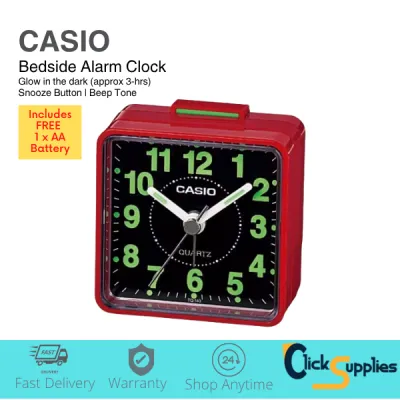
![[Powermatic] CASIO TQ-140-1B MINI TRAVELLERS BEEPER SOUND ALARM TABLE CLOCK](https://img.lazcdn.com/g/p/127da21fd62f01c85f6d095258e86296.jpg_400x400q80.jpg_.webp)
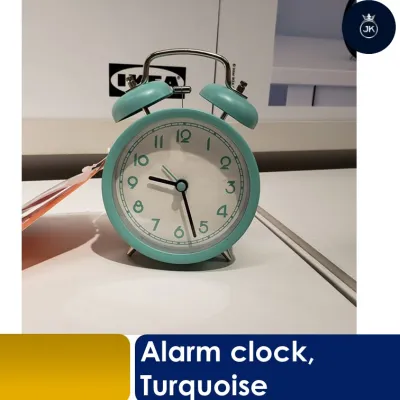
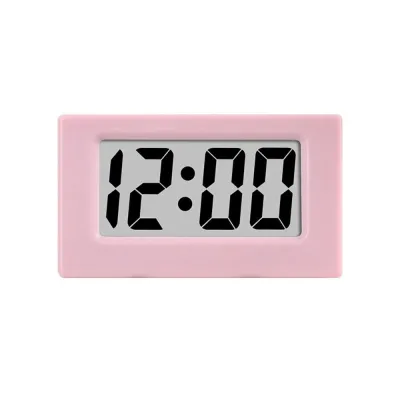
![[jusumall]Alarm Clock Digital Travel for Bedroom Boy GirlSmall Desk Bedside ClocksDisplay Time/Date LED Night Light with Snooze](https://img.lazcdn.com/g/p/05ca87db3312e31618a504d1dd14bef5.jpg_400x400q80.jpg_.webp)
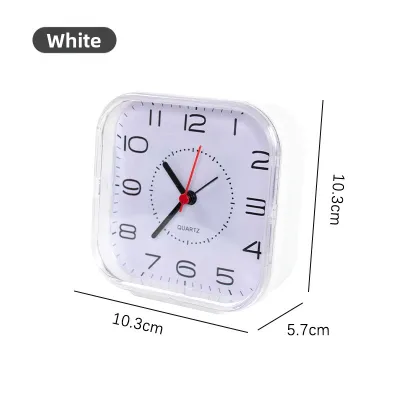
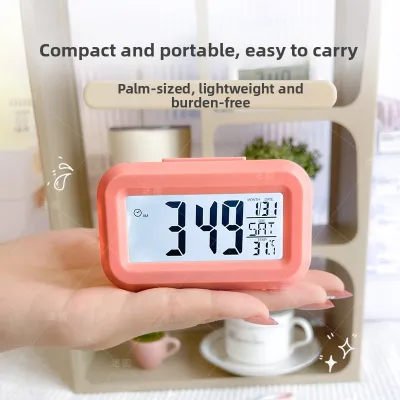
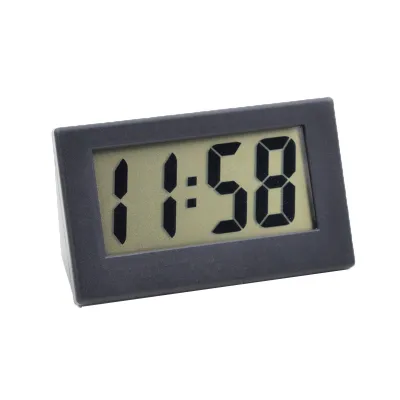
Prices are valid at publication and may change. Please refer to the product page for the latest price.
Choose a Reliable Power Source for Uninterrupted Use
A dependable power source ensures your alarm functions precisely when needed, preventing missed appointments or delayed mornings. Standard replaceable alkaline batteries offer excellent portability and eliminate cord clutter, making them ideal for travel or minimalist setups. Alternatively, built-in rechargeable lithium-ion batteries charged via USB provide a modern, eco-friendly option, though you must monitor their charge levels to avoid unexpected shutdowns.

For plug-in models that connect directly to a wall outlet or USB adapter, verifying the presence of a memory backup is essential. A small, secondary button-cell battery keeps the internal clock running during power outages or when moving the device between outlets, saving you from manually resetting the time and alarm. Additionally, check how power-saving modes operate; some battery-powered models turn off the display entirely until activated by sound or touch, which can be inconvenient if you prefer to glance at the time in the middle of the night.
Select a Display That Is Readable Without Disrupting Sleep
The type of display you choose directly impacts both daytime readability and nighttime sleep quality. High-brightness LED screens offer excellent visibility in well-lit rooms but can emit a harsh glow that disrupts your sleep cycle in a dark bedroom. In contrast, passive LCD screens are much softer on the eyes at night, though they typically require a manual backlight button to be readable in total darkness.
To maintain a dark sleeping environment, look for clocks that feature adjustable brightness settings. Premium mini clocks often include multi-level manual dimming, auto-dimming sensors that adapt to ambient light, or a complete display shut-off option that only illuminates when tapped. Ensure the digits are large enough and have sufficient contrast to be read clearly from your bed without needing to put on corrective lenses or strain your eyes.
Evaluate Alarm Volume and Sound Options for Effective Waking
An alarm clock is only useful if it successfully wakes you. Because individual sensitivity to sound varies, look for a clock that offers adjustable volume controls rather than a single, fixed decibel level. For heavy sleepers, a progressive or crescendo alarm that gradually increases in volume provides a reliable wake-up call without causing an abrupt, jarring start to the day.
The variety of alarm tones is also worth checking. While classic high-pitched beeps are highly effective at cutting through deep sleep, some users prefer gentler options like nature sounds or soft melodies. Pay close attention to the physical design of the snooze button; it should be large, easily accessible, and provide distinct tactile feedback so you can locate it effortlessly in the dark. Additionally, verify whether the default snooze duration is fixed or customizable to suit your morning habits.
Filter Extra Features to Avoid Unnecessary Costs
While modern mini alarm clocks often come packed with secondary features, it is wise to filter out unnecessary add-ons that inflate the price without improving core performance. Practical additions like dual alarm settings are highly beneficial for couples with different schedules, and built-in thermometers can help you monitor bedroom comfort. USB pass-through charging ports are also convenient if wall outlets near your bed are limited.
However, complex integrations such as smart assistant connectivity, built-in Bluetooth speakers, or multi-colored projection lights can introduce unnecessary failure points and complicate daily operation. A highly complex interface often makes basic tasks, like setting the alarm time, frustratingly difficult. Focus on high-quality construction and intuitive controls rather than a long list of secondary specifications that you may never use.
Frequently Asked Questions (FAQ)
Do mini alarm clocks emit blue light that disrupts sleep?
Many digital mini alarm clocks with blue or bright white LED displays emit short-wavelength blue light, which can suppress melatonin production and interfere with your natural sleep cycle. To prevent this, look for clocks featuring warm-colored displays, such as amber, red, or soft orange, which are much gentler on the eyes. Alternatively, select a model with an ultra-low dimming range or a display-off feature that keeps the screen completely dark until you physically touch the device.
How do I know if a mini alarm clock is loud enough for a heavy sleeper?
To ensure a mini alarm clock is effective for a heavy sleeper, check the manufacturer’s specifications for adjustable volume levels or a high maximum decibel rating. Look for models that feature a crescendo alarm, which steadily increases in volume, or those that offer physical vibration attachments. Reading user feedback on online marketplaces can also provide valuable real-world insights into how loud and piercing the alarm tone is in practice.
Community discussion
Share your experience or ask a question. Comments are reviewed before publication.