
Choosing the right kumkum holder for your home altar involves balancing cultural tradition, aesthetic preferences, and practical maintenance. While brass and copper offer a classic, auspicious look that complements traditional oil lamps, silver provides an elegant, premium option often reserved for special occasions. For those seeking a modern, low-maintenance alternative that withstands daily washing without tarnishing, stainless steel has become increasingly popular. The ideal material ultimately depends on how much time you can dedicate to polishing and whether you prioritize historical authenticity or modern convenience.
Setting Your Priorities: Tradition, Durability, and Budget
In a Hindu household, the prayer altar or puja room serves as a sacred sanctuary, where every ritual item carries symbolic meaning. The kumkum holder, often called a kumkum chimili, is a central vessel on the altar, holding the sacred red vermilion powder used during daily prayers and festivals. Because this vessel is handled frequently and sits prominently alongside oil lamps and incense holders, its material affects both the visual harmony of the altar and the practical flow of your daily rituals.
When selecting a holder, three primary factors should guide your decision: traditional significance, long-term durability, and your budget. Traditional metals like brass, copper, and silver are deeply rooted in scriptural customs and are believed to harmonize spiritual energy within the home. However, these metals require consistent upkeep to prevent oxidation, especially in humid tropical climates where moisture accelerates tarnishing. If your daily schedule leaves little room for polishing, modern alloys like stainless steel offer a highly durable, rust-resistant alternative that keeps its clean appearance with minimal effort.
Products mentioned in this guide
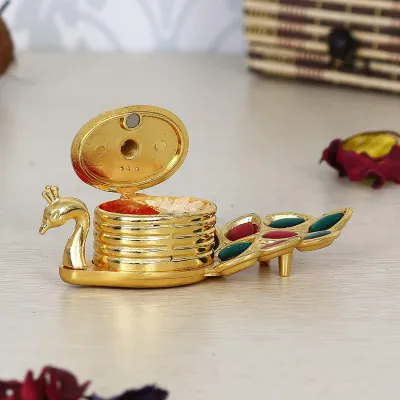
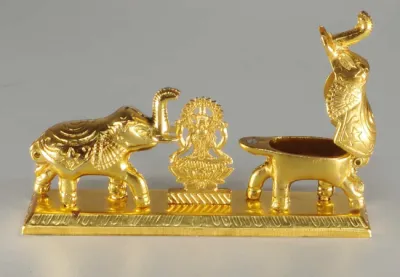
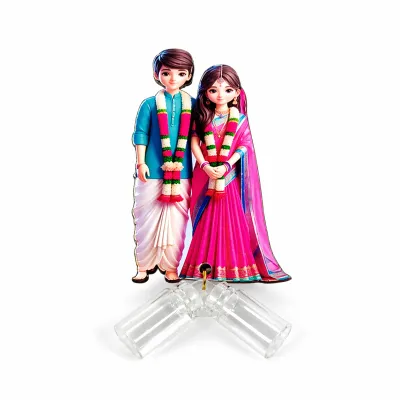
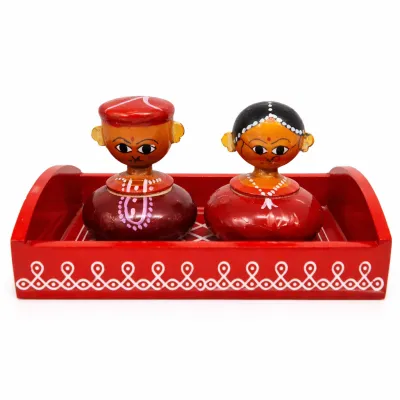
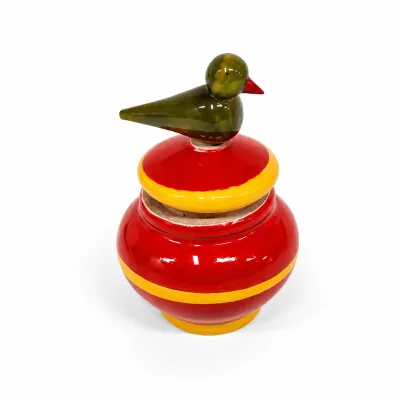
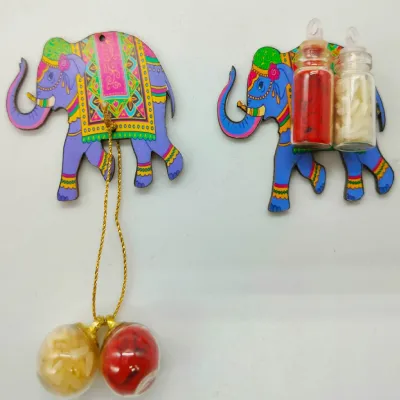
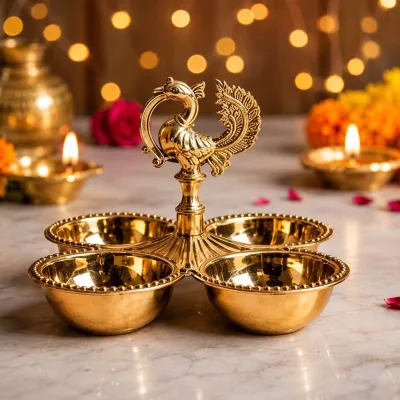
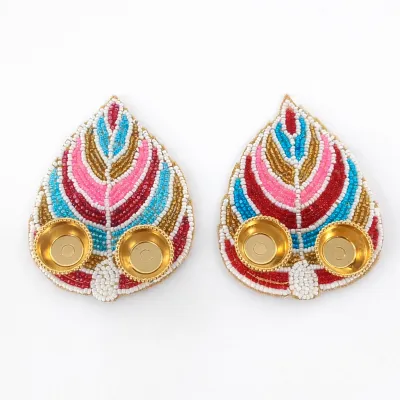
Prices are valid at publication and may change. Please refer to the product page for the latest price.
A practical decision framework can help narrow down your choices before you shop. If cultural authenticity and a classic golden aesthetic are your top priorities, brass is the standard choice that fits most budgets. For those who view altar items as long-term family heirlooms and have a higher budget, sterling silver offers unmatched elegance and traditional value. If you prioritize ease of cleaning and want a holder that can be washed daily alongside steel kitchenware, stainless steel is the most practical option.
Brass and Copper: Traditional Favorites and Patina Management
Brass and copper have been the cornerstones of Hindu ritual vessels for centuries, valued for their warm tones and traditional associations. On a home altar, these metals create a cohesive, warm aesthetic when paired with traditional brass oil lamps (diyas) and incense stands. Their presence evokes a sense of continuity and sacredness, connecting modern households with age-old temple traditions.

However, both brass and copper are highly reactive to their environment. When exposed to air, moisture, and the oils from your fingers, they undergo a natural chemical reaction called oxidation. This process creates a dark layer of tarnish or a greenish patina on the surface, which is a natural protective barrier formed by the metal. While some appreciate this aged look as a sign of a well-used altar, many prefer a bright, polished finish for daily worship, requiring regular cleaning to remove the oxide layer.
To preserve the structural integrity of these traditional metals, gentle handling is essential. Because copper and brass are relatively soft compared to modern steel, they can easily dent or scratch if dropped or scrubbed with abrasive materials. When handling these vessels, it is best to use dry hands and avoid leaving water droplets on the surface after washing, as standing water can cause localized spotting and accelerate corrosion.
Brass: The Standard for Daily Puja
Brass, an alloy of copper and zinc, is widely considered the standard material for daily puja utensils due to its excellent balance of affordability, substantial weight, and traditional appeal. It offers a bright, gold-like luster that elevates the visual appeal of any prayer space without the high cost associated with precious metals. A well-crafted brass kumkum holder feels solid in the hand, providing stability on the altar so it does not easily tip over when you dip your finger into the powder.
To maintain this golden brilliance, brass requires consistent maintenance. Over time, exposure to humidity and the fine particles of kumkum powder can cause dark spots or a dull film to develop on the surface. Regular polishing with mild, specialized metal cleaners or traditional mixtures is necessary to restore its shine. If left unpolished for months, the tarnish can become deeply embedded, requiring more intensive scrubbing that can gradually wear down intricate engraved details.
Before purchasing a brass kumkum holder, it is important to check whether the item has a factory-applied lacquer coating. Many modern brass decor items are coated with a thin layer of clear lacquer to prevent tarnishing and eliminate the need for regular polishing. While this is convenient for decorative pieces, lacquered brass should not be washed with hot water or scrubbed with abrasive sponges, as this can crack the protective layer, leading to uneven, patchy tarnishing that is difficult to fix.
Copper: Auspiciousness and High Maintenance
Copper holds a unique and highly revered status in Hindu rituals, often associated with purity and auspicious energy. In traditional practices, copper vessels are highly favored for holding holy water and offering prayers, and this reverence extends to copper kumkum holders. The warm, reddish-orange hue of copper adds a distinct, rustic beauty to the altar, standing out beautifully against the red of the kumkum and the yellow of turmeric.
Despite its spiritual appeal, copper is one of the most high-maintenance metals you can choose for your altar. It oxidizes much faster than brass, especially when exposed to the humid air of tropical climates or the moisture from daily ritual washings. A polished copper holder can begin to show signs of dullness and dark tarnish within just a few days, meaning it requires frequent cleaning—often weekly—to maintain its original warm glow.
Because copper is a relatively soft metal, it is highly susceptible to scratching. Using harsh abrasive pads, steel wool, or coarse scrubbing powders can leave permanent swirl marks and fine scratches on the surface, dulling its natural luster over time. When cleaning copper, always use soft microfiber cloths and gentle, non-abrasive cleaning agents to preserve its smooth, reflective finish.
Silver: Premium Significance and Delicate Care
Silver occupies a premium position in Hindu worship, symbolizing purity, light, and prosperity. A silver kumkum holder is often considered a prized possession on the family altar, frequently used during major festivals like Deepavali or Varalakshmi Vratam, and is a highly popular gift for weddings, housewarmings, and baby showers. The bright, cool white sheen of silver provides a striking contrast to the warm tones of brass and copper, creating a balanced and visually sophisticated altar setup.
However, silver is an extremely soft precious metal, making it highly vulnerable to physical damage. It can easily dent if dropped onto a hard tiled floor or scratch if it comes into contact with harder metal objects on the altar. Because of this delicate nature, silver kumkum holders require careful handling during daily rituals, and they should be placed securely on a flat, stable surface where they are unlikely to be knocked over.
Tarnishing is another major consideration for silver, as it reacts readily with sulfur compounds in the air to form a dark layer of silver sulfide. To prevent severe tarnishing, silver should be cleaned gently using specialized silver polishing cloths or mild, non-chemical soapy water, followed immediately by thorough drying. When not in active use, storing your silver holder in an airtight pouch or wrapping it in acid-free tissue paper can significantly slow down the tarnishing process by limiting its exposure to air and moisture.
Investing in a silver kumkum holder requires a significantly higher budget than other metals, with prices varying based on weight and craftsmanship. To ensure you are getting genuine quality, always inspect the base or inner rim of the holder for official purity hallmarks, such as “925” for sterling silver or other local purity stamps. Verifying these markings protects your investment and ensures that the piece can serve as a valuable heirloom passed down through generations.
Stainless Steel: Modern Durability and Practicality
For modern, busy households, stainless steel has emerged as a highly practical and durable alternative for ritual items. Unlike traditional metals, stainless steel is completely resistant to tarnish, rust, and corrosion, allowing it to maintain its clean, silver-like appearance year after year with virtually no specialized maintenance. It can be washed daily with standard dishwashing soap and water, making it incredibly easy to clean off any oily residue from kumkum or turmeric powders.
The primary trade-off when choosing stainless steel is the aesthetic and traditional feel. While it offers a clean, bright look, it lacks the warm, golden glow of brass or the deep cultural resonance of copper and silver. Some practitioners feel that stainless steel lacks the traditional weight and spiritual warmth expected on a sacred altar, viewing it as more utilitarian than ceremonial. However, for daily use or for those living in compact modern apartments, the sheer convenience of steel often outweighs these aesthetic preferences.
In terms of cost, stainless steel kumkum holders are highly accessible, generally carrying a much lower price point than brass, copper, or silver. They are also exceptionally lightweight and virtually indestructible, making them ideal for households with young children or pets where items might accidentally be knocked off the altar. They do not dent easily and can withstand accidental drops without any loss of function.
When shopping for a stainless steel holder, it is wise to check the quality of the steel grade to ensure long-term durability. Lower-grade steel can sometimes suffer from surface pitting or minor rust spots over time, especially when exposed to moisture and salt. Opting for high-quality food-grade stainless steel, such as grade 304 (often marked as 18/8 or 18/10), ensures that your holder remains completely rust-free and maintains its smooth, polished surface for decades.
Material Comparison Matrix and Final Decision Guide
To help you synthesize these material characteristics, the table below compares the four metals across key practical and traditional dimensions:
| Material | Maintenance Frequency | Traditional Weight | Durability | Relative Budget Tier |
|---|---|---|---|---|
| Brass | Moderate (Monthly polish) | High | High | Budget to Mid-Range |
| Copper | High (Weekly polish) | Moderate | Moderate | Mid-Range |
| Silver | Moderate to High (Gentle care) | Moderate | Low (Prone to dents) | Premium |
| Stainless Steel | Very Low (Simple wash) | Low | Very High | Budget-Friendly |
Your final choice should align with your daily lifestyle and how you interact with your altar.
- Choose Brass if you want a classic, golden altar aesthetic that feels substantial and traditional, and you do not mind spending a few minutes once a month on polishing.
- Choose Copper if you deeply value traditional Ayurvedic associations and are committed to a frequent, dedicated cleaning routine to keep the reddish glow bright.
- Choose Silver if you are looking for a premium, auspicious heirloom piece for special occasions, festivals, or gifting, and you are prepared to handle and store it with delicate care.
- Choose Stainless Steel if your priority is absolute convenience, easy daily washing, and a highly durable, budget-friendly holder that never tarnishes.
Regardless of the material you select, always take a moment to verify the physical design of the kumkum holder before purchasing. Ensure the base is wide and stable enough to prevent tipping when placed on your altar cloth. Check that the lid fits securely to protect the powder from humidity and accidental spills, and verify the overall dimensions so it fits harmoniously alongside your existing lamps and deity idols.
Frequently Asked Questions (FAQ)
How do I safely remove heavy tarnish from traditional metal holders?
To safely restore heavily tarnished brass or copper kumkum holders without damaging the metal, you can use a mild, home-prepared paste made of equal parts lemon juice and baking soda. Gently apply this paste to the tarnished areas using a soft microfiber cloth or a soft-bristled toothbrush for intricate engravings, allowing it to sit for a few minutes before rinsing thoroughly with warm water and drying completely with a clean towel.
Avoid using harsh chemical polishes, abrasive scouring pads, or steel wool, as these can easily strip away the metal’s natural finish and leave permanent scratches on softer surfaces. Additionally, before applying any acidic cleaning mixture, inspect the holder to see if it has a protective lacquer coating; if a lacquer coating is present, acidic cleaners can dissolve or crack the coating, so it is best to clean the item using only mild dish soap and warm water.
Community discussion
Share your experience or ask a question. Comments are reviewed before publication.