
Le Labo candles are celebrated for transforming living spaces into highly atmospheric, sensory environments. Unlike mass-market home fragrances that often rely on overly sweet or synthetic-smelling oils, these creations focus on complex, raw, and unconventional scent profiles. From deep, smoky woods to crisp, herbal botanicals, each fragrance is designed to evoke a specific mood, making them a favorite for design-conscious individuals looking to establish a distinct olfactory identity in their homes.
To find the right option for your space, it helps to understand how these fragrances behave when burned. The brand’s unique approach to scent composition means that a single candle can completely alter the perception of a room’s volume, warmth, and light. By exploring the core scent profiles and learning how to match them to your home’s layout, you can select a fragrance that complements your interior design and daily routines.
Understanding the Le Labo Candle Collection
At the heart of the collection is a commitment to artisanal craftsmanship and minimalist design. Each candle is hand-poured using a custom blend of vegetable-based waxes, primarily soy wax, which provides a clean, slow burn. The wax is paired with a pure cotton wick, housed in either a heavy, industrial-style glass jar or a rustic, vintage-inspired tin vessel. This understated aesthetic allows the candles to blend seamlessly into modern, industrial, or minimalist decor styles.
Products mentioned in this guide
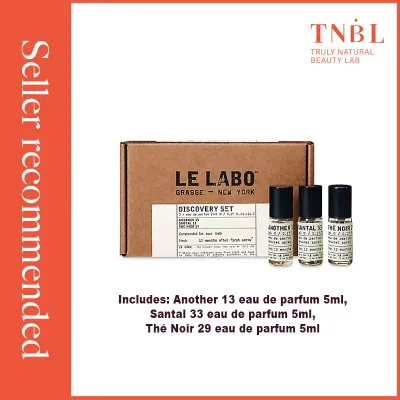
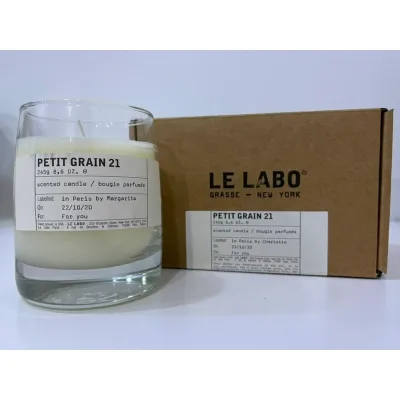
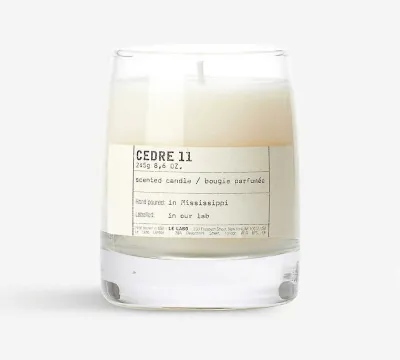

Prices are valid at publication and may change. Please refer to the product page for the latest price.
When it comes to performance, these candles are formulated with a high concentration of fragrance oils to ensure a robust scent throw. Scent throw is divided into two categories: cold throw, which is the aroma the candle emits while sitting unlit, and hot throw, which is the fragrance released as the wax melts. The brand’s vegetable wax blend is specifically engineered to hold and release these complex oils gradually, preventing the fragrance from becoming overwhelming while still filling a room effectively.
Before purchasing, it is always wise to inspect the product label and packaging for specific manufacturer guidelines. The label typically details the wax composition, safety warnings, and the specific batch information, reflecting the brand’s laboratory-inspired aesthetic. Checking these details ensures you are aware of the recommended burn times and safety precautions unique to the vessel type you choose, whether it is the classic glass or the travel-friendly tin.
Core Le Labo Candle Scents and Their Profiles
The permanent candle lineup is designed to mirror the brand’s broader fragrance philosophy, which prioritizes raw, high-quality ingredients over traditional, mass-appealing scent structures. Rather than categorizing scents by gender or season, the collection is organized by dominant olfactory families, such as woody, citrus, herbal, and marine. This allows you to choose a fragrance based on the specific atmosphere you wish to cultivate.

Understanding the brand’s naming convention makes navigating the collection much easier. Each candle name consists of a primary scent note followed by a number, such as Santal 26. The name represents the dominant ingredient in the fragrance profile, while the number indicates the total number of ingredients used to formulate that specific scent. This transparent approach highlights the complexity of each blend, showing that even a seemingly simple scent is built on a rich foundation of supporting notes.
Santal 26: Warm, Woody, and Smoky
Santal 26 is arguably the most iconic home fragrance in the brand’s lineup, cherished for its warm, aristocratic, and deeply comforting character. The scent profile is dominated by rich sandalwood, which is complemented by notes of cedar, leather, and amber. A subtle undertone of coco and vanilla adds a gentle sweetness that softens the dry, woodsy elements, creating a highly sophisticated atmosphere that feels both cozy and refined.
This fragrance is exceptionally well-suited for larger communal spaces where people gather to relax. Living rooms, libraries, and entryways benefit immensely from its warm, inviting presence, especially during the evening or colder months. The deep, woody notes have an grounding effect, making it an excellent accompaniment for winding down after a long day or hosting intimate gatherings.
However, because Santal 26 features prominent smoky and leathery notes, it may feel too heavy or dense for individuals who are sensitive to strong fragrances. In smaller, poorly ventilated rooms, the rich woodsy notes can quickly become overpowering. If you prefer light, airy, or barely-there scents, this candle should be used sparingly, or perhaps reserved for spaces with high ceilings and open floor plans where the fragrance can disperse more freely.
Petit Grain 21: Fresh, Citrus, and Green
For those who prefer a bright, uplifting, and energetic atmosphere, Petit Grain 21 offers a stunning alternative to the brand’s heavier woody scents. This fragrance is a tribute to the orange tree, blending the bitter, green aroma of petitgrain leaves with the sweet, elegant scent of orange blossom. Undercurrents of fresh citrus and warm amber balance the green notes, resulting in a fragrance that is simultaneously crisp, floral, and comforting.
This vibrant profile makes Petit Grain 21 ideal for spaces associated with morning routines, cleanliness, and activity. It is a perfect addition to kitchens, where its bright citrus notes can help neutralize cooking odors, as well as bathrooms and sunrooms. The fresh, green character of the scent brings a sense of the outdoors inside, making it highly refreshing during spring and summer.
In terms of performance, lighter citrus and green fragrances typically behave differently than dense woody scents. While Petit Grain 21 has an excellent hot throw, citrus molecules are naturally lighter and evaporate more quickly than heavy resins or woods. This means the fragrance fills a room with a breezy, refreshing mist rather than a heavy, lingering blanket of scent, making it an excellent choice for daily use without the risk of sensory fatigue.
Floral and Alternative Scent Options
Beyond the famous woody and citrus giants, the collection includes a variety of floral, herbal, and marine options designed for those seeking a more unconventional home scent. For instance, Laurier 62 offers a warm, spicy, and herbal experience dominated by laurel, rosemary, and thyme, while Calone 17 provides a breezy, marine scent reminiscent of sea salt and damp air. These alternative profiles allow you to customize your home’s atmosphere to match highly specific design themes or personal memories.
It is important to note that the brand’s home fragrance lineup is distinct from its personal perfume collection. While some scents share names or thematic elements, the formulations are optimized specifically for wax combustion rather than skin chemistry. Furthermore, candle availability can vary, and certain scents may be seasonal or exclusive to specific formats. Verifying current availability and exact ingredient profiles through official brand channels or authorized boutiques is always recommended before planning a purchase.
How to Choose the Right Scent for Your Space
Selecting the perfect candle involves matching the fragrance family to the physical characteristics of your room. Large, open-plan living areas with high ceilings can easily handle robust, slow-diffusing scents like woods, spices, or heavy ambers, which expand to fill the volume of the space without dissipating too quickly. Conversely, smaller rooms like bedrooms, home offices, or bathrooms are better served by lighter citrus, green, or delicate floral scents that provide a subtle background aroma without overwhelming the senses.
You must also consider the comfort of everyone sharing the space, including family members, guests, and pets. Dogs and cats have highly sensitive olfactory systems, so extremely heavy, smoky, or highly concentrated floral candles should be burned in well-ventilated areas where pets can easily leave the room if they find the scent too intense. If anyone in your household is prone to headaches or respiratory sensitivities, opting for milder, cleaner-burning green or herbal scents is generally a safer approach.
If you are undecided, visiting a physical boutique or department store counter is the most reliable way to sample the collection. When testing in person, start by smelling the cold wax of several candles to get an initial impression. To get a better sense of how the scent will perform when lit, you can gently rub the surface of the wax with your fingertip; the friction warms the oils slightly, releasing a truer representation of the hot throw. Alternatively, starting with a smaller travel tin or a discovery set allows you to test the fragrance in your actual home environment before investing in a full-sized glass vessel.
Candle Care and Maximizing Scent Throw
To get the most out of a premium candle, proper maintenance is essential. Before every single burn, always trim the cotton wick to approximately six millimeters (one-quarter of an inch). A long or split wick can cause the flame to flicker excessively, producing black soot that can stain the glass vessel and degrade the purity of the fragrance. Trimming the wick ensures a controlled, even flame that burns the wax cleanly.
The very first time you light your candle is the most critical step in its lifespan. You must allow the candle to burn continuously until the entire top layer of wax has melted completely into a liquid pool reaching from edge to edge of the vessel. This process, known as establishing a melt pool, typically takes two to three hours. If you extinguish the candle before the wax melts to the edges, it will create a memory ring, causing the candle to burn straight down the center on subsequent uses—a frustrating phenomenon known as tunneling that wastes a significant portion of the wax.
Safe burning practices are equally important for protecting your home and preserving the candle’s quality. Never burn a candle for more than four hours at a time, as the vessel can become dangerously hot, and the wick may become unstable or drown in the deep pool of liquid wax. Always place the candle on a stable, heat-resistant surface away from drafts, open windows, ceiling fans, or air conditioning vents. Drafts cause uneven burning, rapid wax consumption, and can carry soot onto nearby walls or decor.
Finally, know when it is time to say goodbye to your candle. Stop burning the candle when there is approximately one centimeter (half an inch) of wax remaining at the bottom of the vessel. Burning the candle past this point can cause the glass or metal bottom to overheat, risking cracks, breakage, or damage to the underlying furniture. Once the candle is finished, you can pour hot water into the vessel to loosen the remaining wax, clean it thoroughly with warm, soapy water, and repurpose the beautiful glass jar as a planter, pen holder, or bathroom organizer.
Frequently Asked Questions (FAQ)
Are Le Labo candles worth the investment?
Whether these candles are worth the premium price depends on how much you value artisanal craftsmanship, complex scent development, and clean-burning performance. The investment reflects the hand-poured manufacturing process, the high concentration of premium fragrance oils, and the heavy, reusable vessels. For those who view home fragrance as an essential element of interior design and daily wellness, the long burn times and sophisticated scent throw justify the cost. However, if you burn candles casually or prefer simple, straightforward scents, it is important to weigh these premium features against your personal home decor budget.
Do Le Labo candles smell the same as their perfumes?
While some candles share names with the brand’s famous personal perfumes, they do not smell identical. Skin perfumes are formulated with alcohol bases designed to react with body heat and individual skin chemistry, causing the scent to evolve through top, heart, and base notes over several hours. Home candles, on the other hand, use a vegetable wax base that burns at a much higher, constant temperature. This requires a different formulation of fragrance oils to ensure the scent diffuses evenly through the air. As a result, a candle like Santal 26 will smell similar to the Santal 33 perfume, but it is specifically adjusted to be softer, warmer, and more atmospheric for a living space.

Community discussion
Share your experience or ask a question. Comments are reviewed before publication.