
Choosing an led mirror bathroom fixture requires balancing safety, lighting quality, and practical functionality. To make a smart purchase, look beyond aesthetics and evaluate four core specifications: the Ingress Protection (IP) rating for moisture safety, lumen output for brightness, color temperature (Kelvin) for accurate color rendering, and a built-in demister pad to combat humidity. Understanding these metrics ensures you select a safe, highly functional mirror.
The Short Answer: Key Specs for a Quick Decision
For a quick decision, prioritize these non-negotiable specifications. A safe installation requires a minimum IP44 rating to protect against water splashes in typical vanity areas. For optimal grooming, choose a color temperature of 4000K (neutral white) and a Color Rendering Index (CRI) of 90 or higher. The light output should range between 400 and 800 lumens depending on mirror size, and a built-in demister pad is highly recommended for humid environments. Focusing on these core specs prevents you from overpaying for unnecessary, low-value extras while securing a safe, high-performing product.
Moisture and Safety: Decoding IP Ratings for Bathroom Zones
Safety is paramount when introducing electrical fixtures into wet environments. The Ingress Protection (IP) rating system classifies a device’s resistance to solids and liquids. The first digit (0 to 6) indicates dust protection, while the second digit (0 to 8) measures water resistance. For bathroom mirrors, the second digit is the most vital safety indicator.
Products mentioned in this guide
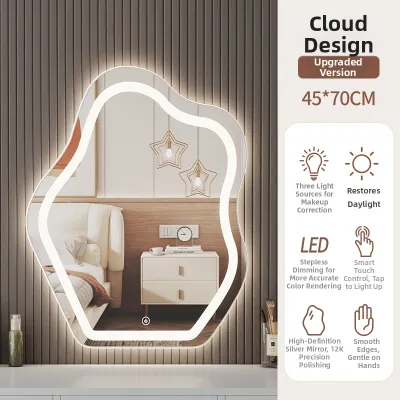
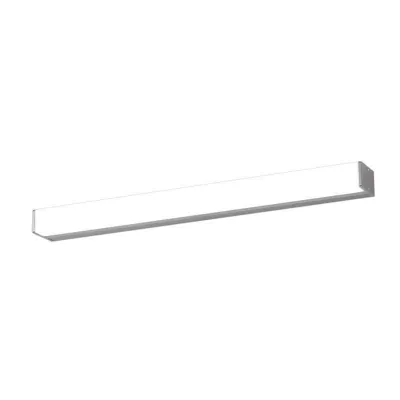
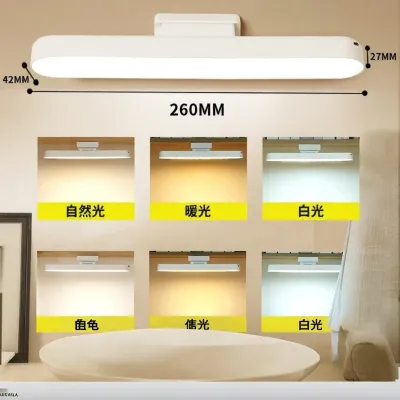
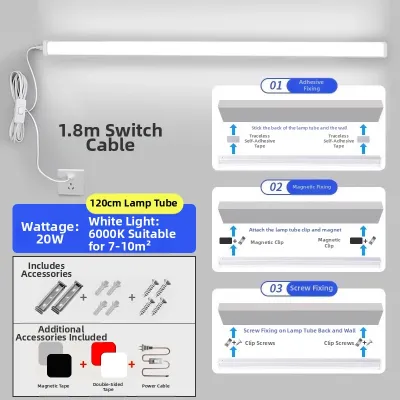
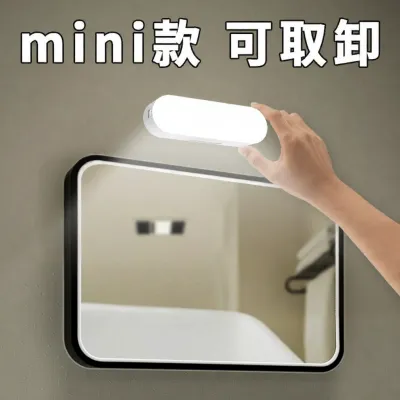
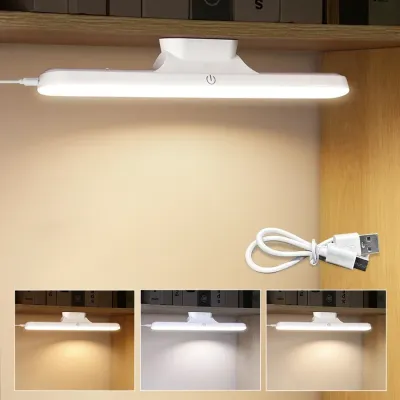
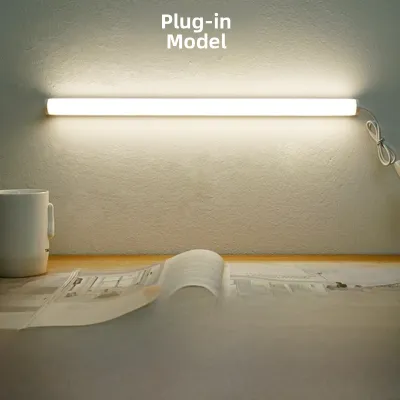
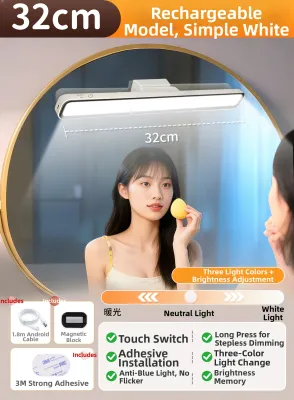
Prices are valid at publication and may change. Please refer to the product page for the latest price.

Bathrooms are divided into electrical safety zones based on proximity to water. Zone 0 is the interior of the bath or shower basin. Zone 1 covers the area directly above the bath or shower up to 2.25 metres high. Zone 2 extends 0.6 metres outside Zone 1 and includes the immediate space surrounding the washbasin.
For a standard wall-mounted led mirror bathroom fixture positioned directly above your washbasin (Zone 2), a minimum rating of IP44 is the industry standard. This ensures internal electrical components are protected against solid objects larger than 1 millimetre and splashing water from any direction. It provides complete safety for typical vanity use.
A higher rating, like IP65, is only necessary if the mirror is installed inside a shower enclosure (Zone 1) where it faces direct, pressurized water jets. For standard vanity walls, paying a premium for IP65 or IP67 ratings is unnecessary. An IP44 rating offers full safety compliance without inflating your budget.
Lighting Quality: Translating Lumens, Kelvin, and CRI
Lumens vs. Watts: Lumens measure actual light output, whereas wattage measures electrical power consumption. For a compact single-vanity mirror, 300 to 500 lumens is sufficient. Larger double-vanity mirrors typically require 800 lumens or more. Avoid excessively high lumens in small, tiled bathrooms, as reflective surfaces can amplify the light and cause harsh glare.
Color Temperature (Kelvin): Measured in Kelvin (K), color temperature determines light warmth. Warm white (3000K) creates a cozy feel but casts a yellow hue that distorts skin tones. Cool daylight (5000K+) can feel clinical and harsh. A neutral white light of 4000K is the ideal balance, delivering clean, natural illumination that mimics daylight.
Color Rendering Index (CRI): CRI measures how accurately a light source reveals true colors compared to natural sunlight, scored up to 100. For grooming tasks like applying makeup or shaving, look for an LED mirror with a CRI of 80 or above, with 90+ being the gold standard. Low CRI lighting can make skin tones appear washed out or distorted.
Comfort Features: Demister Pads and Touch Controls
Demister Function: In naturally warm and humid climates like Singapore, mirrors fog up instantly after a warm shower. A built-in demister pad uses a thin, heated element behind the glass to prevent moisture condensation. Because these pads take a few minutes to warm up, activating them at the start of your shower ensures a clear reflection when you step out.
Touch Sensors vs. Physical Switches: Integrated touch sensors offer a sleek, modern look but require constant power to remain responsive, meaning the main wall switch must stay on. If you prefer to cut power completely when not in use, a traditional hardwired wall switch is more practical. Touch sensors also leave fingerprint smudges, requiring more frequent cleaning.
Memory Functions: If you choose a mirror with dimmable lights or adjustable color temperatures, a built-in memory function is highly beneficial. This feature ensures the mirror retains your last used settings when turned off, preventing you from having to manually re-adjust the lighting during every use.
Physical Specs: Dimensions, Mounting, and Power Supply
Dimensions and Proportions: Your LED mirror should align with your vanity cabinet’s width. A common design rule is to choose a mirror that matches the vanity width or is slightly narrower (about 5 to 10 centimetres inset on each side). Ensure the mirror does not obstruct wall-mounted taps, high cabinets, or ventilation vents.
Mounting Types: LED mirrors are either surface-mounted or recessed. Surface-mounted models hang directly on wall hooks and protrude slightly, making them easy to install and ideal for retrofitting. Recessed models sit flush within a wall cavity for a seamless look, but require precise carpentry and wall modifications, which increases labor costs.
Power Supply: Determine how the mirror will receive power before purchasing. Many premium mirrors require a dedicated hardwired connection behind the unit to keep cables hidden. If you are retrofitting without a full renovation, a plug-in model is simpler, though you must plan for visible cable management. Always isolate the mains power supply before attempting any installation work.
Specs You Can Safely Ignore or Deprioritize
Several marketed features offer minimal practical value and can be safely ignored. Extremely high waterproofing ratings like IP67 or IP68 are designed for continuous water immersion and are unnecessary for a vanity mirror.
Built-in Bluetooth speakers also rarely perform well. The hard, tiled surfaces of a bathroom create an echo-prone environment that degrades sound quality, and small integrated speakers often sound tinny. A portable, water-resistant smart speaker placed on a shelf provides much better audio.
Similarly, complex smart home integrations, such as voice-activated controls or built-in weather screens, add significant cost and introduce more electronic failure points without providing much daily utility.
Frequently Asked Questions (FAQ)
Can I install an LED bathroom mirror myself?
Whether you can install the mirror yourself depends on the power source. Plug-in models that mount to the wall and plug into an existing socket can be installed as a DIY project, provided you drill into tiles safely. However, if the mirror requires a hardwired connection, you must not attempt it yourself. In Singapore, all fixed electrical wiring work in wet areas must be carried out by a Licensed Electrical Worker (LEW) to comply with safety standards. Always check the manufacturer’s installation instructions and ensure the mains power is isolated first. If instructions conflict or the environment seems unsafe, consult a professional.
Do LED bathroom mirrors use a lot of electricity?
No, LED mirrors are highly energy-efficient. A standard mirror with integrated LED lighting and a demister pad typically draws between 10W and 30W of power. Even if used daily, the monthly running cost remains negligible, usually amounting to less than S$1.00. To maximize efficiency, choose a model with an automatic shut-off timer for the demister pad to prevent it from running continuously if forgotten.
How do I clean an LED mirror without damaging the lights?
To clean your mirror safely, always refer to the manufacturer’s care instructions first. Use a soft microfiber cloth and a mild, non-abrasive glass cleaner or a mixture of warm water and white vinegar. Never spray liquid cleaner directly onto the mirror face, as it can run down and seep into the edges, corroding the backing or damaging the internal LEDs. Instead, spray the cleaner onto the cloth first, wipe gently, and buff dry. If instructions conflict with standard cleaning, defer to official guidance.
Community discussion
Share your experience or ask a question. Comments are reviewed before publication.