
Finding the most energy-efficient and cost-effective LED bulb light for your home in Singapore requires looking past marketing buzzwords and focusing on standardized performance metrics. While many brands claim superior longevity, the true value of a bulb lies in the relationship between its luminous efficacy, its purchase price, and the specific demands of your living space. By understanding how to read product specifications and matching them to your household usage patterns, you can make an informed decision that minimizes both your upfront expenses and your monthly electricity bills.
Rather than searching for a single universal winner, the most practical approach is to evaluate bulbs based on verifiable data. This guide establishes a clear framework for comparing different bulb tiers, reading packaging labels accurately, and ensuring electrical compatibility with your existing home fixtures.
How to Measure LED Energy Efficiency and True Value
Luminous efficacy is the primary, standardized measure of energy efficiency for any light source. Expressed in lumens per watt (lm/W), this metric indicates how much visible light a bulb produces for every watt of electrical power it consumes. When comparing different brands, a higher lumens-per-watt ratio means the bulb is more efficient, allowing you to achieve the desired brightness while drawing less power from the grid.
Products mentioned in this guide
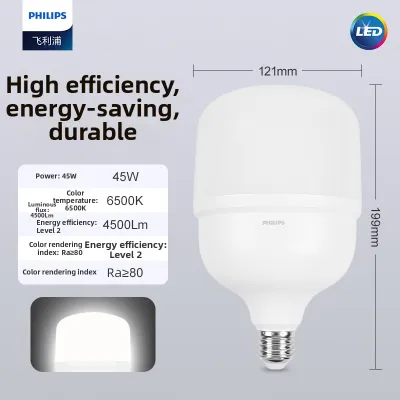
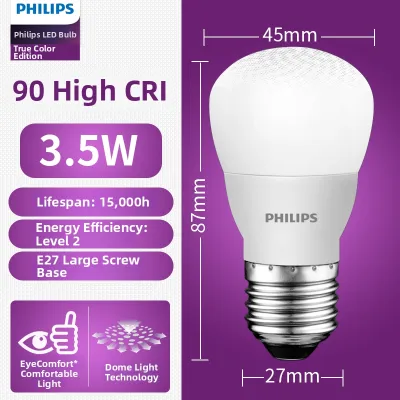
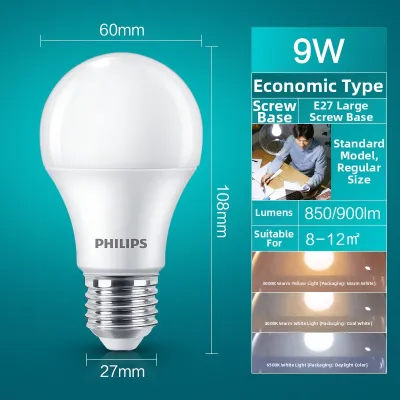
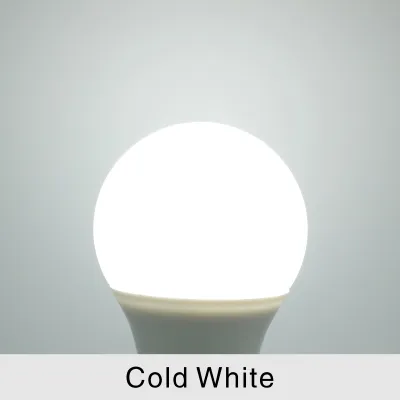
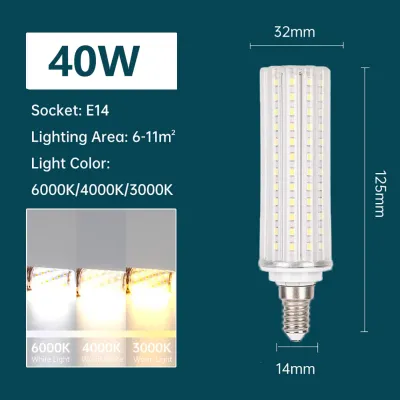
![[SG SELLER] LED Bulb E27 screw LED Flying Saucer Light High Brightness Energy-Saving Bulb for Household and Outdoor Use](https://img.lazcdn.com/g/p/29c242051805f539a812f8d2409e9ab4.png_400x400q80.png_.webp)
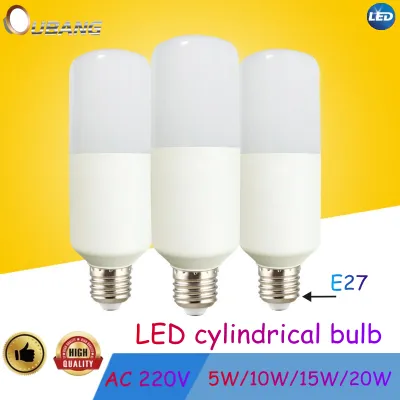
Prices are valid at publication and may change. Please refer to the product page for the latest price.
To calculate the true long-term value of an LED bulb, you must weigh the upfront purchase price against the manufacturer’s rated lifespan and estimated energy consumption. A low-cost bulb that fails after a few thousand hours often costs more over time than a premium bulb with a higher purchase price but a significantly longer operating life. To find the real cost of ownership, consider the purchase price in S$ alongside the rated lifespan in hours and the wattage of the bulb.
Rather than relying solely on brand advertising, always verify performance claims by checking independent testing labels and local energy rating schemes. In Singapore, look for the National Environment Agency (NEA) Mandatory Energy Labelling Scheme (MELS) label on the packaging. This label uses a tick rating system to help consumers quickly compare the energy efficiency of different lamps, ensuring that the efficiency claims made by the manufacturer have been verified under standardized testing conditions.
Key Specifications to Verify on Bulb Packaging
When shopping for a bulb light, comparing the lumen output directly to the wattage is essential for ensuring adequate brightness. Lumens indicate the actual light output, whereas wattage merely measures power consumption. To optimize energy savings, look for bulbs that deliver your required lumen level at the lowest possible wattage, rather than selecting bulbs based on wattage equivalents alone.

Color temperature and the Color Rendering Index (CRI) are critical for matching the atmosphere and functionality of different rooms. Color temperature is measured in Kelvin (K), ranging from warm white (typically 2700K to 3000K) for cozy living areas to cool daylight (6500K) for task-oriented spaces. The CRI measures how accurately the light reveals the true colors of objects, with a CRI of 80 or higher being standard for residential use, and a CRI of 90 or higher preferred for areas where color accuracy is important.
Physical and electrical compatibility must be verified before purchase to avoid installation issues. Check the base type of your fixture, such as E27 (screw base), B22 (bayonet base), E14 (small screw base), or GU10 (bi-pin spotlight base). Additionally, verify whether the bulb is dimmable, as installing a non-dimmable LED bulb on a dimmer circuit can cause persistent flickering, buzzing, and premature driver failure.
To help you compare different product profiles, the table below outlines the typical characteristics of standard and premium bulb tiers using generic variables:
| Specification Dimension | Standard/Value Tier Profile | Smart/Premium Tier Profile |
|---|---|---|
| Luminous Efficacy | Moderate (typically 80–100 lm/W) | High (typically 100–130+ lm/W) |
| Control Interface | Standard wall switch | App, voice assistant, or wireless remote |
| Color Adjustability | Fixed color temperature | Tunable white or full RGB spectrum |
| Rated Lifespan | 10,000 to 15,000 hours | 15,000 to 25,000+ hours |
| Dimming Capability | Usually non-dimmable | Digital dimming via app or compatible dimmer |
| Primary Use Case | Utility rooms, hallways, bulk replacements | Living rooms, bedrooms, customized scenes |
Matching Bulb Tiers to Your Room Requirements
High-usage areas in your home, such as living rooms, kitchens, and study rooms, demand bulb profiles that prioritize high efficacy and excellent heat dissipation. Because these lights remain active for several hours daily, the energy savings from a highly efficient bulb will quickly offset a higher upfront purchase price. Furthermore, high-quality heat sinks are vital in Singapore’s warm tropical climate, as excessive heat buildup can degrade the LED driver and shorten the bulb’s lifespan.
For low-usage or utility areas like storerooms, bomb shelters, and corridors, maximum lifespan and peak efficacy are less critical. In these spaces, the cumulative run time is minimal, meaning it will take much longer to recoup the cost of a premium bulb through energy savings. Opting for budget-friendly standard lines with a lower upfront cost is generally the most economical choice for these secondary zones.
When planning a smart lighting integration, you must assess whether to invest in native smart bulbs or standard bulbs paired with smart switches. Native smart bulbs offer individual control, color tuning, and direct ecosystem compatibility, but they require a continuous standby power draw and can be costly to deploy in bulk. Alternatively, standard bulbs controlled by smart wall switches can offer a more cost-effective way to automate entire lighting circuits without replacing every individual bulb.
Decision Framework: Which Bulb Profile Fits Your Home?
To finalize your purchase, align your primary household priorities with the most suitable bulb profile. If your goal is to create customized lighting scenes, control your lights remotely via mobile apps, or adjust color temperatures throughout the day, premium or smart bulb profiles are the appropriate choice. These options provide the necessary hardware and software integration to connect seamlessly with your home network.
If your priority is minimizing upfront costs for bulk replacements in standard, non-dimmable fixtures, value-focused bulb profiles are the most practical option. These bulbs provide reliable, basic illumination without the added expense of smart chips or complex driver circuitry, making them ideal for straightforward residential lighting setups.
For specialized areas where visual precision is necessary, such as home art displays, vanity mirrors, or detailed task areas, look for specialized commercial-grade profiles. These bulbs focus on delivering a high CRI (90 or above) and specific beam angles to highlight textures and colors accurately, ensuring that your indoor environment is rendered as naturally as possible.
Before making any purchase, always check if your existing fixtures are enclosed or controlled by traditional dimmer switches. Enclosed fixtures trap heat, which can rapidly destroy standard LED bulbs that are not explicitly rated for enclosed environments. Similarly, standard LED bulbs installed on legacy dimming circuits will experience performance issues, making it necessary to verify compatibility beforehand.
Safety and Compatibility Checks Before Installation
Before purchasing and installing any new bulb light, verify that its voltage rating matches Singapore’s standard mains voltage of 230V AC at 50Hz. Using bulbs designed for lower voltage systems can lead to immediate electrical failure or safety hazards. Additionally, ensure that the physical dimensions of the bulb allow for adequate clearance within the fixture housing to facilitate natural airflow and heat dissipation.
There are specific scenarios where you should stop and consult a qualified electrician rather than attempting a DIY installation. If you are upgrading to smart wall switches that require a neutral wire run through your concrete walls or conduits, professional installation is necessary to comply with local electrical codes. You should also seek professional help if you experience persistent flickering or buzzing after installing compatible bulbs, as this may indicate an underlying issue with your home’s wiring or dimmer compatibility.
Safety must always be your top priority when handling electrical fixtures. Before replacing any bulb, turn off the power at the main switch or circuit breaker in your consumer unit (DB box) rather than relying solely on the wall switch. This precaution is especially important if a bulb has shattered, if you are working on fixed track lighting, or if you need to access fixtures installed at height.
Community discussion
Share your experience or ask a question. Comments are reviewed before publication.