
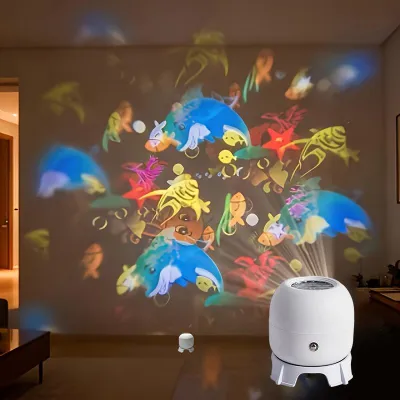
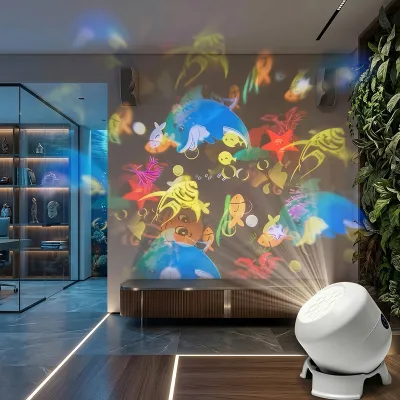
Choosing the right settings on an LED ocean projector depends entirely on whether you want to transition into deep sleep or maintain a state of focused calm. For falling asleep, the optimal configuration relies on low-arousal settings: warm, dim colors like amber or deep red, paired with a completely static projection or the slowest possible motor speed, and an automatic shutoff timer. For meditation, the ideal setup shifts toward alert relaxation, utilizing cool blues or soft greens, a moderate brightness level, and a slow, rhythmic wave rotation that serves as a steady visual anchor for your breathing. By understanding how these different modes interact with your environment, you can easily customize a single device to support both routines.
How Light and Motion Influence Relaxation
To get the most out of your LED ocean projector, it helps to understand how light and movement affect your state of mind. Sleep and meditation may both feel like relaxation, but they require very different physiological states. Sleep induction is about reducing sensory arousal to help your body transition into unconsciousness. In contrast, meditation is an active practice of mindfulness that requires a calm but alert mind.
Light plays a major role in these states by influencing your circadian rhythm. Exposure to bright, cool-toned light—especially blue light—can signal to your brain that it is daytime, potentially suppressing melatonin production and keeping you awake. For sleep, you want to avoid this stimulation entirely. However, during meditation, a soft, cool-toned light can actually help you maintain focus and prevent you from drifting off to sleep prematurely.
Products mentioned in this guide
![[Creative Ocean Projection] Deep Sea Projection Lamp Ocean Night Light Home Relaxation Decor](https://img.lazcdn.com/g/p/9c66f320926d3b7e399a18f13fa474b2.jpg_400x400q80.jpg_.webp)
Prices are valid at publication and may change. Please refer to the product page for the latest price.
Movement also dictates how your brain processes the projection. Fast, erratic patterns can trigger visual tracking reflexes, keeping your mind active. On the other hand, a slow, rhythmic wave pattern can act as a visual anchor, helping to quiet mental chatter and giving your mind a gentle point of focus during deep breathing exercises.
Best Projector Settings for Falling Asleep
Creating a sleep-friendly environment with an LED ocean projector requires minimizing sensory stimulation. The colors you project onto your ceiling have a direct impact on how easily your mind winds down. Warm amber, dim red, or very low-intensity dark blue are the most suitable choices before bed. These colors do not mimic daylight, making them far less likely to interfere with your body’s natural preparation for sleep. You should completely avoid bright white, cyan, or high-intensity cool colors in the hour leading up to sleep.

Brightness and rotation speed are equally critical when configuring your device for bedtime. Set the projector to its lowest possible brightness level; the goal is a faint, ambient glow rather than a brightly lit room. For the motor speed, either turn the rotation off entirely to project a static wave pattern or select the absolute slowest speed setting. Even slow movement can sometimes cause subtle vestibular overstimulation or force your eyes to track the light patterns, which can delay sleep.
Finally, always utilize the device’s built-in sleep timer. Leaving the projector running continuously throughout the night is generally unnecessary and can disrupt your sleep cycles if you wake up in the middle of the night. Setting a timer for 30 to 60 minutes ensures the room transitions into complete darkness once you have fallen asleep.
Best Projector Settings for Meditation and Mindfulness
When setting up your LED ocean projector for meditation, your goal is to foster a state of relaxed alertness. Unlike sleep prep, meditation settings should keep you awake and focused while soothing your nervous system. Cool blues, soft greens, or gentle, slow-cycling multi-color transitions work beautifully for this purpose. These tones evoke natural elements like deep water or forest canopies, helping to establish a serene, open mental space.
For brightness and speed, aim for a moderate balance. The projection should be bright enough to be clearly visible in a dimly lit room, allowing you to focus on the patterns without straining your eyes. Set the motor to a slow, steady, and rhythmic rotation. This gentle, flowing motion mimics the natural movement of water, providing a perfect visual focal point that you can synchronize with your inhalation and exhalation cycles.
You can enhance your meditation practice by pairing these visual modes with sound. Many ocean projectors feature built-in sound machines or wireless speakers. Utilizing gentle nature sounds, such as soft ocean waves or rainfall, can mask distracting household noises. If your projector lacks built-in audio, simply pair the visual projection with an external speaker playing your favorite guided meditation or white noise track to create a fully immersive relaxation space.
Essential Features to Look for in an LED Ocean Projector
Not all LED ocean projectors are created equal, and finding one that excels at both sleep and meditation requires checking a few key specifications. First and foremost, look for a device that offers independent controls for color, brightness, and motor speed. Many budget models only feature fixed, pre-programmed modes that combine high brightness with fast rotation. Having the ability to adjust each setting individually is essential for customizing the experience to your specific needs.
A reliable built-in timer with multiple auto-shutoff options is another non-negotiable feature. Look for projectors that offer flexible intervals, such as 1-hour, 2-hour, or 4-hour settings, allowing you to tailor the duration to your routine. Additionally, pay close attention to the motor’s noise level. A noisy, grinding motor can easily ruin a quiet meditation session or keep you awake at night; look for models specifically advertised as having ultra-quiet or silent motor operation.
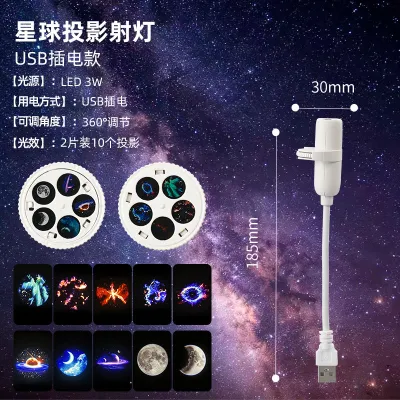
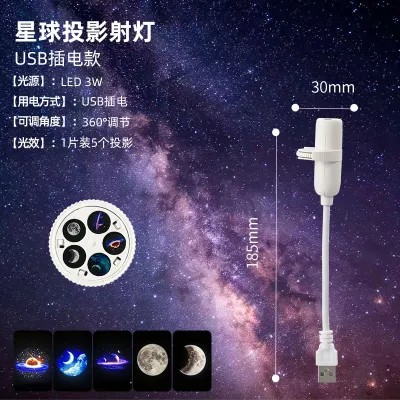
Consider the power source and electrical specifications as well. In Singapore, bedroom electronics should ideally be powered via a standard USB interface or a certified power adapter that matches local voltage standards. Quality models typically range from S$30 to S$60, making them an affordable addition to your home wellness setup.
Using One Projector for Both Sleep and Meditation
If you plan to use a single LED ocean projector for both sleep and meditation, convenience is key to maintaining your routines. Look for a model that includes a fully functional remote control or memory presets. This allows you to switch from a brighter, cool-toned meditation setting to a dim, warm sleep setting at the touch of a button, without having to get up and manually adjust the device.
Your choice of projection surface will also differ depending on your activity. For sleep, aiming the projector directly at the ceiling is ideal, as you will be lying down and looking upward. For seated meditation, projecting the ocean waves onto a blank wall directly in front of your meditation cushion or chair is often more comfortable, allowing you to maintain a natural, upright posture without straining your neck.
To accommodate both setups, choose a projector with an adjustable base or angle mount. This feature lets you easily tilt the device to shift the image from the wall to the ceiling. Keep in mind that the distance between the projector and the surface will affect the size and clarity of the waves; positioning the device about 1.5 to 2.5 meters away from the target surface usually yields the clearest, most immersive projection.
Safety and Placement Guidelines for Bedroom Use
While LED ocean projectors are excellent tools for relaxation, proper safety and placement are essential for daily bedroom use. Always position the projector in a spot where the light source does not shine directly into anyone’s eyes. The concentrated LED light can be intense, especially when viewed directly in a dark room, so keep the device out of the direct line of sight of children and pets.
Ensure the projector is placed on a flat, stable surface with adequate ventilation. Like any electronic device, the internal LED components and motor can generate mild heat during extended use, so avoid covering the projector with blankets, curtains, or decorative fabrics. Finally, practice smart cable management. Secure any loose power cords along the wall or furniture legs to prevent tripping hazards when navigating your bedroom in the dark.
Frequently Asked Questions (FAQ)
Is it safe to leave an LED ocean projector on all night?
While many modern LED projectors are designed with low-power components, leaving them running continuously all night is generally not recommended. Continuous operation can cause the internal motor to wear out faster and may lead to mild heat buildup. To maximize the lifespan of your device and ensure a completely dark, sleep-friendly environment, it is best to use the built-in auto-shutoff timer to turn the projector off after you fall asleep.
Can ocean projectors help with anxiety and stress relief?
Yes, ocean projectors can serve as highly effective supplementary tools for managing daily stress and anxiety. The predictable, rhythmic movement of the projected waves provides a gentle sensory anchor that can help ground your thoughts and reduce mental clutter. When paired with deep breathing or mindfulness practices, this soothing visual input can help transition your nervous system into a more relaxed state, though it should be used as a complement to, rather than a replacement for, professional wellness practices.
Community discussion
Share your experience or ask a question. Comments are reviewed before publication.