
To find the most energy-efficient LED pin lights in Singapore, you must look beyond brand names and marketing buzzwords. Because independent testing data fluctuates and brands frequently update their product lines, the most reliable way to identify the most efficient option is by evaluating verifiable technical specifications. The true measure of energy efficiency is luminous efficacy—measured in lumens per watt (lm/W)—paired with a precise match for your home’s electrical infrastructure, fixture dimensions, and thermal conditions. By focusing on these objective metrics, you can secure long-term utility savings without sacrificing light quality.
Understanding LED Pin Light Energy Efficiency
Luminous efficacy is the primary metric used to compare the energy efficiency of different lighting products. Expressed in lumens per watt (lm/W), this ratio represents the amount of visible light a bulb produces for every watt of electrical power it consumes. When comparing brands, a higher lm/W rating indicates a more efficient bulb. For instance, a pin light that delivers 400 lumens while consuming 4 watts has an efficacy of 100 lm/W, making it significantly more efficient than a bulb that requires 5 watts to produce the same light output.
Understanding the distinction between wattage and lumens is crucial for making an informed purchase. Historically, consumers relied on wattage as an indicator of brightness because older halogen and incandescent bulbs operated on a predictable scale. With modern LED technology, wattage only measures the rate of electricity consumption, not the light output. Relying solely on wattage to judge brightness can lead to purchasing inefficient bulbs that consume unnecessary power while delivering substandard illumination.
Products mentioned in this guide
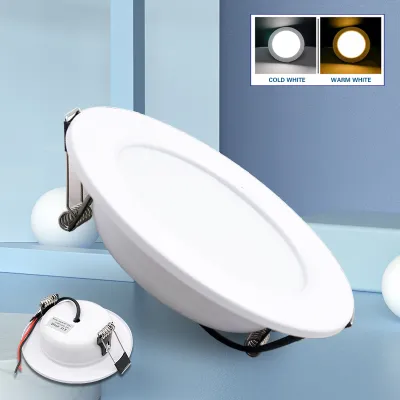
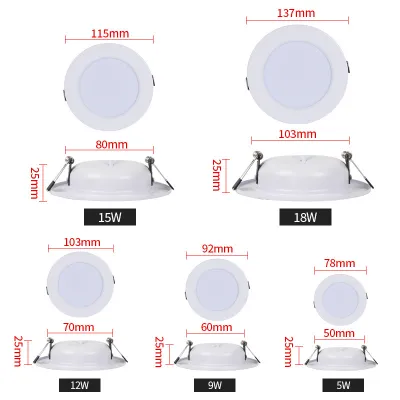
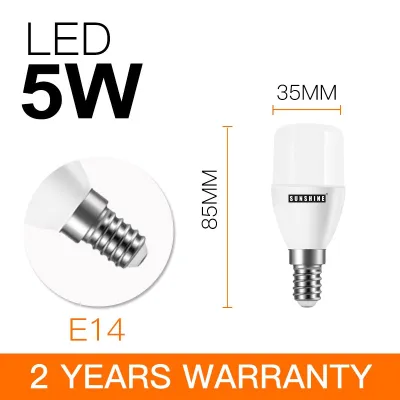
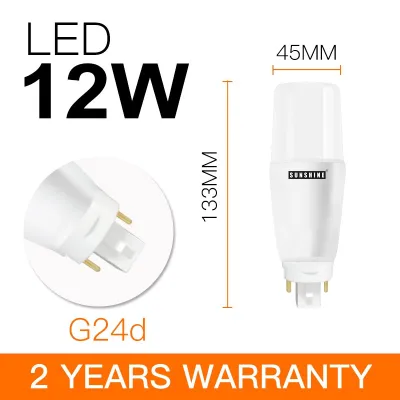
Prices are valid at publication and may change. Please refer to the product page for the latest price.
Beam angle also plays a critical role in how efficiently a pin light illuminates a space. A narrow beam angle, typically between 15 and 36 degrees, concentrates light into a focused beam, making it highly effective for accent lighting or highlighting specific architectural features. Conversely, a wide beam angle of 60 degrees or more spreads light across a broader area, which is ideal for general ambient lighting. Choosing the correct beam angle ensures that light is directed precisely where it is needed, preventing the waste of energy on over-illuminating unused areas of a room.
Key Specifications to Verify Before Comparing Brands
Before comparing the efficiency of various brands, you must ensure the bulbs are physically and electrically compatible with your existing fixtures. LED pin lights are available in several standard base types, each designed for specific voltage systems. The GU10 base features two thick, twist-and-lock pins and operates directly on mains voltage (230V). The GU5.3 (often associated with MR16 shapes) features two thin, straight pins and operates on low voltage, typically 12V. Other common bases include G4 and G9 capsule bulbs, which are used in compact decorative fixtures.

If your home currently uses low-voltage MR16 halogen pin lights, upgrading to LED requires careful attention to transformer compatibility. Halogen systems rely on electronic or magnetic transformers to step down the mains voltage. These older transformers often require a minimum electrical load to function correctly, sometimes as high as 20W or 30W. Because a single highly efficient LED pin light may only draw 4W to 6W, the existing transformer may fail to detect the load, resulting in persistent flickering, strobing, or premature bulb failure. To avoid these issues, you may need to replace the old transformer with a dedicated LED driver designed to handle low-wattage loads stably.
Dimmability is another critical factor that influences both performance and efficiency. Not all LED pin lights are designed to be dimmed, and attempting to dim a non-dimmable bulb can damage its internal circuitry. Even dimmable LED bulbs can experience compatibility issues when paired with older leading-edge dimmer switches designed for high-wattage halogens. This mismatch often causes audible buzzing, flickering, or a limited dimming range. To ensure smooth operation and maintain high energy efficiency throughout the dimming range, verify that your bulbs are paired with compatible trailing-edge dimmers.
How to Evaluate Brand Energy and Performance Claims
To cut through marketing hype, you must learn to read and verify the technical specifications printed on the product packaging or manufacturer datasheets. The lighting facts label provides essential data, including the exact lumen output, power consumption in watts, and color temperature measured in Kelvin (K). Color temperature affects the perceived brightness and atmosphere of a room; warm white (2700K to 3000K) offers a cozy glow, while cool white (4000K) or daylight (6000K to 6500K) provides crisp, clear light. Always cross-check these numbers to calculate the actual luminous efficacy rather than relying on vague energy-saving percentages on the box.
In Singapore, electrical safety and performance are regulated to protect consumers. When evaluating LED pin lights and their associated drivers, look for the SAFETY Mark issued under the Consumer Protection (Safety Requirements) Registration Scheme. This mark ensures the product has undergone rigorous testing for electrical safety, reducing the risk of short circuits or electrical hazards. While energy labeling schemes help identify efficient models, verifying the presence of local safety certifications ensures that the highly efficient bulb you select is also safe for continuous operation in your home.
A brand’s confidence in its product’s thermal management and component quality is often reflected in its warranty period and stated lifespan. High-quality LED pin lights are engineered with advanced heat dissipation materials, such as ceramic housings or aluminum heatsinks, to draw heat away from the delicate LED chips. Excessive heat is the primary cause of lumen depreciation, where a bulb gradually loses its brightness over time. A stated lifespan of 15,000 to 25,000 hours should ideally be backed by a comprehensive manufacturer warranty of at least two to five years, providing a reliable indicator of long-term durability.
Decision Framework: Matching Efficiency to Your Lighting Needs
Selecting the most efficient LED pin light requires matching the bulb’s specifications to the specific functional requirements of each room. For accent lighting, such as illuminating artwork or highlighting a textured feature wall, choose high-efficacy bulbs with a narrow beam angle. This approach concentrates the light precisely where it is needed, allowing you to achieve the desired visual impact with lower-wattage bulbs. For general ambient lighting in living rooms, kitchens, or hallways, opt for wider beam angles that distribute light evenly, reducing the total number of fixtures required to illuminate the space.
If you are planning a major lighting upgrade or renovation, consider converting your existing low-voltage MR16 fixtures to mains-voltage GU10 systems. This conversion eliminates the need for individual low-voltage transformers entirely. By removing the transformer from the circuit, you eliminate the inherent energy losses associated with voltage conversion, which can account for an additional 10% to 20% of energy waste. A direct GU10 mains-voltage setup simplifies the electrical system, reduces potential points of failure, and maximizes overall energy efficiency.
To determine whether a premium, high-efficiency LED pin light is worth the higher upfront cost in S$, you can calculate the projected payback period. Use the following formula to estimate your annual energy costs:
Annual Cost = (Bulb Wattage Daily Operating Hours 365 * Electricity Tariff) / 1000
By comparing the annual operating cost of a highly efficient LED bulb against your current halogen bulbs or a cheaper, less efficient LED alternative, you can easily visualize the long-term savings. In most households, where lights are used for several hours daily, the energy savings achieved by a high-efficacy bulb will quickly offset the initial purchase price in S$ within the first year of installation.
Installation Boundaries and Safety Checks
Before undertaking any installation or maintenance of your lighting fixtures, safety must be your top priority. Always isolate the electrical power at the main distribution board (DB box) by switching off the corresponding circuit breaker. Do not rely solely on the wall switch to cut the power, as improper wiring can sometimes leave the fixture live even when the switch is in the off position. Verify that the power is completely off using a non-contact voltage tester before touching any electrical components.
While replacing a standard plug-and-play GU10 bulb is a simple task that most homeowners can perform safely, more complex modifications require professional assistance. Tasks such as replacing old halogen transformers with LED drivers, converting low-voltage MR16 fixtures to mains-voltage GU10 sockets, or installing new dimmer switches involve working with fixed electrical wiring. In Singapore, all fixed electrical wiring work must be carried out by an Energy Market Authority (EMA) licensed electrical worker to ensure compliance with local safety standards and prevent electrical hazards.
Additionally, you must evaluate the physical environment where the pin lights will be installed. Recessed downlight fixtures installed in false ceilings require adequate ventilation to prevent heat buildup. If you are installing LED pin lights in tightly enclosed fixtures, ensure the bulbs are explicitly rated for enclosed-space use. Operating a standard LED bulb in an unventilated enclosure traps heat around the internal driver, leading to rapid component degradation, flickering, and premature failure of the light.
Frequently Asked Questions (FAQ)
Can I mix different LED pin light brands in the same room?
Mixing different LED pin light brands on the same lighting circuit is generally not recommended due to visual and electrical inconsistencies. Even if multiple brands label their bulbs as having the same color temperature, such as 3000K warm white, slight variations in their manufacturing processes and phosphor coatings can result in noticeably different color tones. Furthermore, different brands utilize unique internal driver designs. When connected to a single dimmer switch, these varying driver circuits may react differently to the dimming signal, leading to uneven brightness levels, mismatched dimming speeds, or localized flickering across the room.
Do LED pin lights consume power when turned off?
Standard LED pin lights connected to a traditional mechanical wall switch do not consume any electricity when turned off. However, if your lighting system incorporates smart switches, illuminated wall switches with built-in locator lights, or smart LED pin lights themselves, a tiny amount of standby current may continuously flow through the circuit. This residual current can sometimes cause highly efficient LED bulbs to glow faintly or flash intermittently even when switched off—a phenomenon known as ghosting. To prevent this, ensure your smart switches are compatible with low-wattage LED loads or install a bypass capacitor to absorb the residual current.
Community discussion
Share your experience or ask a question. Comments are reviewed before publication.