
Switching to LED bulbs is one of the most straightforward and effective ways to lower your household electricity bills in Singapore. Lighting is a constant presence in daily life, running for hours every evening across living rooms, kitchens, and bedrooms. Because Singapore’s electricity tariffs are subject to quarterly adjustments and the prevailing Goods and Services Tax (GST), taking control of your home’s energy consumption is a smart financial move.
By replacing older, inefficient lighting options with modern light-emitting diodes (LEDs), you can reduce your lighting-related power consumption by up to 80%. This guide breaks down the energy differences, provides a step-by-step formula to calculate your personal household savings, and highlights key safety and compatibility factors to consider before making the switch.
Understanding the Energy Gap: LED vs Traditional Bulbs
To understand why switching bulbs saves money, you must first distinguish between electrical power consumption and actual light output. Power consumption is measured in Watts (W), representing the rate at which an appliance draws electricity. Light output, or brightness, is measured in Lumens (lm). Historically, homeowners relied on wattage as a shorthand for brightness, but this association no longer holds true across different lighting technologies.
Products mentioned in this guide
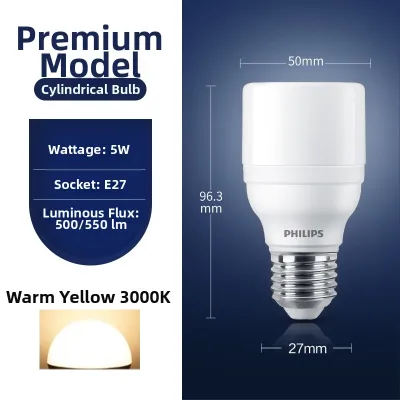
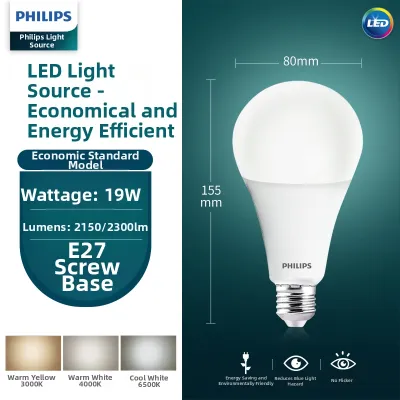
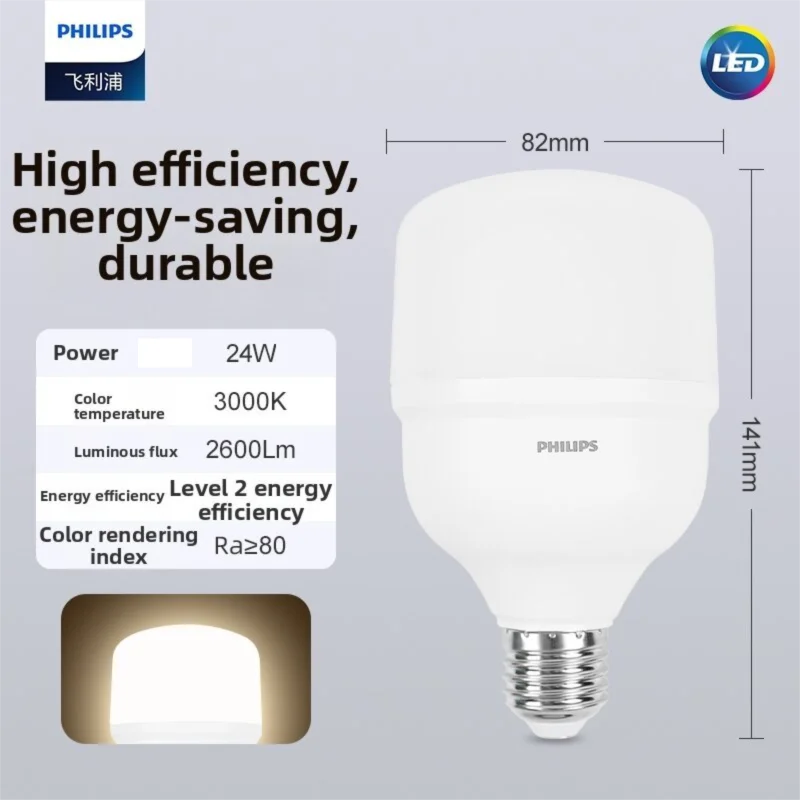
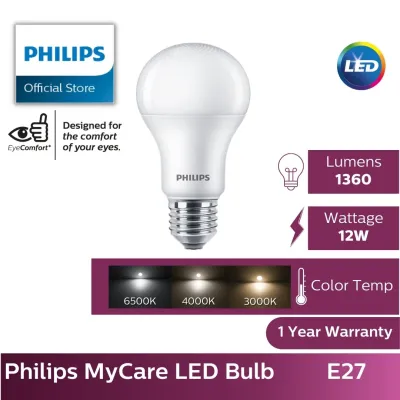
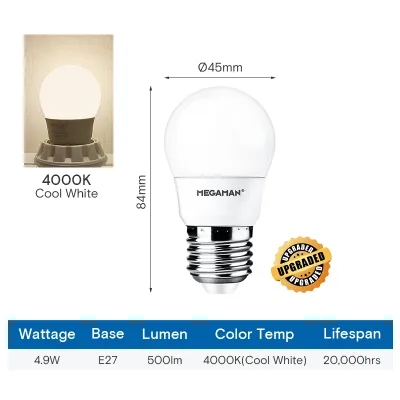
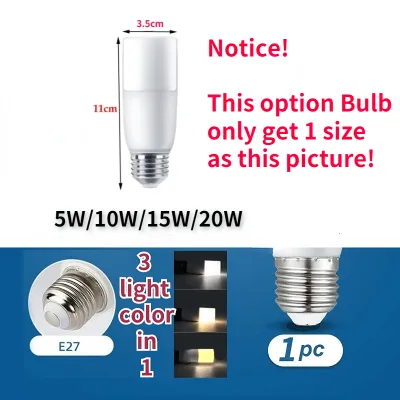
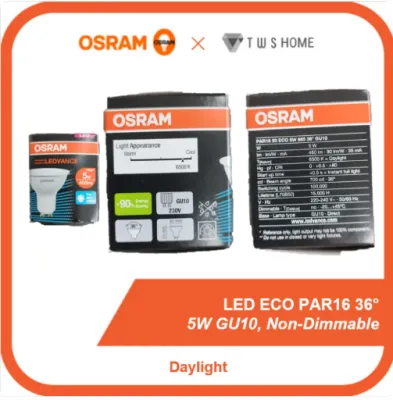
Prices are valid at publication and may change. Please refer to the product page for the latest price.
Traditional incandescent bulbs are highly inefficient because they rely on heating a tungsten filament until it glows. This process converts only about 10% of the electrical energy into usable light, while the remaining 90% is wasted as heat. Compact fluorescent lamps (CFLs) improved on this design, but modern LED technology represents a major leap forward. LEDs use semi-conductors to emit light directly, requiring significantly less power to achieve the same brightness.
When shopping for a new light bulb, you should compare lumen ratings on the packaging rather than wattage. For example, if you want to replace a standard 60-watt incandescent bulb, you should look for a bulb that delivers approximately 800 lumens of light. To produce this level of brightness, a traditional incandescent bulb draws 60 watts of power, a CFL draws roughly 12 to 15 watts, while a highly efficient LED bulb requires only about 8 to 10 watts. This stark difference in wattage is the foundation of your potential utility savings.
Step-by-Step Guide to Calculating Your Lighting Savings
Calculating your potential savings is a simple process of estimating usage, converting wattage to kilowatt-hours, and applying local electricity rates. By running these numbers, you can visualize the direct impact on your household budget.

Step 1: Estimate Your Daily Usage
Begin by identifying which light fixtures in your home are used most frequently. High-traffic areas like the living room, kitchen, and study room often have lights turned on for 5 to 8 hours daily. In contrast, lights in storerooms, bomb shelters, or guest bathrooms may only run for a few minutes a day. Group your light bulbs by their average daily operational hours to keep your calculations realistic.
Step 2: Calculate Your Kilowatt-Hour Consumption
Electricity meters and utility bills measure energy consumption in kilowatt-hours (kWh). One kilowatt-hour is equivalent to using 1,000 watts of electricity for one hour. To find the monthly or annual consumption for any bulb, use this standard formula:
Energy Consumption (kWh) = (Wattage × Daily Hours of Use × Days) / 1000
For example, if you have five traditional 60-watt incandescent bulbs in your living room running for 5 hours a day over a 30-day month, the calculation is: (60W × 5 bulbs × 5 hours × 30 days) / 1000 = 45 kWh per month.
If you replace those five bulbs with 9-watt LED bulbs of equivalent brightness, the calculation becomes: (9W × 5 bulbs × 5 hours × 30 days) / 1000 = 6.75 kWh per month.
Step 3: Apply the Local Singapore Tariff
Next, determine the electricity rate you pay. In Singapore, you can find this rate on your monthly utilities bill. If you receive your bill from SP Group, your rate is based on the regulated tariff, which is reviewed and adjusted quarterly to reflect global fuel costs. If you have switched to a private retailer under the Open Electricity Market (OEM), your rate will be determined by your specific contract (such as a fixed-rate or discount-off-tariff plan). Always make sure to use the rate that includes the prevailing GST to ensure your calculation reflects your actual out-of-pocket costs.
Step 4: Compare Your Costs
To see the financial difference, multiply your calculated kWh by your current electricity rate. For this example, let us assume a representative rate of S$0.30 per kWh (inclusive of GST).
- Incandescent Monthly Cost: 45 kWh × S$0.30 = S$13.50
- LED Monthly Cost: 6.75 kWh × S$0.30 = S$2.03
- Estimated Monthly Savings: S$13.50 – S$2.03 = S$11.47
By switching just five heavily used bulbs, you save approximately S$11.47 per month, which translates to over S$137 in savings annually. If you scale this calculation across an entire three-bedroom or four-bedroom HDB flat—which typically contains 15 to 20 light points—the cumulative annual savings can easily exceed S$300. Note that this calculation provides a practical estimate based on assumed usage patterns rather than a guaranteed bill reduction, as household habits fluctuate.
Real-World Factors That Influence Your Actual Savings
While the mathematical formula provides an excellent baseline, several real-world variables will influence your actual return on investment and payback period.
Usage Patterns and Placement The financial payback period is highly dependent on where you install your new LED bulbs. Replacing bulbs in high-use fixtures, such as kitchen downlights or living room ceiling lights, will yield immediate and noticeable savings. Conversely, replacing a bulb in a utility closet or an emergency stairwell that is rarely switched on will take a much longer time to offset the initial purchase price of the bulb.
Smart Bulbs and Standby Power If you decide to upgrade to smart LED bulbs that connect to your home Wi-Fi or Zigbee network, you must account for standby power consumption. Even when you turn a smart bulb “off” using an app or voice assistant, the bulb’s internal wireless receiver remains active so it can respond to future commands. While this standby draw is minimal—typically under 0.5 watts per bulb—deploying dozens of smart bulbs throughout your home can create a small, continuous draw that slightly reduces your overall lighting savings.
Lifespan and Replacement Costs The total cost of ownership involves more than just your monthly electricity bill; it also includes maintenance and replacement expenses. Traditional incandescent bulbs have a short lifespan of about 1,000 hours, meaning you may have to replace them once or twice a year. CFLs generally last up to 10,000 hours. High-quality LED bulbs are designed to operate for 15,000 to 25,000 hours or more. In a typical Singapore household, a single LED bulb can last over a decade. This longevity eliminates the recurring cost of buying replacement bulbs and saves you the physical effort or handyman fees associated with changing bulbs in high, hard-to-reach ceiling fixtures.
What to Check Before Buying LED Bulbs in Singapore
To ensure your new LED bulbs are safe, compatible, and perform as expected, you must verify several physical and electrical specifications before making a purchase.
Physical Compatibility Check the base type of your existing light fixtures. The most common fitting in Singapore residential properties is the E27 screw base, followed by the smaller E14 screw base. Spotlight fixtures often use GU10 twist-and-lock bases, while some older wall or ceiling fixtures might require B22 bayonet fittings. Additionally, check the physical dimensions of the bulb to ensure it fits comfortably within your existing glass shades or recessed downlight canisters.
Electrical Specifications Singapore’s domestic electrical grid operates at a standard voltage of 230V AC at a frequency of 50Hz. Always confirm that any light bulb you purchase is rated for this voltage range (typically labeled as 220V–240V). Be particularly cautious when purchasing bulbs from international online marketplaces, as bulbs designed for 110V grids (such as those in North America) will burn out immediately and can cause short circuits or electrical fires if connected to Singapore’s mains supply.
Local Compliance and Efficiency To guarantee safety and quality, look for the mandatory SAFETY Mark on the product packaging or the bulb itself. This mark indicates that the electrical appliance has been registered and certified by the local safety authority for safe use in Singapore homes. Furthermore, look for the Energy Label issued by the National Environment Agency (NEA). This label features a tick rating system; a higher number of ticks indicates superior energy efficiency, allowing you to verify the manufacturer’s performance claims.
Safety and Installation Boundaries Before replacing any light fixture, working at heights on a ladder, or handling fixed electrical wiring, always isolate the main power supply at your home’s distribution board (DB box) to prevent electrical shocks. Carefully read the manufacturer’s installation instructions. If you plan to use LED bulbs with dimmable fixtures, verify that the bulb packaging explicitly states it is “dimmable.” Standard LEDs installed on older analog dimmer switches will often flicker, buzz, or fail prematurely. If you encounter complex wiring issues, damp environment installations (like bathrooms or outdoor balconies), or incompatible dimmer switches, consult a licensed electrical worker (LEW) or a qualified professional.
Colour Temperature Selecting the right color temperature is a matter of personal visual comfort and interior design rather than energy efficiency. Color temperature is measured in Kelvin (K).
- Warm White (2700K to 3000K): Emits a soft, yellowish glow that creates a cozy, relaxing atmosphere suitable for bedrooms and living rooms.
- Cool White (4000K): Provides a neutral, clean light that is excellent for kitchens, bathrooms, and study areas where task clarity is important.
- Daylight (6500K): Produces a bright, bluish-white light that mimics natural outdoor light, ideal for utility rooms or detailed work areas.
Frequently Asked Questions (FAQ)
Do LED bulbs really save money if they cost more upfront?
Yes. Although LED bulbs carry a higher initial purchase price than traditional incandescent options, they represent a highly cost-effective long-term investment. Because an LED bulb uses up to 80% less electricity, the reduction in your monthly utility bill will typically cover the price difference within the first few months of regular use. Additionally, because LEDs last up to 25 times longer than incandescent bulbs, you will save significant money by avoiding frequent replacement purchases over the years.
How do I find my exact electricity rate in Singapore?
To find your exact rate, look at the back of your monthly utilities bill. If you are on the regulated tariff with SP Group, you can also check their official website, as this rate is updated quarterly to reflect global fuel cost adjustments. If you have signed a contract with a private electricity retailer under the Open Electricity Market (OEM), log into your retailer’s customer portal or check your original contract agreement. When calculating your savings, always use the final rate that includes the prevailing Goods and Services Tax (GST) for the most accurate real-world results.
Community discussion
Share your experience or ask a question. Comments are reviewed before publication.