
Quick Answer: Which Method Delivers Better Fragrance?
Choosing the best fragrance delivery method depends entirely on your immediate living environment, desired sensory ambiance, and sensitivity to smoke. Traditional lemongrass incense sticks offer an immediate, warm, and deeply earthy aroma accompanied by a gentle trail of smoke, making them highly effective for rapid odor elimination and open-air spaces. Conversely, an electric essential oil diffuser delivers a clean, sharp, and purely botanical scent without combustion, making it the superior option for closed, air-conditioned rooms where indoor air quality is a priority.
For those who appreciate a rustic, ritualistic experience and have well-ventilated rooms, the traditional incense stick remains an excellent choice. If you prefer a continuous, hands-off, and adjustable scent profile that can run safely for hours in a modern apartment, an ultrasonic or nebulizing diffuser is the more practical investment. Both methods have distinct operational requirements and maintenance routines that you should consider before making a final decision.
How Lemongrass Incense Sticks Deliver Fragrance
Traditional lemongrass incense sticks rely on combustion to release their aromatic compounds into the air. These sticks are typically constructed with a slender bamboo core coated in a paste made from natural binding agents, charcoal powder, and dried lemongrass herb or concentrated oils. When you light the tip of the stick and gently blow out the active flame, a smoldering ember remains, slowly consuming the organic materials and vaporizing the volatile essential oils trapped within the mixture.
Products mentioned in this guide

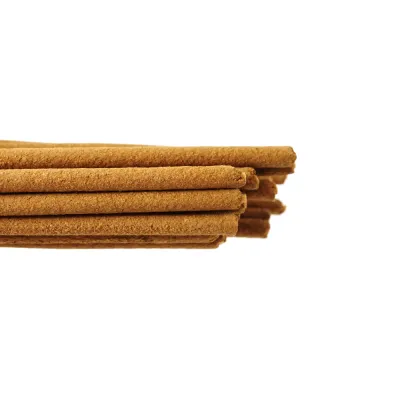
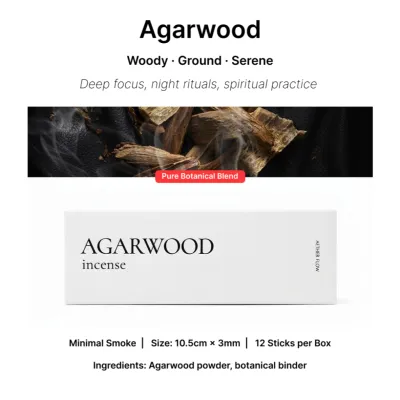
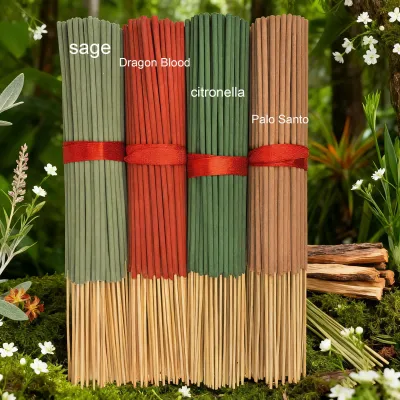
![[ Popular ]12 The scent of bamboo sticks 20 Support 1 Pack of incense sticks lemongrass and white sage can be shipped on behalf of others](https://img.lazcdn.com/g/p/0f5c3cf13416451c9276ad6bb5699e5f.jpg_webp_400x400q80.jpg_.webp)
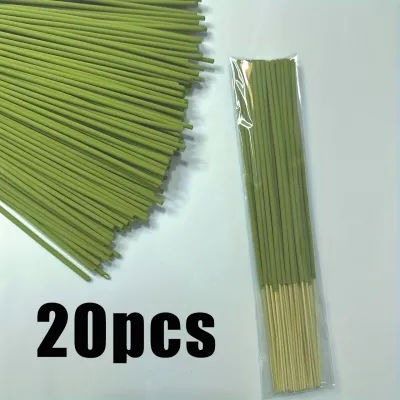
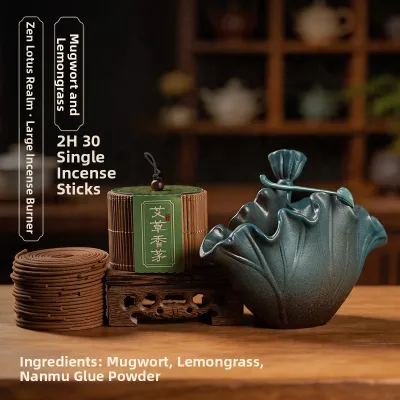
Prices are valid at publication and may change. Please refer to the product page for the latest price.

This burning process creates a highly complex scent profile. Because the plant matter and binding agents burn alongside the lemongrass, the resulting aroma features a warm, woody, and distinctly smoky undertone that grounds the bright, citrusy top notes of the herb. This combination produces a rich, traditional fragrance that many associate with meditation, relaxation, and spiritual rituals.
Using incense sticks safely requires specific physical accessories and environmental conditions. You must place the burning stick in a dedicated, heat-resistant holder made of ceramic, brass, or stone that is designed to catch the falling hot ash. It is critical to position the holder on a flat, stable surface away from open windows with strong drafts, fluttering curtains, and any flammable household items.
Because combustion generates fine particulate matter, adequate ventilation is essential. In typical Singapore residential layouts, such as high-density apartments, you should keep adjacent windows open to establish a steady cross-breeze. This allows the smoke to disperse naturally rather than accumulating in enclosed spaces. The fragrance throw from an incense stick is highly intense and localized near the source, providing a powerful burst of scent that gradually fades once the stick has completely burned down, which usually takes between 30 and 60 minutes.
How Essential Oil Diffusers Deliver Fragrance
Electric essential oil diffusers utilize cold-mist technology rather than heat or combustion to disperse fragrance. The most common type, the ultrasonic diffuser, features a small ceramic disc at the bottom of a water reservoir. When powered on, this disc vibrates at an ultrasonic frequency, creating rapid movement that breaks down a mixture of tap water and pure lemongrass essential oil into an extremely fine, cool mist. This mist is then quietly fan-forced into the room, carrying microscopic droplets of the botanical oil throughout the space.
Because this process involves no thermal degradation or burning, the chemical structure of the lemongrass essential oil remains completely intact. The resulting scent profile is exceptionally clean, crisp, and true to the living plant, delivering a bright, zesty citrus aroma without any of the heavy, smoky undertones associated with burned incense. This makes it highly refreshing and energizing, perfect for daytime focus or creating a spa-like atmosphere.
Operational requirements for diffusers center on electrical safety and routine hygiene. These devices must be plugged into a reliable power source; in Singapore, you should verify that the power adapter is compatible with the standard 230V, 50Hz electrical supply and carries the appropriate safety certifications, such as the SAFETY Mark, to prevent electrical hazards. Because diffusers hold standing water, they require regular cleaning to prevent the growth of mold, mildew, and bacteria, which can thrive quickly in warm, humid tropical climates.
To maintain optimal performance, you must empty any remaining water after use and wipe down the reservoir with a soft cloth. Every few days, a deeper clean using diluted white vinegar or a manufacturer-approved descaling solution is necessary to remove mineral deposits from the ultrasonic plate. This ensures the mist remains clean and the device operates efficiently over its lifespan.
Key Comparison Dimensions for Home Aromatherapy
To determine which method fits your lifestyle, it is helpful to compare how they perform across practical everyday categories, from scent longevity to ongoing maintenance costs.
Fragrance Intensity, Throw, and Longevity
An incense stick provides an immediate, high-impact burst of fragrance. The heat of combustion rapidly vaporizes the aromatic compounds, filling the immediate vicinity with a dense, heavy scent within minutes. While the active burn time is relatively short—typically lasting 30 to 45 minutes—the heavy smoke particles carry the fragrance and allow it to cling to fabrics and surfaces, meaning the aroma can linger in a room for several hours after the stick has gone out.
An electric diffuser offers a much more controlled, gradual, and sustained fragrance delivery. Depending on the capacity of the water tank—which commonly ranges from 100ml to 500ml—a diffuser can run continuously or intermittently for anywhere from 3 to 10 hours. You can easily adjust the scent intensity by adding more or fewer drops of lemongrass essential oil to the water reservoir. The cool mist spreads evenly across a larger surface area, creating a consistent, subtle background fragrance that maintains its character for as long as the device is running, without ever becoming overwhelming.
Air Quality, Smoke, and Safety
Combustion-based aromatherapy introduces physical smoke and fine particulate matter (PM2.5) into your indoor air. In modern, tightly sealed apartments or rooms where the air-conditioning is running continuously, this smoke cannot escape easily. Over time, the accumulation of smoke can irritate the eyes, nose, and throat, making incense a challenging choice for individuals with sensitive respiratory systems or allergies.
Diffusers do not produce smoke, soot, or combustion byproducts, making them a much cleaner choice for maintaining indoor air quality. The cool mist adds a minor amount of moisture to the air, which can feel soothing in dry, air-conditioned environments. However, safety with diffusers relies on electrical precautions and water hygiene. You must always isolate the power supply by unplugging the device before refilling the water tank or performing maintenance, and you must avoid overfilling the reservoir to prevent water from leaking into the internal electrical components.
Setup, Maintenance, and Ongoing Costs
In terms of initial financial investment, traditional incense sticks are highly accessible. A basic ceramic or wooden holder paired with a pack of high-quality lemongrass incense sticks typically costs between S$15 and S$30. The ongoing maintenance is minimal, requiring only a quick wipe or sweep to clear away the fine ash left behind after each session. However, because each stick is completely consumed during use, you will need to purchase replacement packs regularly if you burn incense daily.
An electric diffuser requires a higher upfront hardware investment. Decent ultrasonic models generally cost between S$30 and S$120, and a bottle of high-quality, pure lemongrass essential oil typically ranges from S$15 to S$40. While the initial setup cost is higher, a single 10ml bottle of essential oil contains approximately 200 drops; since a standard diffusion session only requires 3 to 8 drops, a single bottle can last for several months of daily use. The main trade-off is the physical effort required for maintenance, as you must commit to regular descaling and washing to keep the water tank sanitary.
Decision Framework: Which Method Suits Your Space?
To make your final decision, evaluate your specific household layout, daily habits, and health considerations against the following scenarios.
- Choose Lemongrass Incense Sticks if:
- You want to quickly neutralize strong household odors, such as kitchen grease or musty dampness, with a rapid burst of intense fragrance.
- You prefer a warm, complex, and grounded scent profile with rich, woody, and smoky undertones.
- Your home features large open areas, balconies, or rooms with excellent natural cross-ventilation where smoke can dissipate easily.
- You enjoy the visual and meditative ritual of lighting a stick, watching the rising smoke trail, and clearing away the ash.
- Choose an Essential Oil Diffuser if:
- You require a continuous, subtle background fragrance that can run safely for several hours while you work, sleep, or relax.
- You primarily scent enclosed, air-conditioned rooms where smoke accumulation would compromise air quality.
- You prefer a clean, crisp, and bright citrus aroma that remains true to the fresh lemongrass plant.
- You want the flexibility to customize your fragrance strength or blend lemongrass with other botanical oils like lavender, eucalyptus, or peppermint.
- Verify First if:
- You share your home with infants, elderly family members, or anyone with pre-existing respiratory conditions such as asthma. If these conditions apply, avoid burning incense entirely and consult a medical professional before introducing diffused essential oils.
- You have household pets, particularly cats, dogs, or birds. Pets have highly sensitive respiratory systems and localized metabolic differences that make certain concentrated botanical compounds, including lemongrass, potentially hazardous. Always consult a qualified veterinarian to verify safety boundaries before using either method in spaces shared with animals.
Frequently Asked Questions (FAQ)
Can I use lemongrass essential oil in a diffuser to get the same scent as incense?
While both methods utilize the aromatic properties of the lemongrass plant, they do not produce the same olfactory experience. A diffuser disperses pure essential oil suspended in water vapor, resulting in a clean, sharp, and highly vibrant citrus scent that mimics fresh-cut lemongrass. Traditional lemongrass incense sticks, however, involve combustion. The burning of the wooden core, natural resins, and binding agents adds a warm, smoky, and slightly sweet undertone to the herbal notes. If you prefer a crisp, botanical fragrance, the diffuser is ideal; if you prefer a heavy, grounded, and rustic aroma, the incense stick is irreplaceable.
Are lemongrass incense sticks and diffusers safe for pets and infants?
Neither method is completely without risk for vulnerable household members, and safety depends on proper usage and ventilation. The smoke generated by burning incense sticks contains fine particulate matter that can easily irritate the delicate airways of infants and pets—especially birds, which have incredibly sensitive respiratory systems, and cats.
For diffusers, while there is no smoke, the micro-droplets of essential oil suspended in the mist can still pose health risks. Lemongrass essential oil contains natural chemical compounds like citral and geraniol, which can be toxic to cats and dogs if inhaled in high concentrations in poorly ventilated spaces, or if the mist settles on their fur and is later ingested during grooming.
To ensure a safe environment, always consult a pediatrician or veterinarian before introducing these aromatherapy methods. If you choose to use them, ensure the room has excellent ventilation, keep all burning sticks and electrical diffusers strictly out of physical reach on high surfaces, and never run a diffuser in an enclosed room where a pet cannot freely enter and exit.
Community discussion
Share your experience or ask a question. Comments are reviewed before publication.