
Finding the right light bulb socket requires matching the physical shape, connection mechanism, and dimensions of your light fixture to the base of the bulb. By identifying whether your fixture uses a screw, bayonet, or pin base, and measuring its diameter or pin spacing, you can confidently select a compatible replacement that operates safely.
Using the wrong bulb can lead to poor electrical contact, physical damage to the fixture, or electrical hazards. Taking a few moments to decode the socket type before purchasing ensures a seamless installation and optimal lighting performance.
Decoding Light Bulb Socket Names and Measurements
Light bulb sockets and bases are categorized using a standardized alphanumeric coding system. The leading letter or letters indicate the shape and mounting mechanism of the base. For example, “E” stands for Edison screw, which is the traditional threaded base. “B” represents a bayonet mount, which uses side pins to lock the bulb into place. “G” indicates a pin-based connection, often found on smaller halogen or LED capsule bulbs, while “GU” denotes a pin base with a specialized twist-lock design.
Products mentioned in this guide
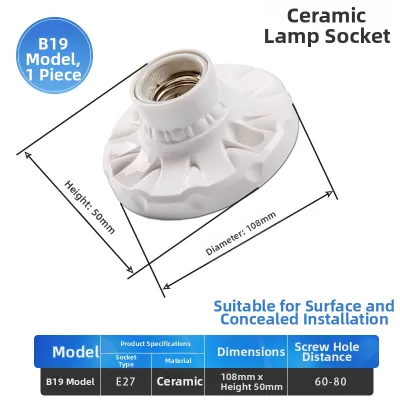
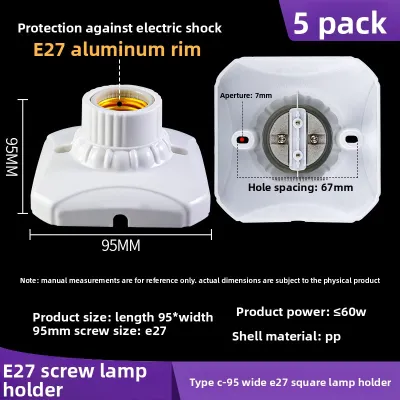
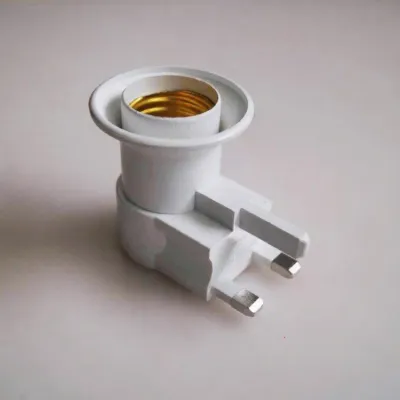
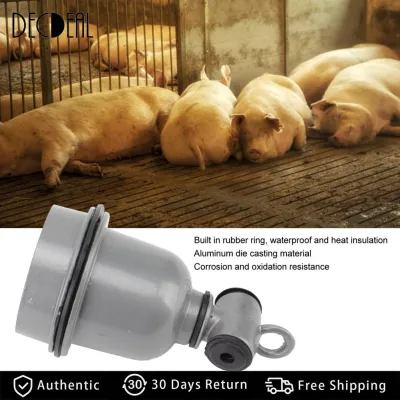
Prices are valid at publication and may change. Please refer to the product page for the latest price.
The numbers following these letters represent the physical dimensions of the base in millimeters. In a screw base like the E27, the number 27 indicates a thread diameter of 27 millimeters. For pin bases like the GU10, the number 10 represents a distance of 10 millimeters between the centers of the two pins.
While these naming conventions are globally standardized, regional preferences dictate which sockets are most common in your home. In Singapore and other Commonwealth markets, both bayonet and Edison screw bases are widely distributed across residential properties. Understanding these codes prevents the frustration of buying a bulb that looks correct online but fails to fit your fixture at home.
Common Socket Types and Where They Are Used
Screw bases are the most recognizable socket types in residential lighting. The E27, often referred to as the standard Edison screw, is widely used for general ambient lighting in pendant lamps, flush-mount ceiling fixtures, and floor lamps. The smaller E14, or small Edison screw, is typically found in decorative fixtures such as chandeliers, wall sconces, and bedside table lamps where space is limited.

Bayonet bases rely on a push-and-twist motion to secure the bulb. The B22 is the standard bayonet size and is frequently found in utility lighting, older ceiling battens, and heavy-duty work lamps. Because bayonet bulbs lock securely into place, they are highly resistant to vibrations, making them a durable choice for high-traffic areas.
Pin and twist-lock bases are engineered for directional and compact lighting applications. The GU10 is the standard socket for mains-voltage directional spotlights and recessed downlights, featuring two thick pins that twist and lock into the socket. For ultra-compact fixtures, the G9 base uses two looped metal pins that push directly into the socket, commonly seen in modern decorative pendants and display cabinets.
Recognizing these structural differences helps narrow down your search immediately. Screw bases feature continuous metallic threads, bayonet bases have smooth cylindrical collars with two small locking pins on opposite sides, and pin bases feature straight prongs or loops protruding directly from the bottom of the bulb.
Step-by-Step Guide to Identifying Your Required Socket
If you need to replace a burnt-out bulb but are unsure of the socket type, follow this systematic identification process to find the exact match.
First, inspect the old bulb carefully. Manufacturers print technical specifications directly onto the bulb, usually on the ceramic or plastic collar just above the metal base, or etched onto the glass itself. Look for small printed text indicating codes like “E27”, “E14”, “B22”, or “GU10”, along with the rated voltage and wattage.
Second, if the markings have faded or worn off, you can measure the base yourself. Use a ruler or a digital caliper to measure the widest part of the metal base for screw and bayonet types. For pin bases, measure the precise distance from the center of one pin to the center of the other. A measurement of 14mm points to an E14, while 27mm indicates an E27.
Third, examine the empty light fixture socket. If the old bulb is missing, look inside the socket cup or check the exterior casing of the fixture. Most fixtures feature a manufacturer’s safety label or sticker that specifies the compatible socket type, maximum allowable wattage, and voltage requirements.
Critical Compatibility and Safety Checks Before Buying
Matching the socket type is only the first step; you must also verify several electrical and physical constraints to ensure safe operation.
Always verify the voltage requirements of your fixture. Standard residential fixtures in Singapore operate on a 230V mains supply, which matches standard E27, B22, and GU10 bulbs. However, some low-voltage spotlight fixtures use MR16 bulbs with GU5.3 pin bases, which require a 12V transformer. Connecting a low-voltage bulb directly to mains voltage, or vice versa, will damage the bulb and can create an electrical hazard.
Strictly adhere to the maximum wattage limit printed on the light fixture. While energy-efficient LED bulbs draw significantly less power than older incandescent bulbs, you must still ensure the bulb’s actual power consumption does not exceed the fixture’s rated limit. Exceeding this limit causes excessive heat buildup, which can melt the socket, damage the wiring, and pose a fire risk.
Check the physical clearance inside the fixture housing or decorative shade. Even if a bulb has the correct E27 base, its overall shape—such as a wide globe or a long tubular profile—might prevent it from fitting inside an enclosed glass dome or a recessed downlight canister. Ensure the bulb’s physical dimensions allow for adequate air circulation around the bulb to prevent overheating.
Confirm dimmer compatibility if your fixture is controlled by a dimming switch. Standard LED bulbs can flicker, buzz, or suffer internal driver damage if used on a dimming circuit. Always choose bulbs explicitly labeled as “dimmable” for these setups.
Prioritize safety during any inspection or replacement. Always switch off the power at the wall switch, and ideally at the main distribution board, before touching a socket or removing a broken bulb. If you encounter damaged socket threads, loose wiring, or fixtures installed at extreme heights, do not attempt a DIY fix; contact a licensed, qualified electrician to handle the work safely.
Frequently Asked Questions (FAQ)
Can I use a socket adapter to change my fixture's base type?
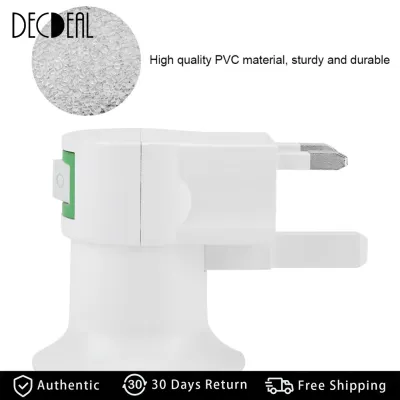
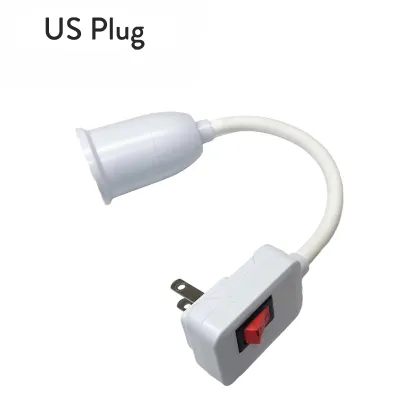
Yes, socket adapters are available to convert one base type to another, such as converting an E14 socket to accept an E27 bulb. However, these adapters add physical length to the bulb assembly, which can cause the bulb to protrude awkwardly from the shade or touch flammable materials. Additionally, using an adapter does not increase the fixture’s original maximum wattage limit; you must ensure the new bulb does not exceed the safety rating of the underlying fixture.
Do smart bulbs require specific socket types?
Smart bulbs do not require proprietary sockets and are widely available in standard residential bases, including E27, E14, B22, and GU10. To function correctly, smart bulbs require a continuous, uninterrupted power supply to keep their internal wireless receivers active. Because of this, you should avoid installing smart bulbs on fixtures controlled by traditional wall dimmers, as lowering the voltage can disrupt the bulb’s electronics and cause connection drops or flickering.
Community discussion
Share your experience or ask a question. Comments are reviewed before publication.