
Refreshing your sofa’s look can be achieved instantly by incorporating long cushion covers in styles like minimalist linen, bold geometric prints, luxurious velvet, or bohemian woven textures. These elongated covers, often called lumbar covers, break up the visual monotony of standard square pillows by introducing clean horizontal lines and varied proportions that make any seating area look professionally styled.
Swapping your cushion covers is a low-commitment, budget-friendly alternative to reupholstering or purchasing an entirely new sofa. By strategically changing the textures, colors, and patterns of your accents, you can shift the mood of your living space from formal to relaxed, or update it to match changing seasons and design trends.
How Long Cushion Covers Instantly Elevate Your Sofa
Standard square throw pillows are a staple in most homes, but relying on them exclusively can result in a repetitive, uninspiring aesthetic. Introducing a long cushion cover breaks this visual monotony by introducing horizontal lines and varied proportions to your seating. This horizontal orientation naturally guides the eye across the length of the sofa, making the entire piece of furniture feel more expansive, grounded, and balanced.
Products mentioned in this guide
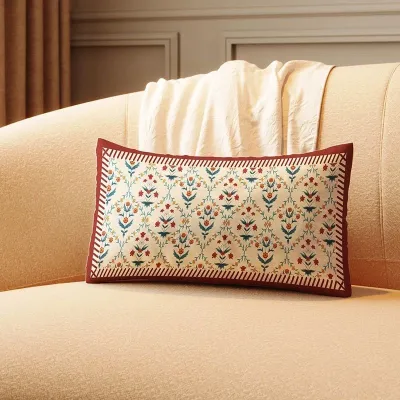
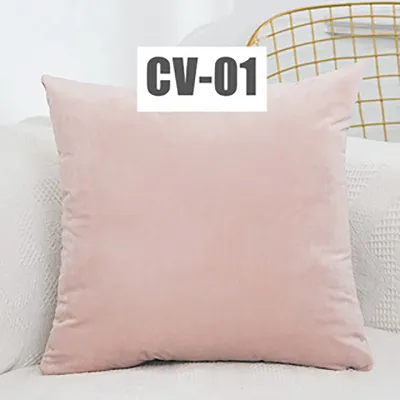
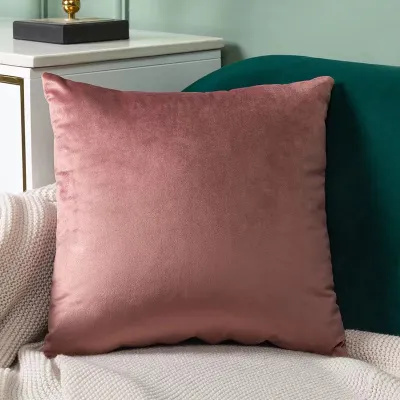
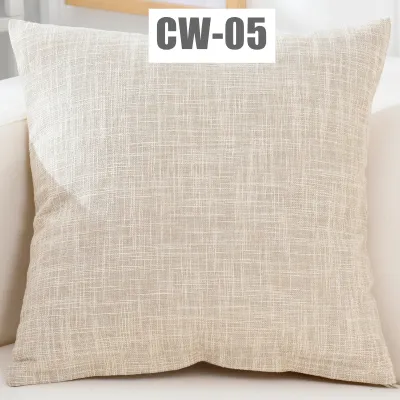
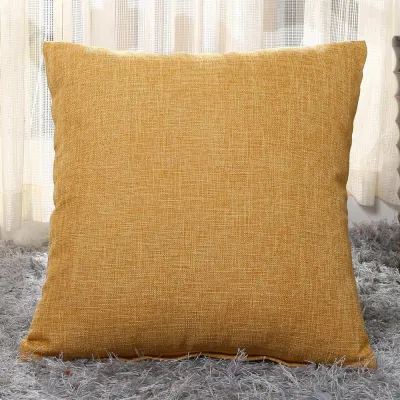
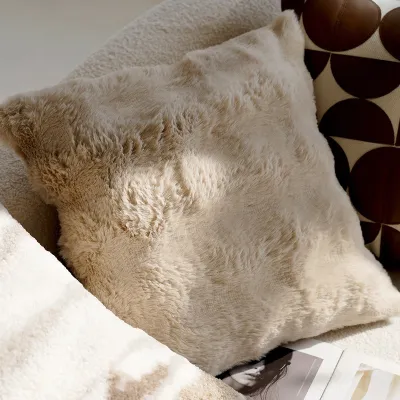
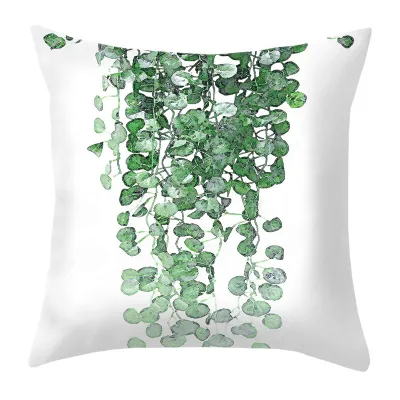
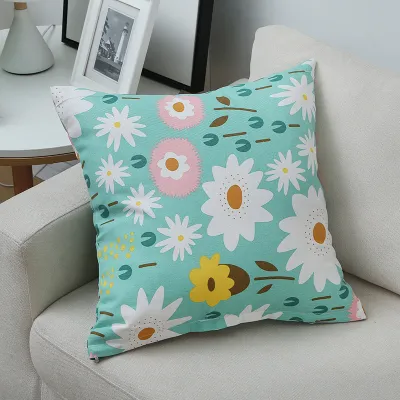
Prices are valid at publication and may change. Please refer to the product page for the latest price.
Beyond the structural aesthetic, swapping your cushion covers is a low-commitment, budget-friendly way to experiment with different design trends, textures, and color schemes. In Singapore’s dynamic design landscape, where homeowners frequently transition between minimalist, tropical, and contemporary styles, having a collection of versatile covers allows you to shift the mood of your living space instantly. Whether you want to transition your home from a breezy, relaxed daytime sanctuary to a cozy, sophisticated evening retreat, changing your cushion covers is the simplest way to achieve it.
Best Long Cushion Cover Styles to Refresh Your Space
Choosing the right style of long cushion cover requires an understanding of how different fabrics, patterns, and construction techniques interact with your existing furniture and overall interior design. The ideal cover should not only look appealing on its own but should also elevate the specific type of sofa you own, whether it is a sleek modern leather piece, a plush fabric sectional, or a classic mid-century design.

Minimalist Linen and Neutral Tones
For homes designed around modern, Japandi, or Scandinavian aesthetics, minimalist linen and neutral-toned cushion covers offer an understated elegance that emphasizes texture over bold color. Natural linen and high-quality cotton-linen blends are celebrated for their relaxed drape, breathability, and subtle slub textures—the organic irregularities in the yarn that give the fabric its characteristic depth. These materials possess a tactile warmth that prevents minimalist spaces from feeling cold or sterile.
When selecting a color palette for this style, focus on soft, earthy neutrals that mimic the natural world. Oatmeal, sand, soft stone grey, muted sage green, and warm terracotta are excellent choices. These shades reflect light gently, contributing to an airy, open atmosphere. They work exceptionally well in Singaporean apartments that maximize natural light, creating a serene and cohesive environment.
To style these covers effectively, pair them with sleek, low-profile, or modular fabric sofas. A long, neutral linen cushion placed centrally on a low-backed sofa enhances the clean, horizontal lines of modern furniture without cluttering the seating area. This combination maintains a sense of spaciousness while providing just enough contrast in texture to keep the arrangement visually interesting.
Bold Geometric and Abstract Prints
If your living space features a solid-colored sofa that feels somewhat flat or uninspiring, bold geometric and abstract print cushion covers are an excellent way to inject energy and contemporary flair. Geometric patterns, color-blocking, and abstract brushstroke designs act as focal points, drawing the eye and establishing a sense of movement within the room. These prints offer a structured, artistic quality that can instantly modernize an older piece of furniture.
Using high-contrast patterns is particularly effective for breaking up large, continuous expanses of solid upholstery, such as on a deep three-seater sofa or a spacious sectional. A long cushion cover featuring a striking geometric design can serve as the anchor for your entire seating arrangement, bridging the gap between different colors in your living room.
When decorating with bold prints, the key to maintaining harmony is anchoring. Avoid letting the pattern float in isolation; instead, pull one or two key accent colors from the cushion’s design and replicate them in other elements of the room, such as a textured rug, a piece of wall art, or a nearby ceramic vase. This creates a cohesive narrative that makes the bold pattern feel intentional rather than chaotic.
Luxurious Velvet and Rich Textures
For those who wish to introduce depth, sophistication, and a touch of opulence to their living room, luxurious velvet and heavily textured fabrics are unmatched. Velvet and corduroy possess unique light-reflecting qualities; the pile of the fabric catches light from different angles, creating a shifting play of highlights and shadows that adds visual weight and dimension to your sofa. This is particularly useful for brightening up darker corners of a room or adding interest to deep, dark-toned upholstery.
Depending on your existing decor, you can opt for rich, saturated jewel tones like emerald green, sapphire blue, or deep amethyst to create a dramatic, high-contrast look. Alternatively, muted pastels such as dusty rose, lavender, or soft champagne velvet can provide a more delicate, romantic contrast against neutral or grey sofas.
In warm and humid climates like Singapore, the thought of heavy fabrics like velvet can sometimes feel counterintuitive. To enjoy this luxurious aesthetic comfortably, look for breathable cotton-velvet blends rather than heavy synthetic polyesters, and ensure your living space is well-ventilated or air-conditioned. Alternatively, consider rotating your velvet covers out for cooler, lighter linen options during the hottest months of the year, reserving the rich textures for cooler seasons or evening entertaining.
Bohemian Embroidery and Woven Details
For a more relaxed, eclectic, or globally inspired interior, bohemian-style long cushion covers featuring intricate embroidery, tufting, tassels, and macramé details are ideal. These covers celebrate artisanal craftsmanship and tactile variety, offering a highly textured surface that invites touch. The combination of raised embroidery, woven patterns, and hanging fringe adds a cozy, lived-in character to any seating arrangement.
The charm of bohemian styling lies in its layered, organic feel. A single long cushion with heavy tufting or woven geometric details can instantly soften a rigid sofa structure, making the space feel more welcoming and comfortable. These covers often feature warm, natural tones mixed with vibrant spice colors, such as mustard yellow, rust, and indigo, which add warmth to the room.
To complement this organic, free-spirited vibe, pair embroidered and woven cushion covers with furniture made from natural materials. They look exceptionally beautiful on sofas featuring rattan details, light oak or teak frames, or relaxed, loose-fitting linen slipcovers. This pairing enhances the connection to nature and creates a laid-back, comfortable environment perfect for unwinding.
Sizing Guide: Finding the Perfect Fit for Long Cushions
Achieving a polished, professional look with your long cushions depends heavily on selecting the correct dimensions and understanding how to fill them. Unlike standard square cushions, long (or lumbar) cushions come in a variety of elongated rectangular shapes, and choosing the wrong cover size can result in either a saggy, limp cushion or an overstuffed, distorted shape.
Common standard dimensions for long cushion covers include:
- Small Lumbar: 12 x 20 inches (approximately 30 x 50 cm)
- Medium Lumbar: 12 x 24 inches (approximately 30 x 60 cm)
- Large/Oversized Lumbar: 14 x 24 inches (approximately 35 x 60 cm) or 12 x 36 inches (approximately 30 x 90 cm)
To determine what size cover you need, always measure your existing cushion insert rather than an old cover. To do this, stretch the insert flat and measure seam-to-seam across the center of the cushion vertically and horizontally, rather than measuring diagonally or pulling the fabric too tightly.
To achieve a plump, high-end look without sagging corners, apply the “size up” rule. This involves choosing a cushion cover that is slightly smaller than your insert. For standard polyester fiberfill or down-alternative inserts, selecting a cover that is 1 to 2 inches (2.5 to 5 cm) smaller than the insert ensures the filling is compressed slightly, pushing it into the corners and creating a full, firm appearance. However, if your insert is filled with natural feathers or down, which are highly compressible, you can safely use a cover of the exact same size to maintain a soft, moldable feel.
Additionally, consider the closure type of the cover, as this affects both the appearance and ease of maintenance:
- Hidden Zippers: These are sewn into the bottom seam of the cover, completely concealed from view. They offer the cleanest, most modern aesthetic and are ideal for sleek, minimalist, or contemporary styles.
- Envelope Closures: These feature overlapping fabric flaps on the back of the cushion, allowing the insert to be slipped in easily without hardware. While they offer a more traditional, rustic look and are highly durable because there are no zippers to break, they can sometimes gape open if the insert is too plump.
Pro Styling Tips: Mixing Long and Square Cushions
Styling cushions like a professional interior designer involves mastering the balance of shapes, sizes, and textures. A common mistake is using only one type of cushion, which can look flat and uninspired. Incorporating a long cushion cover into your arrangement is the secret weapon to creating a layered, dynamic, and inviting sofa.
When arranging cushions, designers often rely on the “rule of odds.” This design principle suggests that groupings of odd numbers (such as three or five cushions) are more visually appealing and feel more natural to the human eye than even-numbered, symmetrical arrangements. A long cushion is the perfect piece to complete an odd-numbered grouping because its distinct rectangular shape contrasts beautifully with standard squares.
To create a balanced arrangement, try these placement strategies:
- The Layered Centerpiece: On a standard three-seater sofa, place two large square cushions (such as 20 x 20 inches) in the back corners. In front of them, place slightly smaller square cushions (18 x 18 inches) in a coordinating fabric. Finally, place a single long lumbar cushion directly in the center of the sofa, overlapping the inner edges of the square cushions. This draws the eye to the center and creates a cozy, nested look.
- The Sectional Frame: For a large sectional or L-shaped sofa, position your largest square cushions (often called Euro shams) at the outer corners. Place your long cushion covers at the outer edges or nestled in the corner crook of the sectional to frame the seating area and provide comfortable lower-back support where the sofa depth is greatest.
To balance the visual weight of your arrangement, distribute colors, patterns, and textures evenly across the sofa. If you have a bold, patterned long cushion in the center, ensure the square cushions on either side are solid colors that pull from the pattern’s palette. Conversely, if your long cushion is a neutral linen, pair it with patterned or richly textured square cushions to keep the arrangement from looking plain.
Care and Maintenance for Lasting Fabric Quality
To ensure your long cushion covers remain vibrant, clean, and structurally sound for years to come, establishing a proper care and maintenance routine is essential. Because cushion covers are subjected to daily wear, body oils, and occasional spills, using the correct cleaning methods will preserve the integrity of the fibers and prevent premature wear.
Before undertaking any cleaning, always check the manufacturer’s care label attached to the inside of the cushion cover. If the instructions on the product label conflict with general advice, always defer to the manufacturer’s specific guidelines.
For everyday, low-risk materials like standard cotton and linen covers, machine washing is typically safe if done correctly. Use a gentle cycle with cold water and a mild, color-safe detergent to prevent the fabrics from shrinking or fading. To protect the seams and any delicate stitching, turn the covers inside out and close all zippers before placing them in the washing machine. Always air-dry these covers by laying them flat or hanging them in a shaded, well-ventilated area; avoid using a tumble dryer, as high heat can break down natural fibers and cause significant shrinkage.
For delicate, structured, or highly decorated covers—such as those made from pure velvet, silk, or those featuring heavy embroidery, tufting, and tassels—spot cleaning or professional dry cleaning is highly recommended. To spot-clean a minor spill, gently blot the area immediately with a clean, dry white cloth to absorb excess liquid; never rub, as this can push the stain deeper into the fibers or damage the nap of velvet. If necessary, use a damp cloth with a tiny drop of mild, diluted soap, testing it first on a small, hidden area of the cover to ensure colorfastness.
Additionally, simple daily habits can significantly extend the life of your cushions. Rotate and flip your cushions regularly to ensure even wear and exposure. In Singapore’s sunny climate, prolonged exposure to direct sunlight through windows can cause rapid, uneven fading of fabric dyes. Position your sofa away from intense afternoon sun, or use sheer curtains to filter the UV rays and protect your beautiful styling investment.
Frequently Asked Questions (FAQ)
What is the difference between a lumbar and a bolster cushion cover?
While both types of covers are elongated and designed to provide support, they differ significantly in shape, construction, and styling application. A lumbar cushion cover is rectangular and relatively flat, designed to fit standard flat inserts that provide targeted support to the lower back (the lumbar region) while sitting on a sofa or armchair. Because of their flat profile, they layer beautifully in front of square pillows. In contrast, a bolster cushion cover is cylindrical or tubular. Bolsters are typically firmer and are often used as decorative ends on daybeds, armrest support, or as structural accents rather than for layering in standard sofa arrangements.
Can I use long cushion covers on a leather sofa?
Yes, fabric long cushion covers are an excellent addition to a leather sofa, as they introduce much-needed softness, warmth, and visual contrast to the sleek, cool surface of leather. However, because leather is naturally smooth and slippery, cushions can easily slide down. To prevent this, choose covers made from highly textured, high-friction fabrics such as heavy woven cotton, corduroy, or velvet, which grip the leather surface better than smooth silk or polyester. Additionally, opt for cushion inserts with a slightly heavier, denser fill—such as a feather-and-down blend—which provides weight and helps the cushion hold its position against the leather backrest.

Community discussion
Share your experience or ask a question. Comments are reviewed before publication.