
To find a reed diffuser that lasts the longest in a wardrobe, look for brands utilizing alcohol-free, slow-release solvent bases (such as glycerin, glycol ethers, or eco-solvents) and high-concentration fragrance oils. In the stagnant microclimate of a closet, these formulations prevent rapid evaporation, allowing a standard 100ml bottle to last up to six months when paired with just one or two fiber reeds.
In Singapore’s warm, humid climate, wardrobes are prone to trapping moisture, which can interact with fragrance dispersion. Selecting the right diffuser is not just about scent, but about managing evaporation dynamics in enclosed, humid spaces.
Why Your Wardrobe Changes Diffuser Evaporation
The physical environment inside a wardrobe is fundamentally different from that of an open living room or bedroom. In open spaces, air is constantly in motion due to ceiling fans, air conditioning units, open windows, and foot traffic. This continuous airflow sweeps away the evaporated fragrance molecules from the tips of the reeds, maintaining a steep concentration gradient that pulls more liquid upward. Consequently, a standard reed diffuser in a living room evaporates at a rapid, steady pace, often depleting within four to six weeks.
Products mentioned in this guide
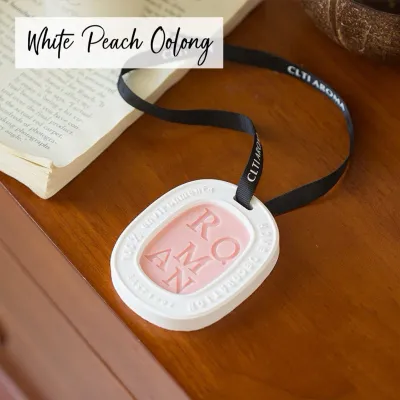
![[SO] Air Perfume Fragrance Pad / Air Scented Gel Freshener Drainage Cover / Urinal Screen / Wardrobe Toilet Fragrance](https://img.lazcdn.com/g/p/84119c3306055aa3f533e5c369450d34.jpg_400x400q80.jpg_.webp)
![Charles Millen Unwind Home Spa Indulgence [1pc] Diffuser 200ml/ Room Mist 100ml](https://img.lazcdn.com/g/p/90e36926f6ff03d06b30068136aed2a5.jpg_400x400q80.jpg_.webp)
Prices are valid at publication and may change. Please refer to the product page for the latest price.
In contrast, a wardrobe is a highly stagnant, enclosed microclimate with minimal air exchange. When you place a reed diffuser inside a closet, the evaporated solvent and fragrance molecules quickly accumulate in the limited air volume—typically only one to three cubic meters. As the air inside the wardrobe becomes saturated with these molecules, the concentration gradient flattens. According to the laws of physical chemistry, this saturation significantly slows down the rate of further evaporation. As a result, a diffuser formulation that depletes quickly in an open room will naturally last much longer in a wardrobe, sometimes extending its lifespan to three to six months.
However, this slow evaporation rate introduces the risk of scent fatigue and overpowering fragrance. Because the volume of air is so small, a diffuser that releases fragrance too quickly can rapidly overwhelm the space. The scent molecules will bind heavily to the fibers of your clothing, particularly natural materials like cotton, wool, and linen. When you open the wardrobe, you may be met with a harsh, choking cloud of perfume, and your clothes may carry an unpleasantly intense scent.
Therefore, “long-lasting” in the context of a wardrobe freshener does not mean a product that pumps out maximum fragrance. Instead, it refers to a formulation that provides a highly controlled, slow, and steady release of a mild background aroma. The goal is to maintain a subtle freshness that gently permeates your garments without saturating them to an uncomfortable degree.
Key Features of Long-Lasting Wardrobe Diffusers
To select a reed diffuser that performs optimally in an enclosed closet, you must look past marketing claims and evaluate the technical specifications of the product. The formulation’s solvent base, the material of the reeds, the design of the bottle, and the concentration of the fragrance oils all play critical roles in determining longevity and scent quality.

Solvent Base The carrier liquid, or solvent base, is the primary driver of evaporation speed. Many mass-market reed diffusers use alcohol-based carriers, such as isopropyl alcohol or ethanol, because they are inexpensive and highly volatile. While alcohol-based diffusers excel at filling large rooms quickly, they are poorly suited for wardrobes. They evaporate far too rapidly, creating an intense initial spike of fragrance followed by a quick depletion of the liquid. For a wardrobe, look for brands that use low-volatility eco-solvents, glycol ethers (such as Dowanol TPM), or glycerin-derived bases (such as Augeo Clean Multi). These carriers evaporate at a highly controlled, linear rate, ensuring a steady release over several months without a harsh chemical odor.
Reed Material The reeds act as the wick that draws the liquid upward via capillary action. Traditional rattan reeds contain natural vascular bundles that pull the oil up. However, rattan reeds are highly susceptible to clogging in dusty environments. Wardrobes accumulate a surprising amount of airborne dust, fabric lint, and microscopic skin flakes, which settle on the reeds and block their pores, stopping the scent release. Engineered fiber reeds, made from polyester or nylon, feature uniform pore structures that resist clogging and provide a more consistent, controlled draw. Fiber reeds release fragrance more efficiently than rattan, meaning you can use fewer of them to achieve the same scent level, thereby extending the life of the liquid.
Bottle Neck Design Evaporation occurs from two areas: the surface of the reeds and the exposed liquid surface inside the bottle. A diffuser bottle with a wide opening allows a significant amount of the carrier liquid to evaporate directly into the air, bypassing the reeds entirely and wasting product. To maximize longevity, choose bottles with narrow necks or those that utilize a collar or cap with a small opening just wide enough for the reeds. This design restricts direct surface evaporation to almost zero, forcing all liquid to pass through the reeds and extending the diffuser’s lifespan by several weeks.
Oil Concentration The ratio of pure fragrance oil to carrier liquid determines both the intensity of the scent and how many reeds you need to use. Premium diffusers typically feature a high fragrance load, often between 15% and 25%. In a small wardrobe, a high oil concentration is highly advantageous because it allows you to use only one or two reeds to achieve a pleasant aroma. If a diffuser has a low oil concentration (under 10%), you will be forced to insert more reeds to detect the scent, which will pull the carrier liquid out of the bottle much faster, shortening its overall lifespan.
Brand Profiles for Extended Wardrobe Freshening
Different home fragrance brands approach longevity through distinct formulation strategies. Understanding these categories allows you to choose a brand type that aligns with your wardrobe size, budget, and scent preferences.
High-Oil Concentration & Luxury Blends
Luxury home fragrance brands—such as Jo Malone London, Diptyque, or premium regional brands like Pristine and To Be Calm—typically formulate their diffusers with high concentrations of pure essential oils and fine fragrance compounds. These premium formulations often utilize heavy, stable carrier oils that have extremely low vapor pressures. Because these base oils do not flash off quickly, they naturally extend the lifespan of the diffuser, especially in low-airflow environments like wardrobes.
The scent profiles of these luxury blends are highly complex, featuring distinct top, middle, and base notes. In a wardrobe, base notes like sandalwood, cedarwood, amber, and patchouli perform exceptionally well because they cling gently to fabrics, providing a sophisticated, clean aroma. However, these luxury options come with a higher price point, often ranging from S$80 to over S$150 per bottle.
To prevent scent fatigue and avoid overwhelming your clothing, you must manage these concentrated blends carefully. Using more than one or two reeds in a standard wardrobe can result in an overpowering fragrance that saturates your garments. For the best results, start with a single fiber reed and allow 24 hours for the scent to disperse before deciding if a second reed is necessary.
Alcohol-Free & Slow-Release Solvent Bases
For a highly consistent, “set-and-forget” wardrobe freshener, brands that prioritize alcohol-free, slow-release solvent bases are highly recommended. Brands like Cocod’or, Muji, or various eco-conscious home fragrance lines utilize synthetic or bio-based carriers like Augeo, which are derived from glycerin. These bases are specifically engineered to evaporate at a slow, linear rate, ensuring that the fragrance intensity remains stable from the day you open the bottle until the liquid is completely gone.
In Singapore’s humid climate, alcohol-free bases offer a distinct advantage. High-proof alcohol carriers can absorb moisture from the humid air, which dilutes the fragrance and can cause the formulation to become unstable or cloudy. Glycerin-based and glycol-ether-based carriers do not absorb atmospheric moisture as aggressively, maintaining their chemical integrity and scent quality over time.
These brands typically sit in the mid-range price bracket, usually costing between S$20 and S$50. They provide a gentle, continuous background scent that permeates fabrics softly, avoiding the sharp, chemical “alcohol spike” common in cheaper, mass-market alternatives.
Concentrated Refill & Modular Systems
If you are looking for a long-term, sustainable wardrobe freshening solution, brands that offer robust refill ecosystems and modular designs are highly practical. Brands like Rituals, IPURO, or various specialized home fragrance brands available on local online marketplaces allow you to purchase concentrated refill liquids in bulk pouches or recyclable bottles, bypassing the cost of buying a new decorative glass vessel each time.
This approach offers significant economic advantages, often reducing your ongoing fragrance costs by 40% to 60%. Practically, a refill system allows you to customize the liquid-to-reed ratio for your specific closet size. Instead of placing a large 200ml bottle in your wardrobe—which takes up valuable shelf space and risks a major spill—you can decant a small amount (such as 30ml to 50ml) into a small, stable vial.
Furthermore, if you find that a particular fragrance is too intense for your enclosed wardrobe, a refill system allows you to dilute the liquid. You can mix the concentrated refill with a compatible, neutral carrier oil or eco-solvent to slow down the evaporation rate and soften the scent throw, tailoring the diffuser perfectly to the volume of your closet.
Protecting Your Clothes: Safety and Placement Rules
Using liquid reed diffusers inside an enclosed wardrobe requires careful planning to protect your garments and cabinetry from physical and chemical damage. Because diffuser liquids contain concentrated oils and synthetic solvents, they can pose risks if handled or placed incorrectly.
Spill Prevention The most significant risk of using a liquid diffuser in a closet is an accidental spill. If a bottle is knocked over, the oily liquid can quickly saturate wooden shelves, peel away laminates, dissolve paint, and ruin expensive clothing. To prevent this, never place a diffuser bottle directly on a wooden shelf. Always place the bottle inside a secondary containment vessel, such as a ceramic tray, a small glass dish, or a non-slip silicone mat. Position the diffuser on a high, stable, flat shelf that is out of the direct path of hanging clothes, sliding doors, or hands reaching for garments.
Fabric Staining Risks Many fragrance oils contain natural botanical extracts or synthetic colorants that give the liquid a yellow, amber, or brown hue. If these oils come into contact with fabrics—especially delicate, light-colored materials like silk, linen, or fine cotton—they can leave permanent, greasy stains that are extremely difficult to remove. Additionally, some solvent bases can act as mild chemical solvents, potentially dissolving the finishes on wooden closet interiors or hanger varnishes. Ensure that the reeds do not touch any hanging garments, closet walls, or wooden surfaces.
Airflow Management In Singapore’s highly humid environment, placing a liquid diffuser inside a completely sealed wardrobe can trap moisture and heavy fragrance, creating a damp, cloying atmosphere. Over time, this lack of ventilation can degrade delicate fabric fibers or even encourage the growth of mold. To maintain a healthy environment for your clothes, ensure there is some passive air exchange. Leave a tiny gap in sliding wardrobe doors, or opt for louvered doors that allow air to circulate. This minor airflow helps distribute the fragrance evenly throughout the closet while preventing moisture and heavy chemical buildup.
Manufacturer Guidelines Before placing any reed diffuser in an enclosed space, consult the product’s safety data sheet (SDS) or the manufacturer’s care instructions. Some diffusers are formulated with ingredients that require active ventilation and are explicitly labeled as unsafe for small, unventilated spaces. If the manufacturer’s guidelines warn against closet or wardrobe use, do not ignore them. If instructions conflict or the product’s ingredients are unidentified, contact the manufacturer or a qualified professional before proceeding.
How to Maximize Fragrance Lifespan in Small Spaces
To get the absolute most out of your wardrobe diffuser, you can implement several low-risk maintenance steps that extend the physical life of the liquid and preserve the quality of the scent.
Reed Flipping Frequency In open living spaces, users often flip their diffuser reeds once a week to refresh the scent. In a wardrobe, this practice is unnecessary and highly wasteful. Flipping the reeds exposes wet, saturated oil directly to the air, which accelerates evaporation and depletes the liquid rapidly. Because a wardrobe is a small, enclosed space, the air remains saturated with scent easily. You should only flip the reeds once every three to four weeks, or only when you notice that the background fragrance has faded significantly.
Dust Management Wardrobes are surprisingly dusty environments due to the constant shedding of fabric fibers, lint, and microscopic skin cells. This dust floats in the air and eventually settles on the exposed portions of your diffuser reeds. Over time, the dust clogs the microscopic pores of the reeds, blocking the capillary action and stopping the liquid from traveling upward. If you notice that the liquid level in your bottle has stopped dropping but there is no scent in your closet, the reeds are likely clogged. Gently wipe the reeds with a dry, lint-free cloth, or replace them entirely with fresh fiber reeds to restore proper capillary flow.
Environmental Controls Evaporation is highly sensitive to temperature and light. Keep your diffuser bottle away from any heat or light sources inside your wardrobe. Avoid placing it directly beneath wardrobe spotlights, LED strip lights, or near electronic devices (such as dehumidifiers or safe boxes) that generate heat. Heat warms the carrier liquid, drastically accelerating evaporation and causing the delicate top notes of the fragrance to degrade, which can result in a sour or metallic smell. Keep the bottle in a cool, dark, and stable corner of the closet.
End-of-Life Indicators As a reed diffuser reaches the end of its lifespan, the carrier solvent will have mostly evaporated, leaving behind a thick, highly concentrated residue of fragrance oils and heavy base compounds. You can identify this stage when the liquid becomes highly viscous, changes color significantly (often turning dark yellow or amber), or begins to emit a stale, sour, or overly chemical base note. At this point, the capillary action will have ceased, and the remaining thick liquid will no longer diffuse effectively. When these indicators appear, it is time to discard the residue, clean the bottle thoroughly, and add a fresh refill.
Frequently Asked Questions (FAQ)
Can I use a standard room diffuser in my wardrobe?
Yes, you can use a standard room diffuser in your wardrobe, but you must modify how you use it. Standard room diffusers are formulated to disperse fragrance across large, open living spaces, often utilizing highly volatile alcohol bases that evaporate quickly. If placed directly into a small, enclosed closet with a full set of reeds, the diffuser will evaporate too rapidly and create an overwhelming, choking scent that can saturate your clothes. To adapt a standard room diffuser for wardrobe use, insert only one or two reeds instead of the full set, and monitor the scent intensity closely over the first few days.
Will reed diffuser oil stain my clothes if it spills?
Yes, reed diffuser oil can cause severe, permanent stains on clothing and can damage the finish of wooden shelves or drawers. The concentrated fragrance oils and carrier solvents are oily in nature and can dissolve varnishes, lacquers, or laminates on wooden closet interiors. If the liquid spills onto fabrics—especially delicate materials like silk, wool, or light-colored cotton—it can leave greasy, dark residues that are extremely difficult to wash out. Always place your diffuser bottle on a protective tray, coaster, or silicone mat, and ensure it is positioned far away from hanging garments.
How many reeds should I use in a small closet?
For a standard-sized wardrobe (approximately one to two meters wide), you should start with just one or two reeds. Because a closet is a small, enclosed space with a limited volume of air, a single reed is usually more than enough to provide a subtle, pleasant background scent. Adding more reeds will not make your clothes smell better; instead, it will significantly accelerate the evaporation of the liquid, shorten the diffuser’s lifespan, and risk creating an overpowering aroma that causes olfactory fatigue.
Community discussion
Share your experience or ask a question. Comments are reviewed before publication.