
To get the absolute longest burn time across different fragrance families, look for brands utilizing high-density natural waxes—such as beeswax, coconut, or soy blends—paired with custom-engineered wicks. While heavy woody or spicy scents naturally linger longer due to their dense molecular structure, premium brands have mastered advanced formulation techniques to ensure even volatile citrus and delicate floral notes persist over dozens of hours. Selecting these long candles requires understanding how wax density, wick selection, and fragrance volatility interact to dictate overall longevity.
In Singapore’s tropical climate, indoor environments are frequently cooled by air conditioning, which introduces unique draft patterns and temperature differentials. These environmental factors directly affect how a candle burns. By choosing brands that optimize their wax-to-fragrance ratios and practicing precise candle maintenance, you can significantly extend the lifespan of your favorite home fragrances, ensuring a clean, slow burn from the first lighting to the very bottom of the vessel.
How to Identify Long Candles with the Longest Burn Time
Evaluating a candle’s potential longevity involves analyzing its physical and chemical composition rather than relying solely on the size of the jar. The primary factor dictating burn rate is the wax composition. Natural waxes, such as soy, coconut, and beeswax, possess distinct molecular structures that influence how they melt. Beeswax is the densest natural wax, boasting a high melting point that naturally results in the slowest, longest burn. Soy wax, derived from hydrogenated soybean oil, burns at a lower temperature than traditional paraffin, extending the candle’s life by up to 30% to 50% compared to equivalent paraffin alternatives. Coconut wax, made from cold-pressed coconut meat, offers an incredibly clean burn and excellent scent throw, though it is often blended with soy or beeswax to enhance its structural stability and further prolong burn time.
Products mentioned in this guide
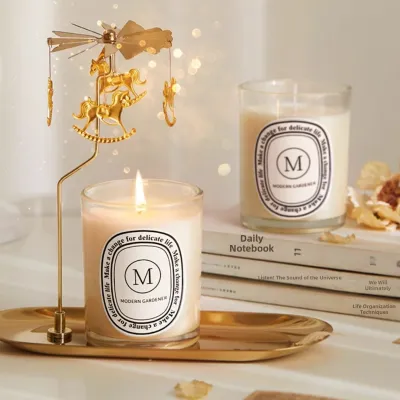
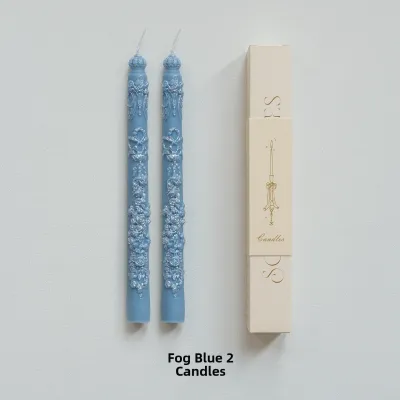
Prices are valid at publication and may change. Please refer to the product page for the latest price.
Traditional paraffin wax, a byproduct of petroleum refining, generally burns hotter and faster than natural alternatives. While some heritage luxury brands continue to use highly refined paraffin blends due to their exceptional fragrance-holding capacity, these formulations require highly precise wick engineering to avoid rapid consumption. When shopping for long-burning options, natural wax blends consistently offer a more predictable, cooler, and slower burn rate, making them the preferred choice for maximizing hours of aromatic enjoyment.
| Wax Type | Average Melting Point | Burn Rate Characteristics | Best Suited For |
|---|---|---|---|
| Beeswax | 62°C – 64°C | Extremely slow, dense, and clean-burning | Rich, heavy woody and resinous scents |
| Soy Wax | 49°C – 54°C | Slow, cool burn with excellent structural integrity | Delicate florals and balanced botanical blends |
| Coconut Wax | 37°C – 43°C | Rapid melt pool initiation, highly efficient burn | Volatile citrus and fresh aquatic notes |
| Paraffin Wax | 47°C – 64°C | Hotter, faster burn; requires precise wick calibration | High-intensity, immediate fragrance throw |
The wick serves as the engine of the candle, controlling the rate at which liquid wax is drawn up and vaporized. Wicks are typically constructed from braided cotton, paper-core cotton, or natural wood. Cotton wicks must be meticulously sized to match the specific wax blend and vessel diameter. An over-wicked candle (where the wick is too thick) creates a large, unstable flame that consumes wax rapidly and produces soot. Conversely, an under-wicked candle fails to melt the wax to the edges, causing tunneling and leaving unburned wax wasted on the sides of the jar. Wood wicks have gained popularity for creating a wider, shallower melt pool, which can optimize wax consumption and extend burn time when properly maintained, while providing a soothing crackling sound.
To evaluate a candle’s efficiency before purchasing, calculate its burn-time-to-weight ratio. A high-quality candle should ideally yield between 7 to 9 hours of burn time per 30 grams (1 ounce) of wax. Always check the manufacturer’s stated burn time on the product label, as exact hours depend on the specific candle’s volume, wax density, and fragrance oil saturation. A heavier candle does not automatically guarantee a longer burn if the wax formulation is cheap or the wick is improperly calibrated.
Fragrance load also plays a critical role in structural integrity and longevity. Premium brands typically saturate their wax with 8% to 12% high-grade fragrance oils. Over-saturating a candle beyond this threshold can compromise the wax structure, leading to “sweating” (where oil pools on the surface), uneven burning, and excess soot production, all of which accelerate wax depletion. Reputable manufacturers carefully balance their fragrance loads with specific wax densities and wick types to preserve the candle’s structural integrity and maximize total burn hours.
Best Long-Burning Candle Brands by Scent Family
Different fragrance families require distinct wax formulations and wick pairings to achieve maximum longevity. In Singapore, where indoor spaces are often closed and air-conditioned, selecting the right brand ensures the fragrance disperses beautifully without overwhelming the room or burning out too quickly.

Floral & Botanical Scents
Floral and botanical fragrances rely on delicate, airy notes like jasmine, rose, lily, and lavender. To prevent these subtle scents from degrading under high heat, look for brands that utilize slow-burning soy or coconut wax blends. These natural waxes burn at cooler temperatures, preserving the integrity of the delicate floral molecules and ensuring the scent remains true and consistent throughout the entire lifespan of the candle, rather than fading after the first few burns.
Diptyque is highly regarded in this category, particularly for its iconic 190g glass candles, which offer an impressive burn time of 50 to 60 hours. While Diptyque utilizes a proprietary wax blend that includes high-grade paraffin and vegetable waxes, their success lies in custom-tailoring a specific wick for every single fragrance in their lineup. This ensures that delicate floral classics like Roses or Baies burn at an exceptionally controlled, slow rate without tunneling. Another excellent option is To Be Calm, a brand popular in Singapore that specializes in high-quality soy wax candles. Their botanical formulations are specifically designed to deliver a clean, slow burn that handles the humidity of the region beautifully, keeping floral notes crisp and long-lasting.
When purchasing floral candles, always verify the specific wax type for the chosen product line. Some heritage brands may use proprietary paraffin blends that still offer excellent longevity due to precise wick engineering, but natural soy and coconut blends remain the safest bet for a cool, slow, and soot-free floral experience.
Woody & Earthy Scents
Woody and earthy fragrances feature deep, resinous base notes such as sandalwood, cedarwood, amber, patchouli, and vetiver. Because these molecules are heavy and complex, they benefit immensely from dense, slow-burning wax formulations that can sustain a steady, moderate heat over extended periods. This allows the rich, grounding aromas to unfold gradually and linger in the air long after the flame is extinguished.
Boy Smells excels in this category by utilizing a proprietary blend of coconut and beeswax. The addition of beeswax gives the wax mixture a higher density and melting point, resulting in an exceptionally slow, clean burn. Their standard 240g candles regularly deliver up to 50 hours of burn time, making woody profiles like Hinoki Fantôme or Ash incredibly long-lasting. Another standout brand is Le Labo, which uses a 100% soy wax blend paired with heavy cotton wicks. Hand-poured into thick glass vessels, Le Labo’s 245g candles, such as Santal 26, provide up to 60 hours of slow, steady burn time, allowing the dense woody notes to disperse evenly without scorching.
Many premium woody candles also feature wood wicks. Brands like WoodWick (by Yankee Candle) utilize patented wooden wicks that create a wide, horizontal flame. This design establishes a rapid, shallow melt pool across the surface, optimizing wax consumption and preventing the tunneling that often plagues deep, narrow jars. When shopping for earthy scents, look for brands that emphasize sustainable sourcing and clean-burning certifications, as these high manufacturing standards directly correlate with better-formulated, longer-lasting candles.
Citrus & Fresh Scents
Citrus and fresh aquatic scents present a unique formulation challenge. Essential oils and fragrance molecules derived from citrus fruits—such as bergamot, grapefruit, lemon, and yuzu—are highly volatile, meaning they have low boiling points and evaporate much faster than heavier wood or spice notes. In poorly formulated candles, the citrus scent can completely burn off within the first few hours, leaving behind a virtually odorless wax pool for the remainder of the candle’s life.
To combat this, look for brands that utilize advanced fragrance fixatives or specific coconut-apricot wax blends. Coconut-apricot wax is particularly effective because it has a very low pouring temperature and a soft structure that can trap and slowly release volatile citrus molecules over a prolonged burn period. Voluspa is a pioneer in this space, utilizing a proprietary cold-pressed coconut wax blend that burns up to 90% cleaner than a traditional soy candle. Their large 18oz (510g) jar candles, featuring fresh citrus scents like Goji Tarocco Orange, offer an extraordinary burn time of up to 100 hours, maintaining a vibrant, consistent fragrance throw from the first light to the very bottom of the vessel.
When choosing fresh or citrus candles, check user reviews or product descriptions specifically for mentions of “cold throw” (the scent when unlit) and “hot throw” (the scent when lit). A well-engineered citrus candle will maintain a balanced hot throw throughout its entire lifespan, proving that the brand has successfully stabilized the volatile top notes within a slow-burning wax matrix.
Warm, Spicy & Gourmand Scents
Warm, spicy, and gourmand fragrances feature rich, heavy notes of vanilla, cinnamon, clove, nutmeg, and amber. While these scents naturally possess excellent staying power, they can easily become overpowering, cloying, or produce excess soot if burned too quickly or at too high a temperature. Artisan and premium brands solve this by utilizing slow-burning natural waxes that release these powerful aromas gradually and cleanly.
Maison Margiela Replica offers highly sophisticated gourmand and spicy formulations, such as By the Fireplace or Jazz Club. Their 165g candles are crafted with a high-quality mineral and vegetable wax blend designed to melt evenly, providing up to 40 hours of controlled, soot-free burn time. For larger spaces, Nest New York is highly recommended. Nest utilizes a proprietary cosmetic-grade wax blend that is optimized to burn slowly and evenly. Their multi-wick candles, such as the 3-wick classic Pumpkin Chai or Hearth, are engineered to establish a complete melt pool quickly, preventing wax waste around the edges and maximizing the total burn hours of these rich, heavy formulations.
When burning warm, spicy candles, pay close attention to the vessel design. Wider jars or ceramic vessels require careful management during the initial burns to ensure the entire surface melts. Because gourmand fragrances often contain vanillin—an ingredient that naturally discolors wax over time when exposed to light and heat—choosing brands with dark or opaque vessels can help preserve both the aesthetic and the chemical stability of the candle over its long lifespan.
Maximizing Your Candle's Lifespan: Care and Maintenance
To achieve the maximum burn time stated on your candle’s packaging, you must practice proper candle care. The most critical step in a candle’s life is the “first burn.” Wax has a chemical memory; the path established during the initial lighting dictates how the candle will melt for the rest of its lifespan. Always allow the candle to burn continuously until the liquid wax pool completely reaches the outer edges of the vessel. This process typically takes between 2 to 4 hours, depending on the jar’s diameter. Cutting the first burn short causes the candle to tunnel straight down the center, leaving a hard ring of wasted wax along the walls that will never melt, effectively cutting your candle’s lifespan in half.
Regular wick maintenance is equally vital for controlling the burn rate and reducing soot. Before every single lighting, trim the wick to approximately 5mm (1/4 inch) using a dedicated wick trimmer or sharp scissors. Trimming removes the carbon buildup—often resembling a small mushroom—that accumulates at the tip of the wick. A trimmed wick produces a controlled, steady flame that consumes wax at a slow, predictable rate. An untrimmed, overgrown wick creates a massive, flickering flame that burns too hot, devours the wax rapidly, and releases black soot onto your walls and the candle vessel.
[Correct Wick: 5mm]  --> Small, stable flame, slow wax consumption, no soot
[Overgrown Wick: 12mm] --> Large, flickering flame, rapid wax depletion, heavy soot
Environmental factors play a massive role in candle performance, particularly in Singapore’s residential spaces. Avoid placing your burning candles in drafty areas, such as directly beneath air conditioning vents, near open windows, or in the direct path of standing fans. Drafts push the flame side to side, causing uneven heating of the wax pool. This instability forces the candle to burn unevenly, accelerates wax depletion by up to 50%, and causes the wick to emit excess smoke and soot.
Finally, the method you use to extinguish your candle affects its subsequent performance. Rather than blowing out the flame—which can displace the wick, cause hot wax to splatter, and fill the room with acrid smoke—use a metal candle snuffer or a wick dipper. A wick dipper allows you to gently push the lit wick into the liquid wax pool to extinguish it instantly, then pull it back up straight. This coats the wick in fresh wax, priming it for an effortless relighting next time, while completely eliminating the unpleasant smoke that can ruin the lingering aroma in your home.
For general safety, always place your candles on stable, heat-resistant surfaces away from loose fabrics, papers, or flammable materials. Never leave a burning candle unattended, and ensure it is kept out of reach of children and pets. Always extinguish a candle when only 10mm of wax remains at the bottom of the vessel; burning a candle completely to the glass base can cause the container to overheat, crack, or damage the surface underneath.
Frequently Asked Questions (FAQ)
Does a more expensive candle always burn longer?
Price alone is not a guarantee of a longer burn time. While premium candles are more expensive because they utilize higher-quality, slower-burning natural waxes (like beeswax or coconut blends) and custom-calibrated wicks, some luxury brands charge a premium primarily for brand prestige, packaging, and complex fragrance design. To evaluate a candle’s true value, ignore the price tag temporarily and look at the wax composition, the total weight, and the manufacturer’s stated burn hours. A well-formulated, mid-priced soy candle will often outlast a highly expensive paraffin candle of the same size.
Which wax type offers the absolute longest burn time?
Beeswax offers the absolute longest and slowest burn time among all natural waxes due to its exceptionally high density and melting point (approximately 62°C to 64°C). This high melting point requires more thermal energy to liquefy, resulting in a highly controlled, slow consumption of fuel. Pure soy wax and coconut-beeswax blends also offer outstanding longevity, burning significantly cooler and slower than traditional paraffin wax. When looking for maximum burn hours, candles made from beeswax or high-density soy wax blends are consistently the top performers.
Why do citrus candles seem to lose their scent faster than woody ones?
This phenomenon is due to the physical chemistry of fragrance molecules. Citrus essential oils consist of light, highly volatile top notes with low molecular weights, meaning they vaporize rapidly when exposed to the heat of a candle flame. In contrast, woody and earthy scents are comprised of heavy, dense base notes with high molecular weights that evaporate very slowly. Consequently, while the physical wax of a citrus candle will last just as long as a woody one, the perceived scent throw of the citrus fragrance can diminish faster over multiple burns unless the brand has used advanced formulation techniques, high-quality fixatives, or specialized coconut-apricot wax blends designed to trap and slowly release these volatile molecules.
Community discussion
Share your experience or ask a question. Comments are reviewed before publication.