
When searching for the longest-lasting reed diffuser in Singapore, the sheer variety of options on retail shelves and online marketplaces can be overwhelming. Many consumers purchase a beautifully packaged diffuser expecting months of continuous fragrance, only to find the liquid gone or the scent completely vanished within a couple of weeks. The truth is that no single brand holds a permanent crown for longevity; instead, the lifespan of any reed diffuser is dictated by its chemical formulation, the physical materials used, and the specific indoor environment where it is placed.
To find the best value over time, you must look past marketing claims and examine the underlying science of the product. Selecting the right diffuser requires a quick decision framework: choose solvent-based or dipropylene glycol (DPG) formulations if you want a slow, steady release in air-conditioned rooms, or opt for alcohol-based mixtures if you prioritize an immediate, powerful scent throw over long-term durability. This guide will break down how different formulation types, reed materials, and Singapore’s unique tropical climate interact, giving you the practical tools to choose a diffuser that truly lasts.
What Actually Determines Reed Diffuser Longevity?
To evaluate any brand’s longevity claims, it helps to understand the physical and chemical factors that control how quickly a diffuser liquid evaporates. A reed diffuser relies on capillary action to draw liquid up through a porous material, where it then evaporates into the surrounding air. Every design choice made by a manufacturer alters this rate of evaporation.
Products mentioned in this guide
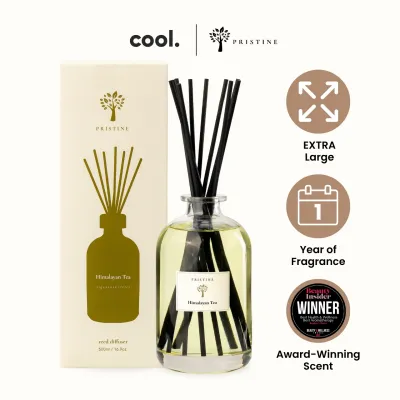
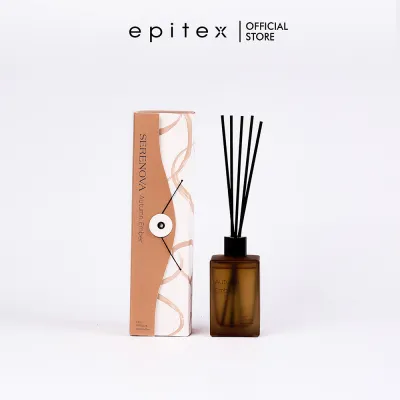
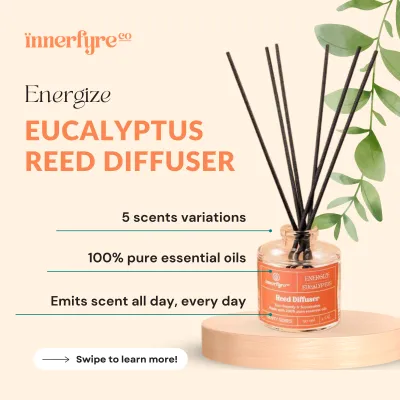
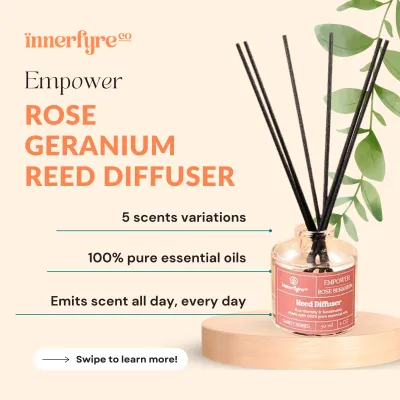
![[6 NEW SCENTS] Hooga Black Series Reed Diffuser 200ml](https://img.lazcdn.com/g/p/1ffd8c3f6be39df0f302c26adff3be23.jpg_400x400q80.jpg_.webp)
Prices are valid at publication and may change. Please refer to the product page for the latest price.
Carrier Base Viscosity
The carrier base is the liquid medium that holds the fragrance oil and allows it to travel up the reeds. Highly volatile bases, such as alcohol or low-molecular-weight esters, evaporate very rapidly. While they do an excellent job of pushing scent into a room quickly, they deplete the liquid reservoir at an accelerated rate. Conversely, non-volatile bases like dipropylene glycol (DPG), isopropyl myristate (IPM), or specialized eco-solvents have a much higher viscosity and lower vapor pressure. These dense bases bind tightly to the fragrance molecules, slowing down the evaporation process and ensuring the scent is released gradually over several months.
Reed Material and Porosity
The reeds themselves act as the gatekeepers of scent release. Traditional rattan reeds contain natural, microscopic cellular channels that draw liquid upward. However, because rattan is a natural wood product, these channels are irregular and can easily become clogged by heavy carrier oils, dust, or microscopic particles in the air. Synthetic or fiber reeds are engineered from polyester or cotton blends to have highly uniform, open pore structures. Fiber reeds wick liquid much more efficiently and consistently than rattan, but because they draw liquid so effectively, they can also cause the diffuser to empty faster if paired with a highly volatile base.
Bottle Design and Neck Diameter
The geometry of the vessel is a frequently overlooked factor in scent longevity. Evaporation occurs not just from the reeds, but also from the exposed surface of the liquid inside the bottle. A diffuser bottle with a wide mouth or a broad neck allows a significant amount of air contact, accelerating the natural evaporation of both the carrier and the fragrance. A narrow, constricted bottleneck limits this air exposure, ensuring that almost all the liquid must pass through the wicking action of the reeds before entering the room, which preserves the volume of the liquid for a longer period.
Fragrance Load vs. Base Ratio
There is a common misconception that a higher percentage of fragrance oil automatically translates to a longer-lasting diffuser. In reality, the fragrance load—which typically ranges from 15% to 30% in commercial products—primarily dictates the intensity, or “throw,” of the scent. If a high concentration of fragrance oil is mixed with a cheap, fast-evaporating alcohol base, the diffuser will smell incredibly strong for the first week or two before drying up completely. A balanced ratio of a moderate fragrance load paired with a high-quality, slow-release carrier base is the true secret to sustained longevity.
How Singapore’s Climate and Indoor Environments Impact Scent Life
Singapore’s distinct tropical climate, combined with modern indoor living habits, creates unique challenges for maintaining home fragrances. Ambient temperature, relative humidity, and mechanical airflow all play direct roles in how fast your reed diffuser depletes.

Air-Conditioned Rooms
Many Singaporeans run air conditioning in bedrooms, home offices, or living areas to combat the heat. Air conditioning units cool the air by removing moisture, creating a dry, low-humidity microclimate. While this cool environment slightly slows down the chemical evaporation of the carrier base, the dry air can dry out the exposed tops of natural rattan reeds, causing them to shrink and lose their wicking efficiency. In air-conditioned spaces, synthetic fiber reeds are highly recommended because their engineered structure remains stable and continues to wick consistently even when the air is exceptionally dry.
Tropical Humidity and Heat
In non-air-conditioned areas of a Singapore home—such as bathrooms, kitchens, service yards, or enclosed balconies—ambient temperatures frequently hover around 30°C, and relative humidity often exceeds 80%. High heat increases the kinetic energy of the liquid molecules, causing them to evaporate at an accelerated rate. Furthermore, extreme humidity can introduce moisture into hydrophilic (water-attracting) carrier bases. This moisture contamination can alter the density of the mixture, sometimes causing the liquid to turn cloudy, clog the reeds, or distort the original fragrance profile.
Airflow and Placement
Typical HDB flats and condominiums are designed to facilitate cross-ventilation, with open windows and ceiling fans keeping the air moving. Placing a reed diffuser directly in the path of a strong draft, near a standing fan, or right under a ceiling fan will dramatically speed up evaporation. The moving air constantly strips the fragrance molecules from the top of the reeds, forcing the capillary action to work in overdrive. For the best balance of scent distribution and longevity, diffusers should be placed in areas with gentle, natural air circulation rather than direct, high-speed drafts.
Comparing Reed Diffuser Formulation Types for Longevity and Value
Because independent, controlled testing data for every individual brand on the market is not publicly available, the most reliable way to evaluate a brand’s longevity is by identifying its formulation category. Most reed diffusers sold in Singapore fall into one of three primary formulation groups.
Solvent-Based and DPG Diffusers (The Long-Lasting Choice)
Premium commercial brands and high-quality home fragrance labels typically formulate their products using heavy synthetic solvents like dipropylene glycol (DPG) or Dow Chemical’s Dowanol. These solvents are highly stable, non-flammable, and have a very low evaporation rate. They are designed to bind with both synthetic and natural fragrance oils, creating a steady, uniform release over an extended period.
- Lifespan Expectations: A standard 100ml DPG-based diffuser will typically last between 8 to 12 weeks, while a larger 200ml vessel can easily last 4 to 6 months in a typical indoor environment.
- Scent Profile: The scent throw is usually subtle, consistent, and sophisticated, acting as a continuous background aroma rather than an overwhelming burst.
- Decision Framework: Choose this type if you want a subtle, continuous background scent for 2 to 4 months in an air-conditioned space.
Alcohol-Based Diffusers (The High-Throw, Shorter-Life Choice)
Many mass-market brands, boutique labels, and artisanal DIY diffusers utilize alcohol (such as denatured ethanol or isopropyl alcohol) as their primary carrier. Alcohol is highly volatile, meaning it transitions from a liquid to a gas very quickly at room temperature. This volatility is excellent for pushing heavy fragrance notes deep into large, open-concept living rooms.
- Lifespan Expectations: Due to rapid evaporation, a 100ml alcohol-based diffuser may dry up in as little as 3 to 5 weeks, especially in warm, non-air-conditioned spaces.
- Scent Profile: The initial scent throw is incredibly powerful, making it highly noticeable the moment you enter the room, but the intensity drops off sharply as the liquid level plummets.
- Decision Framework: Choose this type if you need immediate fragrance impact for a large living room or short-term use, and do not mind replacing the bottle more frequently.
Water-Based and Eco-Friendly Options
With growing consumer interest in green living, many local brands now offer diffusers formulated with eco-friendly solvents (such as Augeo Clean Multi, a biodegradable carrier derived from glycerin) or water-based emulsions. Augeo-based diffusers perform similarly to DPG, offering excellent scent throw and a slow, steady evaporation rate without the environmental footprint of petroleum-derived solvents. True water-based diffusers, however, rely on specialized surfactants to keep the fragrance oils suspended in water.
- Lifespan Expectations: Eco-solvent bases like Augeo can last 10 to 14 weeks for a 100ml bottle. True water-based formulas may last a long time but often suffer from poor wicking if the correct reeds are not used.
- Scent Profile: These formulations provide a clean, true-to-nature scent profile that is less likely to trigger headaches or respiratory sensitivities in enclosed spaces.
- Decision Framework: Verify first if the brand includes specific instructions for water-based maintenance, as these require different care than oil-based diffusers.
A Practical Framework to Choose and Maintain Your Diffuser
To maximize your investment and ensure your home always smells inviting, use this systematic approach to purchasing and maintaining your reed diffusers in Singapore.
Pre-Purchase Checklist
Before spending money on a new diffuser, take a moment to inspect the product specifications and packaging:
- Check the ingredients list: Look for terms like "alcohol-free," "glycol-based," "Augeo base," or "non-toxic solvent." Avoid products that list alcohol or ethanol as the very first ingredient if longevity is your primary goal.
- Examine the reeds: Ensure the package includes high-quality polyester fiber reeds rather than cheap, inconsistent rattan reeds, especially if you plan to use the diffuser in an air-conditioned room.
- Look at the bottle neck: Opt for bottles with a narrow opening or those that come with a collar that restricts the neck size once the reeds are inserted.
Evaluating Value
Do not judge a diffuser’s value solely by its upfront retail price in Singapore Dollars (SGD). Instead, calculate the cost-per-month of use. For example, a budget-friendly S$15 diffuser containing 100ml of an alcohol-based formula might dry up in 3 weeks, resulting in a monthly cost of roughly S$20. On the other hand, a premium S$60 diffuser containing 200ml of a DPG-based formula might last a full 5 months, bringing your monthly cost down to just S$12. Investing in a higher-quality formulation often saves you money in the long run.
Maintenance for Maximum Life
Once you have set up your diffuser, simple maintenance routines can significantly extend its lifespan:
- Flip the reeds sparingly: Flipping the reeds draws fresh, wet oil to the top, providing an immediate boost in scent. However, doing this too often accelerates liquid consumption. Limit flipping to once every one to two weeks, or only when you notice the scent fading.
- Keep them clean: Dust is the enemy of reed diffusers. In a typical Singapore home, dust accumulates quickly and can clog the pores of your reeds. Gently wipe the exposed parts of the reeds with a dry cloth occasionally to keep the channels open.
- Optimize placement: Always place your diffuser on a flat, stable surface away from direct sunlight, open windows, and heat-emitting electronics like television consoles or computer towers. Heat and UV light degrade the fragrance oils and speed up evaporation.
When to Stop and Replace
All reed diffusers eventually reach the end of their functional life, even if there is still liquid left in the bottle. You should replace your diffuser or reeds if you observe any of the following signs:
- Oxidation: The liquid has turned a dark yellow or muddy brown color, and the scent has taken on a sour, chemical, or metallic note.
- Permanent Clogging: The reeds feel completely dry to the touch at the top, even though the bottle is half-full, indicating that dust or heavy oils have permanently blocked the capillary channels.
- Thick Residue: The liquid has evaporated down to a thick, syrupy sludge that refuses to travel up the reeds.
Frequently Asked Questions (FAQ)
Can I add water or alcohol to my reed diffuser to make it last longer?
You should never add water or household alcohol to a commercially formulated reed diffuser. Diffuser liquids are carefully balanced chemical emulsions. Adding water will cause the fragrance oils to separate from the carrier base, resulting in an oily layer floating on top that will clog your reeds. Adding rubbing alcohol or high-proof spirits will break down the formulation, ruin the scent profile, and cause the liquid to evaporate almost instantly, drastically shortening the product’s lifespan rather than extending it.
How often should I flip the reeds to maintain the scent?
As a general rule, you should flip your reeds once a week or once every two weeks. Flipping the reeds exposes the saturated end to the air, providing a fresh burst of fragrance. However, there is a direct trade-off: every time you flip the reeds, you expose dry material to the liquid, which draws more oil out of the bottle. Flipping the reeds daily will make the scent very strong, but it will cause your diffuser to empty in a fraction of its expected lifespan.
Are reed diffusers safe to use around pets and children in enclosed spaces?
Yes, reed diffusers are generally safe, but they require careful placement and monitoring. Because they do not require heat or an open flame, they carry a much lower risk of fire than scented candles. However, many essential oils commonly used in diffusers—such as eucalyptus, tea tree, cinnamon, and citrus—are highly toxic to cats and dogs if ingested or absorbed through the skin. Always check the brand’s safety labels, keep the diffuser bottles completely out of reach of children and pets, and ensure the room has adequate, gentle ventilation to prevent the concentration of airborne oils from becoming overwhelming.
Community discussion
Share your experience or ask a question. Comments are reviewed before publication.