
Choosing the right sleepwear for an infant involves balancing tactile comfort, thermal regulation, and fabric durability. Love To Dream has established a significant presence in the baby bedding market with its signature swaddles and sleep suits designed to promote self-soothing. When deciding between the brand’s primary textile options—cotton and bamboo-derived fabrics—parents must look beyond marketing terminology to understand how these materials perform in real-world conditions.
Both cotton and bamboo offer distinct physical properties that affect how heat and moisture move away from a baby’s skin. The ideal choice depends on your home’s specific climate control, your baby’s skin sensitivity, and your preferred laundry routine. By evaluating the structural differences between these fibers, you can select the most comfortable and practical option for your family’s daily routine.
Comparing Cotton and Bamboo: Core Fabric Characteristics
While product lines and seasonal collections frequently introduce new designs, cotton and bamboo remain the foundational materials for high-quality baby swaddles and blankets. These two fibers differ significantly in their physical structure, weight, and how they drape over a baby’s body. Understanding these baseline textile characteristics is the first step in making an informed purchase.
Products mentioned in this guide
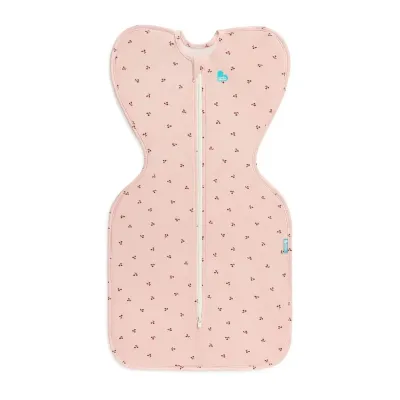
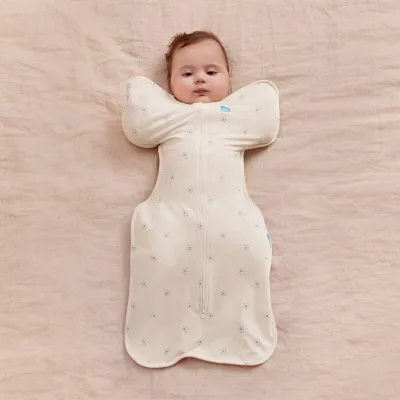
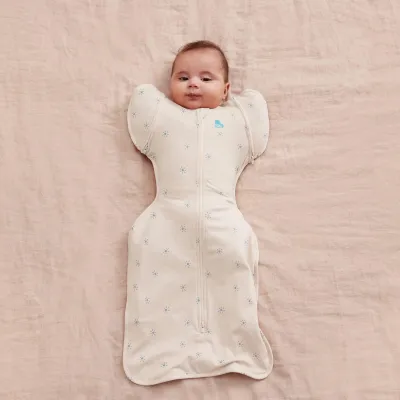
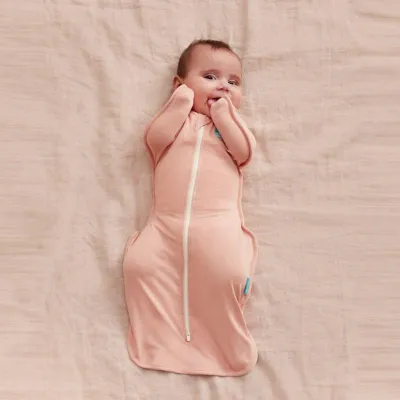
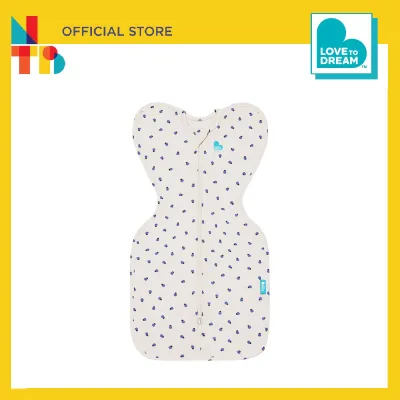
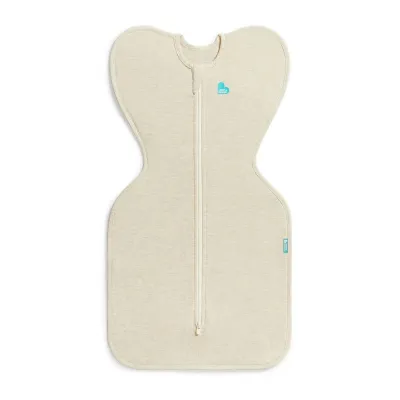
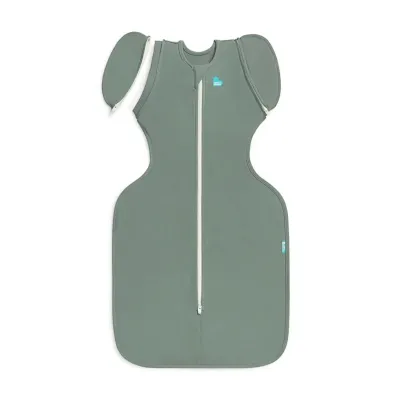
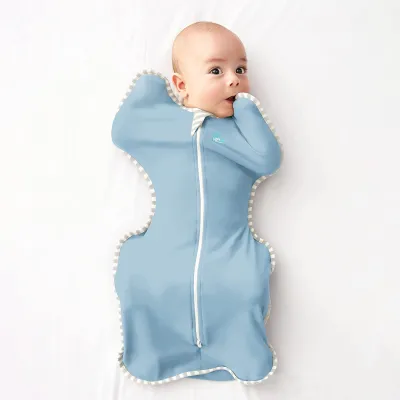
Prices are valid at publication and may change. Please refer to the product page for the latest price.
It is essential to note that marketing descriptions on websites or packaging may use simplified terms like “bamboo” or “organic cotton.” Before purchasing, always inspect the physical care label or detailed online specifications for the exact fiber blend. Many baby garments incorporate a small percentage of elastane (spandex) to provide the necessary stretch for comfortable movement and self-soothing. A typical blend might feature 93% to 97% of the primary fiber mixed with 3% to 7% elastane to maintain shape retention over time.
Cotton: Durability and Structured Breathability
Cotton is a natural seed-hair fiber that has served as the backbone of the global textile industry for centuries due to its inherent strength and breathability. In baby sleepwear, cotton fibers are typically spun into a soft jersey or woven into a lightweight muslin. This material provides a structured, reassuring feel that gently hugs the baby’s body without restricting natural joint movement.
The physical structure of a cotton fiber allows air to circulate freely through the weave, helping to regulate body temperature naturally. Cotton is highly resilient and handles frequent, heavy-duty laundering exceptionally well, maintaining its structural integrity even after dozens of machine washes. However, cotton fibers tend to retain moisture longer than synthetic or highly processed semi-synthetic fibers, which can result in a damp feel if a baby perspires heavily in a humid environment.
Bamboo: Smoothness and Moisture Management
Fabric labeled as “bamboo” in the baby textile industry is almost always a semi-synthetic fiber known as bamboo viscose or rayon. The manufacturing process involves dissolving natural bamboo wood pulp in a chemical solution to create a highly uniform, regenerated cellulose fiber. This process yields a finished textile that is incredibly smooth, highly flexible, and possesses a distinct, silk-like drape.
Bamboo viscose is highly valued for its exceptional moisture-wicking capabilities and cool-to-the-touch feel. The microscopic structure of viscose fibers allows them to absorb moisture rapidly and disperse it across a larger surface area, facilitating quick evaporation. While this makes the fabric feel highly comfortable against the skin, bamboo-derived textiles are generally more delicate than pure cotton. They require careful laundering to prevent the fibers from breaking down, fuzzing, or developing small pills over time.
Selecting the Best Material for Sensitive Skin and Comfort
An infant’s skin barrier is significantly thinner and more permeable than that of an adult, making babies highly susceptible to localized irritation, friction rashes, and contact dermatitis. When choosing sleepwear, minimizing mechanical friction against the skin is a primary consideration for maintaining overall comfort. The physical texture of the fabric weave plays a direct role in how skin reacts during sleep, especially when a baby moves or stretches.

Bamboo viscose offers a exceptionally smooth, low-friction surface that glides easily over dry or irritated skin. For babies who experience mild skin redness or are easily awakened by the tactile sensation of their clothing, this smooth finish can reduce sensory stimulation and physical irritation. High-quality, fine-gauge cotton jersey also offers a very soft surface that is highly suitable for daily wear, though it possesses a slightly more textured surface profile than bamboo viscose.
It is vital for parents to recognize that neither cotton nor bamboo fabrics serve as medical treatments or cures for underlying skin conditions like eczema or allergic dermatitis. If your baby exhibits persistent dry patches, severe redness, scaling, or signs of skin discomfort, you should consult a qualified pediatrician or pediatric dermatologist for a proper diagnosis and treatment plan. Use fabric selection as a supportive comfort measure rather than a primary medical intervention.
Observing your baby’s individual comfort cues is the most reliable way to determine which material is best suited for their needs. If a baby frequently rubs their limbs against the swaddle or wakes up with localized red patches where the fabric makes direct contact, testing a smoother bamboo-blend garment may provide relief. Conversely, if your baby prefers a more secure, structured feel that mimics a firm swaddle, a high-quality cotton knit may offer the physical reassurance they need to sleep soundly.
Adapting to Singapore's Climate: Humidity and Air-Conditioning
Managing an infant’s sleep environment in Singapore requires navigating a unique dual-climate reality. Outdoors, families experience high ambient temperatures and relative humidity levels that frequently exceed 80 percent. Indoors, many households rely heavily on air-conditioning to maintain a cool, stable sleeping environment, creating a stark contrast in temperature and moisture levels between different rooms.
In non-air-conditioned spaces or during daytime transition periods where rooms are naturally ventilated, managing sweat is the primary challenge. Bamboo viscose is particularly effective in these warm, humid conditions due to its rapid moisture absorption and cooling properties. By pulling sweat away from the baby’s skin and allowing it to evaporate quickly, bamboo helps prevent the clammy, overheated sensation that can lead to heat rashes and disrupted sleep cycles.
In consistently air-conditioned nurseries where temperatures are maintained between 22°C and 25°C, cotton’s structured breathability and natural insulation properties offer a distinct advantage. Cotton helps retain a stable layer of warm air close to the baby’s body, protecting them from sudden drafts or the chill of constant air circulation. The slightly heavier, more substantial feel of a cotton knit provides comfortable warmth in a cooled room without causing the baby to overheat.
To ensure your baby’s safety and comfort, always monitor their physical cues rather than relying solely on the ambient room thermometer. Check the back of your baby’s neck or their chest; if the skin feels hot or damp with sweat, the baby is likely too warm, and you should opt for a lighter fabric or adjust the room temperature. Cold hands and feet are normal for infants due to developing circulation, so focus on core body temperature when assessing comfort.
Additionally, always verify the manufacturer’s thermal rating, commonly known as the TOG (Thermal Overall Grade) rating, which is typically printed on the product packaging or physical garment tag. A lower TOG rating (such as 0.2 or 0.5 TOG) indicates a highly breathable, lightweight garment designed for warm weather, while a higher TOG rating (such as 1.0 TOG or above) indicates a thicker, warmer fabric suitable for cooler, air-conditioned rooms. Never rely on the fabric name alone to estimate warmth, as a thick bamboo fleece can be warmer than a thin, open-weave cotton muslin.
Reading Care Labels and Maintaining Fabric Integrity
To preserve the soft texture, stretch, and structural safety of baby sleepwear, proper laundering is essential. Before washing any new garment for the first time, locate and carefully read the physical care label sewn into the seam. Manufacturers provide specific instructions tailored to the exact fiber blend of the garment to prevent premature wear, shrinkage, or fiber degradation.
When washing baby sleepwear, adopt low-risk maintenance practices to protect both the fabric and your baby’s skin. Use a mild, fragrance-free, hypoallergenic detergent formulated specifically for infant clothing to minimize the risk of chemical residue causing skin irritation. Wash garments in cold or lukewarm water on a gentle cycle to reduce mechanical friction inside the washing machine drum.
Avoid using liquid fabric softeners or chlorine bleach on infant sleepwear. Fabric softeners leave a chemical coating on the fibers that can significantly reduce the fabric’s natural breathability and moisture-wicking capabilities over time. Bleach can weaken both cotton and bamboo fibers, leading to thinning fabric, loss of elasticity, and eventual tearing along the seams.
Air-drying is the gentlest method for maintaining fabric integrity, particularly for bamboo-derived viscose. If you must use a clothes dryer, select a low-heat or air-fluff setting to prevent heat-induced shrinkage, which is common in pure cotton garments, and to protect elastane fibers from losing their stretch. When line-drying outdoors in tropical climates, hang bamboo garments in a shaded, well-ventilated area rather than direct, harsh sunlight to prevent the fabric from stiffening or fading.
Regularly inspect your baby’s swaddles and blankets for signs of wear and tear that could pose a safety hazard. Check the stitching along the seams, around the neckline, and near the zipper tracks for loose threads that could wrap around tiny fingers or toes. Ensure that zippers glide smoothly and that the protective fabric tabs at the collar remain intact to prevent the zipper pull from scratching your baby’s chin.
Always adhere to established safe sleep guidelines when using any bedding or sleepwear product. If a product is designed as a wearable swaddle or sleep bag, it must fit snugly around the neck and chest to prevent the baby’s head from slipping inside the garment. Never place loose blankets, pillows, or soft toys inside a crib or bassinet, as these items can cover a baby’s face and create a serious suffocation hazard.
Frequently Asked Questions (FAQ)
Can I use bamboo or cotton blankets in an air-conditioned room?
Yes, both bamboo and cotton blankets or wearable swaddles are suitable for use in air-conditioned rooms. Rather than choosing based on the fiber name alone, you should check the product’s official TOG (Thermal Overall Grade) rating to ensure the thickness is appropriate for your nursery’s temperature. For a standard air-conditioned room kept between 22°C and 24°C, a garment with a 1.0 TOG rating is generally recommended. You can adjust your baby’s comfort by adding or removing thin clothing layers underneath the swaddle to maintain a comfortable core body temperature.
How do I wash bamboo fabrics to prevent pilling?
To prevent bamboo viscose from pilling and losing its smooth texture, wash the garments inside out in cold water using a gentle or delicate machine cycle. Use a mild, liquid baby detergent and avoid washing bamboo items alongside rough fabrics such as denim, heavy towels, or garments with exposed hook-and-loop fasteners (Velcro). Skip the fabric softener, as it can degrade the fibers. For best results, lay the garments flat or hang them to air-dry in a shaded, well-ventilated area away from direct, intense sunlight.
Community discussion
Share your experience or ask a question. Comments are reviewed before publication.