
When comparing Love To Dream to other throw blanket brands, the most important factor to understand is that they serve entirely different purposes. Love To Dream is a specialized brand focusing on infant sleep solutions, such as swaddles and sleep bags, whereas traditional throw blanket brands design products for adult home decor, warmth, and styling. If you are looking for a cozy, heavy throw blanket to drape over a sofa in a Singapore living room, purchasing an infant swaddle by mistake will lead to mismatched expectations in size, weight, and fabric structure. Conversely, if you need a highly breathable, safe, and secure wrap for a newborn, a standard home throw blanket cannot safely substitute for a certified infant swaddle. Understanding these distinctions ensures you invest in the correct textile category for your household’s specific needs.
Clarifying the Product Line: Baby Swaddles vs. Home Throw Blankets
Before evaluating material quality, you must verify the exact product line you require. Love To Dream has built its reputation on specialized infant sleep systems, particularly their signature swaddles that allow babies to sleep in a natural arms-up position. These products are engineered specifically for newborns and infants, prioritizing snug fits, startle-reflex reduction, and temperature regulation. While the brand does offer lightweight muslin blankets, these are designed for nursery use, stroller shading, or infant swaddling rather than serving as decorative accents for adult living spaces.
Traditional home throw blankets, on the other hand, are designed for versatile use across sofas, armchairs, and beds. They are significantly larger, typically measuring at least 120 cm by 150 cm, whereas baby swaddles and receiving blankets are much smaller and often contoured to fit an infant’s body. Home throw blankets also feature heavier fabric weights, decorative fringes, and diverse textures like chunky knits or plush fleece, which are unsuitable and potentially hazardous for unsupervised infant sleep.
Products mentioned in this guide
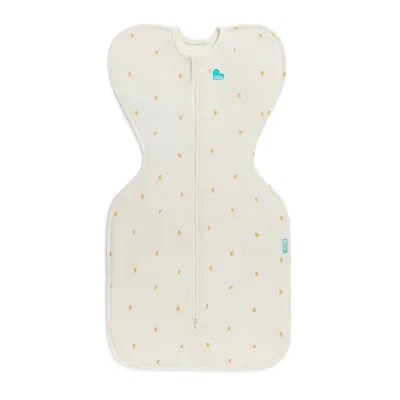
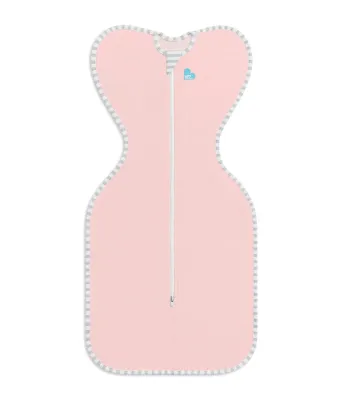
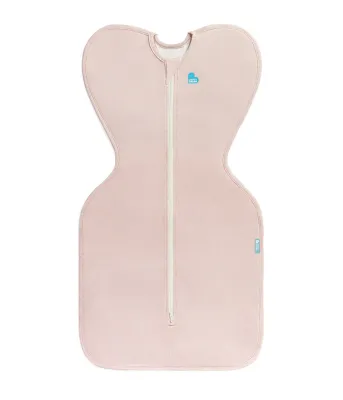
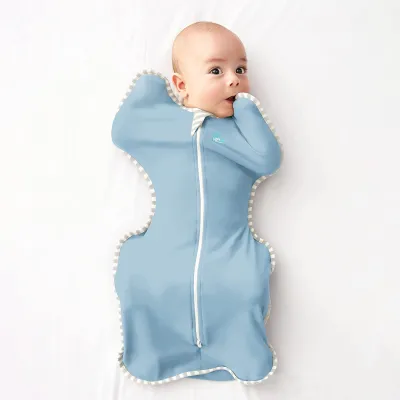
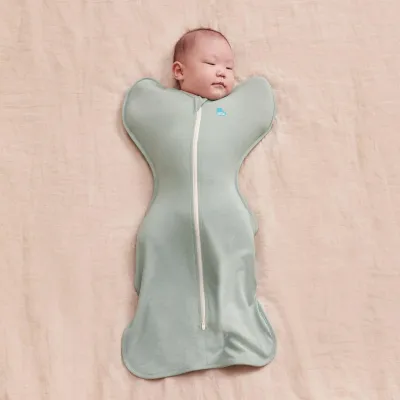
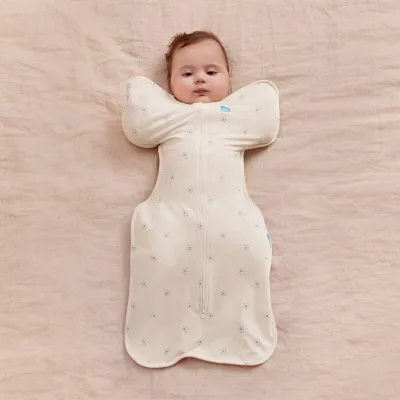
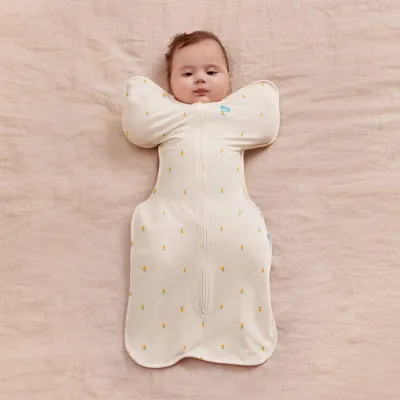
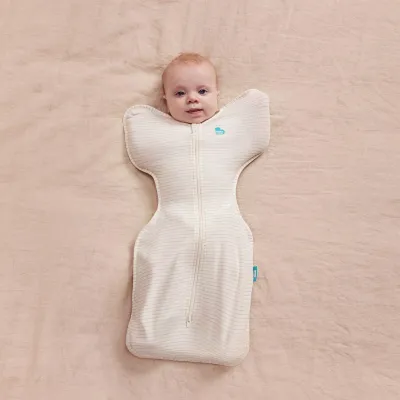
Prices are valid at publication and may change. Please refer to the product page for the latest price.
To avoid purchasing errors on online marketplaces or home decor platforms, always check the product specifications carefully. Look for the target age group, fabric weight, and exact dimensions listed in the product description. If a listing mentions “swaddle,” “sleep bag,” or “0-6 months,” it is an infant product designed for safety and snugness, not a loose throw blanket for your living room. For adult spaces, look for terms like “sofa throw,” “bed runner,” or “leisure blanket” with dimensions suitable for adult coverage.
Evaluating Material Quality in Baby Muslin Blankets
When evaluating infant blankets from Love To Dream and competing baby textile brands, material safety and breathability are the primary quality indicators. Baby blankets commonly utilize cotton muslin, bamboo-derived viscose, or blends of both. Cotton muslin is highly valued for its open, plain weave, which allows air to flow freely, reducing the risk of overheating in warm climates. Bamboo viscose blends often provide a silkier, cooler tactile feel, which can be highly soothing for an infant’s sensitive skin.

To verify the safety of these materials, look for recognized textile certifications on the packaging or official brand documentation. Certifications such as OEKO-TEX Standard 100 indicate that the fabric has been tested for harmful substances and is safe for direct contact with baby skin. Avoid products that do not specify their material composition or lack clear labeling regarding non-toxic dyes, as infant skin is highly permeable and susceptible to irritation from chemical residues.
Physical inspection of a high-quality baby blanket reveals tight, even weaving along the edges and robust stitching that resists fraying. High-quality muslin should feel soft out of the package, but its true test is how it behaves after washing. Premium cotton and bamboo muslin blankets are designed to become progressively softer with each wash cycle, rather than becoming stiff, pilling excessively, or losing their shape. Inspecting the hem construction ensures that loose threads will not unravel and pose a wrapping hazard for tiny fingers and toes.
Material Standards for Traditional Home Throw Blankets
For those seeking traditional adult home throw blankets, the material selection directly dictates the blanket’s warmth, drape, and maintenance requirements. Common materials include natural fibers like cotton and wool, as well as synthetic options like polyester fleece and acrylic chenille. Cotton throws offer excellent breathability and a crisp, clean drape, making them ideal for tropical climates or lightly air-conditioned spaces. Wool provides exceptional insulation and a classic, heavy drape, though it requires more delicate care to prevent shrinking.
Synthetic materials like fleece and chenille are popular for their immediate warmth and plush, velvety textures. These materials are highly resistant to wrinkling and are generally budget-friendly, making them practical choices for high-traffic family rooms. However, synthetic fibers tend to trap heat and moisture more than natural fibers, which might feel overly warm in a humid environment without active air conditioning.
When selecting a home throw, check the care label to assess long-term usability and maintenance. Look for indications of pilling resistance, as loose fibers on low-quality synthetic or loosely spun wool blankets can quickly form unsightly pills after minimal use. Machine-washable fabrics offer the greatest convenience, whereas delicate knits or wool blends may require hand washing or dry cleaning. Understanding these material properties helps you match the blanket to your specific living space and lifestyle.
Value for Money: How to Compare Pricing and Longevity
To assess the true value of a blanket without relying on temporary retail promotions, you can use a simple cost-per-use or cost-per-square-meter calculation. A smaller, specialized infant swaddle may carry a higher price tag relative to its size due to safety testing, specialized patterns, and certified organic materials. A larger, basic cotton throw blanket might cost less per square meter but lacks the specialized construction required for infant care. Comparing blankets based on their specific utility prevents overpaying for features you do not need.
Multi-functional utility also enhances a product’s overall value. For example, a high-quality, oversized baby muslin blanket can transition from a swaddle to a stroller cover, a nursing shield, or even a lightweight lap blanket for an adult during travel. Investing in a durable, multi-use textile often proves more economical than buying multiple single-purpose items that are quickly outgrown or discarded.
Durability is signaled by specific construction details that you can observe before or immediately after purchase. Look for reinforced double-stitched hems, high-quality long-staple yarns that resist shedding, and stable weave structures that do not distort when gently stretched. A well-constructed blanket retains its shape, color, and texture over years of use and laundering, representing a much better long-term investment.
When planning your budget, high-quality baby muslin blankets and standard decorative throws generally range from S$30 to S$90, depending on the material purity and brand certifications. Basic synthetic options are often available at lower price points, while premium organic cotton, bamboo viscose, or pure wool blankets sit at the higher end of the spectrum. Setting a realistic budget within this range allows you to prioritize certified safety for infants or long-term durability for home decor.
Decision Framework: Which Brand and Material Fits Your Needs?
To finalize your purchase, identify your primary use case and match it to the appropriate brand and material category. If your immediate need is a safe, highly breathable, and structurally secure sleep solution for a newborn, specialized infant brands like Love To Dream are the appropriate choice. Their focus on ergonomic designs and certified baby-safe fabrics ensures peace of mind during sleep.
If you are looking for general nursery textiles, such as large receiving blankets, decorative crib drapes, or organic cotton swaddles with specific aesthetic patterns, explore dedicated baby textile brands. Look for manufacturers that offer certified organic cotton or bamboo muslin with verified non-toxic certifications to ensure the material is gentle on sensitive infant skin.
For those decorating a living room, bedroom, or study, bypass infant brands entirely and focus on dedicated home decor and furnishing brands. Select standard-sized throw blankets made from breathable cotton for warm climates, or choose heavy knits, wool, or plush fleece for air-conditioned comfort. This ensures your throw blanket provides the correct dimensions, weight, and aesthetic appeal to complement your home interior.
Frequently Asked Questions (FAQ)
Can I use a baby muslin swaddle as a regular throw blanket for adults?
A standard baby muslin swaddle is generally too small to serve as a practical throw blanket for an adult. Most infant swaddles measure around 100 cm by 100 cm or smaller, which is insufficient to cover an adult comfortably on a sofa or bed. However, a large muslin swaddle can function exceptionally well as a lightweight lap cover, a travel blanket for flights, or a breathable shield against mild drafts in air-conditioned rooms. For full coverage and warmth, it is highly recommended to purchase a purpose-built adult throw blanket designed with appropriate dimensions and weight.
How should I wash cotton or bamboo muslin blankets to maintain their softness?
To preserve the delicate weave and softness of cotton or bamboo muslin blankets, always consult the manufacturer’s care label first. As a general rule, wash these blankets in cold water on a gentle or delicate cycle using a mild, liquid detergent free of optical brighteners. Avoid using fabric softeners, as they can leave a residue that reduces the natural breathability and absorbency of the fibers. Line drying in the shade is the gentlest method to prevent shrinkage, but if you must use a dryer, select a low-heat, tumble-dry setting. If the open weave suffers a minor snag, gently pull the fabric diagonally from opposite corners to help wiggle the thread back into its original position.

Community discussion
Share your experience or ask a question. Comments are reviewed before publication.