
Choosing a Lynk fragrance diffuser depends on your specific space constraints, aesthetic goals, and how you prioritize design versus raw water capacity. Lynk stands out for its modern, minimalist design aesthetic, making it a popular lifestyle choice for contemporary Singaporean homes. If you prioritize a sleek, decorative piece that doubles as a subtle ambient light source for a standard HDB bedroom or study, Lynk is a highly compelling choice.
Conversely, if your primary goal is to scent a sprawling, open-concept living and dining area, or if you require advanced smart-home integrations like mobile app scheduling or voice assistant compatibility, other specialized utility or smart brands may serve you better. Always verify current stock, exact model dimensions, and warranty coverage on official brand channels or authorized local retail platforms before making a final purchase.
Key Specs to Verify Before Buying Any Diffuser
Before committing to any brand, cross-reference marketing claims with the physical product label, user manual, or official specification sheets. Key parameters include mist output rates, tank capacity, safety features, build materials, and noise levels. Understanding these technical features ensures you select a device that performs reliably in your specific living environment.
Products mentioned in this guide
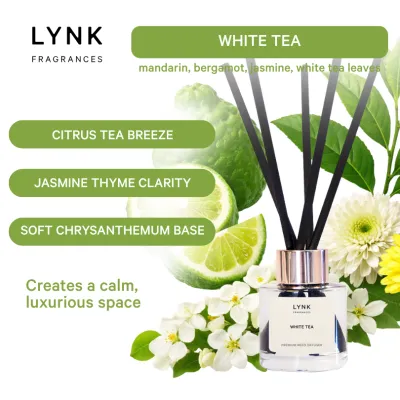
Prices are valid at publication and may change. Please refer to the product page for the latest price.
Matching Mist Output to Your Room Size
Mist output is typically measured in milliliters per hour (ml/h), which determines how quickly and effectively the device disperses water and essential oils into the air. In Singapore’s tropical climate, indoor humidity is already naturally high, making mist control a vital consideration. If you run an air conditioner, the air becomes dry, making an ultrasonic mist diffuser a pleasant dual-purpose addition. However, in non-air-conditioned spaces, excessive mist output can lead to over-saturation, damp surfaces, and potential mold growth.
For a standard HDB bedroom or study (typically ranging from 9 to 12 square meters), a modest mist output of 15 to 30 ml/h is generally sufficient to distribute fragrance without over-humidifying the room. For larger, open-concept living and dining areas, you will require a diffuser capable of producing 50 ml/h or more, or consider a waterless nebuliser that disperses pure oil without adding moisture to the air. Always check if the diffuser model features adjustable mist settings so you can tailor the output to daily ambient humidity levels.
Evaluating Runtime and Safety Shutoffs
The relationship between water tank capacity (measured in milliliters) and mist output determines the continuous runtime of the device. A compact 100ml diffuser operating at a standard output of 20 ml/h will run for approximately five hours before depleting its water supply. This is ideal for evening relaxation or a short work session but may not last through the night.
If you plan to run your diffuser overnight while sleeping, look for a larger tank capacity—typically 300ml to 500ml—or a model with an intermittent misting mode that stretches the runtime by cycling the mist on and off. Safety must be a primary consideration, especially for devices operating unattended or while you sleep. Ensure any water-based diffuser you select features an automatic low-water shutoff. This mechanism immediately cuts power to the ultrasonic plate when the water level drops below a safe threshold, preventing overheating, dry burning, and potential electrical hazards.
Assessing Build Materials and Operational Noise
The materials used in a diffuser’s construction affect both its aesthetic appeal and its durability. High-quality diffusers utilize BPA-free plastics for the internal water tank to ensure that essential oils do not degrade the plastic over time. Corrosive citrus oils can easily damage inferior plastics, leading to leaks or cracks. The exterior shell may feature premium materials such as hand-crafted ceramic, glass, solid wood, or high-grade resin, which elevate the device from a simple appliance to a decorative home accessory.
Operational noise is another critical factor, particularly for bedrooms, nurseries, or home offices. Ultrasonic diffusers generally operate very quietly, but you should still verify the decibel (dB) rating if available. Look for devices rated under 30 dB, which is equivalent to a quiet whisper, and check user reviews for reports of excessive trickling water sounds or motor hums that could disrupt sleep or concentration.
Lynk Fragrance Diffusers: Design Profile and Ideal Use Cases
Lynk Fragrance has carved out a distinct niche in the Singaporean market by focusing heavily on lifestyle integration, modern design, and curated scent journeys. Their diffuser lineup typically features sleek, minimalist silhouettes, matte finishes, and neutral color palettes—such as soft whites, deep charcoals, or warm earth tones—that complement contemporary interior design styles like Scandinavian, Japandi, or industrial modernism. Many Lynk models incorporate warm, ambient LED lighting that can be operated independently of the misting function, allowing the device to serve as a bedside nightlight or a subtle mood lamp in the living room.

These design choices make Lynk diffusers particularly well-suited for visible placement on prominent surfaces, such as console tables, open shelving, or bedside drawers, where they contribute to the room’s overall decor even when turned off. In terms of ideal use cases, Lynk diffusers are optimized for personal spaces and medium-sized rooms, such as master bedrooms, home offices, and cozy living areas. They provide a balanced fragrance throw that is noticeable without being overwhelming, making them excellent for daily relaxation, meditation, or creating a welcoming atmosphere for guests.
When purchasing a Lynk diffuser in Singapore, it is crucial to verify the specific model’s electrical requirements and power interface. Ensure the device is compatible with Singapore’s standard 230V / 50Hz electrical supply. Many modern diffusers utilize USB-C power inputs, which offer excellent flexibility as they can be powered via standard mobile phone adapters, power banks, or laptop ports. If the model relies on a direct wall plug, verify that it comes with a safety-certified Type G three-pin plug or a compliant adapter. Additionally, check the product packaging or official online listings to confirm the included accessories, such as power cables, measuring cups, and user manuals, to ensure a seamless setup experience.
How Lynk Stacks Up Against Competing Brands
To help you make an informed decision, it is helpful to compare the general characteristics of Lynk diffusers against other common categories of diffusers available in the Singaporean market. Below is a comparison framework detailing how different diffuser types align with various user priorities.
| Diffuser Category | Typical Tank Capacity | Average Runtime | Primary Materials | Key Strengths | Best Suited For |
|---|---|---|---|---|---|
| Lynk Lifestyle Series | 100ml – 200ml | 4 – 8 hours (intermittent) | Ceramic, BPA-free plastic | Aesthetic design, ambient lighting, compact footprint | Bedrooms, home offices, decorative placement |
| High-Capacity Utility Brands | 300ml – 1000ml | 10 – 24 hours | Standard plastic, wood-grain print | Long runtimes, high mist output, budget-friendly | Large living rooms, overnight use, continuous scenting |
| Smart App-Enabled Brands | 200ml – 400ml | 6 – 12 hours | Plastic, metal accents | Mobile app control, scheduling, voice assistant integration | Smart home enthusiasts, automated routines |
| Waterless Nebuliser Brands | N/A (Direct oil bottle) | Variable (timer-based) | Aluminum alloy, glass | Intense fragrance throw, no added humidity, pure oil dispersion | Large open spaces, professional settings, high-intensity scenting |
When analyzing these options, the trade-offs become clear. If you choose a compact, design-forward option like Lynk, you are prioritizing visual harmony and space-saving elegance. The trade-off is a smaller water reservoir, which requires more frequent refilling if you intend to run the device continuously throughout the day. On the other hand, choosing a high-capacity utility diffuser provides maximum runtime and coverage, but these devices often feature bulky, purely functional plastic designs that may not align with a carefully curated home aesthetic.
Similarly, smart-enabled diffusers offer unparalleled convenience through scheduling and remote operation, but they typically command a higher price point (often ranging from S$80 to S$150+) and introduce technical complexities, such as app setup and Wi-Fi connectivity troubleshooting. Waterless nebulisers offer the most potent scent throw and eliminate the risk of raising indoor humidity, but they consume essential oils much faster than ultrasonic models and can produce a more noticeable mechanical hum during operation.
Long-Term Value: Maintenance, Safety, and Upkeep
The true cost of owning a fragrance diffuser extends beyond the initial retail price; it includes ongoing maintenance, oil consumption, and adherence to safety protocols to ensure the device remains functional for years. Ultrasonic diffusers rely on a small ceramic disc or plate at the bottom of the water tank that vibrates at ultrasonic frequencies to atomize water and oil into a fine mist. Over time, mineral deposits from tap water and residual essential oils can build up on this plate, reducing mist output or causing the device to stop working entirely.
To prevent this, perform routine maintenance at least once a week. Before cleaning, check the applied product’s label and the treated item’s manufacturer instructions. If instructions conflict, the item is unidentified, or the use is not covered, stop and consult the manufacturer or a qualified professional.
Always isolate the power supply by unplugging the device before cleaning. Empty any remaining water from the tank, taking care not to let water enter the air outlet port, which can damage the internal electronics. Wipe the interior of the tank with a soft, damp cloth and a few drops of mild dish soap or white vinegar to dissolve oil buildup. For the ultrasonic plate itself, use a cotton swab dipped in rubbing alcohol or white vinegar to gently clean the surface without scratching it. Rinse thoroughly with clean water and dry with a soft cloth before refilling.
Essential oil compatibility is another critical factor for long-term upkeep. Always refer to the manufacturer’s care instructions regarding the types of oils permitted. While pure, high-quality essential oils are ideal for ultrasonic diffusers, synthetic fragrance oils, thick carrier oils (such as jojoba or coconut oil), or oils containing heavy additives can degrade the plastic tank, clog the misting mechanism, and void your warranty. If you notice a decrease in mist output, a strange odor, or unusual noises, stop using the device immediately, consult the user manual, or contact the manufacturer’s customer service.
Electrical safety is paramount when dealing with devices that combine water and electricity. Always place your diffuser on a flat, stable, water-resistant surface to prevent accidental tipping. Avoid placing it directly on solid wood furniture, electrical appliances, or delicate fabrics that could be damaged by moisture or oil droplets. Ensure the power cord is dry and free from damage, and look for recognized safety certifications, such as the Singapore Safety Mark on the power adapter, to ensure compliance with local electrical safety standards. Never leave a water-based diffuser running unattended for extended periods, especially if you have pets or young children who might knock it over.
Final Verdict: How to Choose the Right Diffuser for Your Space
To make your final decision, evaluate your home environment, daily routines, and aesthetic preferences against the distinct profiles of the diffusers discussed.
Choose a Lynk fragrance diffuser if your primary goal is to elevate your home decor with a sleek, minimalist accessory that provides reliable, localized scenting and ambient lighting for a standard-sized bedroom, study, or cozy living nook. It is the ideal choice for those who view home fragrance as an integral part of their interior design and lifestyle presentation.
Choose a high-capacity utility diffuser if you prioritize sheer performance, need a device that can run continuously for 12 to 24 hours without a refill, or wish to scent a large, open-concept communal space on a budget.
Choose a smart-enabled diffuser if you have a fully integrated smart home and want the convenience of scheduling your fragrance dispersion to match your morning alarm or evening return-home routine via an app.
Choose a waterless nebuliser if you want an intense, pure scent experience without adding any moisture to the air, and do not mind the higher oil consumption and slight operational sound.
Before finalizing your purchase, always verify the retailer’s return policy, the duration of the warranty coverage, and the ease of sourcing replacement parts (such as power adapters or replacement tanks) directly from the brand or authorized distributors in Singapore. This ensures that your investment remains protected and continues to enhance your living space for a long time to come.
Community discussion
Share your experience or ask a question. Comments are reviewed before publication.