
Determining how long a reed diffuser from Lynk Fragrances will last in your home depends on a mix of product specifications, environmental conditions, and how you manage the reeds. Generally, a standard reed diffuser can provide continuous fragrance for anywhere from one to three months, but this timeline is highly variable. To evaluate the true value of your investment, you need to look closely at the volume of the bottle, the formulation of the fragrance oil, and the specific room dynamics where the diffuser is placed.
By understanding the mechanics of evaporation and scent dispersion, you can make an informed decision before purchasing. This guide breaks down the factors that influence the lifespan of these home fragrance products, offers practical tips to extend their longevity, and provides a framework to calculate their long-term cost-effectiveness in a typical household setting.
Understanding Lynk Reed Diffuser Longevity
To set realistic expectations for your home fragrance, start by checking the product label or official specifications for the stated volume in milliliters (ml). Larger bottles naturally contain more liquid and will last longer, but the manufacturer’s estimated duration is always a baseline calculated under controlled laboratory conditions. You should treat these estimates as a starting point rather than a guaranteed lifespan for your specific living space.
Products mentioned in this guide
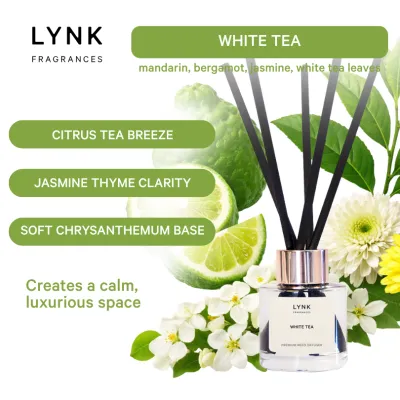
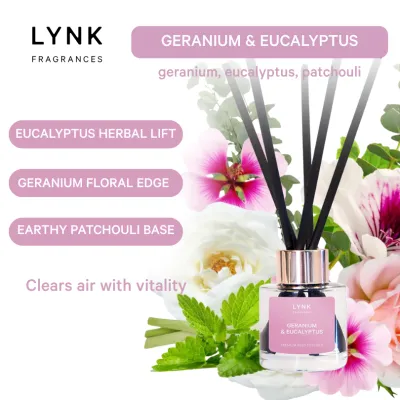
Prices are valid at publication and may change. Please refer to the product page for the latest price.
The primary mechanism of a reed diffuser relies on capillary action, where the fragrance oil travels up the porous channels of the reeds and evaporates into the air. Consequently, the number of reeds you insert into the bottle directly correlates with the evaporation rate. Placing more reeds in the vessel increases the surface area available for evaporation, which intensifies the scent throw but also depletes the oil much faster.
Another critical factor is the composition of the fragrance oil base itself. Different bases evaporate at varying speeds depending on their chemical formulation. Alcohol-based diffusers tend to evaporate rapidly, offering a strong initial scent throw but a shorter overall lifespan. In contrast, glycol-based or specialty oil-based formulations evaporate more slowly and evenly, providing a more sustained and consistent fragrance experience over time.
Environmental Factors That Affect Scent Duration
The climate and indoor conditions of your home play a massive role in how quickly a reed diffuser depletes. In a tropical environment like Singapore, high ambient temperatures and humidity levels significantly alter evaporation rates. If you place a diffuser in a room that relies on natural ventilation, the constant exposure to warm, humid air can accelerate the breakdown and evaporation of the fragrance oils.

Conversely, operating an air conditioner changes the dynamic entirely. Air conditioning cools the room but also strips moisture from the air, creating a dry environment that can cause the reeds to draw up oil more rapidly to combat the dryness. The constant airflow from air conditioning vents or ceiling fans also speeds up the rate at which the scent is pulled from the reeds, leading to faster oil consumption.
Direct sunlight is another major accelerator of oil depletion. Placing your diffuser on a sunny windowsill exposes the liquid to solar heat and ultraviolet rays, which not only speeds up evaporation but can also degrade the delicate aromatic compounds, altering the scent profile. Additionally, the size of the room and its natural draft patterns dictate how effectively the scent disperses; a drafty hallway will pull scent away quickly, prompting you to use more reeds than you would in a closed study or bedroom.
How to Extend the Life of Your Reed Diffuser
Maximizing the lifespan of your diffuser requires active management rather than a set-and-forget approach. One of the most effective habits to establish is a regular routine for flipping the reeds. Flipping the reeds refreshes the scent throw by bringing the saturated bottom ends to the top, but doing this too frequently will accelerate total evaporation. For a balanced approach, aim to flip the reeds once every one to two weeks, or only when you notice the fragrance beginning to fade.
You can also control the longevity of the product by adjusting the number of reeds based on the specific room size and your personal scent preference. In smaller spaces like bathrooms or compact entryways, you rarely need a full set of reeds; using just three or four reeds will provide an adequate scent throw while significantly extending the life of the oil. Save the maximum number of reeds for larger, open-plan living areas where a stronger throw is necessary to cover the space.
Placement is equally vital for preservation. Keep the diffuser bottle away from direct heat sources, such as radiators, electronic appliances that generate heat, and sunny spots. Avoid placing them directly under air conditioning units or in high-humidity zones like unventilated shower areas, as extreme moisture can interfere with the reeds’ ability to absorb the oil effectively, leading to uneven performance and wasted product.
Signs It Is Time to Replace Your Diffuser
Recognizing when your reed diffuser has reached the end of its functional life helps you avoid keeping an ineffective decorative bottle on display. The most obvious sign is a significant drop in scent throw that persists even after you flip the reeds. If the room no longer carries the fragrance, the active aromatic compounds have likely fully evaporated, leaving behind only the heavier, less volatile base oils.
You should also inspect the reeds themselves for physical degradation. Over time, reeds accumulate airborne dust, pet dander, and household oils, which clog the microscopic pores responsible for capillary action. If you notice visible dust buildup, discoloration, or a sticky texture on the reeds, they can no longer absorb and disperse the fragrance oil efficiently, regardless of how much liquid remains in the bottle.
Finally, monitor the remaining liquid level and its physical appearance. As a diffuser ages, the remaining oil may undergo changes in color or consistency, often becoming darker, thicker, or cloudy due to oxidation and exposure to light. When the liquid level drops to a shallow pool at the bottom of the bottle, or if the oil has thickened significantly, the diffuser will struggle to draw the liquid up the reeds, signaling that it is time for a refill or a complete replacement.
Evaluating Value for Money Across Product Lines
To determine if a premium home fragrance option fits your budget, it is helpful to establish a clear framework for calculating the true cost of ownership. You can calculate the estimated monthly cost of running a diffuser by dividing the retail price in S$ by the expected lifespan in months. For example, if a starter kit costs S$45 and lasts approximately three months under your home conditions, your ongoing cost is S$15 per month, which allows for direct comparison with other home scenting methods like candles or electronic diffusers.
When looking at product lines from brands like Lynk Fragrances, comparing the cost-per-milliliter of different purchasing options is highly beneficial. Larger volume refills almost always offer a lower cost-per-ml than smaller starter kits that include the decorative glass vessel. If you plan to use a specific scent long-term, investing in a larger refill bottle and reusing your existing glass container is a highly economical and environmentally friendly strategy.
Do not forget to factor in the ongoing cost of replacement reeds when budgeting for long-term use. Because reeds clog and lose their effectiveness over time, you will need to purchase fresh reeds whenever you refill the bottle or switch scents. Including the price of a pack of high-quality fiber or rattan reeds into your overall budget ensures you maintain a consistent scent throw without unexpected extra expenses.
Frequently Asked Questions (FAQ)
Can I reuse the reeds when I buy a Lynk refill?
Reusing old reeds with a fresh batch of oil is generally not recommended if you want to achieve the best possible scent throw. Over weeks of continuous use, the porous channels inside the reeds become clogged with dust, environmental particles, and settled oil residue. When you pour fresh oil into the vessel, these clogged reeds will struggle to draw up the new liquid, resulting in a very weak fragrance performance. To get the full value out of your refill, always pair it with a brand-new set of reeds.
Does adding water or carrier oil make the diffuser last longer?
Attempting to dilute your diffuser oil with water or household carrier oils to extend its life is highly counterproductive. The proprietary fragrance blends used by brands like Lynk Fragrances are carefully formulated with specific solvent-to-fragrance ratios to ensure stable evaporation and consistent scent throw. Adding water will cause the oil and water to separate, ruining the capillary action of the reeds, while adding unauthorized carrier oils can make the mixture too thick to travel up the reeds at all, effectively ruining the remaining fragrance.

Community discussion
Share your experience or ask a question. Comments are reviewed before publication.