
Standard ceiling heights in Singapore’s Housing & Development Board (HDB) flats present unique spatial and design challenges. With a typical clearance of just 2.6 meters, heavy, low-hanging pendant lights or thick, surface-mounted fixtures can easily make a room feel cramped, visually cluttered, and physically restrictive. Opting for a modular ceiling light magnet system provides a streamlined, low-profile alternative that preserves precious vertical space while offering exceptional illumination versatility.
By transitioning to magnetic lighting, homeowners can achieve a clean, modern aesthetic without sacrificing headroom. These systems rely on low-voltage tracks or slim flush-mount bases that allow various light modules to be rearranged, swapped, or adjusted instantly. Understanding how to select the right system, evaluate brand quality, and install these fixtures safely is key to transforming your HDB living environment.
Spatial Benefits of Magnetic Lights in 2.6m HDB Flats
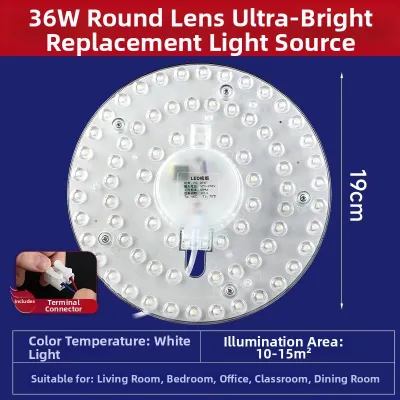
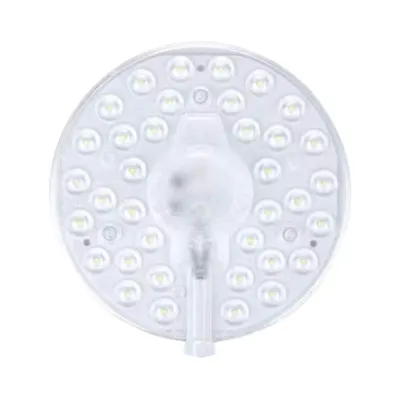
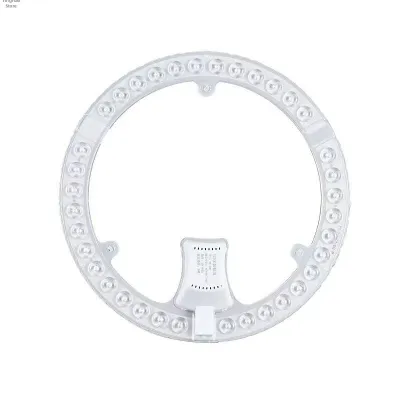
Magnetic ceiling lights generally fall into two categories: low-voltage magnetic track systems and ultra-thin magnetic module flush mounts. In a track system, a slim metal channel is installed on or within the ceiling, carrying a safe 24V or 48V direct current (DC). Light modules—such as linear floodlights, folding spotlights, or accent pendants—simply snap into the track via magnetic force, drawing power instantly without individual wiring. Flush-mount magnetic systems utilize a similar magnetic connection, where a low-profile LED light engine snaps directly onto a thin metal base pan fixed to the ceiling.
Products mentioned in this guide
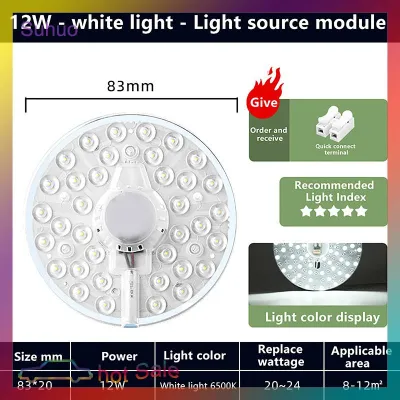
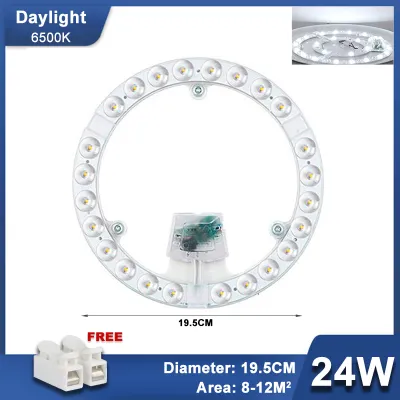
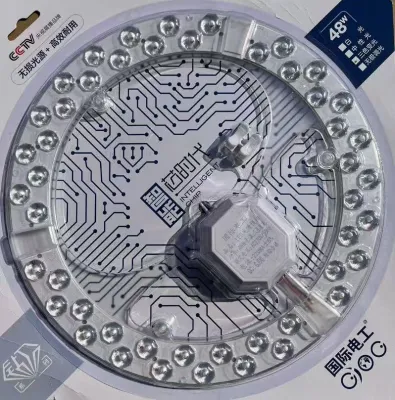
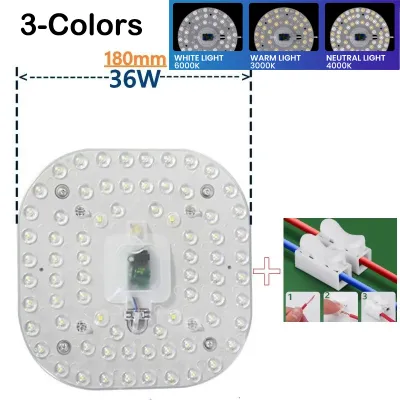
![ONS 18W/24W/36W/48W LED Magnetic Ceiling Light 6500K Round/Square/Tri-Tone LED Ceiling Light [Singapore Home Grown Brand]](https://img.lazcdn.com/g/p/4ee96a0041eca859bcf3b72390759725.png_400x400q80.png_.webp)
Prices are valid at publication and may change. Please refer to the product page for the latest price.
In a standard 2.6m HDB room, the visual weight of your light fixtures directly impacts how spacious the area feels. Traditional surface-mounted ceiling domes often protrude 100mm to 150mm from the ceiling, creating a heavy visual anchor that pulls the eye downward. In contrast, magnetic tracks can be recessed completely flush with a false ceiling, or surface-mounted with a profile thickness of just 5mm to 15mm. This minimal protrusion keeps the ceiling plane clean, open, and visually unobstructed.
The modular nature of magnetic lighting allows you to customize your light distribution without adding bulky physical fixtures. Instead of installing multiple separate spotlights and ambient fixtures, a single magnetic track can host a variety of specialized modules. You can slide a linear floodlight module to the center of the room for general ambient light, and click in an adjustable spotlight at the end of the track to highlight a piece of art or a feature wall. This multi-functional capability eliminates the need for cluttered ceiling layouts.
Minimizing physical fixture depth also maximizes the perceived vertical space in compact HDB living and dining areas. Linear magnetic tracks create strong, continuous horizontal lines across the ceiling. These lines guide the eye along the length of the room rather than focusing on the low ceiling height, creating an optical illusion of greater width and volume. This clean, architectural look is highly favored in minimalist, industrial, and modern Scandinavian interior designs.
What to Look for When Choosing a Ceiling Light Magnet Brand
SAFETY Mark Certification
In Singapore, external LED drivers (the transformers that convert 230V mains power to 24V or 48V DC power) and certain lighting components are classified as Controlled Goods under the Consumer Protection (Safety Requirements) Registration Scheme. When evaluating magnetic lighting brands, it is critical to verify that the power supplies they provide carry a valid SAFETY Mark issued by Enterprise Singapore. Using uncertified drivers poses a severe risk of electrical short circuits, overheating, and fire, and can void your home insurance policy.

Optical Performance and Light Quality
Because magnetic lights are installed closer to eye level in a 2.6m ceiling, optical quality is paramount. Look for brands that specify a Color Rendering Index (CRI) of Ra > 90, which ensures that colors in your home appear vibrant and true to life. Additionally, check the Unified Glare Rating (UGR) of the brand’s spotlight and linear modules; high-quality brands design their fixtures with deep-recessed light sources or honeycomb louvers to keep the UGR below 19, preventing uncomfortable glare. Finally, ensure the brand guarantees consistent color temperature (CCT) binning (ideally within a 3-step MacAdam ellipse) so that multiple modules of the same rated temperature (e.g., 3000K warm white) match perfectly without visible color shifts.
Track Build Quality and Conductivity
The physical track serves as both the structural support and the electrical conduit for your light modules. High-quality brands construct their tracks from thick, aviation-grade aluminum extrusions that resist bending, warping, or sagging over time. Inspect the internal copper strips running along the inside of the track; premium brands use thick, high-purity red copper conductors to ensure stable electrical contact and minimize voltage drop over long runs. Cheaper brands often use thin brass strips, which can corrode, lose their spring tension, or cause flickering lights.
Smart Home Compatibility
If you plan to integrate your magnetic lighting into a smart home ecosystem, you must choose a brand that offers compatible smart drivers and modules. Common options include DALI-2 (a robust, wired dimming protocol ideal for complex setups), Zigbee (which connects directly to hubs like Philips Hue or Tuya), or proprietary wireless protocols (such as Bluetooth Mesh). Ensure the brand’s smart modules support smooth, flicker-free dimming from 1% to 100% and allow you to adjust color temperatures dynamically if you opt for tunable white modules.
Local Warranty and Support
Avoid purchasing unbranded magnetic lighting systems from overseas online marketplaces that lack local representation in Singapore. Magnetic track systems are modular, meaning you may need to source replacement parts, extra connectors, or additional light modules years after the initial installation. Choosing a brand with an established local distributor or physical showroom ensures you have access to a reliable warranty (typically 2 to 5 years), immediate troubleshooting assistance, and a steady supply of compatible components.
Matching Magnetic Light Configurations to Your HDB Layout
Recessed Magnetic Track Systems (For False Ceilings)
Recessed magnetic tracks are designed to be embedded directly into a gypsum board false ceiling, creating a completely flush, trimless finish. This configuration is highly desirable for homeowners undergoing a major renovation who want a seamless, architectural look. The track flanges are screwed into the ceiling framework, and plaster is applied over the edges before painting, leaving only a sleek, dark slot visible on the ceiling surface.
To install a recessed track in a 2.6m HDB flat, you must account for the depth of the false ceiling. Most recessed magnetic tracks require a minimum clearance depth of 45mm to 55mm. Building a false ceiling to accommodate this will lower your overall ceiling height to approximately 2.55 meters. While you lose a small amount of physical height, the absolute flush finish of the track offsets this loss by eliminating all visual protrusion, making the room feel incredibly clean and uncluttered.
Precise coordination between your ceiling contractor and your electrician is essential during the early stages of renovation. The track profiles must be on-site and installed before the false ceiling is boarded up. Any mistakes in cutting the gypsum board or plastering the flanges can lead to uneven track lines or visible cracks along the ceiling joint later on.
Surface-Mounted Magnetic Tracks (For Existing Ceilings)
Surface-mounted magnetic tracks are fixed directly to the concrete slab of your HDB ceiling, making them an excellent choice for homeowners who want magnetic lighting without the expense, dust, or height loss associated with building a false ceiling. These tracks are screwed directly into the concrete using masonry anchors and plugs.
To maintain a spacious feel in a 2.6m room, it is crucial to select ultra-thin surface track profiles. Many modern brands offer ultra-slim surface tracks with a thickness of just 5mm to 10mm. These profiles are so thin that they mimic the look of a recessed track from a distance, keeping visual intrusion to an absolute minimum while preserving your full 2.6m ceiling height.
Concealing the wiring for surface-mounted tracks requires careful planning. If your existing ceiling light point is not located exactly where you want the track to begin, your electrician will need to run wires from the power point to the track’s end-feed connector. This is typically done using slim, paintable PVC casing or conduits. For the neatest look, try to position the track so that it starts directly over the existing ceiling point, or paint the surface conduit the exact same color as your ceiling to make it blend in.
Ultra-Thin Magnetic Flush Mounts (For Simple Upgrades)
For spaces where a continuous track system is unnecessary or budget-prohibitive—such as bedrooms, utility rooms, or kitchens—ultra-thin magnetic flush-mount fixtures offer an ideal compromise. These standalone fixtures consist of a very slim metal base plate that mounts directly to the ceiling box, and a low-profile LED light engine that snaps magnetically into the base.
This configuration provides a highly practical maintenance advantage. In standard LED flush-mount lights, if the driver or the LED chip fails, you must hire an electrician to disconnect the entire fixture from the ceiling mains and wire in a new one. With a magnetic flush-mount system, you can safely pull down the magnetic light engine yourself and snap a new, identical module into place without touching any live electrical wiring.
These fixtures are designed to be extremely low-profile, often protruding less than 20mm from the ceiling. They provide a clean, modern alternative to bulky traditional ceiling domes, offering a cost-effective way to maintain a consistent design language throughout your HDB flat without installing tracks in every single room.
HDB Installation Rules and Electrical Safety Limits
HDB Structural Rules
When planning your magnetic lighting layout, you must strictly adhere to HDB renovation guidelines. HDB regulations strictly prohibit hacking, drilling deep holes, or cutting channels into structural concrete elements, including structural beams, columns, and shear walls. If you are installing surface-mounted tracks, ensure that your mounting screws only penetrate the non-structural plaster layer or standard concrete slab, and avoid drilling near areas where concealed electrical conduits might run.
Electrical Load and Drivers
Magnetic track systems operate on safe, low-voltage DC power, which means the tracks themselves do not carry dangerous 230V mains voltage. This low-voltage operation is achieved by routing the mains power through an external LED driver before it reaches the track. Calculating the correct electrical load is vital for safety and system longevity:
- Calculate Total Wattage: Add up the wattage of all light modules you plan to attach to a single track run (e.g., three 10W spotlights and two 12W linear lights equal a total load of 54W).
- Apply the 80% Rule: To prevent the driver from running at its absolute limit and overheating, the total wattage of your light modules should not exceed 80% of the driver's rated maximum capacity. For a 54W load, you should use a driver rated for at least 75W or 100W.
- Voltage Drop Considerations: For long track runs (exceeding 5 meters), ensure the driver is positioned centrally or use a higher-gauge copper wire to connect the driver to the track to prevent a drop in voltage, which can cause modules at the far end of the track to appear dimmer.
Professional Installation Boundary
While clipping magnetic light modules into an active track is completely safe to do yourself, all fixed wiring and driver connections must be performed by a Licensed Electrical Worker (LEW) or a qualified electrician registered in Singapore. This includes installing new electrical circuits, connecting the external driver to the 230V mains supply, mounting the track profiles securely to the ceiling, and ensuring proper grounding of all metal components. Never attempt to perform mains-voltage electrical work yourself.
Heat and Ventilation
External LED drivers generate heat during operation and require adequate ventilation to function efficiently and safely. If you are hiding the driver inside a false ceiling, do not place it directly against insulation material or in a completely sealed, unventilated pocket. Always ensure there is a nearby service hatch or access panel so the driver can be inspected, ventilated, and easily replaced if it fails over time. For surface-mounted tracks, many brands offer stylish, surface-mounted driver boxes that sit neatly at the end of the track, allowing heat to dissipate naturally into the room.
Frequently Asked Questions (FAQ)
Can I install a recessed magnetic track without a false ceiling?
No, you cannot install a true recessed (trimless) magnetic track directly into a bare concrete ceiling. Recessed tracks feature mounting flanges that must be screwed into a ceiling framework and then plastered over to create a flush finish, which requires the depth and flexibility of a gypsum board false ceiling. If you do not have a false ceiling and wish to keep your concrete ceiling bare, you must choose a surface-mounted magnetic track or a slim flush-mount fixture instead.
Are magnetic track lights bright enough for an HDB living room?
Yes, magnetic track lights are highly capable of fully illuminating an HDB living room, provided you select the correct modules and layout. Because the system is modular, you should avoid relying solely on narrow-beam spotlights, which create pockets of intense light and deep shadows. Instead, layer your lighting by using wide-beam linear floodlight modules to provide general ambient light across the room, and then add adjustable spotlights or folding lights to provide targeted task lighting over seating areas or workspaces.
Do magnetic ceiling lights consume more electricity than standard LEDs?
No, magnetic ceiling lights do not consume more electricity than standard LED fixtures. The light modules themselves utilize the same highly efficient LED chip technology found in traditional LED downlights and ceiling panels. The overall energy efficiency of the system is primarily determined by the wattage of the modules you choose to run and the efficiency rating of your external LED driver. Choosing a high-quality driver with an efficiency rating of 85% or higher ensures minimal energy is lost as heat during the voltage conversion process.
Community discussion
Share your experience or ask a question. Comments are reviewed before publication.