
A reliable magnetic torchlight is an essential tool for Singaporean households living in Housing & Development Board (HDB) flats. In a sudden emergency—such as a localized power trip or a wider block blackout—having a dedicated light source that can mount securely to metal surfaces transforms how you manage the situation. Unlike general-purpose outdoor flashlights, a magnetic torchlight designed for HDB use must prioritize hands-free stability, controlled brightness for compact indoor spaces, and battery chemistry that can withstand Singapore’s hot, humid climate. By focusing on specific magnet strengths, beam patterns, and power configurations, you can ensure your household remains safe, prepared, and capable of navigating unexpected outages without frustration.
Evaluating Magnetic Torchlight Grip and HDB Mounting Surfaces
The primary appeal of a magnetic torchlight is its ability to cling to metal surfaces, leaving your hands completely free to inspect a distribution board (DB box) or handle tools. However, not all magnetic bases are created equal, and relying solely on unverified manufacturer pull-force claims can lead to a damaged light if it slips from a vertical surface. To evaluate a light’s magnetic hold practically, you should test its grip on both horizontal and vertical planes. A magnet that holds securely on top of a flat surface might slide down a vertical metal door under its own weight, especially if the casing is heavy or the contact area is small. Look for a torchlight with a rubberized or textured magnetic base, which increases friction and prevents sliding on smooth, vertical surfaces.
Within a standard HDB flat, several key mounting surfaces are highly effective during an emergency. The metal cover of your DB box (often located near the entryway or inside the household shelter) is the most critical spot, allowing you to mount the light directly overhead while you inspect tripped circuit breakers. Other viable surfaces include the heavy steel flat entrance door, the metal frames of your window grilles, and the steel underside of kitchen range hoods if you need to manage a utility leak in the dark.
Products mentioned in this guide
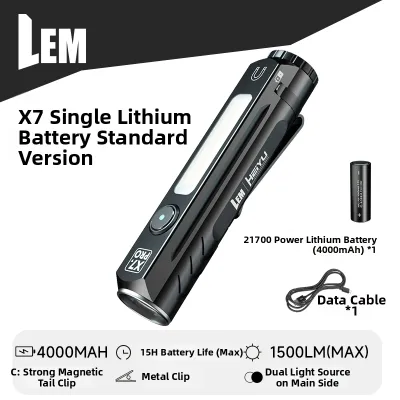
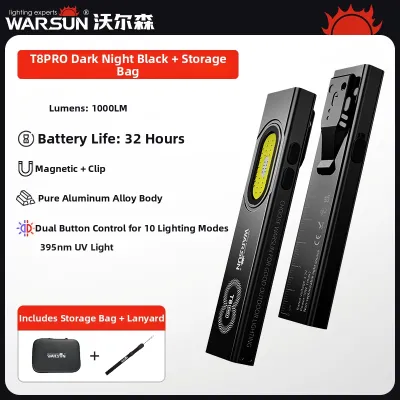
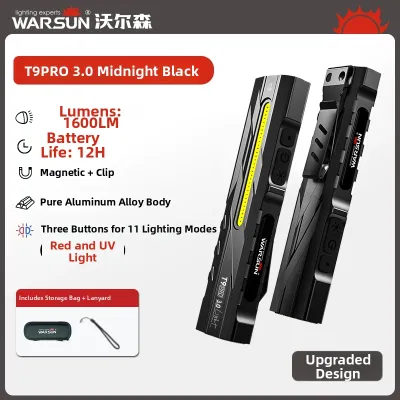
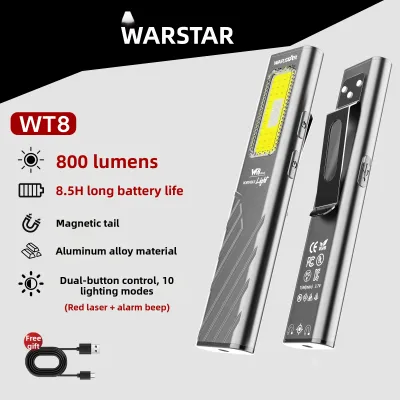
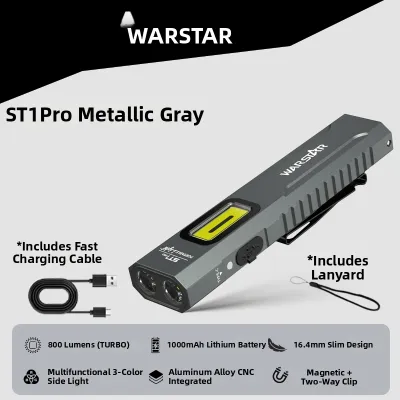
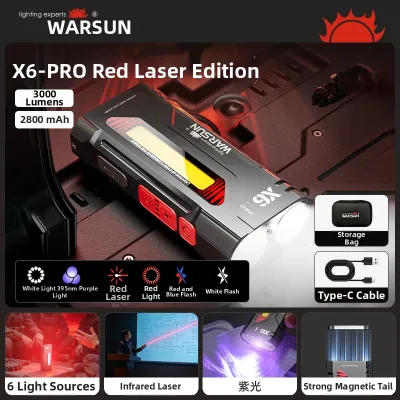
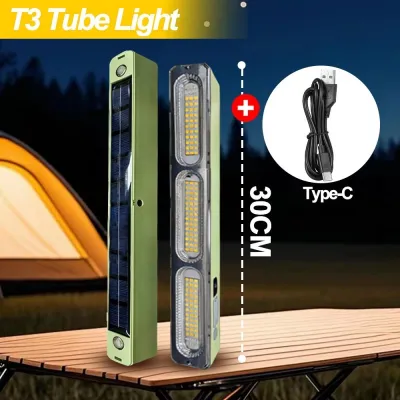
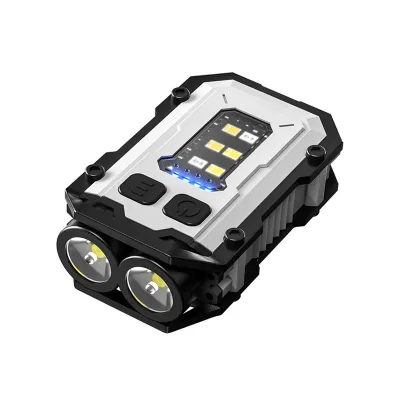
Prices are valid at publication and may change. Please refer to the product page for the latest price.
To maximize the utility of these mounting spots, prioritize a torchlight with a pivoting, swiveling, or adjustable magnetic base. In the tight confines of an HDB household shelter or utility closet, a fixed-angle beam often shines in the wrong direction once the magnet is attached. An adjustable joint allows you to stick the base to a metal surface and then angle the light head precisely where you need it, such as directly onto the breaker switches or into a dark corner.
Before mounting your light, always observe basic safety precautions. Avoid placing strong magnetic bases directly onto fragile surfaces that could scratch easily, or near sensitive electronic displays, smart home control panels, and digital door locks. Refer to your appliance or lock manufacturer’s manual to verify safe distances for magnetic accessories, ensuring you do not inadvertently interfere with sensitive circuitry.
Matching Brightness and Beam Type to Compact Rooms
Choosing the right light output and beam pattern is essential for comfortable indoor navigation during a power outage. While outdoor searchlights boast high lumen ratings and long throw distances, these specifications are often counterproductive inside the compact rooms of an HDB flat. An excessively bright light—anything over 500 to 1,000 lumens—can cause intense glare when reflected off light-colored concrete walls, glossy kitchen tiles, or glass windows. This harsh reflection can temporarily impair your night vision and cause eye strain, making it harder to perform delicate tasks like resetting a fuse.

For indoor emergencies, a wide flood beam is highly superior to a narrow, focused spot beam. A flood beam distributes light evenly across a wide angle, illuminating an entire living room, kitchen, or hallway with soft, ambient light. This makes it easier for family members to move around safely without tripping over furniture. Conversely, a spot beam projects a tight, intense cone of light over a long distance, which is useful for outdoor search-and-rescue but creates a blinding hotspot and deep shadows when used in a small bedroom or bathroom.
To balance these needs, select a magnetic torchlight that features multiple adjustable brightness settings or a step-less dimming function. A low mode of 10 to 50 lumens is perfect for reading, conserving battery life, or navigating a hallway without waking sleeping family members. A medium mode of 150 to 300 lumens is ideal for general room illumination, while a high mode can be reserved for detailed, close-up repair work. Having these options ensures you only use the power you need, significantly extending the runtime of your emergency light.
Choosing Power Sources for Long-Term Tropical Storage
When selecting an emergency tool, the power source dictates whether the device will actually work when you need it most. Singapore’s persistent tropical heat and high humidity present a challenging environment for battery storage. High ambient temperatures accelerate the self-discharge rate of batteries and can lead to premature degradation, meaning a torchlight left in a utility drawer for two years might be completely dead when a power trip occurs.
You must weigh the trade-offs between built-in rechargeable lithium-ion batteries and replaceable dry cells (such as alkaline or lithium AA/AAA batteries). Built-in rechargeable units offer the convenience of modern USB charging, allowing you to top up the battery easily from a wall adapter, power bank, or laptop. However, if a prolonged blackout occurs and the rechargeable battery drains, you cannot easily swap it out. Replaceable dry cells provide immediate, “swap-and-go” reliability; you can simply insert fresh batteries and continue using the light.
For the best of both worlds, consider a hybrid or dual-fuel torchlight that accepts both a rechargeable lithium pack and standard AA or AAA batteries. If you choose a rechargeable model, ensure it uses a standard USB-C charging interface to match your existing household cables, and verify that any charging adapters used comply with local safety standards.
To mitigate the risks of tropical battery degradation, establish a strict inspection and rotation routine. Alkaline batteries are highly prone to leaking corrosive potassium hydroxide over time, which can ruin the internal contacts of your torchlight. If you store your light with replaceable dry cells, check them every three to six months for signs of corrosion, swelling, or leakage. For long-term emergency kits, premium lithium AA or AAA batteries are highly recommended over standard alkaline cells, as they have an exceptional shelf life, perform well in warm temperatures, and are far less likely to leak. Always refer to the manufacturer’s recommended storage conditions and battery replacement intervals to keep your emergency gear in peak operational readiness.
Balancing Size, Weight, and Utility Drawer Storage
An emergency torchlight is only useful if it is easily accessible, which means it must fit comfortably within your household’s designated storage spaces. In an HDB flat, where storage space is carefully managed, a bulky, heavy industrial work light might end up relegated to a deep storeroom or the back of a high cabinet, rendering it useless during a sudden blackout. You need to find a balance between a substantial battery capacity—which naturally adds weight—and a compact form factor that fits into a standard utility drawer, entryway console, or a dedicated emergency grab-bag.
Consider the physical dimensions and weight of the torchlight to ensure every member of your household can use it comfortably. A heavy, metal-bodied light might be difficult for young children or elderly family members to hold for extended periods, especially if they need to carry it while walking down dark common corridors or stairwells. A lightweight, ergonomically shaped model made from durable polycarbonate or lightweight aluminum is often the most practical choice for family-wide accessibility.
Different form factors offer distinct storage and functional advantages. Compact cylindrical flashlights are highly portable and slip easily into pockets, but they can roll off flat surfaces if not secured. Foldable or low-profile work-light styles are excellent for HDB emergencies because they can fold flat for compact storage in shallow drawers, yet open up to provide a wide, stable base or a hanging hook when deployed. These flat-folding designs often feature large magnetic surfaces on their bases, making them exceptionally stable when mounted to a DB box or a steel door frame.
Filtering Extra Features: What Actually Matters Indoors
Modern magnetic torchlights often come packed with various secondary features, but many of these are designed for outdoor survival rather than high-density residential living. Filtering out unnecessary gimmicks will help you focus on features that offer genuine utility inside an HDB flat. For instance, while high-intensity SOS or strobe modes are vital for signaling rescuers in the wilderness, they have limited practical application inside a flat. While a strobe could theoretically be used to signal from a window during an extreme emergency, it is generally too disorienting for indoor navigation and can trigger headaches or optical discomfort in confined spaces.
Water resistance is another specification where you can avoid overpaying. While a high IPX8 rating is necessary for diving or heavy outdoor downpours, a basic splash-resistance rating of IPX4 is more than sufficient for indoor HDB emergencies. This level of protection ensures the light remains safe to use if you need to handle it with wet hands in the kitchen, or if you are dealing with a minor bathroom plumbing leak in the dark.
One highly valuable but often overlooked feature is a dedicated red-light mode. Red light does not disrupt human night vision adaptation the way white light does, allowing your eyes to remain adjusted to the dark. This is incredibly useful if you need to check on a sleeping child without waking them, or if you need to step out into the shared HDB corridor at night without casting a blinding glare that might disturb your neighbors. Additionally, some lights feature a low-power glow-in-the-dark element or a small locator LED, which makes the torchlight easy to find in a completely dark drawer when the power suddenly cuts out.
Frequently Asked Questions (FAQ)
Can a magnetic torchlight damage my HDB fridge or electronics?
Generally, the permanent magnets used in household magnetic torchlights are not strong enough to damage modern appliances like refrigerators, which often use magnetic seals themselves. However, you should still exercise caution. Keep strong neodymium magnetic bases away from sensitive electronic devices, mechanical hard drives, magnetic stripe cards, and pacemakers. To prevent any risk of cosmetic scratching or localized interference, avoid mounting the light directly onto digital smart screens, smart home hubs, or the control panels of modern appliances. Always consult your specific appliance manuals for any manufacturer warnings regarding external magnetic fields.
How often should I check my emergency torchlight battery?
To ensure your magnetic torchlight is ready when an emergency strikes, you should inspect the battery status and overall functionality at least once every three to six months. For rechargeable models, use this check to top up the charge to around 80% to 100%, as lithium-ion batteries slowly lose charge over time. For models using replaceable dry cells, inspect the battery compartment for any signs of white crusty leakage or corrosion, and replace the batteries immediately if any damage is visible. To make this maintenance easy to remember, tie your battery checks to routine household tasks, such as cleaning your air conditioning filters or checking your smoke alarms.
Community discussion
Share your experience or ask a question. Comments are reviewed before publication.