
Deciding between a manual and an electric prayer wheel (known as a 转经轮 in Buddhist traditions) depends primarily on how you wish to integrate this sacred instrument into your daily spiritual practice and living space. If your priority is active, focused meditation where you physically engage with the mantra’s movement, a manual prayer wheel offers an unmatched tactile connection. Conversely, if you lead a busy lifestyle and seek to maintain a continuous, peaceful spiritual presence in your home, an electric model provides a steady, hands-free flow of blessings. Your choice will ultimately hinge on balancing these spiritual intentions with practical household factors such as available altar space, access to power outlets, and noise tolerance in shared living areas.
Core Differences in Spiritual Practice and Focus
The practice of spinning a prayer wheel, or 转经轮, is deeply rooted in Buddhist traditions, where each rotation is believed to release the spiritual energy of the printed mantras contained within. While both manual and electric models serve the same ultimate purpose of accumulating merit and purifying negative karma, they facilitate this through distinct experiential paths. Understanding these differences allows you to choose a method that aligns with your personal rhythm of devotion.
Manual Prayer Wheels: Mindfulness and Physical Connection
Using a manual prayer wheel requires your direct, physical participation, turning the act of spinning into a dedicated meditative session. As you hold the handle and swing the weighted pendulum to initiate a smooth, clockwise rotation, your body, speech, and mind are brought into immediate alignment. The physical effort required to maintain a steady rhythm acts as an anchor for your attention, preventing the mind from wandering during practice.
Products mentioned in this guide

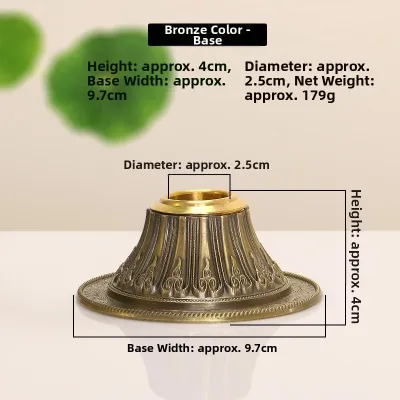



Prices are valid at publication and may change. Please refer to the product page for the latest price.
This tactile feedback creates a profound sense of grounding that is difficult to replicate with automated devices. Many practitioners find that synchronizing the physical rotation of the wheel with their breathing and silent mantra recitation enhances their concentration. Each clockwise turn becomes a conscious, intentional offering of compassion, making your practice highly focused and deeply personal. It is an active form of meditation that demands you step away from daily distractions and dedicate quiet moments entirely to spiritual cultivation.
Electric Prayer Wheels: Continuous Merit and Convenience
Electric prayer wheels are designed to spin continuously without requiring your physical intervention, offering a constant source of ambient blessings in your living space. Powered by a small internal motor, these stationary wheels keep the sacred mantras in perpetual motion, symbolically radiating positive energy and compassion throughout your home day and night. For practitioners with demanding schedules or physical limitations that make prolonged manual spinning difficult, this automated setup ensures that the spiritual environment remains active.
This continuous rotation serves as a powerful visual reminder of mindfulness as you go about your daily household chores, work, or study. While you are not physically turning the wheel, its presence establishes a peaceful, sacred atmosphere that supports your overall well-being. It is important to view the electric wheel not as a replacement for active meditation, but as a supportive, complementary tool. It maintains a continuous spiritual frequency in the home, allowing you to engage in prostrations, scripture reading, or silent contemplation alongside the spinning mantras.
Space, Installation, and Home Altar Integration
Integrating a prayer wheel into your home altar requires careful planning to ensure the setup remains respectful, safe, and visually harmonious. Because manual and electric wheels have fundamentally different structural designs, their spatial footprints and installation requirements vary significantly.

Sizing and Placement on the Altar
Manual prayer wheels come in two primary forms: handheld models and table-top versions resting on decorative stands. If you choose a handheld wheel, you must ensure there is a dedicated, clear spot on your altar to rest it when not in use, as well as sufficient physical clearance around your seating area to spin it without striking nearby objects. For table-top manual wheels, you need enough vertical and lateral clearance to comfortably reach and spin the cylinder by hand without accidentally knocking over delicate altar items like water offering cups, incense burners, or butter lamps.
Electric prayer wheels are stationary, heavier, and generally larger due to their built-in motors and robust bases. These devices must be placed on a completely flat, stable shelf on your altar to prevent structural vibrations from causing the wheel to drift or tip over. Before purchasing an electric model, measure your altar’s shelf depth and height carefully, keeping in mind that some larger models feature elaborate decorative canopies or integrated LED lighting that require extra overhead clearance. Ensure the weight of the electric wheel is well within the load-bearing capacity of your altar furniture.
Power Requirements and Cable Management
Electric prayer wheels rely on a constant source of power, which introduces practical placement constraints that do not exist with manual models. Most electric units operate via a standard power adapter plugged into a wall outlet, while some smaller or modern versions utilize USB cables, batteries, or solar panels. If you opt for a corded electric model, your altar must be located near a safe power source, or you must plan for neat cable routing to avoid creating tripping hazards or visual clutter.
To maintain a clean and respectful altar aesthetic, use discreet cable sleeves, adhesive clips, or route cords behind the altar cabinet. Crucially, ensure that power cables are kept far away from open flames, such as butter lamps or burning incense, to prevent fire hazards. If you are planning custom electrical wiring or wall-mounted installations for a large electric wheel, always isolate the power supply before installation and consult a qualified professional to ensure compliance with local electrical safety standards. In contrast, manual prayer wheels require absolutely no electricity, giving you total freedom to place them anywhere on your altar or carry them with you during travel.
Noise, Maintenance, and Daily Living Considerations
The practical impact of a prayer wheel on your daily living environment is an essential factor, especially in compact housing setups like Singapore apartments where shared spaces demand consideration for noise and safety. Both manual and electric wheels require distinct maintenance routines to preserve their longevity and sacred function.
Acoustic Impact in Shared Living Spaces
Manual prayer wheels are exceptionally quiet, producing only a soft, soothing whisper as the internal paper mantra scroll shifts slightly, or a gentle mechanical click if the wheel uses a traditional bearing system. This near-silent operation makes manual wheels ideal for late-night or early-morning practice sessions when other household members are sleeping, or for use in quiet study rooms where absolute silence is preferred.
Electric prayer wheels, because they rely on electric motors to achieve continuous rotation, inevitably produce some level of acoustic feedback. Depending on the quality of the motor, this can range from an almost imperceptible, low-frequency hum to a noticeable clicking or whirring sound. In a quiet bedroom or shared living area, a poorly insulated motor can become a source of distraction rather than peace. When selecting an electric model, it is wise to verify the motor specifications and read user reviews regarding noise levels, prioritizing brushless motors or models specifically designed for silent operation. Placing a thin, non-slip silicone or felt pad beneath the electric base can also significantly dampen motor vibrations traveling through wooden altar shelves.
Longevity, Cleaning, and Mechanical Upkeep
Proper maintenance of your prayer wheel is a form of respect for the sacred scriptures housed within. Manual wheels require relatively low maintenance, primarily consisting of occasional dusting and checking the central spindle to ensure smooth rotation. If the rotation becomes stiff or squeaky, check the manufacturer’s instructions before applying any lubricant; some traditional models require a specific type of oil, while modern bearing-based wheels may simply need a gentle cleaning of the axle area to remove dust buildup.
Electric prayer wheels demand more rigorous upkeep due to their electrical components. Dust must be kept away from the motor housing and ventilation slots to prevent overheating and premature motor failure. Inspect the power cord regularly for any signs of fraying, cracking, or damage, especially if it is routed around tight corners or behind heavy furniture. Unless the manufacturer explicitly states that the motor is rated for continuous 24/7 operation, it is highly recommended to turn off the electric prayer wheel when you leave the house or go to sleep to prevent overheating risks and prolong the lifespan of the motor.
For both types of wheels, always use a soft, dry microfiber cloth to clean the exterior surfaces. Avoid using harsh chemical cleaners, abrasive polishes, or damp cloths, as moisture can seep into the cylinder and damage the sacred paper scrolls inside, or tarnish delicate gold leaf, brass, and copper platings on the exterior.
Feature Comparison at a Glance
To help you quickly evaluate which type of prayer wheel aligns best with your lifestyle and space, the table below contrasts the key practical dimensions of manual and electric models.
| Feature | Manual Prayer Wheel | Electric Prayer Wheel |
|---|---|---|
| Primary Use Case | Active, focused meditation and personal mindfulness sessions | Continuous ambient blessing and passive merit accumulation |
| Power Source | None (purely mechanical/manual rotation) | AC power adapter, USB connection, solar, or batteries |
| Noise Level | Silent to extremely quiet (soft paper or bearing whisper) | Low hum to soft whirring (depends on motor quality) |
| Maintenance Focus | Spindle check, occasional dusting, bearing lubrication | Dusting motor vents, cord inspection, preventing overheating |
| Altar Space Requirement | Minimal footprint; requires clearance for hand movement | Larger, stable flat surface; needs proximity to power outlet |
| Portability | High (especially handheld models; ideal for travel) | Very low (designed for stationary, permanent altar placement) |
Decision Framework: How to Choose Based on Your Routine
Choosing the right prayer wheel comes down to matching the device’s characteristics with your daily routine, physical space, and spiritual goals. Use the following guidelines to make an informed decision.
Choose a Manual Prayer Wheel if:
- You seek active meditation: You want a tactile, hands-on practice that physically anchors your concentration and helps quiet a busy mind.
- Portability is a priority: You travel frequently or attend group retreats and wish to carry your practice tool with you.
- You require absolute silence: Your practice takes place in a shared bedroom or a quiet study where even a low motor hum would be disruptive.
- Your altar has no power access: You prefer a clean setup without the hassle of managing power cords or placing your altar near electrical outlets.
Choose an Electric Prayer Wheel if:
- You desire a continuous spiritual presence: You want the sacred mantras to spin constantly, maintaining a peaceful, blessed energy in your home throughout the day.
- You have physical limitations: Prolonged manual spinning is uncomfortable or difficult due to joint pain, arthritis, or other physical constraints.
- You have a dedicated altar space: Your altar is stationary, has stable shelving, and is located near a reliable power outlet.
- You want to complement other practices: You prefer to have the wheel spinning in the background while you perform prostrations, recite scriptures, or engage in daily household routines.
Verify First Before Purchasing:
- Check the electrical specifications: If you are purchasing an electric prayer wheel online, verify that the voltage rating of the included power adapter matches your local supply (e.g., 230V for Singapore) to avoid damaging the motor or creating electrical hazards.
- Assess the build quality: Ensure the materials used (such as brass, copper, or high-quality wood) complement your altar's decor and are robust enough to withstand long-term use.
- Confirm motor noise levels: Look for manufacturer details or customer reviews that specifically mention silent or low-noise motors to ensure the device will not disrupt your household peace.
Frequently Asked Questions (FAQ)
Can I use both manual and electric prayer wheels together?
Yes, many practitioners find that combining both types enhances their spiritual routine. You can place a beautifully crafted electric prayer wheel on your main altar to run during the day, maintaining a continuous sacred atmosphere in your home. Meanwhile, you can keep a handheld or small table-top manual prayer wheel nearby for your dedicated, active meditation sessions. This dual approach allows you to enjoy the benefits of both continuous ambient blessings and focused, tactile practice.
Do electric prayer wheels require a specific power adapter in Singapore?
Yes. Singapore operates on a 230V supply voltage at a frequency of 50Hz, utilizing Type G electrical plugs. When purchasing an electric prayer wheel, always check the voltage rating on the power adapter. If the device comes with an adapter rated strictly for 110V (common in models sourced from Taiwan or North America), plugging it directly into a Singapore outlet will burn out the motor and pose a significant electrical safety risk. In such cases, you must use a compatible step-down transformer or purchase a certified safety-compliant 230V adapter that matches the output specifications (voltage and amperage) required by the prayer wheel’s motor.
Community discussion
Share your experience or ask a question. Comments are reviewed before publication.