
Selecting the right A3 poster frame requires balancing the physical dimensions of your artwork with the visual language of your living space. An A3 print, measuring 297 by 420 millimeters, is a highly versatile size for residential walls, but its impact depends heavily on how it is framed. By matching the frame’s material, profile width, and color to your interior design theme, you can transform a simple paper print into a cohesive focal point. Whether your home features the clean lines of Scandinavian minimalism, the raw textures of an industrial loft, or the layered warmth of an eclectic space, the frame acts as the essential bridge between the art and the room. Choosing the correct style ensures that your artwork is protected, displayed safely, and integrated seamlessly into your home’s overall aesthetic.
Understanding A3 Frame Dimensions and Material Basics
To make an informed selection, you must first understand the physical footprint of an A3 frame. While the artwork itself is always 297 by 420 millimeters, the actual space the frame occupies on your wall will vary based on the border width and whether you use a mat board. A slim 10-millimeter metal frame adds very little to the overall dimensions, making it ideal for tight spaces. Conversely, a wide 30-millimeter wooden frame with a 50-millimeter mat board on all sides will increase the total wall footprint significantly, effectively turning your A3 print into an A2-sized display. This added footprint must be measured carefully to ensure the frame fits comfortably within your intended wall layout.
The choice of material dictates both the visual weight and the physical durability of the frame. Solid wood frames offer a classic, tactile quality with natural grain variations that bring warmth to a room. However, wood is naturally heavier and can be sensitive to environmental changes, requiring secure mounting. Aluminum frames provide a sleek, lightweight alternative that is exceptionally durable and resistant to warping, making them highly suitable for humid environments. Acrylic frames, often used for frameless or floating designs, offer a modern, clean look that allows the wall color to show through around the edges of the print, creating a seamless integration with your wall.
Products mentioned in this guide
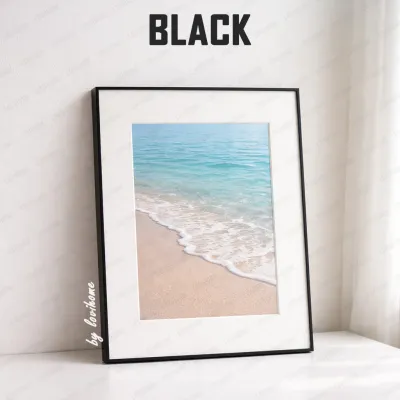
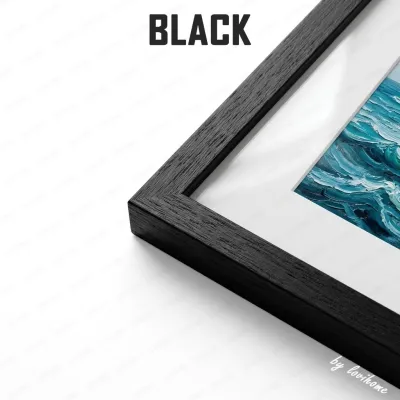
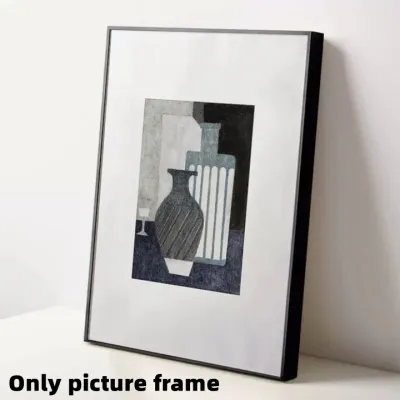

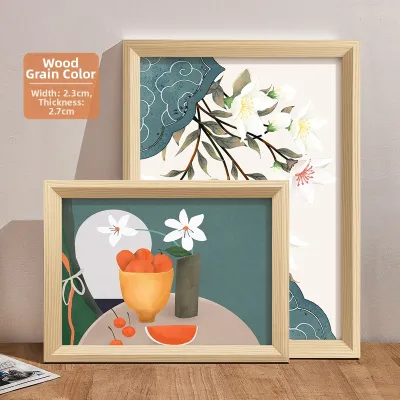
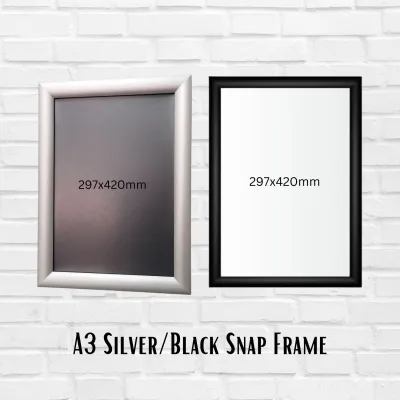
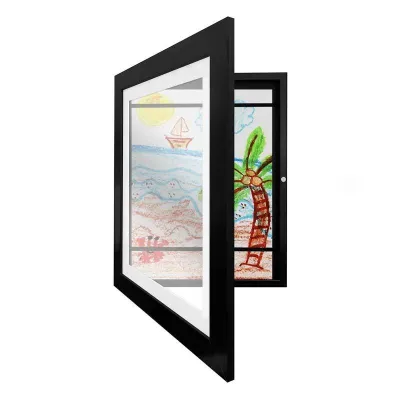
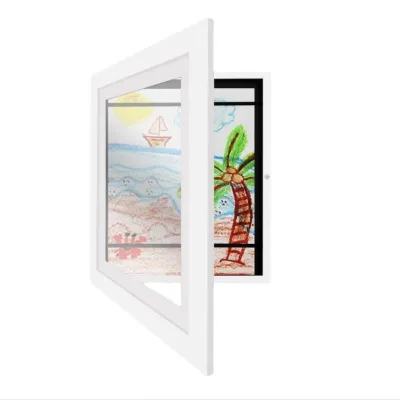
Prices are valid at publication and may change. Please refer to the product page for the latest price.
Matting, or the passe-partout, is a cardboard border placed inside the frame to surround the artwork. Beyond its aesthetic role in creating visual breathing room and drawing the eye toward the center, matting serves a crucial protective function. It prevents the paper print from directly touching the glass or acrylic glazing. This gap is essential for preventing moisture transfer, which can cause the paper to stick to the glazing and ruin the print over time. Choosing an acid-free mat board is also vital to prevent the paper from yellowing or deteriorating over the years.
Matching Frame Styles to Popular Interior Design Themes
Framing is not a standalone decision; it is an extension of your home’s architectural and decorative narrative. The colors, textures, and structural lines of your walls dictate how a frame is perceived. To achieve a harmonious look, you must align the frame’s profile and finish with the dominant design rules of your space. A mismatch can make the artwork look like an afterthought or disrupt the visual flow of the room.

When selecting a frame, consider the existing materials in your room, such as the wood tones of your furniture, the metal finishes of your light fixtures, and the texture of your walls. Avoiding common mistakes—such as placing a highly ornate, gilded frame in an ultra-modern room, or using a flimsy plastic frame in a sophisticated, traditional setting—will ensure your wall decor feels intentional and polished. By treating the frame as a key design element rather than a mere utility, you elevate both the art and the room.
Minimalist and Scandinavian Aesthetics
Minimalist and Scandinavian design philosophies prioritize simplicity, functionality, light, and natural elements. To complement these airy, uncluttered spaces, select slim, low-profile frames with a width of 10 to 15 millimeters. Natural light wood tones, such as oak, ash, or birch, are excellent choices because they introduce organic warmth without adding visual weight. Matte black or matte white finishes also work beautifully, providing clean, sharp boundaries that frame the art without competing with it.
Floating frames are particularly effective in minimalist interiors. By sandwiching the A3 print between two sheets of clear acrylic, the artwork appears to float on the wall, maintaining a sense of lightness and transparency. Alternatively, using a wide white mat board inside a simple frame creates generous negative space, elevating the artwork and reinforcing the calm, spacious feel characteristic of Scandinavian homes. Avoid ornate details, deep bevels, high-gloss finishes, or dark, heavy wood stains, as these elements can disrupt the serene visual flow and make the space feel cluttered. When choosing art for these frames, opt for line drawings, abstract prints, or high-contrast photography that aligns with the minimalist ethos.
Industrial and Urban Loft Styles
Industrial design celebrates raw, unfinished, and structural elements like exposed brick, concrete, and metal piping. To complement these rich, tactile surfaces, choose frames made of brushed metals, dark weathered woods, or matte black aluminum. A slightly wider or deeper profile, ranging from 20 to 30 millimeters, works well in these spaces because it matches the bold, structural weight of the surrounding architecture.
Gallery-style ledge displays are a popular choice for industrial and urban loft styles. Instead of mounting frames directly to the wall, you can place multiple A3 frames on a rustic wooden or metal shelf, leaning them casually against the wall. This layout creates a relaxed, curated vibe that fits the informal nature of loft living. Because industrial walls often consist of dense materials like concrete or brick, it is vital to check the weight of the frame. Heavy solid wood or thick metal frames require appropriate masonry anchors and drilling, rather than simple adhesive strips, to ensure they remain securely mounted. Always verify that your mounting hardware is rated for the specific wall material to prevent damage. For artwork, consider architectural blueprints, monochrome street photography, or vintage patent prints to complete the industrial look.
Traditional, Bohemian, and Eclectic Spaces
Traditional, Bohemian, and eclectic interiors embrace rich textures, layered patterns, and a sense of history or curation. For traditional spaces, opt for warmer wood stains like walnut or cherry, subtle metallic accents such as antique gold or bronze, or vintage-inspired profiles with gentle beveling. These styles add a sense of timeless elegance and coordinate well with classic furniture pieces.
In bohemian and eclectic homes, the rules are far more flexible, allowing you to mix and match different frame styles, colors, and materials to create a dynamic gallery wall. Combining a slim brass frame with a chunky distressed wood frame and a classic black frame adds depth and personality to the space. When creating a mixed gallery wall, maintain a sense of order by using consistent spacing—typically 50 to 80 millimeters between frames—and utilizing alignment tools like a spirit level and paper templates. Ensure all hanging hardware is robust and properly rated for each frame’s weight to prevent accidents. This structured approach keeps the eclectic display looking curated rather than chaotic, allowing your collection of botanical prints, vintage posters, and colorful illustrations to shine.
Key Selection Criteria Beyond Aesthetics
While style is important, practical factors like glazing, backing, and hardware are critical for protecting your artwork and ensuring the frame’s longevity. Glazing refers to the protective front cover of the frame, which is typically made of standard glass or acrylic. Standard glass is scratch-resistant and offers classic clarity, but it is heavy and fragile. Acrylic is lightweight, virtually shatterproof, and safer for high-traffic areas, though it can scratch easily and may attract dust due to static electricity. If your room receives abundant natural light, consider anti-reflective or UV-filtering glazing to protect the print from fading over time.
The backing material and sealing methods are equally important, especially in humid climates where moisture ingress can damage paper prints. Ensure the backing board is rigid, such as acid-free foam board or dense MDF, to prevent the poster from warping. Avoid cheap cardboard backings that absorb moisture and sag over time. Sealing the back of the frame with archival framing tape can prevent dust, moisture, and tiny insects from entering and damaging the artwork.
Finally, assess the hanging hardware included with the frame. Do not rely on flimsy, pre-installed tabs for heavier frames. Look for frames equipped with secure D-rings or sturdy wire hanging systems that distribute weight evenly. Verify that the hardware is rated to support the total assembled weight of the frame, glazing, and artwork before mounting it on your wall. Investing in high-quality hardware prevents the frame from shifting or falling over time.
Installation and Wall Safety Considerations
Mounting your A3 frame securely depends entirely on your wall type. For drywall or plasterboard, toggle bolts or self-drilling drywall anchors are ideal for distributing weight safely. For solid concrete or brick walls, which are common in many modern apartments, you must use a masonry drill bit and plastic wall plugs to secure screws. Adhesive strips can be used for lightweight frames, but always check the manufacturer’s weight limits and ensure the wall surface is clean, dry, and free of loose paint before application.
Before drilling or sticking, measure twice and use a spirit level to ensure the frame will hang perfectly straight. Mark the exact spot where the hook or screw will sit, taking into account the drop of the hanging wire or D-rings. If you are mounting exceptionally heavy frames, hanging art at a significant height, or if you are unsure of the structural integrity of your wall, stop and consult a qualified professional installer. Always isolate power if drilling near switches or outlets to avoid electrical hazards. Taking these safety precautions ensures your beautiful display remains a safe addition to your home.
Frequently Asked Questions (FAQ)
Can I use an A4 frame with a mat for an A3 poster?
An A3 poster cannot fit inside a standard A4 frame. An A3 print measures 297 by 420 millimeters, which is twice the size of an A4 print (210 by 297 millimeters). To display an A3 poster with a mat, you actually need a larger frame, typically an A2 size (420 by 594 millimeters) or a custom size, with a mat opening cut precisely to A3 dimensions. Forcing or folding an A3 print to fit a smaller frame will permanently crease, tear, or ruin the artwork.
How do I prevent my A3 poster from rippling inside the frame?
Paper rippling, often called cockling, is usually caused by changes in ambient humidity or improper mounting tension. In humid environments, paper naturally expands and contracts. To prevent this, ensure the print is completely dry and acclimatized to the room’s humidity for 24 to 48 hours before framing. Use acid-free mounting corners or archival hinges to secure the print to the backing board, rather than taping it down flat on all four sides, which restricts natural movement. Ensure the backing board is rigid and the frame clips provide even pressure.
Are floating frames suitable for all types of A3 paper?
Floating frames, which sandwich the artwork between two layers of glass or acrylic, are best suited for thicker, rigid papers, heavy cardstock, or textured fine art prints. Thin, standard poster paper (typically under 150 gsm) lacks the structural integrity to remain perfectly flat without a solid backing board. Over time, thin paper in a floating frame may sag, slip, curl at the edges, or warp due to humidity. Always check the frame manufacturer’s specifications for recommended paper thickness and weight limits before opting for a floating style.

Community discussion
Share your experience or ask a question. Comments are reviewed before publication.