
Refreshing your living space does not require a complete furniture overhaul. Often, an effective and budget-friendly way to transform the atmosphere of your home is by updating your cushion covers. In Singapore, where interior design styles range from sleek minimalist HDB flats to breezy, tropical-themed condominiums, choosing the right cushion covers involves more than just picking an attractive pattern. The local climate, characterized by high humidity and warm temperatures year-round, demands careful consideration of fabric durability, breathability, and maintenance. By understanding how to evaluate materials and align them with your specific home decor theme, you can curate a comfortable, stylish, and long-lasting living environment.
Defining Quality: How to Evaluate Cushion Cover Materials and Craftsmanship
Evaluating the quality of cushion covers before making a purchase ensures that your investment withstands daily use and frequent laundering. In Singapore’s humid climate, fabric selection is the most critical factor. Natural fibers like linen and cotton are highly breathable and comfortable against the skin, making them excellent choices for warm days. However, pure natural fibers can be prone to wrinkling and may shrink if not cared for correctly. Cotton-polyester blends often offer a practical balance, combining the soft, breathable feel of cotton with the wrinkle resistance and structural integrity of synthetic fibers. For high-humidity areas, look for fabrics with a tight yet breathable weave that resists moisture retention, which helps prevent the development of musty odors and mold.
Beyond the fabric itself, the construction details of a cushion cover reveal its true quality. Always inspect the zipper, which is the most common failure point on any cushion. High-quality covers feature concealed or hidden zippers that are sewn flush with the seam, preventing the zipper teeth from scratching your sofa or snagging other fabrics. Nylon coil zippers are generally preferred over metal ones for indoor cushions, as they flex easily and do not rust when exposed to ambient moisture. Turn the cover inside out to examine the inner seams. Quality manufacturing is indicated by overlocked or surged edges, which prevent the fabric from fraying during washing. Double-stitched seams, particularly at the corners and near the zipper ends, provide the necessary reinforcement to withstand the pressure of inserting and removing cushion pads.
Products mentioned in this guide
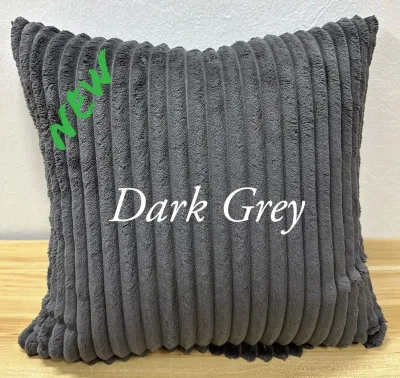
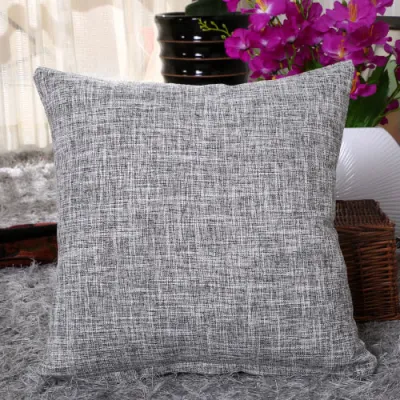
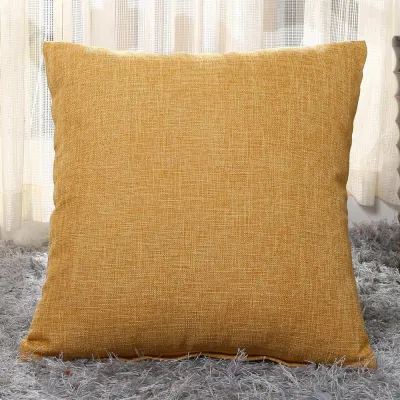
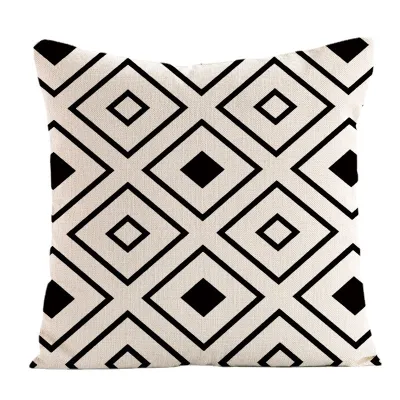
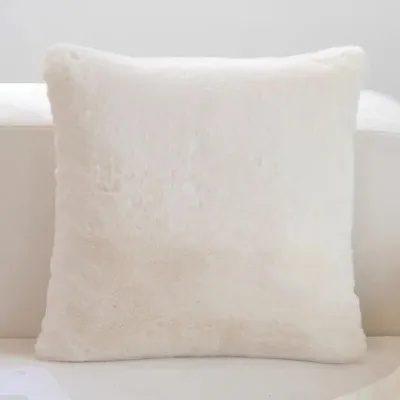
![New style sofa cushion color cushion living room modern simple cushion cover [does not include pillow core]](https://img.lazcdn.com/g/ff/kf/S90a32c6ab3bd470b88691149d454154bQ.jpg_400x400q80.jpg_.webp)
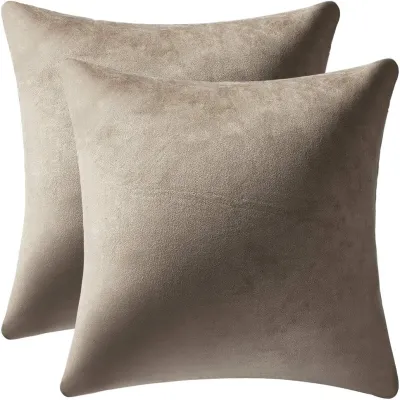
![[V.Home] Throw Pillows/Cushion Case/4 sizes available/Indoor Decoration Cushion Pillow](https://img.lazcdn.com/g/p/7b0bca45b51dd8b3fca4a548ca000357.jpg_400x400q80.jpg_.webp)
Prices are valid at publication and may change. Please refer to the product page for the latest price.
Sizing is another essential element of a polished look. Standard cushion covers in Singapore typically come in square dimensions such as 45×45 cm or 50×50 cm, alongside rectangular lumbar sizes like 30×50 cm. To achieve a plump, professionally styled appearance, a helpful industry practice is to select a cushion insert that is slightly larger than the cover itself. For example, placing a 50×50 cm insert inside a 45×45 cm cover creates a full, firm cushion without empty corners. When measuring your existing cushion inserts to buy replacement covers, always measure along the seams from corner to corner while the insert is laid flat, rather than measuring diagonally or while it is stuffed inside an old cover.
Finding Minimalist and Scandinavian Cushion Covers
Minimalist and Scandinavian interior styles are highly popular in Singapore, prized for their ability to make urban living spaces feel bright, airy, and uncluttered. To complement these aesthetics, cushion covers should focus on clean lines, neutral color palettes, and rich, tactile textures rather than loud patterns. Look for muted, earthy tones such as oatmeal, soft sand, slate grey, sage green, and warm cream. Instead of relying on prints for visual interest, introduce variety through fabric textures. Combining a slub-textured linen cover with a smooth cotton-canvas cover and a chunky waffle-weave cover in similar tonal shades creates a sophisticated, layered look that feels cozy without looking chaotic.

When sourcing these understated designs in Singapore, you will find the most diverse selections at Nordic-inspired home furnishing stores, local minimalist lifestyle boutiques, and specialized online home decor platforms. Local independent boutiques often curate collections from international design studios that emphasize sustainable materials and minimalist aesthetics. Online marketplaces also offer a vast array of options, but it is important to read the product specifications carefully. Avoid low-grade synthetic covers that mimic the look of natural fibers but feel hot and sticky in Singapore’s climate. Instead, look for retailers that explicitly state the fabric composition and prioritize organic cotton or flax linen.
Before finalizing your purchase of light-colored minimalist covers, there are a few specific features to verify. Light fabrics like white, cream, and pale grey can sometimes be translucent, meaning a dark or patterned cushion insert might show through the cover. Check the fabric weight or density to ensure it is opaque enough to fully conceal the insert. Additionally, verify the colorfastness and care instructions. Natural, undyed linen and light cotton blends are beautiful but can shrink or lose their shape if washed in hot water. Opt for covers that are labeled as pre-shrunk, or be prepared to wash them using gentle, cold-water cycles to preserve their clean, crisp appearance.
Sourcing Tropical and Eclectic Cushion Covers
If your home leans toward a vibrant tropical or eclectic aesthetic, cushion covers are an excellent medium to showcase bold colors, intricate patterns, and global design influences. Tropical decor in Singapore naturally complements the lush greenery outside our windows, utilizing botanical prints like palm fronds, monstera leaves, and exotic floral patterns. These prints look best when rendered in rich, saturated jewel tones such as emerald green, deep teal, mustard yellow, and terracotta. Eclectic styles, on the other hand, thrive on contrast and texture, incorporating elements like heavy embroidery, tufted cotton details, tassels, and woven jacquard patterns that add depth and personality to your seating area.
To find these expressive pieces, explore local artisan markets, craft collectives, and independent home showrooms that specialize in regional Southeast Asian designs. Singapore has a rich heritage of textile art, and boutique showrooms often feature hand-printed batik, hand-woven ikat, or block-printed cushion covers sourced directly from artisans across the region. These unique pieces not only serve as excellent conversation starters but also support traditional craftsmanship. Specialized decor boutiques in creative districts are also excellent hunting grounds for eclectic covers that feature whimsical illustrations, rich velvet textures, or intricate beadwork.
When purchasing highly patterned or textured covers, quality control is paramount. For printed designs, examine how the pattern matches up at the seams. On high-quality covers, the print is aligned carefully so that the visual flow of the pattern is not awkwardly disrupted at the edges or across the zipper line. For embroidered, tufted, or beaded covers, turn the cover inside out to inspect the backing. A well-made textured cover will have a soft protective lining on the inside to cover the reverse side of the embroidery, preventing the loose threads from catching on your cushion insert or unraveling over time. Furthermore, if you plan to place these vibrant cushions near large windows, balconies, or sunlit daybeds, check if the fabric is UV-resistant or fade-resistant, as intense tropical sunlight can quickly dull bright dyes.
Finalizing Your Purchase and Managing Climate Care
Before you complete your purchase, conducting a few final checks can save you time and money. Always verify the compatibility of your existing inserts with the new covers, keeping in mind the sizing guidelines mentioned earlier. If you are ordering online, review the retailer’s return and exchange policies, paying close attention to who covers the return shipping costs within Singapore. Once your new cushion covers arrive, inspect them immediately before washing or discarding the packaging. Test the zippers by opening and closing them several times to ensure smooth operation, and check the stitching along the seams for any loose threads, skipped stitches, or misaligned fabric.
Maintaining cushion covers in Singapore’s humid environment requires a proactive care routine to prevent musty odors, yellowing, and mold growth. Avoid placing cushions in poorly ventilated areas or directly against damp walls. Regularly fluffing your cushions and exposing them to fresh air helps keep them dry and fresh. When it comes to washing, always adhere to the manufacturer’s care label. Use a mild liquid detergent and wash the covers inside out to protect the outer surface and any decorative elements. Avoid using fabric softeners, as they can leave a chemical residue on the fibers that traps moisture and dust, eventually leading to odors. Line-drying your covers in a well-ventilated, shaded outdoor area is the recommended method; direct, intense midday sun can degrade natural fibers and fade colors, while drying them indoors without sufficient airflow can result in a damp, sour smell.
Certain delicate or high-end cushion covers require professional care to preserve their beauty and structural integrity. If you have invested in covers made from vintage silk, delicate hand-woven ikat, heavily beaded fabrics, or premium velvet, avoid machine washing or hand washing at home. The water temperature, agitation, and detergents can cause colors to bleed, fabrics to shrink, or embellishments to detach. For these specialized items, take them to a reputable professional dry cleaner in Singapore. Professional dry cleaners have the expertise and equipment to clean delicate textiles safely, ensuring your statement cushion covers remain a beautiful feature of your home for years to come.
Frequently Asked Questions (FAQ)
Can I use outdoor cushion covers indoors for better durability?
Outdoor cushion covers are specifically engineered to withstand harsh environmental conditions, making them highly resistant to water, UV rays, mold, and staining. While these properties make them incredibly durable, they often come with trade-offs in comfort. Outdoor fabrics are typically treated with protective chemical coatings or woven from synthetic fibers like acrylic or polyester, which can feel stiff, rough, and significantly less breathable than indoor textiles. In Singapore’s warm climate, sitting on non-breathable fabrics can quickly feel hot and uncomfortable. However, outdoor covers can be a highly practical choice for specific high-traffic indoor areas, such as dining bench cushions, playroom seating, or homes with active pets and young children where spills are frequent. If you decide to use outdoor fabrics indoors, look for premium outdoor brands that offer a soft-hand finish, which mimics the texture of indoor fabrics while retaining their protective qualities.
How do I prevent my light-colored cushion covers from yellowing?
Light-colored cushion covers, such as white, cream, and beige, are prone to yellowing over time due to a combination of humidity, sweat, body oils, and exposure to sunlight. To preserve their brightness, wash light-colored covers regularly before dirt and oils become deeply embedded in the fibers. Avoid using chlorine bleach, as it can chemically react with synthetic fibers and fabric finishes, actually causing them to turn yellow rather than white. Instead, opt for oxygen-based whiteners or a gentle soak in warm water with a mild detergent. When storing spare cushion covers, avoid using plastic storage bins or vacuum-seal bags, which can trap residual moisture and release harmful gases that accelerate yellowing. Instead, wrap the clean, completely dry covers in acid-free tissue paper and store them in breathable cotton storage bags in a cool, dry, and well-ventilated closet.

Community discussion
Share your experience or ask a question. Comments are reviewed before publication.