
Hanging decorative sculptures introduce a dynamic three-dimensional element to interior spaces, drawing the eye upward and breaking the monotony of flat walls and standard furniture heights. Unlike traditional framed art, these suspended pieces interact directly with air currents, light, and shadows, creating a shifting focal point that changes throughout the day. Selecting the right sculpture requires a thoughtful balance between artistic expression and structural compatibility. By aligning the material, form, and visual weight of a hanging sculpture with your existing interior design style, you can create a cohesive environment that feels intentional and curated.
In Singapore’s diverse residential landscape, from compact high-rise apartments to spacious landed homes, spatial volume is a premium asset. Suspended decor utilizes underused vertical space, making it an excellent design tool for adding character without cluttering floor plans. However, a mismatch in style or scale can disrupt the visual harmony of a room, while an incorrect installation can pose safety risks. This guide outlines how to evaluate your space, match sculptures to popular design themes, and verify critical physical and structural requirements before making a purchase.
Identifying Your Room's Interior Aesthetic
Before browsing for a hanging decorative sculpture, it is essential to conduct a systematic audit of the room where it will reside. Start by analyzing the dominant furniture pieces, noting their lines, materials, and overall visual weight. Heavy, dark wood furniture suggests a different design foundation than light-toned, low-profile modular seating. Take note of the existing color palette, identifying whether the room relies on warm neutrals, cool monochromes, or vibrant accent tones. The dominant textures—such as polished marble, matte concrete, soft linen, or coarse jute—will also dictate how a new sculpture interacts with the space.
Products mentioned in this guide
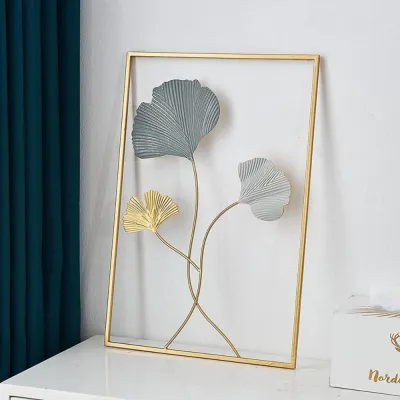
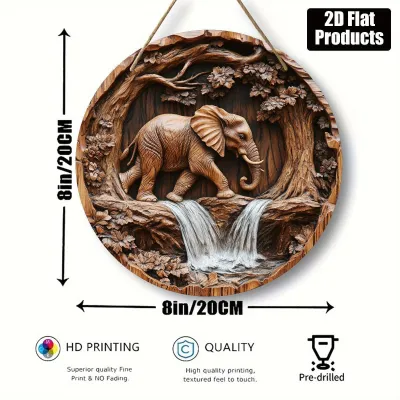
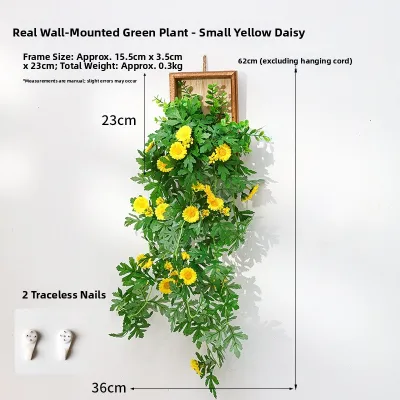
Prices are valid at publication and may change. Please refer to the product page for the latest price.
Next, determine the primary design theme that governs the room. While many modern homes feature a blend of styles, one aesthetic usually dominates, whether it is the clean restraint of minimalism, the organic warmth of bohemian design, or the structured elegance of traditional interiors. Identifying this theme helps narrow down the appropriate material and form for your sculpture. For instance, an industrial loft with exposed concrete and metal fixtures provides a starkly different backdrop than a sunlit, plant-filled Scandinavian living room.
Finally, evaluate the room’s architectural features, focal points, and natural light patterns. Observe where the eye naturally lands when entering the space and how light moves across the ceiling and walls throughout the day. A hanging sculpture placed near a window will cast dynamic shadows, which can either enhance a minimalist room or overwhelm a busy, pattern-rich space. Consider the visual flow and clearance heights, ensuring that the sculpture will not obstruct views, block walkways, or compete with existing statement lighting fixtures.
Matching Hanging Sculpture Styles to Design Themes
Integrating a hanging sculpture successfully relies on matching its physical characteristics with the design language of your room. Different materials, finishes, and shapes evoke distinct emotional responses and visual weights. While design rules are flexible, aligning these elements with your primary theme ensures the sculpture complements rather than clashes with your decor.

For example, sleek metals and geometric forms naturally reinforce modern aesthetics, whereas organic fibers and irregular shapes harmonize with rustic or bohemian environments. The key is to look for shared characteristics between the sculpture and the room’s existing elements, such as matching a brass accent in a light fixture with a brass element in the suspended art. The following sections explore how to apply these principles across specific interior design styles.
Modern and Minimalist Spaces
Modern and minimalist interiors prioritize simplicity, functional beauty, and clean architectural lines. In these spaces, a hanging decorative sculpture should serve as a refined focal point rather than a distracting ornament. Look for pieces that feature precise geometric shapes, such as spheres, cones, or intersecting planes, which echo the structured layout of minimalist furniture. Matte black, brushed brass, chrome, or monochromatic powder-coated finishes work exceptionally well, providing a subtle contrast against neutral walls without introducing visual noise.
The concept of negative space is crucial when selecting a sculpture for a minimalist room. Choose designs that are open and airy, allowing the wall color and light to pass through the structure. Kinetic mobiles with delicate wire arms and balanced geometric panels are excellent choices, as their gentle, air-driven movements introduce subtle dynamism without disrupting the room’s calm atmosphere. The goal is to achieve visual lightness, ensuring the sculpture feels integrated into the volume of the room rather than suspended as a heavy, solid mass.
Avoid sculptures with intricate carvings, highly distressed finishes, or overly complex, multi-colored patterns. These details tend to compete with the clean surfaces and uncluttered planes characteristic of modern design. Instead, let the purity of the form and the quality of the material speak for themselves. A single, well-scaled geometric sculpture can anchor an entire room, proving that restraint often delivers the most significant aesthetic impact.
Bohemian and Eclectic Interiors
Bohemian and eclectic spaces celebrate texture, warmth, and a curated, global aesthetic. These interiors thrive on layers of patterns, natural materials, and hand-crafted elements, making them ideal environments for expressive hanging sculptures. When selecting a piece for a bohemian room, look for natural materials such as rattan, bamboo, driftwood, terracotta, or woven cotton fibers. These materials introduce organic warmth and tactile interest, reinforcing the connection to nature that defines the style.
Organic, irregular shapes and fluid lines are highly suited to this aesthetic. Consider hanging sculptures that feature woven macramé patterns, cascading clay beads, or abstract wooden carvings. These pieces often showcase artisanal textures and minor imperfections, which add character and a sense of history to the space. Unlike the precise symmetry required in traditional rooms, bohemian decor welcomes asymmetry and relaxed, free-flowing compositions that mimic natural forms.
To prevent the sculpture from getting lost in a highly decorated eclectic room, carefully balance its visual weight with the surrounding textiles and wall coverings. If your room already features busy wallpaper or vibrant rugs, choose a hanging sculpture in a solid, neutral tone—such as natural jute or unglazed ceramic—to provide a resting point for the eye. Conversely, if your bohemian space relies on a neutral palette of creams and terracottas, a multi-textured, layered hanging piece can provide the necessary depth and focal interest to tie the room together.
Traditional and Transitional Rooms
Traditional and transitional interiors rely on balance, symmetry, and classic design principles. Traditional spaces often feature rich wood tones, architectural moldings, and antique-inspired furniture, while transitional spaces bridge the gap between classic elegance and modern simplicity. Hanging sculptures in these environments must respect these established proportions and coordinate seamlessly with formal design elements.
Classic materials such as cast bronze, aged brass, fine ceramics, or sculpted resins are highly appropriate for traditional and transitional rooms. Look for sculptures that incorporate traditional motifs, such as botanical elements, classical figures, or symmetrical abstract patterns. A hanging metal sculpture with a subtle patina or an antiqued gold finish can complement classic picture frames and brass hardware, creating a sense of continuity throughout the room.
Symmetry and alignment play a vital role in positioning sculptures within these styles. Instead of a single, offset kinetic piece, consider hanging a balanced pair of sculptures on either side of a fireplace, or centering a structured, classical hanging medallion above a console table. Ensure the sculpture’s scale and finish coordinate with nearby architectural details, such as crown moldings or wainscoting. By choosing pieces that mirror the refined craftsmanship of your furniture, you ensure the hanging sculpture feels like a permanent, integrated architectural feature rather than an afterthought.
Essential Selection Criteria Before Purchasing
Selecting a hanging decorative sculpture involves more than finding an appealing design; you must also evaluate its physical specifications against your room’s environmental conditions. The first step is to measure the spatial proportions of the target area. Compare the sculpture’s height, width, and depth with your ceiling height and the surrounding floor area. A sculpture that is too large can make a standard 2.6-meter ceiling feel low and oppressive, while a piece that is too small will look lost and insignificant. As a general guideline, ensure there is ample clearance below the sculpture to maintain comfortable walkways and unobstructed sightlines across the room.
Environmental suitability is another critical factor, particularly in tropical climates like Singapore’s, where high humidity and intense sunlight are common. If you plan to hang a sculpture near a balcony, open window, or in a semi-outdoor space, verify the material’s resistance to moisture and UV exposure. Untreated metals may rust, unsealed wood can warp or develop mold, and certain plastics or dyed fabrics may fade rapidly under direct sunlight. Look for manufacturer specifications indicating that the materials are treated with protective coatings, or choose naturally resilient materials like marine-grade stainless steel, powder-coated aluminum, or high-fired ceramics.
Finally, review the long-term maintenance requirements of the sculpture before purchasing. Intricate designs with numerous small crevices will accumulate dust quickly and may require delicate, frequent cleaning with a soft brush or compressed air. Smooth, metallic, or ceramic surfaces are generally easier to maintain, requiring only a quick wipe with a dry microfiber cloth. Always check the manufacturer’s care instructions to ensure you do not inadvertently damage specialized finishes or delicate hand-painted details with unsuitable cleaning agents.
Installation, Weight, and Safety Considerations
The safety of a hanging decorative sculpture depends entirely on proper installation and structural verification. Before purchasing, check the product label or manufacturer specifications for the exact weight of the sculpture. This figure determines the type of mounting hardware required and whether your ceiling can safely support the load. Never guess the weight of an object or rely on standard adhesive hooks for suspended items, as temperature fluctuations and humidity can cause adhesives to fail over time.
Assess the structural composition of your ceiling at the intended suspension point. In many modern apartments and condominiums, ceilings consist of plasterboard false ceilings designed to conceal wiring and air conditioning ducts, rather than solid concrete slabs. Standard plasterboard cannot support heavy suspended loads without proper reinforcement. For lightweight sculptures, specialized hollow-wall anchors or toggle bolts may be sufficient, but heavier pieces must be anchored directly into the concrete structural slab or a timber ceiling joist.
Always prioritize safety and follow the manufacturer’s installation instructions precisely. If you are working at height, dealing with complex mounting systems, or if the structural integrity of your ceiling is unclear, stop the installation and consult a qualified professional. A professional installer or structural specialist can assess the load-bearing capacity of your ceiling, select the correct heavy-duty anchors, and ensure the sculpture is suspended securely, preventing potential damage to your property or injury to occupants.
Frequently Asked Questions (FAQ)
How do I determine the right size for a hanging sculpture?
To find the ideal size, measure the vertical clearance of your room and the footprint of the furniture directly below the hanging area. For sculptures suspended over open walkways, maintain a minimum clearance of 2.1 meters from the floor to the bottom of the sculpture to prevent accidental contact. If the sculpture hangs over a dining table or coffee table, you can lower it slightly, but it should remain at least 75 to 90 centimeters above the tabletop to preserve clear sightlines for seated guests. Use temporary paper templates or string mock-ups hung from the ceiling to visualize the scale and volume of the piece before finalizing your purchase.
Can I hang decorative sculptures on plasterboard ceilings?
Yes, but only under strict weight limits and with the correct hardware. Standard plasterboard anchors are suitable only for very lightweight decorative items, typically under 2 to 3 kilograms, depending on the anchor manufacturer’s specifications. For any sculpture exceeding this weight, you must locate the underlying metal framing or timber joists using a stud finder, or drill directly into the concrete structural slab above the false ceiling using extended masonry anchors. If you are uncertain about the ceiling’s load-bearing capacity or the location of hidden utility pipes and electrical wiring, always consult a qualified contractor to perform the installation safely.
Community discussion
Share your experience or ask a question. Comments are reviewed before publication.