
Integrating living greenery into your home interior does not require dealing with messy soil or bulky traditional pots. A hydroponics vase offers a clean, sophisticated alternative, serving as both a functional vessel for water-based plant cultivation and a deliberate design statement. Selecting the ideal vase involves more than simply picking an attractive container; it requires a thoughtful balance between the biological needs of your plants and the established aesthetic of your living space. By understanding how different materials, shapes, and structural designs interact with your home’s decor, you can create a harmonious display that promotes healthy root development while elevating your interior styling.
Core Selection Criteria Beyond Aesthetics
Before diving into the visual styles that complement your home, it is essential to establish the fundamental functional and spatial requirements of a hydroponics vase. The primary consideration is the relationship between the volume of the vase and the root space requirements of your chosen plant species. Plants with rapid root growth or larger root masses require a more generous water reservoir to prevent crowding, which can restrict oxygen access and lead to root rot.
Material transparency is another critical factor that directly influences both plant health and maintenance. Clear glass or acrylic vessels allow light to penetrate the water, which is highly beneficial for observing root development but also creates an ideal environment for algae growth. Opaque materials, such as ceramic or dark-tinted glass, block light and naturally suppress algae, though they prevent you from monitoring root health at a glance.
Products mentioned in this guide
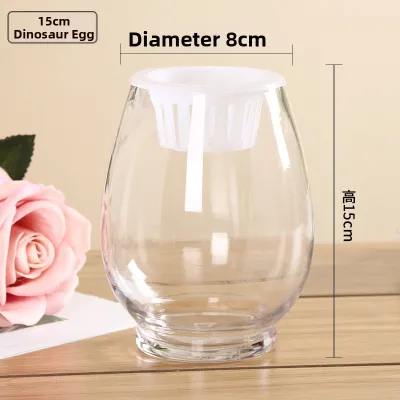
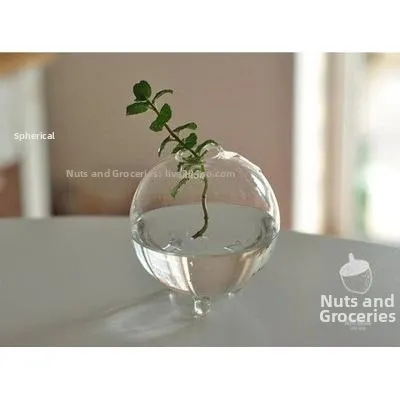
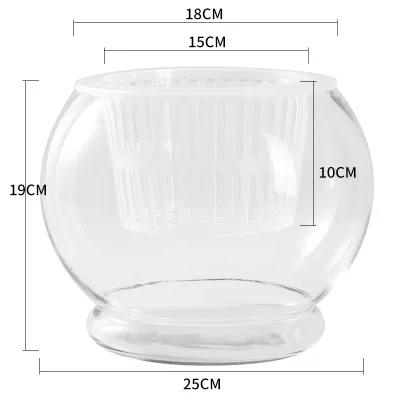
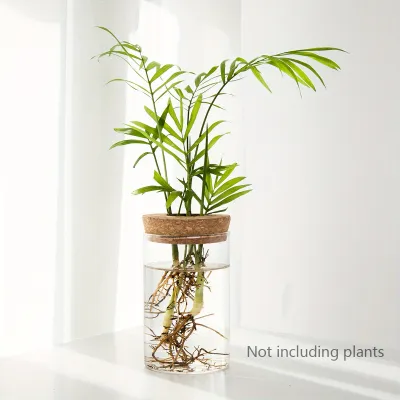
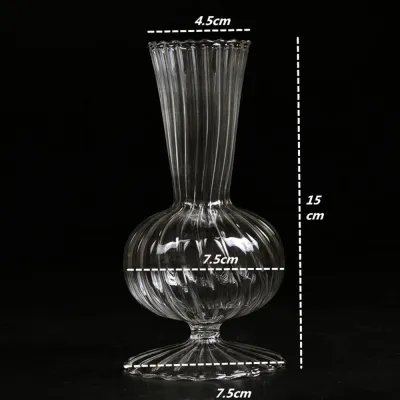
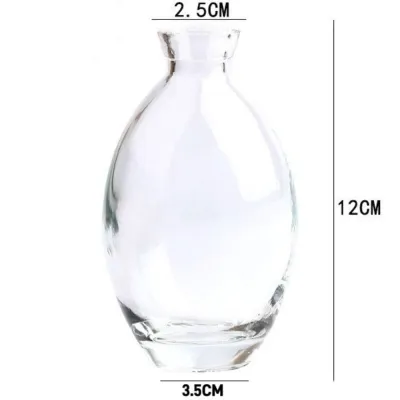
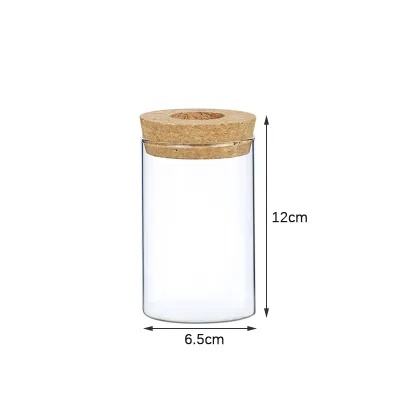
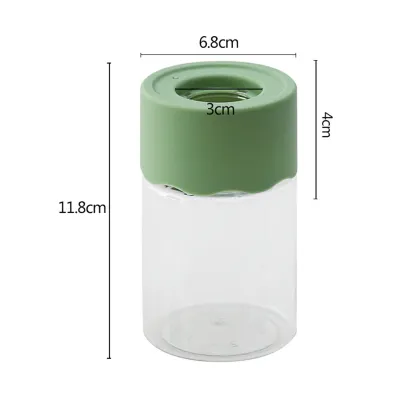
Prices are valid at publication and may change. Please refer to the product page for the latest price.
The design of the vase neck or opening must also be carefully evaluated. The opening needs to provide adequate physical support to keep the plant stem upright without pinching or damaging the delicate plant tissues. A neck that is too narrow can restrict air circulation and make it incredibly difficult to extract the plant for cleaning once the root system has expanded and tangled.
Finally, consider the base footprint and overall stability of the vessel. Hydroponic plants can become top-heavy as their foliage grows and spreads toward the light. A vase with a narrow base or lightweight construction is prone to tipping over, which can result in water damage to your wooden shelves, sideboards, or nearby electronics.
Aligning Vase Designs with Popular Decor Themes
Once you have established the functional parameters, you can begin mapping different hydroponics vase styles to your specific home interior aesthetics. The physical silhouette and texture of a vase can act as either a complementary anchor or a deliberate contrasting element within a room. For instance, a sleek, straight-lined vessel reinforces a modern, structured environment, whereas a soft, hand-thrown ceramic pot introduces warmth and organic texture.

How different materials interact with ambient lighting and surrounding furniture also plays a major role in visual cohesion. Glass reflects and refracts natural light, making small spaces feel brighter and more open, while matte ceramics absorb light, grounding a room and pairing beautifully with natural wood, linen, and stone surfaces.
It is helpful to remember that style categories are flexible guidelines rather than rigid rules. Mixing a geometric metal-framed glass vase with a rustic wooden shelf can create a compelling contrast, allowing you to personalize your space while maintaining a cohesive color palette or material theme.
Minimalist Glass for Clean and Modern Spaces
Cylindrical, spherical, or simple test-tube glass vases are staples of minimalist, Scandinavian, and contemporary design. Their transparent nature allows them to blend seamlessly into the background, making them excellent choices for compact spaces or minimalist shelving units where visual clutter must be kept to a minimum.
In a minimalist setting, the plant itself—including its intricate, winding root system—becomes the primary decorative element. Watching roots grow in clean, clear water adds a dynamic, living art component to your home. This transparency also makes it simple to monitor water clarity and level at a glance, ensuring your plant always has what it needs.
However, clear glass demands a disciplined maintenance routine. Algae can quickly coat the inner walls of the glass, turning a pristine display into an unsightly green mess. To preserve the clean aesthetic, you must commit to regular water changes and thorough vessel scrubbing to prevent visible buildup.
Geometric Shapes for Structural and Industrial Looks
Angular, faceted, or asymmetrical hydroponics vases introduce a strong sense of structure to industrial, mid-century modern, or eclectic interiors. Vases featuring tinted glass, dark metal frames, or molded acrylic structures complement the exposed brick, concrete, and metal elements often found in industrial loft-style homes.
Many geometric designs feature external metal stands or wide, angular bases that provide excellent physical stability. However, some highly stylized asymmetrical glass vessels can have an offset center of gravity. It is crucial to test the stability of these unique shapes when filled with water and holding a plant to prevent accidental spills.
To complement the bold lines of geometric vases, select plants with strong, structural silhouettes. Upright snake plants, architectural monstera cuttings, or trailing ivy with distinct leaf patterns work exceptionally well, creating a striking contrast between organic growth and rigid, man-made geometry.
Rustic Ceramics for Warm and Natural Environments
For homes styled around bohemian, farmhouse, or organic modern aesthetics, rustic ceramic hydroponics vases offer a grounded, earthy feel. The tactile quality of unglazed clay, ribbed stoneware, and warm terracotta tones brings a sense of craftsmanship and natural warmth to your living spaces.
A critical step when choosing ceramic vessels for hydroponics is verifying the interior finish. Because clay is naturally porous, unglazed ceramics will slowly seep water, leading to unsightly mineral stains on your furniture or even structural damage to wooden surfaces. Ensure the interior has a high-quality waterproof glaze, or use a separate glass insert to hold the water securely.
Unlike clear glass, opaque ceramic vessels completely block light from reaching the water and root system. This natural light barrier drastically reduces the rate of algae growth, meaning you can go longer between deep cleanings. It also conceals discolored water or untidy root structures, maintaining a polished look with less effort.
Balancing Decor Appeal with Plant Health
The shape of your hydroponics vase directly influences how quickly water evaporates. Wide-mouthed vases lose water much faster than narrow-necked designs, requiring more frequent top-ups to ensure the roots remain submerged. Monitor the water level closely during warmer dry spells to prevent the roots from drying out.
Finding the right spot for your hydroponics vase requires balancing the plant’s light requirements with the physical properties of the vessel. While your plant may thrive in bright, indirect sunlight, placing a clear glass vase in direct sun will rapidly accelerate algae growth and can even overheat the water, damaging the roots. Position transparent vessels slightly back from bright windows or opt for opaque vessels if the plant requires high light levels.
Hydroponic plants rely entirely on liquid nutrients added to the water. However, these nutrients can leave mineral deposits, white rings, or stains on the interior surfaces of your vases, particularly on delicate glass or unglazed ceramic rims. To minimize staining, mix the nutrient solution in a separate container before pouring it into the vase, and avoid over-concentrating the mixture.
Over time, both the plant roots and the inner walls of the vase will accumulate organic residue. Establish a gentle cleaning routine: carefully slide the plant out of the vessel, support the root mass, and rinse the roots under lukewarm water. Clean the vase using a soft sponge or bottle brush with mild, plant-safe soap, avoiding abrasive pads that could scratch glass or strip interior glazes.
Pre-Purchase Checks and Sourcing Guidelines
Before purchasing any vase intended for hydroponics, carefully read the product description to confirm it is rated for holding water long-term. Many decorative vases sold in home decor shops are designed exclusively for dry or artificial floral arrangements and may crack, leak, or degrade when filled with water continuously.
Measure your intended display surface—such as a narrow windowsill, a floating shelf, or a bedside table—and compare it against the manufacturer’s specified dimensions. Remember to account for the mature height and spread of the plant, ensuring there is enough vertical clearance and that the plant will not crowd surrounding decor.
Purchase your hydroponics vases from established home decor retailers, official brand stores, or specialized indoor plant nurseries. These sources are more likely to provide accurate material specifications, high-quality manufacturing, and reliable customer service or return policies if the product does not meet your expectations.
Frequently Asked Questions (FAQ)
Can I use any decorative vase for hydroponics?
While many decorative vases can physically hold water, not all are suitable for long-term hydroponic cultivation. Porous materials like unglazed terracotta, concrete, or certain metals can leach harmful minerals into the water or slowly leak, damaging your furniture. Additionally, vases with extremely narrow or convoluted necks can trap roots as they grow, making it impossible to remove the plant for cleaning without destroying either the roots or the vase. If you have an unsuitable decorative vase you love, a great workaround is to place a slim glass test tube or plastic insert inside the vessel to hold the water and plant safely.
How do I prevent algae growth in clear glass vases?
Algae thrives on a combination of light, water, and nutrients, making clear glass vases highly susceptible. To minimize growth, position your clear vases in areas that receive bright, indirect light rather than direct sunlight, which fuels rapid algae multiplication. Establish a consistent water-changing schedule, replacing the water every one to two weeks to disrupt the algae’s life cycle before it can establish a foothold. During these water changes, use a soft bottle brush or sponge to gently wipe down the interior glass walls, removing any early film without using harsh chemical cleaners that could harm your plant’s delicate root system.
Community discussion
Share your experience or ask a question. Comments are reviewed before publication.