
Selecting the perfect large wall art for your home is more than just finding an image you like; it is about creating a visual anchor that harmonizes with your interior architecture and daily living environment. In Singapore’s diverse residential landscape, which ranges from cozy HDB flats to spacious condominiums and landed properties, a well-chosen piece of art can define a room’s character. Conversely, an mismatched piece can make a space feel cluttered, disjointed, or visually cramped.
By understanding how to evaluate your wall dimensions, coordinate color palettes, and align art styles with your existing interior theme, you can transform any blank wall into a sophisticated gallery-worthy display. This guide provides a practical framework to help you navigate these design decisions, ensuring your next large art purchase elevates your home seamlessly.
Assessing Your Space and Interior Theme
Before browsing online galleries or visiting local art showrooms, you must thoroughly evaluate the physical and visual limits of your room. The most common mistake is choosing a piece based solely on its individual appeal without considering how it interacts with nearby furniture and architectural features. A large canvas that looks stunning in a high-ceilinged showroom can easily overwhelm a standard living room if the proportions are miscalculated.
Products mentioned in this guide
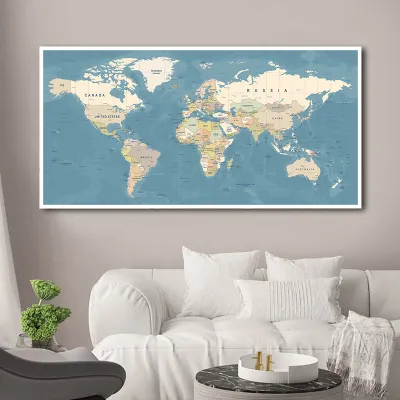
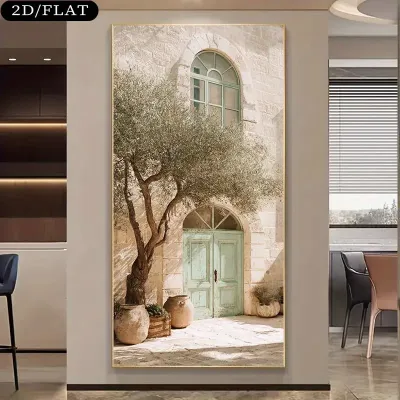
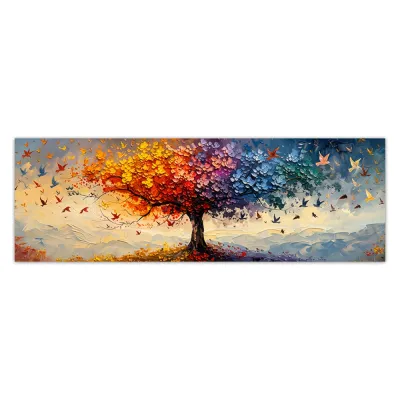
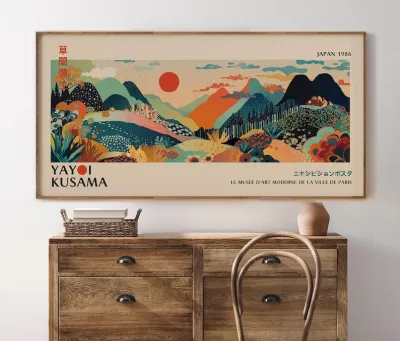
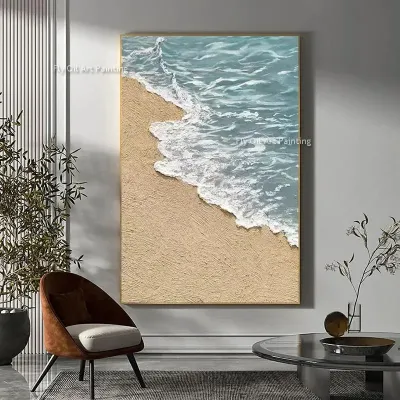
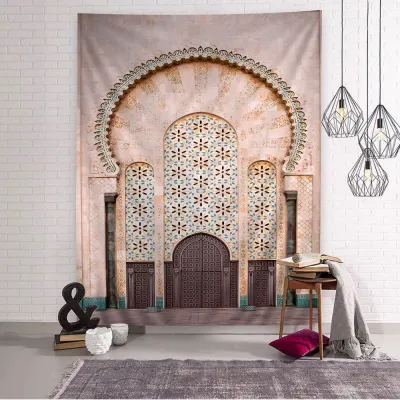
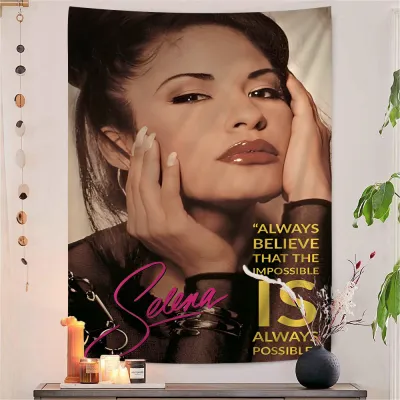
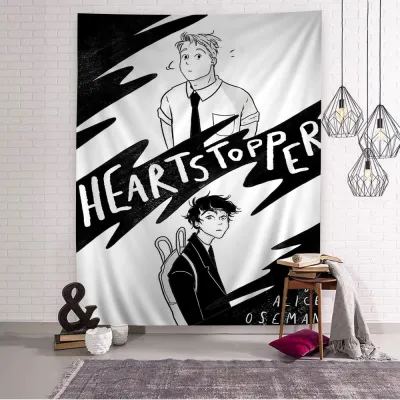
Prices are valid at publication and may change. Please refer to the product page for the latest price.
Begin by measuring the exact width and height of the available wall space. If you plan to hang the art above a major piece of furniture, such as a three-seater sofa, a dining sideboard, or a bed frame, use the two-thirds rule as your guide. Ideally, the width of your artwork should span approximately two-thirds to three-quarters of the width of the furniture below it. This proportion ensures the art feels anchored to the furniture rather than floating aimlessly on the wall.
Next, analyze the dominant color palette of your room. Take note of the primary colors on your walls and floors, the secondary colors of your large furniture pieces, and the accent colors found in cushions, rugs, or decorative objects. Your chosen wall art should either echo these existing tones to create a cohesive, serene look, or introduce a carefully selected contrast color that adds energy to the space without causing visual chaos.
Finally, clearly define your home’s core interior design style. Whether your space leans toward clean minimalism, raw industrialism, or lush tropical warmth, identifying this baseline style will help you narrow down compatible art genres. This structured approach prevents impulse purchases and ensures that your selected artwork feels like an intentional, integrated component of your home’s overall design narrative.
Matching Art Styles to Popular Interior Themes
Every interior design theme carries a distinct visual language, defined by its textures, materials, and spatial philosophy. To create a harmonious home, your large wall art should speak that same language. Aligning the visual characteristics, color palettes, and framing styles of your artwork with your interior theme creates a polished, designer-led aesthetic.

When pairing art with specific room styles, the goal is to complement rather than compete. For instance, a highly ornate, gilded frame holding a vibrant pop art print will likely clash in a serene Scandinavian living room, while a delicate, frameless watercolor might get lost against a rugged concrete industrial wall. Understanding these stylistic relationships allows you to make confident, visually successful choices.
Minimalist and Scandinavian Interiors
Minimalist and Scandinavian design philosophies prioritize simplicity, functionality, light, and uncluttered spaces. To enhance this serene atmosphere, large wall art should emphasize negative space, clean lines, and a restrained color palette. Look for abstract line art, delicate ink sketches, monochromatic landscape photography, or subtle geometric forms that do not demand excessive visual attention.
Framing plays a crucial role in maintaining the clean aesthetic of these interiors. Opt for ultra-thin, low-profile frames in natural oak, matte black, or satin white. These materials complement the light wood tones and neutral textiles typical of Scandinavian decor. A wide, white mat board around a smaller print within a large frame can also create a sense of breathing room, reinforcing the minimalist focus on simplicity.
Avoid artwork featuring dense, chaotic patterns, heavy impasto textures, or highly saturated primary colors. These elements introduce visual noise that disrupts the calm, balanced environment you have carefully curated. Instead, let the artwork serve as a quiet focal point that invites contemplation and enhances the overall sense of spaciousness.
Industrial and Urban Loft Spaces
Industrial interiors celebrate raw, structural elements, showcasing materials like exposed brick, concrete screed, weathered wood, and black steel. To complement this rugged, urban aesthetic, choose large wall art that mirrors these textural and structural qualities. Excellent options include black-and-white architectural photography, vintage patent blueprints, distressed abstract canvases, or gritty street-art-inspired prints.
For framing, lean into the industrial theme by selecting raw metal frames, dark pewter finishes, or even frameless stretched canvases with painted black edges. You can also explore alternative hanging systems, such as exposed steel cables, heavy-duty metal clips, or industrial pipe hangers, which add to the utilitarian charm of the space.
When hanging art in an industrial loft, you must balance the piece against highly textured backgrounds. A smooth, delicate print can easily get swallowed up by a rough brick wall. To prevent this, choose art with bold, high-contrast compositions or physical texture that can hold its own against the busy patterns of brickwork or the mottled tones of concrete.
Contemporary and Eclectic Homes
Contemporary and eclectic spaces thrive on dynamic energy, bold contrasts, and curated self-expression. These interiors provide the perfect backdrop for vibrant, large-scale color block abstracts, expressive modern portraiture, or bold geometric patterns. Here, your wall art is not meant to blend into the background; it is designed to be a conversation starter and a definitive focal point.
In an eclectic home, you have the creative freedom to experiment with high-contrast pairings. For example, you can hang a vivid, colorful abstract canvas in a room furnished with mid-century modern classics, or place a bold pop art print adjacent to a traditional wooden cabinet. The key is intentionality—ensuring that despite the mix of styles, there is a shared thread of color or scale that ties the room together.
Framing in contemporary spaces can be equally adventurous. Consider deep shadow box frames, glossy acrylic face-mounts, or mixing different frame materials across the same wall. By layering different textures, colors, and artistic mediums, you build a rich, sophisticated visual depth that reflects a highly personalized approach to home decor.
Botanical and Tropical Themes
Botanical and tropical interior themes bring the refreshing beauty of nature indoors, a design approach that resonates deeply in Singapore’s tropical environment. To complement this biophilic aesthetic, select large wall art featuring oversized monstera or palm leaf illustrations, lush rainforest photography, or soft watercolor florals. These images reinforce the connection to the natural world and enhance the indoor-outdoor flow.
Coordinate the colors in the artwork with the natural materials in your room. Earthy tones, deep forest greens, warm ochres, and soft sandy beiges pair beautifully with rattan, bamboo, and teak furniture. Framing should follow suit; choose natural timber frames, distressed wood finishes, or even bamboo-style frames to complete the organic look.
Because botanical themes are often used in bright, airy spaces, pay close attention to how the art is protected. In Singapore’s humid climate, unprotected paper prints can warp or develop mold quickly. Ensure your botanical prints are sealed behind protective acrylic or glass, or opt for high-quality canvases treated with moisture-resistant coatings to ensure your green sanctuary remains pristine over time.
Practical Sizing, Placement, and Installation Checks
Once you have selected an art style that matches your interior theme, you must address the practical aspects of sizing, placement, and physical installation. Proper execution in these areas is what separates a professional-looking gallery space from a casual DIY attempt. Taking precise measurements and using the correct hardware will protect both your investment and your walls.
When determining the hanging height, always aim for eye-level placement. In the design world, this standard typically means positioning the center of the artwork approximately 57 to 60 inches (145 to 152 cm) from the floor. If you are hanging the art above a sofa or console table, ensure there is a gap of 6 to 8 inches (15 to 20 cm) between the bottom of the frame and the top of the furniture to prevent the arrangement from feeling cramped.
In Singapore, residential wall construction varies significantly and dictates your installation method. Most HDB flats and condominium apartments feature solid concrete or precast structural walls. Hanging a heavy, large-scale frame on these surfaces requires a hammer drill, masonry drill bits, and plastic wall plugs (rawlplugs) to securely hold the mounting screws. Attempting to use standard nails or adhesive strips on concrete walls for heavy art is a safety hazard and can lead to damaged artwork or cracked flooring.
For non-structural partition walls, which are typically made of gypsum board or drywall, you must use specialized toggle bolts or hollow-wall anchors that expand behind the board to distribute the weight safely. Always check the weight rating of your selected anchors against the total weight of your framed artwork before hanging.
Additionally, consider the environmental conditions of the room. High-humidity zones, such as walls directly adjacent to bathrooms or areas exposed to kitchen steam, are unsuitable for delicate paper prints or unsealed canvases. The moisture will inevitably cause paper to buckle and can damage wooden frames. Reserve these challenging spots for moisture-resistant materials, or ensure your art is fully sealed with a protective backing.
Evaluating Print Quality and Material Durability
Investing in large wall art requires a careful evaluation of material quality to ensure longevity. Because large prints expose flaws easily, low-resolution images or cheap materials will look noticeably poor under close inspection. Understanding what specifications to look for will help you identify high-quality pieces that resist fading and wear.
First, verify the print resolution and paper specifications. High-quality art prints should be produced using giclée or pigment-based printing methods, which offer superior color depth and longevity compared to standard digital prints. For paper prints, look for archival, acid-free papers with a weight of at least 230 GSM (grams per square meter). Heavyweight paper resists sagging and ensures the ink absorbs evenly without bleeding.
Second, consider the lighting conditions of your room. If your large art piece will be hung opposite a window receiving direct sunlight, it is highly susceptible to UV damage and glare. To protect the colors from fading over time, opt for UV-protective acrylic or museum-grade glass. Acrylic is often preferred for large-scale art because it is shatterproof and significantly lighter than glass, reducing the load on your wall anchors.
Third, inspect the structural integrity of the frame itself. Large frames are under constant tension and can warp easily in humid environments if they are poorly constructed. Ensure the frame features sturdy corner joints, a rigid backing board, and, for stretched canvases, kiln-dried wooden stretcher bars with cross-bracing. These features prevent the frame from twisting or sagging over time.
Finally, always check the retailer’s product specifications and care instructions before finalizing your purchase. Reliable sellers will clearly state the materials used, provide guidance on how to clean the surface (typically with a dry, microfiber cloth), and offer a transparent return policy in case the artwork arrives with transit damage or printing defects.
Frequently Asked Questions (FAQ)
Can I mix different art styles in an open-concept living and dining area?
Yes, you can successfully mix different art styles in an open-concept layout by establishing a unifying visual element. To prevent the space from feeling chaotic, use consistent frame colors and materials across all pieces, or choose artworks that share a similar color palette even if their subjects differ. Additionally, you can use furniture arrangements or area rugs to define distinct zones within the open space, allowing each zone to host its own complementary art style while maintaining a cohesive overall flow.
How do I prevent large canvas art from warping in a humid climate?
To protect large canvas art from warping in Singapore’s humid climate, ensure the canvas is stretched over high-quality, kiln-dried wooden stretcher bars that resist moisture absorption. Look for frames that include heavy-duty corner brackets and center cross-bracing for added structural support. Additionally, maintain good indoor ventilation, use dehumidifiers or air conditioning during exceptionally humid periods, and avoid hanging your canvas directly in the path of air conditioning vents or on damp exterior-facing walls.

Community discussion
Share your experience or ask a question. Comments are reviewed before publication.