
Selecting the perfect vase for your home in Singapore is an exercise in balancing personal taste with spatial reality. A vase is not merely a vessel for holding flowers; it is a sculptural element that can anchor a room, draw the eye, or subtly tie disparate design elements together. To make a successful choice, you must look beyond the immediate appeal of an individual piece and evaluate how its form, material, and scale interact with your home’s specific interior design language, local environmental factors, and daily living patterns. By understanding the interplay between structural design and spatial constraints, you can select pieces that elevate your living space from a simple arrangement of furniture to a cohesive, curated home.
Assessing Your Space and Interior Baseline
Before browsing for a new vase, take a step back to analyze the existing design language of your room. Look at the dominant visual elements: are your walls painted in cool neutrals, warm earth tones, or bold accent colors? Observe the lines of your furniture—whether they are sharp and geometric, or soft and organic. The textures already present in your space, such as polished marble flooring, matte painted walls, or textured fabric sofas, establish a baseline. A new decorative object should either complement these existing textures or provide a deliberate, pleasing contrast that breaks up visual monotony.
Next, measure the physical dimensions of the surfaces where you plan to display your vase. A common mistake is purchasing a beautiful piece only to find it crowds a narrow entryway console or gets lost on a deep bookshelf. Measure the depth of your shelves, the surface area of your dining or coffee tables, and the vertical clearance below any overhead cabinets or wall-mounted artwork. Consider also the viewing angles: a vase placed on a low coffee table will be viewed from above, requiring a design with an interesting top profile or opening, while a vase on a high shelf needs a strong silhouette that reads well from below.
Products mentioned in this guide
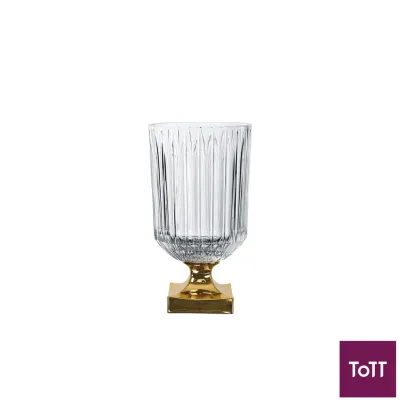
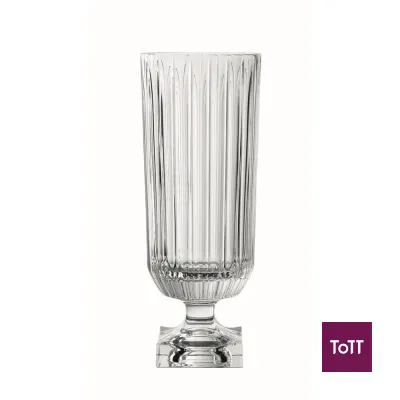
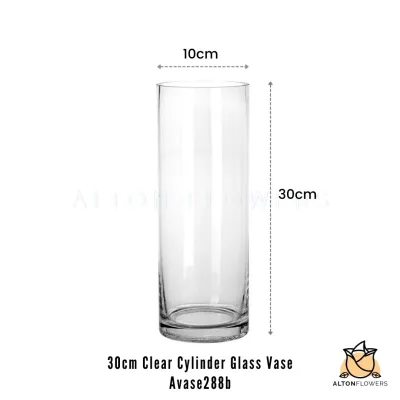
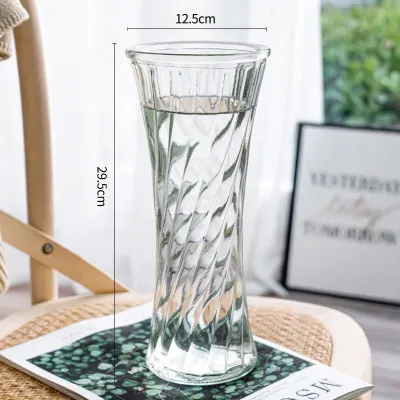
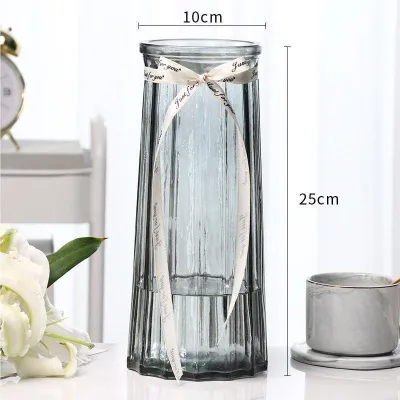
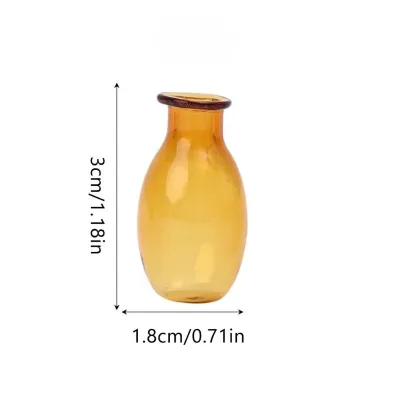
Prices are valid at publication and may change. Please refer to the product page for the latest price.
In Singapore, residential layouts present unique spatial considerations that directly influence your choice of decor. Typical Housing & Development Board (HDB) flats and modern condominiums often feature compact, open-plan living and dining areas where space must be utilized efficiently. In these layouts, a massive, heavy ceramic floor vase can easily overwhelm the room, making walkways feel cramped and disrupting the flow of natural light. Conversely, a collection of tiny bud vases might look cluttered and insignificant against a large feature wall. Understanding how to scale your decor to match the proportions of typical Singaporean apartments ensures that your chosen pieces feel intentional rather than accidental.
Matching Vase Profiles to Your Interior Aesthetic
Once you have established your spatial baseline, you can begin matching vase profiles to your specific interior design style. Vases can serve two distinct roles in a room: they can act as harmonious extensions of the existing aesthetic, blending seamlessly into the background, or they can serve as intentional contrasts that create a focal point. Deciding which approach to take depends on whether your room needs more cohesion or a touch of dramatic tension to bring it to life.

Minimalist and Contemporary Interiors
Minimalist and contemporary homes prioritize simplicity, clean lines, and a lack of unnecessary ornamentation. For these spaces, look for vases that feature strong geometric shapes, such as perfect cylinders, spheres, or sharp rectangular prisms. The color palette should remain restrained, focusing on monochromatic tones, muted grays, soft whites, or deep charcoal. These clean profiles allow the form of the vase itself to become the primary design statement, rather than relying on surface patterns or bright colors to attract attention.
Material selection is crucial in minimalist environments, where every texture is amplified. Frosted glass, matte-finished ceramics, and brushed metals like stainless steel or anodized aluminum work exceptionally well. These materials interact beautifully with light without creating distracting glare. A matte ceramic vase, for instance, absorbs light softly, adding a subtle layer of depth to a clean white sideboard, while a brushed metal piece introduces a sleek, industrial edge that complements modern architectural details.
When styling vases in a minimalist setting, embrace the concept of negative space. Rather than filling a vase with a dense, colorful bouquet, opt for a single, architectural stem—such as a monstera leaf, an eucalyptus branch, or a single calla lily. This sparse arrangement emphasizes the shape of both the plant and the vessel, creating a calm, gallery-like atmosphere. Leaving empty space around the vase on your shelf or table further enhances this clean, uncluttered aesthetic.
Scandinavian and Japandi Spaces
Scandinavian and Japandi (Japanese-Scandinavian fusion) designs focus on warmth, natural elements, and a sense of serene tranquility. To complement these aesthetics, seek out vases with organic silhouettes that mimic forms found in nature, such as gently curved teardrops, asymmetrical hand-thrown pots, or soft, rounded vessels. The color palette should lean heavily into warm, earthy tones—think terracotta, soft beige, olive green, ochre, and warm grays—which help to ground the room and create a cozy, inviting atmosphere.
Texture plays a leading role in these styles, making tactile materials highly desirable. Look for raw clay, unglazed stoneware, or vases wrapped in woven materials like rattan or seagrass. Embracing the Japanese philosophy of wabi-sabi means appreciating beauty in imperfection; therefore, vases with slight surface irregularities, uneven glazes, or asymmetrical shapes are perfect additions. These subtle imperfections add character and a sense of human craftsmanship to your home, contrasting beautifully with mass-produced furniture.
To maintain the balanced, peaceful vibe of a Scandinavian or Japandi space, pair your textured vases with natural, low-maintenance botanicals. Dried cotton stems, pampas grass, or simple bare branches work wonderfully, as they do not require water and maintain their muted, earthy colors indefinitely. This approach is particularly practical for busy Singaporean households, offering a touch of nature that requires zero daily upkeep while reinforcing the organic theme of the interior.
Oriental, Traditional, and Transitional Homes
Homes that incorporate Oriental, traditional, or transitional design elements benefit from vases that carry historical weight and classic craftsmanship. Look for timeless silhouettes such as temple jars, double-gourd shapes, and classic urns. Traditional finishes, including celadon glazes, intricate hand-painted blue-and-white porcelain, or rich oxblood glazes, bring a sense of heritage and sophistication. These pieces carry a visual density that commands attention, making them excellent anchor points for formal living or dining areas.
In transitional spaces—which blend classic traditional details with clean, modern furniture—a traditional vase can act as a bridge between the old and the new. For example, placing a classic blue-and-white porcelain ginger jar on a sleek, modern console table creates an engaging dialogue between different eras. The key is to use these traditional pieces sparingly as focal points, allowing their intricate patterns to stand out against simpler, contemporary backdrops without making the room feel dated or overly formal.
When decorating with highly patterned or detailed traditional vases, it is important to balance their visual complexity with the surrounding decor. If your room already features busy wallpaper, patterned rugs, or elaborate artwork, opt for solid-colored traditional vases, such as a pale green celadon or a solid white porcelain piece, to avoid visual chaos. Conversely, if your soft furnishings are neutral and understated, a pair of intricately detailed oriental vases can provide the perfect splash of color and pattern to elevate the entire room.
Eclectic and Maximalist Environments
For those who embrace eclectic or maximalist design, vases offer an exciting opportunity to experiment with bold colors, unconventional shapes, and mixed-media constructions. In these vibrant spaces, rules are meant to be bent. Look for sculptural vases shaped like human figures, abstract art pieces, or vessels featuring bright, contrasting color blocks. Materials can range from colorful hand-blown glass and high-gloss glazed ceramics to terrazzo and mixed-metal designs, allowing you to layer different textures and finishes freely.
Creating a successful maximalist display requires a thoughtful approach to visual hierarchy to ensure the arrangement looks curated rather than chaotic. Instead of scattering individual vases randomly around the room, group them together in clusters on a mantelpiece, dining table, or shelving unit. When creating a vase cluster, vary the heights, shapes, and textures of the pieces to create a dynamic, layered narrative. For instance, pair a tall, slender glass vase with a short, round ceramic pot and a medium-sized textured stone vessel to keep the eye moving across the display.
To prevent a large collection of diverse vases from looking like mere clutter, use anchoring techniques to establish a sense of underlying order. You can achieve this by unifying your display through a shared color family—such as grouping vases of different shapes and materials that all feature shades of blue or terracotta. Alternatively, you can repeat a specific material, like brass or clear glass, across different areas of the room to tie the eclectic elements together into a cohesive, intentional design story.
Evaluating Proportions, Materials, and Daily Use
After identifying the style that matches your home, you must evaluate the physical specifications of potential purchases to ensure they are practical for daily use. A primary consideration is the proportion of the vase in relation to both its supporting surface and the floral arrangements it will hold. As a general rule of thumb, the height of your vase should be approximately one-third to one-half the height of the entire arrangement, including the stems. Additionally, the width of the vase should be proportionate to the surface it sits on; a wide, bulky vase on a narrow console table can look top-heavy and pose a constant tipping hazard.
Material durability and maintenance are especially important in Singapore’s tropical climate. High humidity levels can affect certain materials over time, while the frequent transition between warm outdoor air and cool, air-conditioned indoor spaces can cause condensation to form on the exterior of cold vessels. Porous materials like unglazed terracotta or low-fired earthenware can absorb moisture and slowly weep water onto your furniture if not properly sealed. If you plan to use fresh flowers regularly, ensure the interior of the vase is fully glazed or lined with a waterproof insert to prevent slow leaks and water damage.
Stability is another critical factor, particularly in active households with young children or pets. Lightweight materials like thin glass, plastic, or light acrylic are easily knocked over, especially when holding top-heavy floral arrangements. When evaluating a vase, check its weight, base width, and center of gravity. A vase with a wide, heavy base and a tapered top is inherently more stable than a top-heavy, narrow-bottomed design. For added security, you can place heavy decorative stones or sand inside the bottom of a lightweight vase to lower its center of gravity and prevent accidental spills.
Sourcing Channels and Pre-Purchase Checks
Finding the perfect vase in Singapore involves exploring a variety of sourcing channels, each offering distinct advantages. Local independent home boutiques often carry curated, unique pieces that you won’t find in every other home, making them ideal for sourcing statement or artisan-made vases. Large furniture showrooms and international home decor retailers provide a wide selection of reliable, mass-produced designs that are excellent for basic styling needs. For those seeking budget-friendly options or specific vintage styles, online marketplaces and ecommerce platforms offer vast catalogs, though they require careful reading of product specifications. Artisan craft fairs and local pottery studios are fantastic options if you want to support local makers and acquire one-of-a-kind, hand-thrown ceramic pieces.
Before finalizing any purchase, there are several mandatory pre-purchase verifications you should perform. First, check the opening diameter of the neck; a very narrow opening limits you to single stems, while an extremely wide opening requires a massive bouquet to look full. Second, inspect the flatness of the base to ensure the vase stands perfectly level without wobbling. If you are buying a ceramic or stone vase intended for fresh flowers, verify whether it is guaranteed to be 100% waterproof, or if you will need to purchase a separate plastic or glass liner to hold the water.
Finally, pay close attention to return policies and shipping guarantees, especially when purchasing fragile glass or ceramic items online. Ensure the retailer offers a robust refund or replacement policy for items damaged during transit. If you are shopping in a physical store, inspect the piece under good lighting for hairline cracks, chips, or uneven glazing before heading to the cashier. Taking these extra steps ensures that your new vase arrives home safely and serves as a beautiful, durable addition to your living space for years to come.
Frequently Asked Questions (FAQ)
How do I prevent water rings and condensation damage on wooden tables?
To protect sensitive wooden surfaces from moisture, always place a barrier between the vase and the tabletop. Using decorative cork coasters, marble trays, or adhesive felt pads underneath the base of the vase prevents direct contact and scratches. Additionally, regularly inspect the exterior of the vase for condensation, which commonly occurs when cold water is placed in a vase in a warm, non-air-conditioned room. Wiping down the exterior of the vessel during water changes helps keep both the vase and your furniture in pristine condition.
Can I mix different vase styles and materials in the same room?
Yes, mixing different vase styles and materials can add depth and visual interest to your home, provided you maintain a sense of balance. A helpful approach is the 80/20 rule: dedicate 80% of your decor to a dominant style, such as Scandinavian stoneware, and use the remaining 20% for contrasting accent pieces, like a sleek contemporary glass vase. To ensure these different elements feel cohesive, link them together through a shared color palette, or repeat a specific texture or material in other decorative items, such as cushions or picture frames, throughout the room.
Community discussion
Share your experience or ask a question. Comments are reviewed before publication.