
The choice between an authentic mechanical flip clock and a digital flip-display clock hinges on your tolerance for ambient noise, your willingness to perform physical maintenance, and your specific decor goals. Mechanical models offer genuine retro charm, physical depth, and a tactile flipping action, but they produce a distinct ticking sound and require more careful handling. Digital alternatives replicate the mid-century aesthetic using LED or LCD screens, providing silent operation, modern alarm features, and zero mechanical upkeep. Your final decision should align with whether you prioritize vintage authenticity and ambient sound or modern convenience and absolute silence.
For design enthusiasts, the flip clock represents a perfect intersection of mid-century industrial design and functional art. Originally popularized in the 1960s and 1970s, these timepieces have experienced a significant resurgence in modern interiors. However, the market now presents two distinct paths: preserving historical authenticity through physical, moving parts, or embracing modern convenience through digital screens that simulate the classic look.
Choosing between these two options requires looking beyond mere aesthetics. A clock is an active presence in your living space, contributing to both the visual and acoustic environment of your home. Understanding how each type operates, how much care it demands, and how it fits into your daily routine is essential to making a satisfying purchase.
Products mentioned in this guide
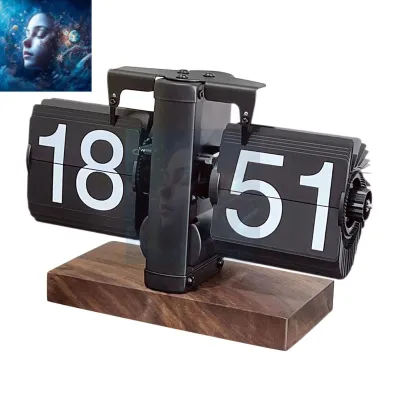
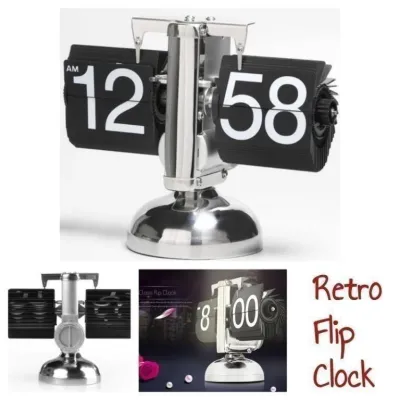
![[OKLIFE. SG]Automatic Flip Page Desk Clock - R Industrial Style with Solid Wood Base for Bedroom & Office](https://img.lazcdn.com/g/p/bd96d1f04ca976dc1d61b2c177326aa2.jpg_400x400q80.jpg_.webp)
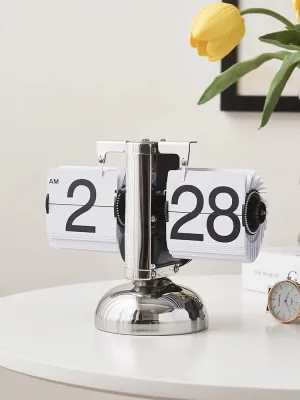
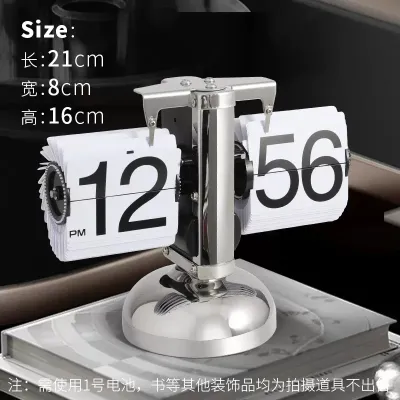
Prices are valid at publication and may change. Please refer to the product page for the latest price.
Core Differences in Mechanism and Aesthetics
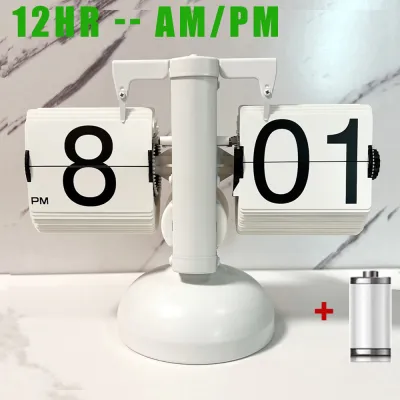
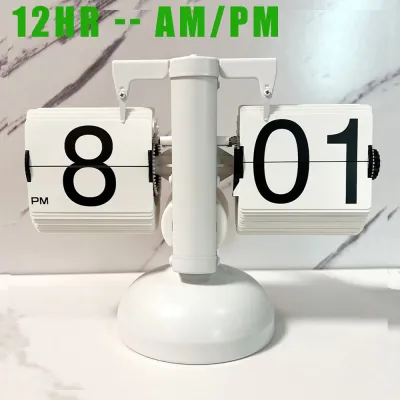
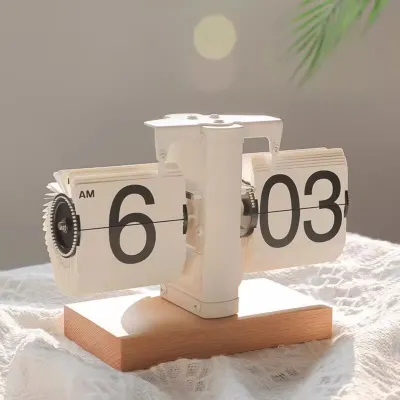
To make an informed decision, it is essential to understand the fundamental operational differences between these two types of clocks. A mechanical flip clock relies on physical, three-dimensional cards—often called leaves or flaps—that are mounted on a rotating drum. This drum is driven by a synchronous motor or a quartz gear train. Every sixty seconds, the gears release a single card, allowing it to fall forward under the force of gravity to reveal the next minute. This physical movement creates a dynamic, tactile display that changes throughout the day.
In contrast, a digital flip-display clock uses solid-state electronics to simulate this classic movement. Instead of physical cards, these clocks feature flat electronic screens, such as liquid crystal displays (LCD) or light-emitting diode (LED) panels. The flipping action is rendered entirely through software animations that mimic the appearance of falling cards. There are no moving parts, no physical gears, and no actual cards shifting within the casing.
This difference in mechanism directly impacts the visual authenticity and depth of the clock. A mechanical flip clock possesses a distinct physical presence. The physical cards cast subtle, natural shadows on one another, creating a sense of depth that flat screens cannot replicate. The texture of the printed numbers, the slight variations in card alignment, and the organic way the cards settle all contribute to a genuine vintage character. Over years of use, the cards may develop minor, unique wear patterns that many collectors find highly desirable.
Digital simulations, while highly advanced, offer a different visual experience. The display is completely flat, and the light emission is uniform across the screen. While high-quality digital screens can render sharp, high-contrast graphics that look remarkably like physical cards from a distance, they lack the three-dimensional depth and organic shadows of a mechanical model. However, digital screens offer the advantage of perfect legibility from wide viewing angles and do not suffer from physical alignment issues.
When integrating these timepieces into your home decor, the choice often depends on the existing style of your space. Mechanical flip clocks, with their exposed gears, retro casing materials, and physical movement, are exceptionally well-suited for mid-century modern, industrial, or eclectic interiors. They act as conversation starters and focal points, adding a sense of kinetic art to a living room shelf, a study desk, or an entryway console.
Digital flip clocks, on the other hand, align perfectly with contemporary, minimalist, or high-tech aesthetics. Their clean lines, slim profiles, and customizable display options make them excellent additions to modern home offices, minimalist bedrooms, or smart home setups. They provide the nostalgic look of a flip clock without disrupting the clean, streamlined feel of a modern workspace.
Noise Levels and Sleep Environment Suitability
The acoustic footprint of a clock is a critical factor, especially when choosing a timepiece for spaces dedicated to rest, relaxation, or deep focus. Mechanical flip clocks have a highly distinct acoustic profile. In addition to the continuous, low-frequency hum of the internal motor or the rhythmic ticking of the quartz gears, these clocks produce a physical “clack” or “flap” sound every single minute as the card drops. On the hour, the transition of multiple cards dropping simultaneously can create a slightly louder, multi-layered sound.

This mechanical sound profile can be polarizing. For some individuals, the rhythmic ticking and the soft, predictable clacking of the cards serve as a comforting form of white noise, marking the steady passage of time in a soothing manner. However, for light sleepers, infants, or those easily distracted during work, this physical sound can be highly disruptive. A sudden clack in a completely silent bedroom at 3:00 AM can easily interrupt sleep or break concentration in a quiet study.
Digital flip clocks offer a completely silent alternative. Because they rely entirely on electronic circuits and pixels to display the time, they operate without any sound whatsoever. There are no gears turning, no motors humming, and no physical cards dropping. The transition from one minute to the next is entirely silent, making these clocks highly suitable for noise-sensitive environments.
If you are selecting a clock for a bedroom, nursery, or quiet home office, a digital model ensures that your sleep and concentration remain completely undisturbed. It allows you to enjoy the retro aesthetic of a flip clock without any of the associated acoustic distractions.
When shopping for a mechanical model, it is wise to check product specifications and user feedback on online marketplaces regarding noise levels. Because manufacturing quality and casing materials vary, some mechanical models are significantly quieter than others. Reading about other buyers’ experiences in quiet environments can help you gauge whether a specific mechanical clock’s sound level is acceptable for your intended space.
Maintenance, Power Sources, and Daily Upkeep
The long-term reliability and daily convenience of your clock depend heavily on its power source and maintenance requirements. Mechanical flip clocks require careful power planning. Many models run on batteries, often requiring larger sizes such as C or D cells to provide enough torque to turn the physical gear mechanism over several months. Other models plug directly into wall outlets, which limits where you can place them and requires managing a power cord.
Because mechanical clocks contain numerous moving parts, they are naturally subject to physical wear and environmental factors. In Singapore’s warm, humid climate, dust can easily mix with internal lubricants, potentially causing the gears to stiffen or the physical cards to stick. If dust accumulates between the cards, they may fail to drop smoothly, leading to inaccurate timekeeping or physical jams. Furthermore, the plastic cards can become brittle over years of exposure to ambient light and heat, making them susceptible to bending or cracking.
Digital flip clocks, by contrast, are highly efficient and virtually maintenance-free. They typically run on standard USB power, AAA batteries, or a mains adapter. Because they have no moving parts, there is no risk of mechanical wear, gear slippage, or card jamming. The internal components are sealed within the casing, protecting them from dust and humidity.
Cleaning routines also differ significantly between the two types. Cleaning a mechanical flip clock requires a high level of care. To remove dust from the physical cards, you must gently clean each flap using a soft, dry brush or a can of compressed air. Applying too much pressure can easily bend the plastic cards or dislodge them from their delicate hinges, which can ruin the clock’s alignment.
Maintaining a digital clock is much simpler. Because the screen is a flat, solid surface, you only need to wipe it occasionally with a dry microfiber cloth to keep it looking clean and clear. There are no delicate flaps to avoid or intricate gear gaps to clean.
Timekeeping accuracy and power interruptions are another important consideration. Mechanical clocks can experience slight time drift over weeks of operation, requiring occasional manual adjustments. If a mains-powered mechanical clock loses power, it stops instantly and must be manually wound forward to the correct time once power returns. Digital models, however, are highly accurate and often feature an internal backup battery, such as a small button cell. This backup power ensures that the clock retains the correct time during a power outage, eliminating the need for manual resetting.
Decision Framework: Which Flip Clock Fits Your Space?
To choose the right clock for your home, consider how your practical needs align with the characteristics of each type. A mechanical flip clock is the ideal choice if you prioritize design authenticity, appreciate the tactile beauty of physical machinery, and enjoy the rhythmic, nostalgic sounds of a traditional timepiece. It is best suited for living rooms, dining areas, creative studios, or offices where ambient noise is not a concern and where the clock can serve as a prominent design statement.
Conversely, a digital flip-display clock is the better option if you require a silent timekeeper for a bedroom, nursery, or quiet study. It is also the practical choice if you prefer a low-maintenance device that offers modern features such as adjustable screen brightness, multiple alarm settings, and automatic time backup during power cuts.
Before making your final purchase, there are several critical factors to verify to ensure the clock works perfectly in your Singapore home:
- Power Compatibility: If you choose a mains-powered model, ensure it is compatible with Singapore's standard 230V voltage and 50Hz frequency. Look for models that carry recognized safety certifications, such as the Safety Mark, to guarantee safe electrical operation.
- Physical Dimensions: Measure your shelf, desk, or bedside table to ensure the clock fits comfortably without crowding other items.
- Power Cord Length: For plug-in models, check the length of the power cord to ensure it can easily reach your nearest electrical outlet without creating a tripping hazard.
- Display Adjustments: For digital models, verify that the screen offers adjustable brightness levels or an auto-dimming night mode so it does not disturb your sleep.
By taking these practical steps, you can select a flip clock that not only matches your aesthetic preferences but also integrates seamlessly and safely into your daily life.
Frequently Asked Questions (FAQ)
Do mechanical flip clocks lose time during power outages?
Yes, most mains-powered mechanical flip clocks will stop running immediately when the electrical supply is interrupted. Because these clocks rely on a continuous flow of electricity to power the internal motor that turns the gears and flips the physical cards, any power cut will cause the clock to fall behind. Once power is restored, you will need to manually adjust the time using the setting wheel. To avoid this issue, you can opt for battery-powered mechanical models, or check the manufacturer’s specifications to see if a mains-powered model includes a battery backup system designed to keep the internal timekeeping mechanism active during an outage.
Can I adjust the brightness on a digital flip clock for nighttime use?
Most modern digital flip clocks are designed with adjustable brightness settings to ensure they do not disrupt your sleep when placed on a bedside table. These models typically offer multiple manual dimming levels, allowing you to lower the screen’s light output to a comfortable level. Some advanced digital models also feature built-in ambient light sensors that automatically dim the display when the room becomes dark. Before purchasing a digital model for your bedroom, it is highly recommended to verify the product details to ensure it includes a dedicated night mode or manual brightness controls.
Community discussion
Share your experience or ask a question. Comments are reviewed before publication.