
Choosing the right pendulum clock is a highly personal decision that balances your appreciation for traditional horology against your desire for modern convenience. A mechanical pendulum clock is the ideal choice for enthusiasts who value authentic craftsmanship, intricate moving gears, and the rich, physical resonance of acoustic chimes. However, this choice requires a commitment to regular winding, precise leveling, and periodic professional servicing. Conversely, a quartz pendulum clock is best for those who prioritize highly accurate, set-and-forget timekeeping, a quieter home environment, and minimal maintenance. Beyond personal preference, local environmental factors—specifically Singapore’s high humidity and frequent temperature swings from air conditioning—can significantly impact the longevity and performance of both movement types, making your choice of installation environment just as critical as the movement itself.
Understanding the Movements: Mechanical vs. Quartz
To make an informed choice, it is essential to understand how these two movements differ at a fundamental engineering level. A mechanical pendulum clock operates entirely on physical energy, with no electronic components. Power is generated either by winding a mainspring inside a barrel or by raising heavy cast-iron weights suspended from cables or chains. As gravity pulls these weights downward or the spring slowly uncoils, this energy is transferred through a gear train made of precision-cut brass wheels. The release of this energy is regulated by the escapement mechanism, which consists of a tooth-edged escape wheel and a rocking pallet fork. The physical swing of the pendulum controls the rocking of the pallet fork, allowing the escape wheel to advance by exactly one tooth per swing. This constant, controlled release of energy delivers a tiny mechanical push back to the pendulum, keeping it in motion and producing the classic ticking sound.
In sharp contrast, a quartz pendulum clock is an electronic device that relies on modern solid-state technology. It is powered by a standard alkaline or lithium battery, which sends a steady electrical current through a tiny, synthetic quartz crystal cut in the shape of a tuning fork. When voltage is applied to a quartz crystal, it vibrates at an incredibly stable and rapid frequency—specifically 32,768 times per second. An integrated circuit chip inside the movement monitors these vibrations, counting them and converting them into a single electrical pulse every second. This pulse is sent to a miniature stepper motor, which physically turns the clock hands. In a quartz clock, the pendulum serves no timekeeping function whatsoever. Instead, the pendulum is a purely aesthetic feature, kept in motion by a separate, low-power electromagnetic coil or a simple mechanical linkage designed solely to mimic the classic look of a traditional timepiece.
Products mentioned in this guide
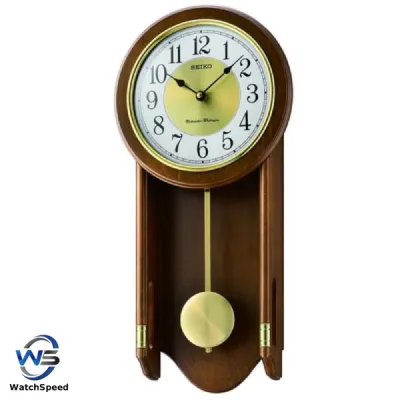
![[Local SG Seller] Seiko Clock QXH073BN Dual chimes (Westminster/Whittington) Pendulum Wooden Case Wall Clock QXH073B QXH073](https://img.lazcdn.com/g/p/511e7dc1dfeb126266f3822e000c133a.jpg_400x400q80.jpg_.webp)
![[Local SG Seller] Seiko Clock QXC241AN Brown Timber Case Pendulum Analog Quartz Wall Clock QXC241A QXC241](https://img.lazcdn.com/g/p/54195a8e750d68429218b76fef725847.jpg_400x400q80.jpg_.webp)
![[Local SG Seller] Seiko Clock QXM379S Glittering Starry Night Melodies In Motion Rotating Pendulum Chime Wall Clock QXM379](https://img.lazcdn.com/g/p/eb6d378875d11a9b66e42ee79f3e2c76.jpg_400x400q80.jpg_.webp)
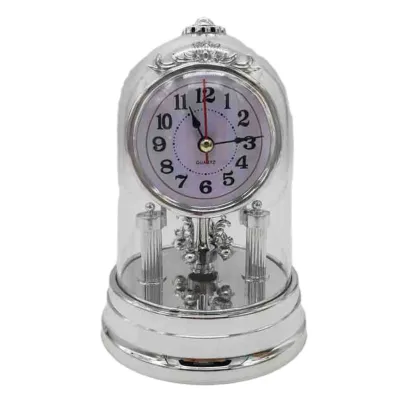
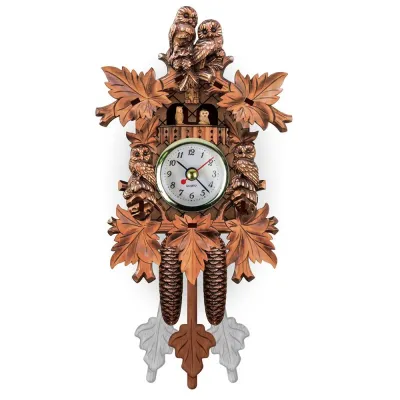
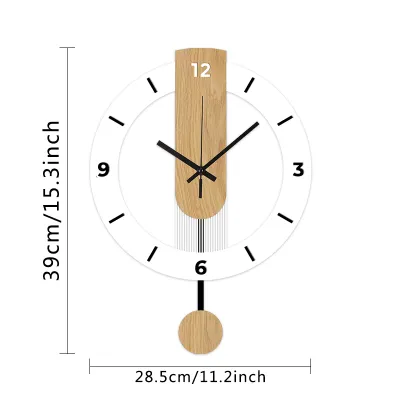
Prices are valid at publication and may change. Please refer to the product page for the latest price.
Key Differences That Shape Your Daily Experience
Accuracy and Timekeeping Reliability
When comparing timekeeping precision, quartz movements are vastly superior to their mechanical counterparts. Because the oscillation of a quartz crystal is incredibly stable and virtually unaffected by minor changes in position or atmospheric pressure, a standard quartz clock is highly reliable, typically gaining or losing only about 15 seconds per month. This level of precision ensures that you can rely on the clock for daily scheduling without needing to adjust the hands for months at a time.

Mechanical pendulum clocks, on the other hand, are highly sensitive to their physical environment. Because they rely on physical components, their accuracy is constantly influenced by external variables such as gravity, room temperature, atmospheric humidity, and mechanical friction. For instance, a rise in room temperature causes the metal pendulum rod to expand slightly, lengthening the pendulum and slowing down the clock’s rate. Conversely, cooler temperatures contract the rod, causing the clock to run fast. Even the gradual drying of lubricating oils over time increases friction within the gear train, affecting the transfer of power. As a result, a well-calibrated mechanical clock will typically drift by two to five minutes per week. For collectors and horology enthusiasts, this slight variation is not considered a manufacturing defect; rather, it is embraced as part of the traditional charm and organic nature of a mechanical timepiece.
Maintenance, Winding, and Servicing
The daily and long-term maintenance requirements of these two movements represent a major lifestyle difference. Mechanical clocks require active, hands-on participation to keep running. Depending on the specific caliber of the movement, you will need to wind the clock on a strict cycle—typically every 24 hours, 8 days, or 31 days. This is done by inserting a winding key into the arbors on the clock dial and turning it until the spring is tight, or by manually pulling up the weights. Additionally, mechanical clocks are highly sensitive to positioning. To keep running, the clock must be placed on a perfectly level surface so that the pendulum swings symmetrically. If the clock is tilted even slightly, it will go “out of beat”—meaning the interval between the “tick” and the “tock” becomes uneven—which eventually causes the pendulum to lose momentum and stop. Furthermore, mechanical movements require professional servicing every three to five years. This involves disassembling the entire gear train, cleaning away old, oxidized oil, polishing the steel pivots, and applying fresh synthetic clock oil to prevent metal-on-metal wear.
Quartz pendulum clocks offer a complete “set-and-forget” experience that fits easily into a busy modern lifestyle. Because they run on battery power, there is no need for weekly winding rituals, and the clock will continue to run accurately even if placed on an uneven shelf or moved frequently. The only maintenance required is replacing the batteries once every one to two years. It is highly recommended to use high-quality leak-proof batteries and to replace them promptly before they fully deplete, as leaking battery acid can corrode the electronic contacts and ruin the movement. Beyond this simple task, quartz movements require zero mechanical servicing, oiling, or professional calibration, making them incredibly cost-effective over their lifespan.
Sound, Ticking, and Chime Quality
The auditory profile of a pendulum clock can dramatically alter the ambiance of your living space. A mechanical clock is a physical presence in the home. The interaction of the steel pallets striking the escape wheel produces a distinct, rhythmic, and relatively loud “tick-tock” sound. While many find this rhythmic pulse comforting and nostalgic, it can be distracting in a quiet study, home office, or bedroom. The chimes of a mechanical clock are equally physical and resonant. When the clock strikes the hour or quarter-hour, mechanical hammers physically strike tuned metal rods (gongs) or bells inside the wooden cabinet. The solid wood casing of the clock acts as a natural acoustic soundboard, amplifying the vibrations to produce a deep, warm, and rich resonance that fills the room.
Quartz clocks are designed with modern, quiet living environments in mind. The electronic stepper motor operates with a very faint, almost imperceptible pulse, and many quartz models utilize a continuous sweep second hand that eliminates the ticking sound entirely. For spaces where silence is preferred, such as a bedroom or a focused workspace, quartz is the clear choice. When quartz clocks do feature chimes, the melodies are digital audio recordings played through a small, built-in electronic speaker. While these digital systems lack the acoustic depth, physical resonance, and mechanical charm of real hammers striking metal, they offer practical features that mechanical clocks cannot match. Most quartz chime modules include adjustable volume controls, manual mute buttons, and automatic night-shutoff sensors that silence the chimes during dark hours, ensuring your sleep is never disrupted.
Aesthetics, Weight, and Craftsmanship
The physical construction and materials used in these clocks dictate their visual presence and placement options. Mechanical pendulum clocks are typically heavy, robust instruments. They are constructed using solid brass plates, steel rods, heavy cast-iron weights, and premium solid timber cases made of cherry, oak, walnut, or mahogany. Even a compact mechanical table or mantel clock can easily weigh between 5 and 10 kilograms. These clocks are crafted as heirloom-quality furniture pieces, built to be displayed prominently and passed down through generations. Because of their weight, you must verify the weight-bearing capacity of your intended display surface—such as a specific table, mantelpiece, or wall shelf—before purchasing, and ensure that the surface is completely stable and free from vibrations.
Quartz pendulum clocks offer far greater flexibility in design, weight, and budget. Because the electronic movement is incredibly compact and lightweight, the clock’s outer casing does not need to support heavy mechanical components. This allows manufacturers to use lighter, more affordable materials, such as medium-density fibreboard (MDF), lightweight plastics, glass, or thin wood veneers. Consequently, quartz clocks are highly portable, easy to wall-mount without heavy-duty anchors, and available in a vast range of styles—from classic reproductions of antique clocks to ultra-modern, minimalist designs. They are also much more budget-friendly, with high-quality decorative models available in broad price bands starting under S$100, compared to mechanical clocks which typically require a significant investment of S$500 to several thousand dollars.
Navigating Singapore’s Climate: Humidity and Temperature Effects
Operating a pendulum clock in Singapore requires careful consideration of the local tropical climate. The island’s consistently high relative humidity, which frequently exceeds 80%, poses a direct threat to the delicate metal components of mechanical clocks. Moisture in the air accelerates the oxidation of brass plates and steel pivots, leading to unsightly tarnish and destructive rust. Furthermore, high humidity causes traditional organic clock oils to degrade, thicken, and turn into a sticky, abrasive paste. This paste traps dust and microscopic debris, grinding down the delicate gear teeth and slowing the movement. To safeguard a mechanical clock in Singapore, always place it in a well-ventilated, dry area of the home. Avoid placing it near open windows where humid outdoor air drafts can enter, and consider using a dehumidifier or placing small, hidden desiccant silica gel packets inside the clock cabinet to absorb micro-condensation.
The widespread use of air conditioning in Singapore homes introduces another environmental hazard: rapid temperature and humidity swings. Many households run air conditioning in specific rooms during the evening and switch it off during the day, causing the indoor temperature to fluctuate by 10°C or more. When warm, humid daytime air suddenly cools down, or when a cold room quickly warms up, condensation can form on the internal surfaces of the clock. In quartz clocks, this condensation can cause electrical short circuits on the circuit board, leading to premature battery drain or complete electronic failure. In mechanical clocks, condensation promotes rapid rusting of the steel springs and pivots. To prevent this, never place any pendulum clock directly in the path of an air conditioning vent, near drafty doorways, or in highly humid zones like kitchens or bathrooms.
Additionally, premium mechanical clocks housed in solid wood cases are highly susceptible to humidity-induced warping. Solid timber is hygroscopic, meaning it absorbs and releases moisture from the surrounding air, causing the wood fibers to expand and contract. In Singapore’s humid climate, this expansion can cause cabinet doors to stick, warp, or become misaligned. In severe cases, the warping of the wooden cabinet can alter the internal clearances, causing the swinging pendulum or the hanging weights to rub against the back or sides of the case, which will immediately stop the clock. To minimize these risks, always check the manufacturer’s environmental specifications and care instructions, and maintain a stable, moderate indoor climate to preserve both the woodwork and the delicate movement inside.
The Final Verdict: Which Pendulum Clock Fits Your Lifestyle?
Choosing between these two timekeeping technologies ultimately comes down to matching their characteristics with your daily routine, budget, and aesthetic preferences.
Choose a Mechanical Pendulum Clock if:
- Appreciation for Horology: You have a deep appreciation for classical horology, traditional craftsmanship, and the intricate beauty of moving brass gears.
- Acoustic Preference: You find the physical, rhythmic "tick-tock" of a mechanical escapement comforting and enjoy the rich, acoustic resonance of real hammers striking metal rods or bells.
- Heirloom Value: You want an heirloom-quality centerpiece for your home that, with proper care and periodic professional servicing, can be passed down through your family for generations.
- Hands-on Ritual: You enjoy the hands-on ritual of winding your clock on a weekly basis and do not mind the occasional task of adjusting the pendulum to maintain accuracy.
Choose a Quartz Pendulum Clock if:
- Set-and-Forget Convenience: You prioritize precise, reliable timekeeping and want a "set-and-forget" experience that requires no daily or weekly interaction.
- Quiet Environment: You prefer a quiet living or working environment and want to avoid a loud ticking sound or disruptive hourly chimes.
- Placement Flexibility: You are looking for a lightweight, versatile, and budget-friendly decorative piece that can be easily placed on any shelf or wall without worrying about weight limits or leveling.
- Low Maintenance Costs: You want to avoid the ongoing maintenance costs and effort associated with professional mechanical clock servicing.
Verify First if: Before making your final purchase, always verify the physical requirements of your intended display space. Measure the available height, width, and depth of your table, mantel, or shelf, keeping in mind that pendulum clocks require adequate clearance for the pendulum’s swing. Check the weight-bearing capacity of your furniture; a heavy mechanical clock requires a sturdy, vibration-free surface to run accurately, whereas a quartz clock is much more forgiving. Finally, consider the acoustics of the room. A loud mechanical clock may be perfect for a spacious living room or foyer but could prove highly disruptive in a compact study or a bedroom. By carefully evaluating these practical dimensions against your personal preferences, you can select a pendulum clock that brings both beauty and functional harmony to your Singapore home.
Frequently Asked Questions (FAQ)
Do quartz pendulum clocks need to be plugged into a wall outlet?
No, the vast majority of quartz pendulum clocks are entirely battery-operated and do not require a wall outlet or any power cables. They typically run on standard, easily obtainable AA or C-cell alkaline batteries, which power both the timekeeping quartz movement and the electromagnetic coil that swings the pendulum. This cordless design makes quartz clocks highly portable and easy to place on any mantel, table, or wall shelf without the aesthetic eyesore of dangling cords or the need to position the clock near an electrical outlet. However, a very small number of specialized, feature-heavy quartz clocks—such as those with continuous LED backlighting or high-power digital chime systems—may require an AC adapter. Always check the manufacturer’s product specifications before purchasing to confirm the power requirements.
Can I convert an antique mechanical pendulum clock to a quartz movement?
Yes, it is physically possible to remove a damaged or non-functioning mechanical movement from an antique clock case and install a battery-operated quartz replacement kit. However, doing so is highly discouraged for valuable or sentimental timepieces. Replacing the original mechanical movement permanently alters the clock’s historical integrity, which will significantly reduce its antique authenticity and resale value. If the clock is a family heirloom or a genuine antique, the recommended course of action is to consult a qualified clockmaker to have the original mechanical movement professionally restored, cleaned, and repaired. You should only consider a quartz conversion for inexpensive, mass-produced, or severely damaged clocks where the cost of professional mechanical restoration far exceeds the actual value of the timepiece itself.
Community discussion
Share your experience or ask a question. Comments are reviewed before publication.