
Selecting the ideal meditation mat material requires balancing physical comfort with stable grounding. The right choice depends on your primary practice posture, joint sensitivity, and the local climate where you practice. While some practitioners require deep cushioning to protect sensitive joints, others prioritize a high-traction surface that prevents slipping during extended sessions. Understanding how different materials perform under various environmental conditions is key to establishing a consistent, distraction-free practice.
A primary challenge in selecting a mat is navigating the trade-off between cushioning and stability. Thick, soft materials provide immediate relief for the knees and ankles but can compromise stability by causing the body to sink, which often misaligns the pelvis and strains the lower back. Conversely, firm materials offer excellent grounding for seated postures but may cause discomfort at key pressure points during long sessions.
Furthermore, traction needs vary based on whether you require dry grip or wet grip. Dry grip relies on surface texture, such as woven cotton or embossed patterns, to keep you stable. Wet grip is moisture-activated, where materials like cork or open-cell natural rubber become more slip-resistant as they absorb trace amounts of perspiration. This distinction is particularly important in warm, humid climates, where ambient moisture can quickly affect surface traction.
Products mentioned in this guide
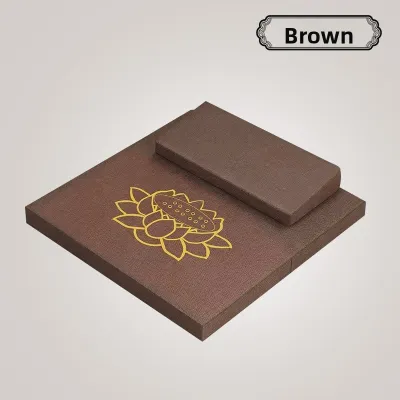
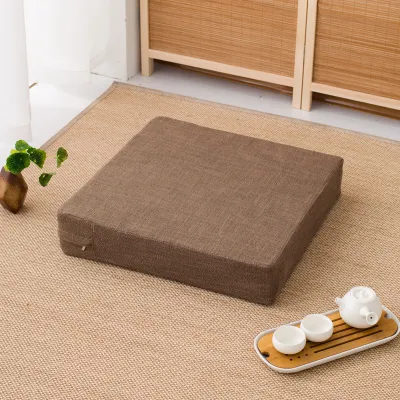
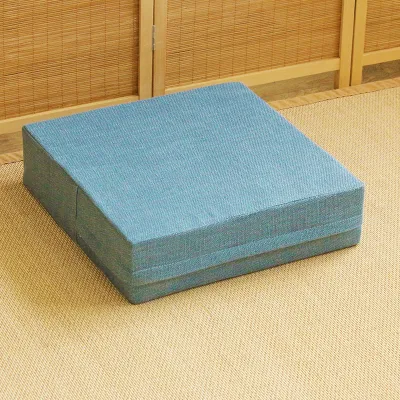
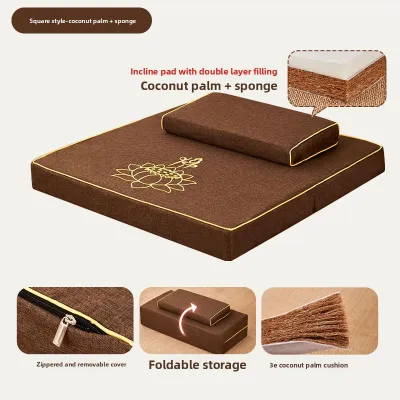
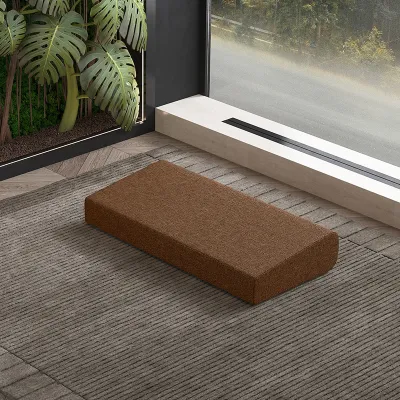

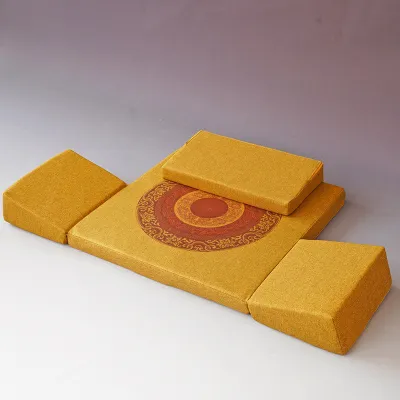
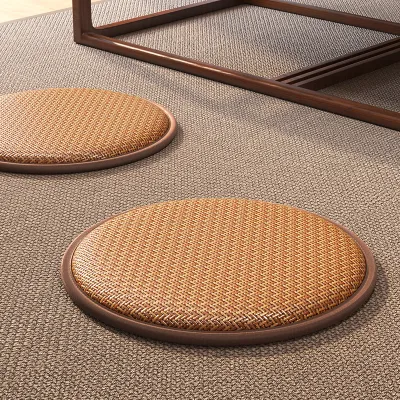
Prices are valid at publication and may change. Please refer to the product page for the latest price.
Comparing Common Meditation Mat Materials
To choose the right meditation mat, you must evaluate materials based on their physical properties rather than marketing claims. A structured comparison focuses on density, surface texture, weight, and maintenance requirements to help you find a mat that aligns with your physical needs and practice space.
Natural Rubber and Cork Options
Natural rubber and cork are highly suitable choices for practitioners seeking dense support and high traction. Natural rubber is dense, providing substantial joint protection even in thinner profiles. This density ensures that your sit bones and knees do not bottom out against the hard floor, helping you maintain proper spinal alignment throughout your session. However, this high density makes natural rubber mats significantly heavier than synthetic alternatives, which may limit their suitability if you frequently travel or commute to a studio.
Cork surfaces offer a unique, smooth texture that feels warm to the touch. Cork contains suberin, a natural waxy substance that actually increases grip when exposed to moisture. This moisture-wicking property makes cork effective in humid climates or for practitioners who tend to perspire. When evaluating these options, it is essential to check the product tags for natural latex percentages, especially if you have known allergies. Additionally, because natural materials are susceptible to mold in high-humidity environments, you should inspect the manufacturer’s care instructions to ensure proper ventilation and storage.
Cotton and Traditional Woven Mats
Traditional cotton and woven mats offer a firm, breathable surface that has been favored by practitioners for centuries. These mats provide firm structural support for grounded, seated postures like the lotus or half-lotus position, where stability is paramount. Unlike dense rubber, cotton does not compress under weight, allowing you to maintain a solid connection to the floor. The natural breathability of cotton also ensures a cool seating surface, which is advantageous during long sessions in warm rooms.
However, cotton mats have virtually no inherent grip on smooth flooring surfaces like polished wood, tile, or laminate. To prevent slipping, you will typically need to place a non-slip underlay or a rubberized pad beneath the mat. When shopping for a cotton mat, inspect the edge binding and stitching closely; durable, reinforced edges prevent fraying during washing. Many cotton mats are machine-washable, making them hygienic, but you must verify the drying instructions to prevent shrinkage or warping of the woven fibers.
Synthetic Blends and Travel Mats
Synthetic blends, such as polyurethane (PU), polyvinyl chloride (PVC), and thermoplastic elastomer (TPE), are commonly used to create lightweight, portable travel mats. These mats are ideal for practitioners who are always on the move, as they roll up tightly and add minimal weight to a gear bag. To compensate for their lightweight construction, synthetic mats often feature embossed surface patterns—such as cross-hatching or pebble textures—to simulate grip and prevent hands and feet from sliding.
Despite their portability, synthetic travel mats have distinct limitations regarding thickness and long-term joint cushioning. Because they are designed to be thin and lightweight, they may not provide sufficient padding for extended kneeling or cross-legged sessions on hard floors. Over time, the embossed textures on cheaper synthetic mats can wear down, leading to a loss of traction. Furthermore, synthetic materials can be sensitive to environmental factors; you should check the manufacturer’s specifications regarding temperature limits and UV exposure, as prolonged sunlight can cause certain synthetic foams to degrade, crack, or become sticky.
Matching Material to Your Practice and Space
Selecting the right material requires matching its physical properties to your specific routine, body type, and practice environment. Use the following framework to guide your decision:

Choose natural rubber or cork if you require dense, reliable joint support and practice in environments where moisture-activated grip is beneficial. These materials are well-suited for dedicated home setups where the weight of the mat is not a concern, and they offer reliable stability for both seated and kneeling postures.
Choose cotton or woven fabrics if you prefer firm, traditional grounding, practice primarily in dry or air-conditioned rooms, and prioritize easy maintenance. Cotton is ideal if you want a machine-washable option and do not mind using an additional non-slip underlay to secure the mat on smooth floors.
Choose synthetic travel mats if you commute frequently, have limited storage space, and prioritize lightweight portability over thick, heavy cushioning. These mats are best for shorter sessions or for use on top of carpeted surfaces that already provide some baseline padding.
Verify first if you have specific physical sensitivities or environmental constraints. For instance, if you have a latex allergy, you must avoid natural rubber mats or verify that the product is certified latex-free. If you plan to use the mat on delicate hardwood floors, ensure the backing material will not react with or discolor the floor finish. Additionally, if you use an electrical heating element or heated underlay in your practice space, verify that the mat material is rated for heat exposure to prevent off-gassing or melting.
Evaluating Quality and Safety Labels
When purchasing a meditation mat, look beyond vague marketing terms like ‘eco-friendly’ or ‘natural’ and instead verify material claims through certified product labels. Independent certifications, such as the OEKO-TEX Standard 100, ensure that the textile components have been tested for harmful substances and are safe for prolonged skin contact. For natural rubber or cork mats, look for labels that specify the exact percentage of natural materials used, as some products blend natural fibers with synthetic binders to cut costs.
Physical inspection is also crucial for determining the longevity of a mat. Examine the edge binding; double-stitched or reinforced borders are less likely to unravel over time. Check the surface consistency by running your hand over the mat to ensure there are no uneven thin spots or air bubbles in the foam. For multi-layered mats, such as cork laminated to a rubber base, gently flex the edges to check the backing adhesion; any peeling or separation indicates poor construction that will worsen with regular rolling and unrolling.
Finally, always review the manufacturer’s guidelines regarding moisture retention and cleaning. Because meditation mats absorb sweat and ambient humidity, improper care can lead to mold growth, particularly in warm climates. Ensure you understand the recommended drying methods—many natural materials must be air-dried away from direct sunlight to prevent dry rot or cracking—and avoid using harsh chemical cleaners that can degrade the natural grip of cork or rubber.
Frequently Asked Questions (FAQ)
Can I use a standard yoga mat for meditation?
While you can use a standard yoga mat for short meditation sessions, they are generally not designed for prolonged static sitting. Yoga mats are typically thin (around 3mm to 6mm) and optimized for dynamic standing poses where floor feedback is necessary. When sitting or kneeling in meditation for 20 minutes or longer, this thin profile often fails to provide adequate cushioning for the ankles, knees, and sit bones, leading to discomfort and distraction. Meditation mats, or dedicated cushions placed on a mat, offer the necessary density and thickness to support your joints and maintain proper spinal alignment during extended periods of stillness.
How do I stop my cotton meditation mat from slipping?
To prevent a traditional cotton mat from sliding on smooth surfaces like hardwood, tile, or laminate, you should use a dedicated non-slip underlay. A thin, silicone-based mat gripper or a natural rubber rug pad placed directly beneath the cotton mat will lock it in place without adding bulk. Before laying down the underlay, ensure that both the floor and the bottom of the mat are completely free of dust, pet hair, and moisture, as these particles can significantly reduce traction. Regularly washing the cotton mat also helps remove accumulated dust that can make the fabric fibers slick.
Are thicker meditation mats always better for knee pain?
Not necessarily. While a thicker mat provides more separation from a hard floor, excessive thickness can actually compromise your stability. If a mat is too thick and lacks sufficient density—such as a soft, low-density foam—your joints will sink deeply into the material. This sinking can destabilize your posture, making it difficult to keep your pelvis tilted forward and your spine straight, which can ultimately worsen knee and lower back pain. Instead of focusing solely on thickness, look for high-density materials like natural rubber or firm cotton that offer structural support and joint protection without sacrificing stability.
Community discussion
Share your experience or ask a question. Comments are reviewed before publication.