
Finding the right seat pad can transform an uncomfortable office chair, car seat, or dining chair into a highly supportive place to sit. However, with so many options on the market, choosing between memory foam, gel, and latex can feel overwhelming. The ideal choice is not universal; it depends entirely on your unique body mechanics, daily sitting duration, and local climate conditions.
If you are dealing with chronic lower back pain, working long hours in a warm room, or looking for a durable cushion that retains its bounce, understanding the material science behind these cushions is key. Each material behaves differently under pressure, handles heat dissipation in its own way, and requires specific care to maintain its structural integrity over time.
Quick Guide: Matching Seat Pad Materials to Your Comfort Needs
To make an informed decision, it helps to match your primary physical discomfort or daily environment with the core strength of each material. A high-quality seat pad should balance pressure relief with structural stability, but different materials prioritize these factors in unique ways.
Products mentioned in this guide
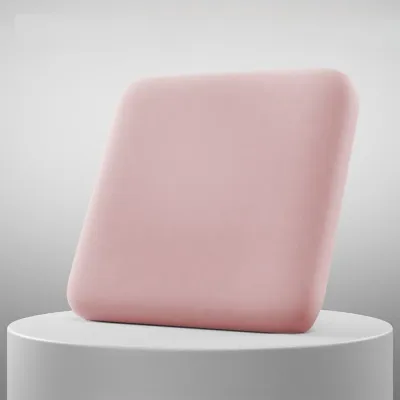
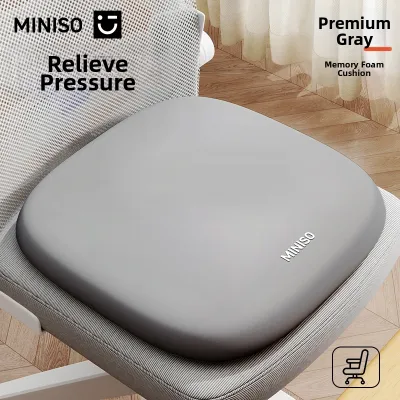
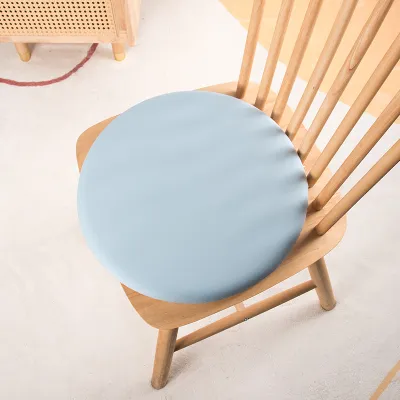
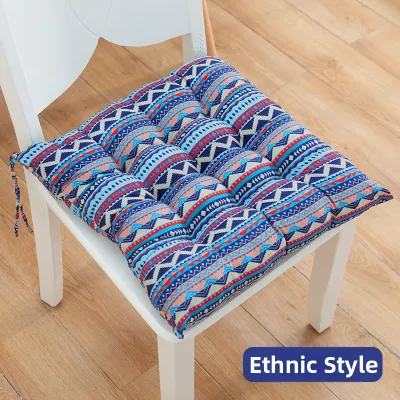
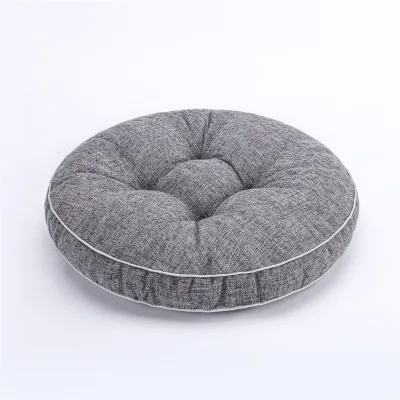
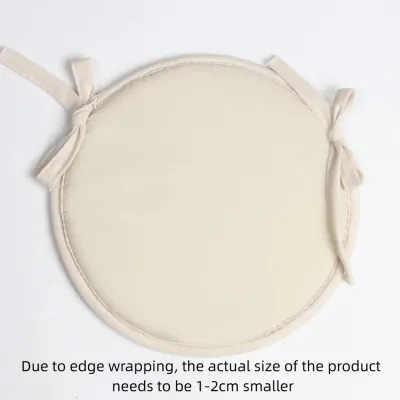
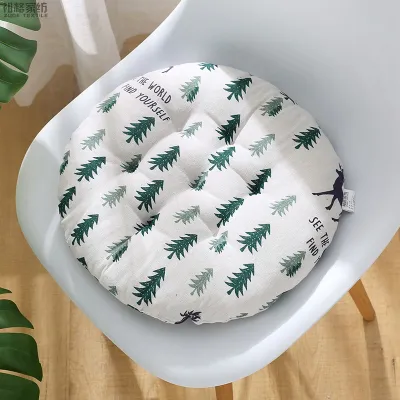
Prices are valid at publication and may change. Please refer to the product page for the latest price.
- Memory Foam: Best for deep contouring and targeted pressure relief. If you suffer from sharp tailbone pain or sit bones soreness and prefer a soft, cradling feel, memory foam molds directly to your shape. However, it tends to trap body heat.
- Gel (especially Grid Structures): Best for maximum cooling and firm, steady support. If you sit for extended periods in warm or humid environments, such as a home office in Singapore, a gel grid allows continuous airflow while preventing the cushion from flattening out.
- Latex: Best for responsive bounce, natural breathability, and long-term durability. If you shift positions frequently, prefer to sit "on" rather than "in" a cushion, or want an eco-friendly option that resists sagging for years, latex is the premier choice.
Ultimately, the “best” material is a personal equation. You must weigh the trade-offs between the plush, slow-rebound sinking of foam, the heavy, temperature-neutral support of gel, and the springy, resilient lift of latex.
Material Breakdown: How Memory Foam, Gel, and Latex Actually Feel
The physical composition of a cushion determines how it responds to your body weight, how it manages heat, and how easy it is to move around while sitting. Let’s look closely at how each material behaves under real-world conditions.

Memory Foam Seat Pads: Contouring and Pressure Relief
Memory foam, or viscoelastic polyurethane foam, is famous for its slow-rebound characteristics. When you sit on a memory foam cushion, the material reacts to both your body weight and your body heat. As it warms up, it softens, allowing your pelvis and sit bones to sink gently into the cushion until your weight is evenly distributed.
This deep contouring is exceptionally effective at reducing localized pressure points. By spreading your weight across a larger surface area, memory foam minimizes the stress placed on your tailbone (coccyx) and the sensitive tissues under your thighs. This makes it a popular choice for medical settings and therapeutic office cushions.
However, this slow-rebound nature has distinct drawbacks. Because the foam molds so closely to your body, it can create a “sinking” sensation that makes it harder to stand up or shift your posture. Additionally, traditional memory foam has a dense, closed-cell structure. It acts as an insulator, trapping your body heat and potentially causing discomfort and sweating during long sitting sessions, particularly in tropical climates.
Gel Seat Pads: Cooling and Firm Support
When evaluating gel cushions, it is crucial to distinguish between gel-infused memory foam and solid, molded gel grid structures. Gel-infused foam is simply traditional memory foam mixed with tiny gel beads; while it offers a slightly cooler initial feel, it still behaves like foam and will eventually warm up.
In contrast, solid gel or honeycomb grid structures represent a completely different class of support. These cushions are molded from hyper-elastic polymers into open, geometric grid patterns. When you sit down, the walls of the grid support your weight up to a certain threshold, then buckle under high-pressure areas like your sit bones. This redistributes pressure across neighboring columns without letting you bottom out.
The primary advantage of a gel grid is its superior heat dissipation. Because the grid is mostly empty space, air flows freely beneath you, preventing heat buildup even during long, humid afternoons. The material itself remains temperature-neutral. On the downside, pure gel pads are notably heavy, making them less portable, and their firm, structured feel may lack the plush, cozy comfort that some users prefer.
Latex Seat Pads: Responsive Bounce and Durability
Latex seat cushions can be made from natural sap harvested from rubber trees, synthetic rubber, or a blend of both. Unlike memory foam, latex is highly responsive and possesses a natural, springy bounce. When you sit on a latex cushion, the material immediately pushes back to support your weight, preventing you from sinking too deeply.
This buoyant support keeps your spine in a more natural alignment and makes it effortless to shift positions or stand up. Latex features an open-cell molecular structure, often enhanced by ventilation holes molded directly into the cushion. This design allows air to circulate constantly, making it significantly cooler than traditional memory foam, though slightly less cool than a hollow gel grid.
Furthermore, latex is renowned for its exceptional durability. It resists permanent compression and sagging, maintaining its original shape and support level for years. However, natural latex is typically more expensive than polyurethane foams and gel. It is also relatively heavy, and users must verify they do not have latex allergies before purchasing.
Side-by-Side Comparison: Comfort, Heat, and Durability
To help you weigh these material characteristics, the table below compares memory foam, gel grids, and latex across five essential performance dimensions.
| Performance Dimension | Memory Foam | Gel (Grid Structure) | Latex |
|---|---|---|---|
| Pressure Relief | Exceptional (Deep contouring) | Very High (Column buckling) | High (Buoyant distribution) |
| Heat Retention | High (Traps body heat) | Very Low (Excellent airflow) | Low (Breathable open-cell) |
| Responsiveness | Very Low (Slow rebound) | High (Immediate recovery) | Exceptional (Springy bounce) |
| Durability | Moderate (Prone to sagging) | High (Resists deformation) | Exceptional (Longest lifespan) |
| Weight | Lightweight | Heavy | Moderate to Heavy |
When interpreting these factors, keep in mind that durability is closely tied to material density rather than thickness alone. A high-density memory foam will resist sagging much longer than a cheap, low-density alternative, but it will also retain more heat.
For those living in warm, humid climates, heat retention is often the deciding factor. A cushion that offers excellent pressure relief but leaves you feeling hot and damp will quickly become unusable. Conversely, if you require maximum pressure relief for a medical condition, you may choose to tolerate the heat retention of memory foam by pairing it with a highly breathable mesh cover.
Choosing a Seat Pad Based on Your Sitting Habits and Environment
Your daily routine, physical health, and workspace environment should ultimately dictate which cushion material you select. Let’s look at how these materials perform in common everyday scenarios.
For Long Hours of Sitting and Tailbone Discomfort
If your primary goal is to alleviate sharp pain in your tailbone or lower back during an eight-hour workday, you need a cushion that offers deep pressure offloading. High-density memory foam or a contouring gel grid are the most effective options here.
When shopping, look for ergonomic designs that feature a U-shaped or V-shaped cutout at the rear. These cutouts suspend your coccyx in the air, ensuring that your tailbone does not make direct contact with the seat, while the surrounding cushion supports your thighs and pelvis.
Avoid thin, cheap foam pads. Low-density foams compress completely under your weight within minutes, leaving you sitting directly on the hard surface of your chair. A supportive cushion should maintain at least a few centimeters of loft even under full load.
For Hot Climates and Temperature Regulation
Working in a warm, humid environment like Singapore poses unique challenges for seat cushions. If your workspace lacks constant air conditioning, or if you naturally run hot, traditional memory foam can quickly become a heat trap, leading to discomfort and skin irritation.
In these scenarios, a hollow gel grid or a ventilated latex cushion is highly recommended. The physical structure of a gel grid allows air to move freely with every shift of your body, carrying away moisture and heat. Latex, with its open-cell structure and molded pinholes, also offers excellent passive ventilation.
If you must use memory foam for its superior contouring, look for advanced formulations. Some modern foam cushions incorporate open-cell designs, cooling gel infusions, or specialized covers made from high-performance athletic mesh or phase-change materials designed to pull heat away from the body.
For Active Sitting and Posture Correction
If you use a sit-stand desk, shift positions frequently, or want to actively improve your sitting posture, a highly responsive material is essential. Deep-sinking memory foam can make you feel stuck, discouraging the micro-movements that help keep your core muscles engaged.
A latex or firm gel grid cushion is ideal for active sitting. These materials provide a stable, buoyant base that supports your natural spinal curves while allowing you to move freely. They push back against your movements, making it easier to transition between sitting and standing.
To ensure stability, look for a cushion that comes with a high-quality, non-slip bottom cover. A cushion that slides around on your office chair will force your muscles to tense up to keep you stable, defeating the ergonomic purpose of the pad.
Care and Maintenance: Keeping Your Seat Pad Supportive
To maximize the lifespan of your cushion and ensure it continues to provide optimal support, you must care for the material correctly. Different materials have very different tolerances for water, heat, and sunlight.
- Memory Foam: Never machine wash, submerge, or wring out a memory foam core. Water can easily tear the delicate cell walls, and the dense foam takes days to dry, creating a breeding ground for mold. Instead, remove the zippered cover and wash it according to the label. If the foam itself gets dirty, spot clean it gently with a damp cloth and mild soap, then allow it to air dry completely in a shaded, well-ventilated area. Keep memory foam out of direct sunlight, as UV rays break down the polyurethane structure, causing it to yellow and crumble.
- Gel Grids: Gel is highly durable and water-resistant, but you should still protect it. Regularly check the protective cover for wear, as friction can damage the gel columns over time. If the gel core needs cleaning, you can rinse it under warm water or wipe it down with a mild detergent. Avoid harsh chemical solvents, and always let the cushion dry completely in a cool, shaded spot before putting the cover back on.
- Latex: Like memory foam, latex should never be submerged in water or machine washed. It is highly sensitive to ultraviolet light and high heat. Exposure to direct sunlight will oxidize the latex, causing it to lose its elasticity and turn into a brittle, crumbly powder. Always use a protective cover, and limit cleaning to gentle spot treatments with a damp cloth.
Before performing any maintenance, always consult the manufacturer’s specific care instructions. If the care label contradicts general advice, prioritize the manufacturer’s guidelines to avoid voiding any warranties.
Frequently Asked Questions (FAQ)
Can I combine memory foam and gel in one seat pad?
Yes, hybrid seat pads are widely available and highly effective. These designs typically feature a supportive, high-density memory foam base topped with a layer of solid gel or a gel-infused foam layer. This combination aims to deliver the deep, pressure-relieving contouring of memory foam while using the gel layer to mitigate heat retention and provide a more stable surface.
How thick should a seat pad be for proper support?
Thickness alone does not guarantee adequate support. A thick cushion made of low-density foam will quickly compress to a flat sheet under your weight, whereas a thinner, high-density latex or gel grid cushion can provide excellent, long-lasting support. When choosing, prioritize material density and weight capacity ratings over physical thickness; generally, a high-quality cushion should be between 5 to 8 centimeters thick to balance comfort without raising your sitting height too much.
Do latex seat pads have a strong odor?
Natural latex cushions often have a mild, sweet, vanilla-like scent when first unpacked, which is a natural characteristic of the rubber sap and is completely harmless. Synthetic foam cushions, on the other hand, may exhibit a stronger chemical odor known as off-gassing. For any new cushion, it is best to remove the cover and let the core air out in a well-ventilated, shaded room for 24 to 48 hours before its first use.
Community discussion
Share your experience or ask a question. Comments are reviewed before publication.