
Selecting the ideal seat back support depends on balancing your physical comfort requirements with your immediate environment. The material at the core of your cushion determines how well it aligns your spine, how much heat it retains, and how long it will maintain its structural integrity under daily use.
Choose memory foam if you require deep contouring that molds specifically to your spine and distributes pressure evenly during extended sitting sessions. This material excels at filling the lumbar gap but tends to retain body heat.
Choose gel or gel-infused foam if you want a firmer, more responsive support profile paired with active temperature regulation. These options are ideal if you find standard foam too soft or prone to overheating.
Products mentioned in this guide
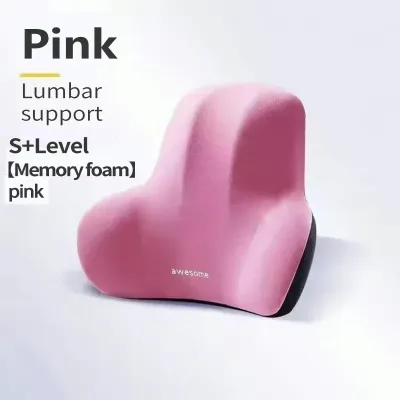
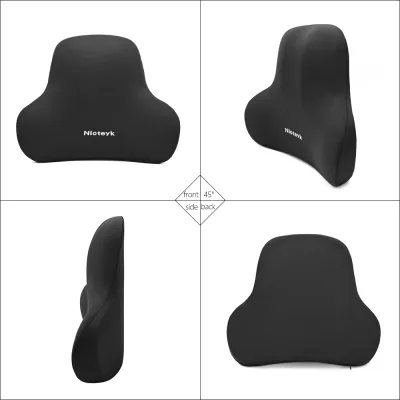
![[SG] Lumbar Back Support/Memory Foam Back Rest/Car Head Rest/Office Chair Cushion/Neck Pillow/Memory Foam Car Seat Back](https://img.lazcdn.com/g/p/71ec529cc8051d3d9a003b4f652ce9cd.jpg_400x400q80.jpg_.webp)
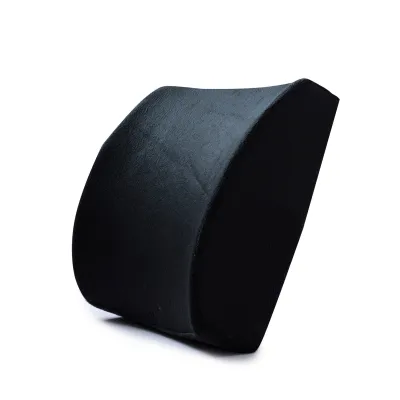
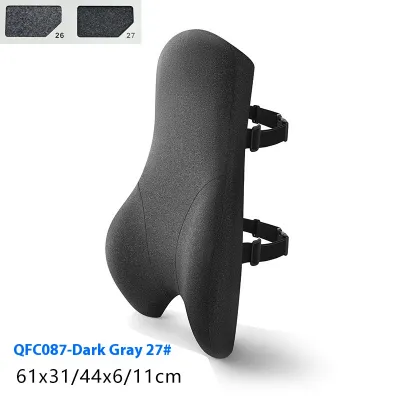
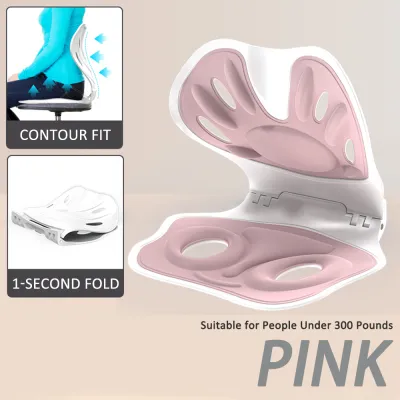
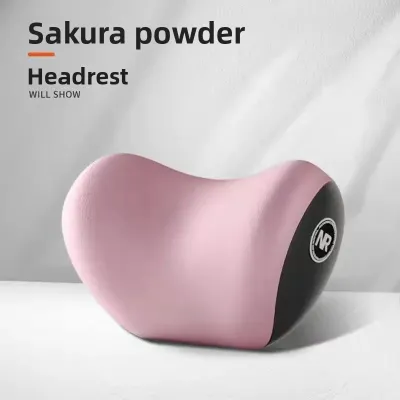
Prices are valid at publication and may change. Please refer to the product page for the latest price.
Choose mesh if maximum breathability and lightweight portability are your primary concerns. Mesh supports use tension rather than bulk to guide your posture, making them excellent for warm, non-air-conditioned spaces.
Keep in mind that the overall design, including the outer cover fabric and the ergonomic curvature of the frame, plays an equally critical role in your daily comfort. A high-quality core material can perform poorly if paired with a restrictive, non-breathable cover or an incompatible attachment system.
Memory Foam: Contouring Support and Pressure Relief
Memory foam, or viscoelastic polyurethane foam, is highly valued for its pressure-relieving properties. When you lean against a memory foam seat back support, the material reacts to both your body weight and your body heat. This dual reaction causes the foam to soften and gradually conform to the unique shape of your thoracic and lumbar spine, providing customized support that standard polyurethane foams cannot match.
This deep contouring is particularly beneficial for individuals who experience localized pressure points or lower back stiffness during long hours at a desk. By molding to the natural inward curve of your lower back, memory foam distributes your weight across a wider surface area. This reduces the concentration of physical stress on your lumbar vertebrae and surrounding muscles, allowing your back to remain in a neutral position without active strain.
However, the very physical properties that make memory foam comfortable also present distinct limitations. Because the material is dense and reacts to heat, it naturally tends to trap warmth. In warm climates or poorly ventilated offices, a solid memory foam cushion can become uncomfortably warm over time. To mitigate this, look closely at the product specifications on the label. High-quality memory foam cushions often feature open-cell structures or ventilation channels to encourage airflow. Additionally, check the foam’s density rating; higher density foam offers more robust, long-lasting support, whereas low-density foam may flatten quickly under continuous pressure.
Gel and Gel-Infused Options: Cooling and Firm Support
Gel-based seat back supports are designed to address the heat retention issues of traditional foam while offering a more responsive, springy support profile. These supports generally fall into two categories: solid elastic gel grids and gel-infused memory foam. Understanding the structural differences between these two types will help you choose the right level of firmness and thermal comfort.

Solid gel grids utilize a column-buckling design made from hyper-elastic polymers. When you lean against a gel grid, the walls of the grid support your back until a threshold of pressure is reached, at which point they buckle to distribute your weight evenly. This creates a highly responsive, medium-to-firm support system that does not rely on body heat to conform to your shape. Gel-infused foam, on the other hand, mixes liquid gel or gel beads into a memory foam base. This hybrid approach retains the classic contouring feel of foam but uses the gel particles to conduct heat away from your body, delaying the warming effect.
While gel options are excellent for individuals who experience back sweating or prefer a firmer pushback, they do have trade-offs. Solid gel cushions are significantly heavier than their foam or mesh counterparts, making them less convenient to carry between your home, office, and vehicle. Furthermore, the cooling sensation of gel is temporary; once the gel reaches equilibrium with your body temperature, its cooling effect diminishes. To maximize thermal comfort, verify that the cushion’s outer cover is made from a highly breathable, moisture-wicking fabric that allows heat to escape rather than trapping it against the gel core.
Mesh: Breathability and Flexible Tension
Mesh seat back supports offer a lightweight, highly ventilated alternative to solid cushions. Instead of relying on a solid block of foam or gel to fill the space behind your back, a mesh support features a synthetic fabric—usually woven nylon or polyester—stretched tightly over a rigid plastic or metal frame. This design creates a suspended barrier that flexes slightly under your weight while maintaining a consistent boundary for your spine.
The primary advantage of mesh is its unmatched breathability. Because there is no solid core, air can circulate freely behind your back, preventing the accumulation of sweat and heat. This makes mesh supports exceptionally well-suited for warm environments, outdoor use, or offices where air conditioning is kept at a moderate setting. Additionally, because they consist primarily of a hollow frame and lightweight fabric, mesh supports are highly portable and easy to move from chair to chair.
However, mesh does not provide the localized, plush contouring of foam or gel. It offers a springy, high-tension support that pushes back evenly across your entire mid-to-lower back. If you have a highly pronounced lumbar curve or require targeted pressure relief in a specific spot, a simple mesh screen may feel too flat or rigid. When shopping for a mesh support, inspect the durability of the outer frame and the quality of the edge tension. Over time, low-quality mesh can sag, losing its supportive properties entirely, so look for reinforced borders and high-tensile weaving.
Key Comparison Dimensions for Your Decision
To make an informed choice, it is helpful to evaluate these three materials across the core performance dimensions that impact daily usability. Each material excels in different areas, meaning your personal physical needs and your typical seating environment should dictate your final decision.
Support and Posture Alignment
Your primary goal with a seat back support is to maintain the natural “S” curve of your spine. Memory foam provides the most precise lumbar gap filling because it molds directly to your shape, making it ideal for those with specific posture alignment needs. Gel offers a firmer, more resilient pushback that prevents you from sinking too deeply, which can help maintain active posture. Mesh provides a broad, flexible plane of support that encourages upright sitting but lacks the customized depth adjustment of foam.
Temperature Regulation
If you tend to run hot, temperature management is a critical factor. Mesh is the undisputed leader in airflow, as its open design allows complete ventilation. Gel-infused foam and solid gel grids offer moderate temperature regulation by absorbing and dispersing initial body heat, though they can eventually warm up. Standard memory foam retains the most heat, requiring a high-quality breathable cover to remain comfortable in warm rooms.
Durability and Maintenance
A seat back support is an investment in your daily comfort, so durability matters. High-density memory foam and solid gel grids generally offer the longest lifespans, retaining their shape for years if cared for properly. Mesh supports are prone to gradual stretching and sagging over time, especially if the frame is made of lightweight plastic. For maintenance, look for cushions with removable, machine-washable covers. Solid gel and mesh can often be wiped down with a damp cloth, whereas memory foam must never be submerged in water, as moisture can degrade the cellular structure.
| Material | Support Profile | Breathability | Durability Focus | Best Suited For |
|---|---|---|---|---|
| Memory Foam | Deep contouring, slow-rebound | Low to Moderate | Foam density, resistance to flattening | Long sitting sessions requiring high pressure relief |
| Gel / Gel-Infused | Responsive, medium-to-firm | Moderate to High | Grid tear resistance, seam strength | Users prone to sweating who prefer firmer support |
| Mesh | Suspended, springy tension | Excellent | Frame rigidity, mesh tension retention | Warm environments, lightweight portability |
Matching the Material to Your Usage Scenario
Where and how you plan to use your seat back support should heavily influence your material choice. A cushion that feels wonderful in a climate-controlled office might prove impractical in a vehicle or a casual home environment.
Office and Desk Work
For standard eight-hour office shifts, consistency of support is paramount. If your office is consistently air-conditioned, memory foam is an excellent choice, as the stable ambient temperature allows the foam to maintain a consistent level of firmness. However, if your desk is near a window or in a warmer zone of the building, a gel-infused foam cushion or a high-tension mesh support will help prevent the discomfort of a damp, warm back by the afternoon.
Driving and Commuting
Car seats present unique challenges because they are already contoured and subject to constant road vibrations. A bulky memory foam cushion can push your torso too far forward, disrupting your reach to the steering wheel and pedals. For driving, a slim, high-density gel grid is often ideal because it absorbs road vibrations while maintaining a low profile. Mesh is also a popular choice for commuting, as it keeps your back dry during warm drives and fits easily over bucket-style car seats without shifting.
Home and Relaxation
For casual use on dining chairs, armchairs, or sofas, aesthetic integration and ease of maintenance are key. Home seating often involves multiple family members of different sizes, making highly adaptable materials like memory foam or flexible gel grids preferable. Because home cushions are more exposed to food, drinks, and pets, prioritize models with durable, dark-colored, removable covers that can be easily laundered to keep your living space clean and hygienic.
How to Verify Fit and Compatibility Before Buying
Before purchasing a seat back support, you must verify that its physical dimensions and mounting systems are compatible with your existing chair. A support that is too large or cannot be secured properly will slide out of alignment, causing more posture issues than it solves.
First, measure the height and width of your chair’s backrest. Compare these measurements against the dimensions of the cushion you are considering. If you have a small task chair, a large, thick lumbar cushion may occupy too much of the seat pan, pushing your thighs forward and leaving you with insufficient leg support. Ensure there will be at least several centimeters of clearance on either side of the cushion to allow it to sit flat against the backrest.
Second, examine the attachment mechanism. Most seat back supports use elastic straps with plastic buckles to secure the cushion to the chair. If you have a solid-back executive chair, standard wrap-around straps may not stretch far enough, or they may slip off the tapered top of the chair. In this case, look for cushions with adjustable, non-slip dual straps or weighted counterbalances that hang over the top of the backrest. For mesh chairs, ensure the straps do not apply concentrated pressure that could warp or tear the chair’s delicate mesh fabric.
Finally, check the manufacturer’s return policy and trial periods. Because comfort is highly subjective and depends on your unique spinal curvature, weight, and sitting habits, it is difficult to judge a support cushion solely from online photos. Testing the cushion on your specific chair for a few days is the only way to ensure it provides the relief you need without causing secondary discomfort.
Frequently Asked Questions (FAQ)
Can I use a memory foam seat back support on a mesh office chair?
Yes, you can use a memory foam support on a mesh chair, but you should be aware of how it alters the chair’s performance. Adding a solid foam cushion block will block the airflow through the mesh backrest, reducing the chair’s built-in cooling benefits. Additionally, ensure the attachment straps are wide and adjustable; narrow, high-tension straps can compress the mesh fabric unevenly, potentially causing permanent sagging or structural damage to the chair’s frame over time.
How do I clean and maintain a gel-infused seat back cushion?
Always consult the manufacturer’s care label on your specific cushion before attempting to clean it. Generally, you should remove the outer fabric cover and wash it according to the instructions, typically on a gentle cycle with cool water. The inner gel-infused foam core should never be placed in a washing machine or dryer, as high heat and agitation will destroy the foam structure and separate the gel. Instead, spot-clean the core with a damp cloth and mild soap, then allow it to air-dry completely in a well-ventilated indoor area away from direct sunlight.
Community discussion
Share your experience or ask a question. Comments are reviewed before publication.