
Finding the perfect seat cushion is more than just a matter of adding a soft layer to your chair. It is an essential decision that affects your daily posture, spinal alignment, and overall physical comfort. In Singapore’s tropical climate, where high humidity and warm temperatures are a constant part of daily life, the material inside your cushion plays an even more critical role. The wrong material can trap body heat and moisture, leading to discomfort and hygiene issues, while the right one provides cooling, resilient support.
To make an informed choice, you must understand how the three most common cushion fillings—memory foam, latex, and cotton—perform under different conditions. Each material behaves uniquely when subjected to body weight, heat, and daily wear. By comparing their physical properties, durability, and maintenance needs, you can easily identify which material aligns with your lifestyle and seating environment.
Quick Comparison: Memory Foam, Latex, and Cotton
Before diving into the intricate details of each material, it is helpful to look at a high-level summary of how they compare. Memory foam is renowned for its heat-responsive contouring, which molds to your body shape for targeted pressure relief. Latex, on the other hand, is highly resilient and buoyant, offering active “push-back” support and superior breathability. Cotton remains a traditional favorite, providing a firm, natural, and eco-friendly seating surface, though it requires more hands-on maintenance to keep its shape.
Products mentioned in this guide
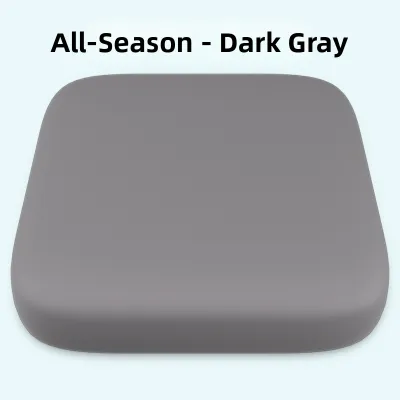
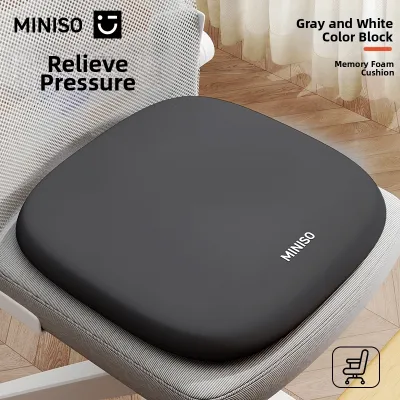
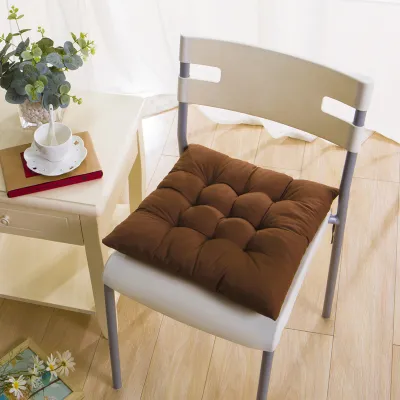
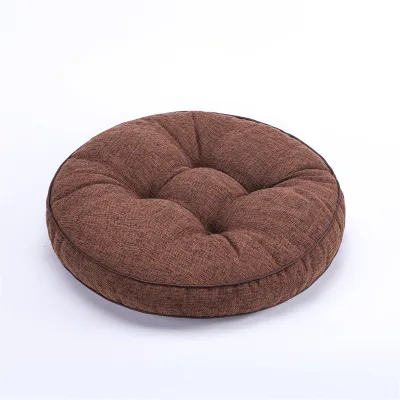
Prices are valid at publication and may change. Please refer to the product page for the latest price.
The table below outlines the primary performance characteristics of these three materials to help you narrow down your options:
| Feature | Memory Foam | Latex | Cotton |
|---|---|---|---|
| Support Type | Deep contouring & pressure relief | Buoyant, active alignment | Firm, traditional support |
| Breathability | Moderate (can retain heat) | High (open-cell structure) | High (natural fibers) |
| Durability | High (retains shape well) | Very High (highly resilient) | Moderate (compresses over time) |
| Price Range | Mid to High (S$30 – S$80) | High (S$50 – S$120+) | Low to Mid (S$15 – S$40) |
| Best For | Long hours of desk work | Warm environments, active sitting | Floor seating, meditation |
Memory Foam: Contouring Comfort and Pressure Relief
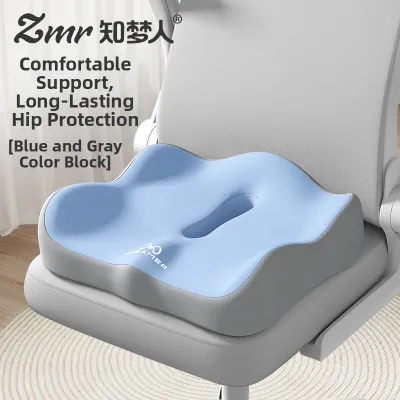
Memory foam, or viscoelastic polyurethane foam, was originally developed to improve seat safety and comfort. What makes this material unique is its dual response to both weight and temperature. When you sit on a memory foam cushion, your body heat softens the foam in specific areas, allowing it to conform precisely to your physical contours. This customized molding action distributes your body weight evenly across the entire surface of the seat cushion, which significantly reduces pressure on your tailbone, hips, and lower back.

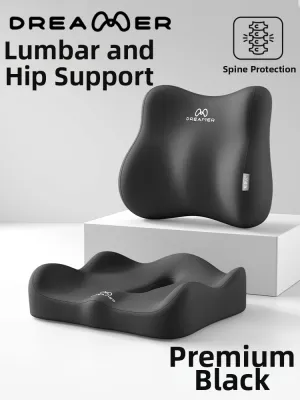
This contouring ability makes memory foam an exceptional choice for individuals who sit for extended periods. If you work a demanding desk job, spend hours gaming, or suffer from localized pain such as coccydynia (tailbone pain), a memory foam cushion provides targeted relief that standard cushions cannot match. It cradles your pelvic structure, helping to minimize the micro-movements and shifting that occur when your muscles grow tired.
However, memory foam is not without its drawbacks, particularly in warm climates. Because the material is dense and relies on heat-responsiveness, it tends to trap and retain body heat. In a non-air-conditioned room in Singapore, a standard memory foam cushion can quickly become uncomfortably warm, leading to sweat build-up. Additionally, memory foam has a slow recovery time. If you move or shift positions frequently, you may feel briefly “stuck” in the contour before the foam adjusts to your new posture. New memory foam products can also emit a distinct chemical odor, known as off-gassing, which typically dissipates after a few days of airing out.
When shopping for a memory foam cushion, look for features designed to counteract heat retention. Many modern cushions incorporate cooling gel infusions or ventilation channels to promote airflow. Always check for a removable, highly breathable cover fabric, such as bamboo-derived rayon or 3D spacer mesh, which helps wick away moisture and keeps the seating surface cool.
Latex: Resilient Support and Breathability
Latex cushions offer a completely different seating sensation compared to memory foam. Harvested from the sap of rubber trees (natural latex) or formulated chemically (synthetic latex), this material is famous for its extreme elasticity and instant responsiveness. Unlike memory foam, which slowly sinks and holds a shape, latex immediately bounces back when pressure is applied. This creates a buoyant, floating sensation that keeps your body supported on top of the cushion rather than sinking deep into it.
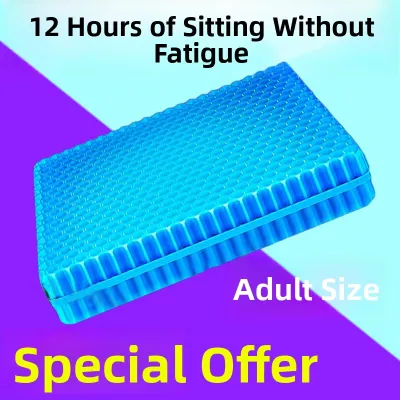
This active support makes latex highly effective at maintaining proper spinal alignment. It prevents your pelvis from tilting backward, making it easier to maintain an upright, ergonomic posture without active muscular strain. Furthermore, latex features a naturally open-cell molecular structure. During the manufacturing process, these cushions are typically molded with pincore ventilation holes. This design allows air to circulate freely through the core of the cushion, preventing heat from getting trapped. For anyone living in a hot, humid environment, a latex seat cushion offers an exceptionally cool and dry seating experience.
Despite these benefits, latex cushions have a few limitations to keep in mind. They are generally heavier and less pliable than other materials, making them less convenient to transport. High-quality natural latex is also one of the more expensive options on the market, representing a larger upfront investment. Additionally, because it is made from rubber proteins, natural latex can trigger allergic reactions in individuals with latex sensitivities.
To ensure you get the best performance, verify the composition of the latex before purchasing. Look for labels indicating “100% natural latex” if you want the highest level of durability and eco-friendliness, or opt for a natural-synthetic blend to balance cost and performance. Always check the thickness of the cushion; because latex is highly supportive, a thickness of 5 to 7 centimeters is usually sufficient to prevent bottoming out on hard chairs.
Cotton: Natural Feel and Traditional Support
Cotton cushions represent the traditional approach to seating comfort. Filled with natural cotton fibers or a cotton-polyester blend, these cushions offer a dense, firm support that feels familiar and stable. Unlike synthetic foams, cotton does not rely on chemical structures to provide cushioning; instead, it relies on the natural loft of packed plant fibers.
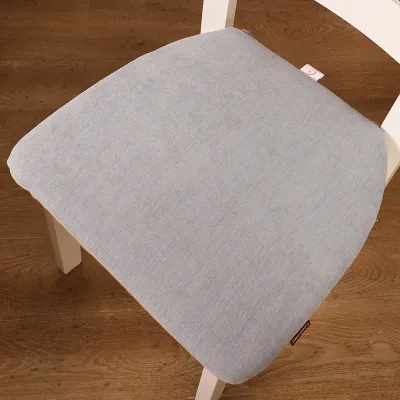
This traditional feel makes cotton cushions exceptionally well-suited for specific lifestyle applications. They are the premier choice for floor seating, Japanese-style tatami setups, and meditation practices where a stable, non-slip base is required to support an upright, cross-legged posture. Cotton is also highly breathable in its natural state, allowing air to pass through the fibers easily. It provides a soft, neutral texture that feels comfortable against the skin, making it a popular choice for decorative dining chair pads and casual home decor.
However, cotton has distinct physical limitations when used as a primary support material. Under the continuous weight of daily sitting, cotton fibers naturally compress, interlock, and flatten over time. Unlike foam or latex, cotton lacks the internal elasticity to spring back to its original shape once compressed. This means a cotton cushion will gradually lose its loft and become increasingly firm, eventually requiring manual fluffing or replacement. Furthermore, cotton is highly absorbent. In humid climates, it can easily absorb ambient moisture from the air as well as sweat from your body. If the cushion is not dried out regularly, this trapped moisture can lead to musty odors, dust mite infestations, and mold or mildew growth.
If you decide on a cotton cushion, pay close attention to the construction quality. Look for cushions with deep tufting or quilting, as these stitched patterns help keep the cotton fill evenly distributed and prevent it from shifting or clumping. Verify whether the cover is made of a durable, tightly woven fabric like heavy canvas, which can withstand regular wear and help protect the inner fibers from dirt and moisture.
Choosing the Right Seat Cushion for Your Daily Needs
To select the ideal seat cushion (坐垫), you must match the physical properties of these materials to your specific daily routines, seating environments, and personal comfort priorities.
By Seating Scenario
- Office and Desk Chairs: If you spend eight or more hours a day sitting at a desk, your primary goal is to prevent muscle fatigue and spinal strain. A memory foam cushion is highly effective if you suffer from localized tailbone pain, as it contours to redistribute your weight. However, if your office space is not consistently air-conditioned, or if you naturally run hot, a ventilated latex cushion is a superior choice. It provides the necessary postural support while keeping your skin cool and dry.
- Floor Seating and Meditation: When sitting on the floor, your hips need to be slightly elevated above your knees to maintain the natural curve of your lower spine. A firm cotton cushion, such as a traditional zafu, provides the stable, non-slip foundation required for long periods of stillness. For those who find cotton too firm, a high-density latex floor cushion offers a resilient alternative that prevents your sit bones from pressing against the hard floor.
- Car and Commuter Seats: Driving for long distances exposes your body to constant vibrations and confined heat. A cooling gel-infused memory foam cushion can help absorb road vibrations while protecting your lower back. Alternatively, a slim latex cushion is excellent for car seats because it does not block airflow, helping to prevent sweat build-up during long drives in warm weather.
By Personal Priority
- Maximum Pressure Relief: Choose a memory foam cushion. Its ability to mold to your body shape provides unmatched comfort for sensitive pressure points.
- Temperature Control and Durability: Choose a latex cushion. Its open-cell structure and natural resilience make it the best long-term investment for hot climates.
- Natural Materials and Firmness: Choose a cotton cushion. It offers an eco-friendly, traditional feel that is perfect for casual or decorative use.
Regardless of the material you choose, always verify the physical dimensions of the cushion to ensure it fits your specific chair. A cushion that is too wide will bunch up at the sides, while one that is too small will fail to support your thighs properly. Look for a seat cushion with a non-slip rubberized backing to keep it securely in place, and ensure the outer cover is made of a breathable, skin-friendly fabric that can be easily removed for washing.
Material-Specific Care and Maintenance
Proper maintenance is key to preserving the supportive qualities and hygiene of your seat cushion, especially in humid climates where dust mites and mold thrive. Each material requires a specific care routine to prevent premature degradation.
Memory Foam Care
The most important rule for memory foam is that the foam core must never be submerged in water or placed in a washing machine. Excess water breaks down the delicate polyurethane cell structure, causing the foam to lose its elasticity and crumble. If the foam gets dirty, spot clean it gently with a damp cloth and a mild detergent. To dry, place the foam in a shaded, well-ventilated area. Never expose memory foam to direct sunlight or high heat sources, as UV rays and heat will accelerate the breakdown of the polymer material.
Latex Care
Like memory foam, latex should never be machine washed or dried. It is highly sensitive to ultraviolet (UV) light and high heat. Exposing a latex cushion to direct sunlight will cause the natural rubber to oxidize, turn yellow, become brittle, and eventually crumble into dust. To clean a latex cushion, wipe the surface with a damp cloth and a very mild soap solution. Allow it to dry completely in a cool, shaded indoor space with good air circulation before putting the cover back on.
Cotton Care
Cotton cushions require regular physical maintenance to combat flattening. Shake, beat, and fluff your cotton cushion regularly to redistribute the compressed fibers and restore its loft. Rotating the cushion weekly helps ensure that weight is distributed evenly over time. Always check the manufacturer’s care label; many cotton cushions can be machine washed on a gentle cycle. However, you must ensure the cushion is completely dry before using it again. In humid environments, dry the cushion thoroughly in a clothes dryer on low heat or hang it in a sunny, well-ventilated outdoor spot. Any lingering moisture inside the dense cotton fibers will quickly lead to mold and musty smells.
The Golden Rule of Cushion Care
Always defer to the specific care instructions printed on the manufacturer’s label. To maximize the lifespan of any cushion, use a high-quality, removable protective cover. Washing the cover regularly keeps sweat, oils, and dust from reaching the inner filling, keeping your seating environment clean and hygienic for years to come.
Frequently Asked Questions (FAQ)
Is memory foam or latex better for back pain?
The choice depends on the specific nature of your back pain. Memory foam is highly effective for localized pain, such as tailbone discomfort or hip soreness, because it contours to your body and eliminates pressure hot spots. Latex is generally better for general lower back pain caused by poor sitting posture. Its resilient push-back keeps your pelvis properly aligned and prevents you from slouching, providing active support for your spine.
Can I wash my cushion covers in the washing machine?
Yes, most removable cushion covers made from cotton, polyester, or bamboo blends are fully machine washable. Always check the manufacturer’s care label to verify the recommended water temperature and wash cycle. Remember to always remove the inner memory foam or latex core before washing, as these materials will be permanently damaged if they are submerged in water or subjected to a washing machine’s spin cycle.
How do I prevent my cotton cushion from flattening?
You can slow down the flattening process by regularly fluffing and shaking the cushion to loosen the packed fibers. Rotating the cushion frequently prevents concentrated wear in one spot. Additionally, avoid leaving heavy items resting on the cushion when it is not in use. While these steps help maintain loft, keep in mind that cotton naturally compresses over time and will eventually need to be refilled or replaced to maintain optimal comfort.
Community discussion
Share your experience or ask a question. Comments are reviewed before publication.