
Finding the right sit cushion is a highly personal decision. Many assume a single material will solve sitting discomfort, but the ideal cushion depends entirely on your daily habits, body weight, and environment. A cushion that feels supportive during a brief commute might cause discomfort during an eight-hour workday. Memory foam, latex, and gel each interact with your body weight and ambient temperature in fundamentally different ways. Understanding these physical behaviors is the first step toward selecting a cushion that keeps you comfortable and properly aligned.
Understanding the Core Properties of Common Cushion Fillings
Memory foam, or viscoelastic polyurethane foam, is famous for its slow-rebound, contouring behavior. It softens in response to body heat and pressure, molding to your exact shape to distribute weight evenly. However, this close fit can trap heat due to its dense structure. High-density foams offer deeper support and durability but retain more heat, while low-density options feel softer initially but may lose their shape more quickly.
Latex offers a highly responsive, springy bounce. Unlike memory foam, latex pushes back against your weight, keeping you positioned on top of the cushion. Natural latex, harvested from rubber tree sap, is highly prized for its open-cell structure, which naturally promotes airflow and breathability. Synthetic latex is a petrochemical-based alternative that mimics these properties but may lack the same level of long-term elasticity.
Products mentioned in this guide
![[SG INSTOCK] Seat Cushion Memory Foam Orthopedic Pressure Relief Car Home Soft Office Chair Pad Wheelchair for Tailbone Sciatica Back Pain Relief](https://img.lazcdn.com/g/p/005adf43d933a7c5edf0e3585d56492d.jpg_400x400q80.jpg_.webp)
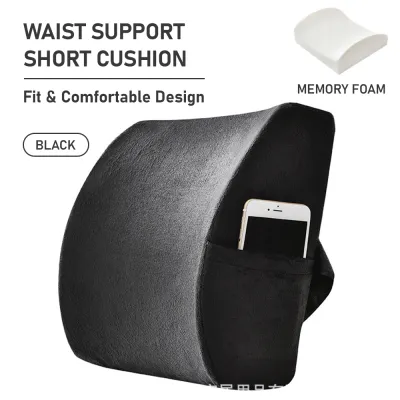
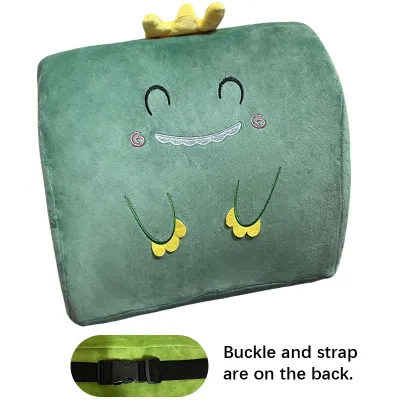
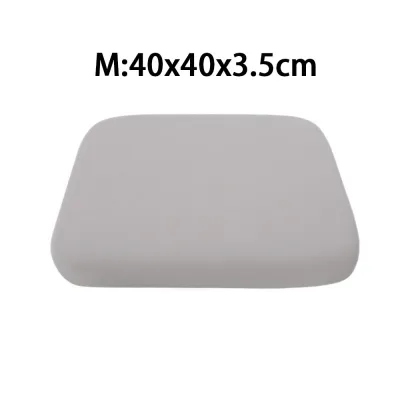
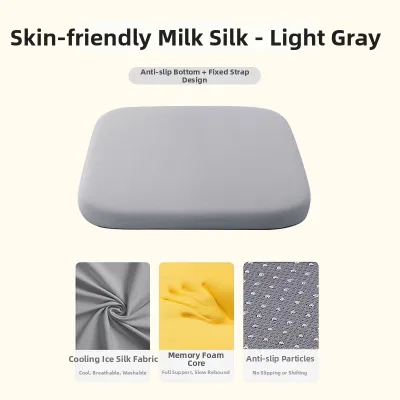
![[Sweet Home] 2pcs Seat Cushion Soft Chair Pad for Home Office Sofa Bar Floor Pillow](https://img.lazcdn.com/g/p/5806d6ec418101a3108f1aef3495d6d2.jpg_400x400q80.jpg_.webp)
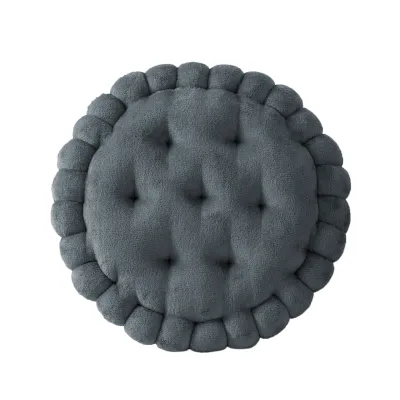
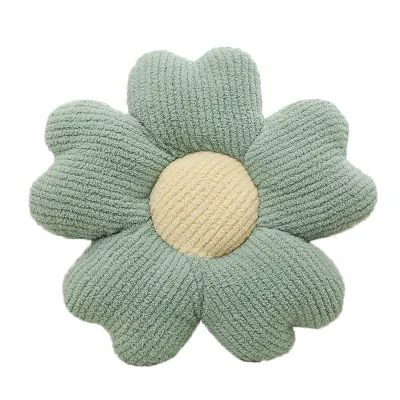
Prices are valid at publication and may change. Please refer to the product page for the latest price.
Gel cushions are designed with thermal conductivity and structural flexibility in mind. Gel is typically integrated as infused beads within a memory foam core to mitigate heat, or as a solid, molded grid. Solid gel grids, or column-buckling gel, feature open channels that allow air to circulate freely. This material is highly elastic and provides a firm, supportive feel.
Matching Material to Your Sitting Duration and Posture Needs
Your daily sitting duration is a critical factor when choosing a sit cushion. For short sitting sessions, almost any cushioned surface provides temporary relief. However, for extended sessions exceeding four hours, you need a material that resists “bottoming out.” Bottoming out occurs when a cushion compresses completely under your weight, leaving you sitting directly on the hard chair surface. High-density memory foam and resilient latex maintain their supportive loft over long periods, whereas thin or low-quality gel layers can flatten out quickly.

Your active sitting habits and posture goals should also dictate your choice. If you tend to shift positions, lean forward, or move frequently throughout the day, a highly responsive material like latex is ideal. Its quick rebound ensures the cushion immediately adapts to your movement, providing continuous support. Conversely, if you practice static, structured sitting and want to maintain a single, aligned posture, memory foam is highly effective. It holds your body in a stable position, reducing micro-movements that contribute to muscle fatigue.
Pressure relief is another key consideration, particularly if you experience discomfort in targeted areas like the tailbone or sit bones. Memory foam excels at pressure distribution because it contours closely to your body, eliminating high-pressure hot spots. For specific issues like coccyx pain, look for memory foam cushions with a built-in rear cut-out to suspend the tailbone. Gel grids are also excellent for pressure relief, as the columns buckle under heavy pressure points while remaining upright in surrounding areas to distribute weight evenly.
Evaluating Comfort Preferences and Environmental Factors
Environmental factors, particularly temperature and humidity, play a massive role in how comfortable a cushion feels over time. In warm, humid climates like Singapore, heat retention can quickly turn a supportive cushion into an uncomfortable, sweaty seat. Standard memory foam is notorious for trapping heat, making it less suitable for non-air-conditioned spaces. If you live or work in a warm environment, prioritizing temperature regulation is essential. Look for open-cell natural latex or ventilated gel grids, which allow heat to escape. Additionally, ensure the cushion is paired with a breathable, moisture-wicking cover, such as a 3D mesh or bamboo-derived knit, to maximize airflow.
Your personal texture preference—whether you prefer a deep “sink” or a buoyant “float”—will also guide your decision. Memory foam provides a classic “sink” sensation, slowly conforming to your body and making you feel securely cradled. This can feel cozy, but some find it restrictive. Latex and gel, on the other hand, offer a distinct “float” sensation. They keep you positioned on top of the seat, making it easy to shift positions and stand up, which active sitters prefer.
Maintenance requirements should not be overlooked, as sweat and dust can degrade cushion materials over time. Before making a purchase, check the manufacturer’s care instructions. Most memory foam and latex cores cannot be washed, as water ruins their cellular structure and causes crumbling. Therefore, a removable, machine-washable cover is a non-negotiable feature for maintaining hygiene. Regularly inspect your cushion for signs of material degradation, such as permanent flattening or cracking, which indicate that the cushion is no longer providing adequate ergonomic support.
How to Verify Quality and Make Your Final Selection
To ensure you are making a wise investment, take the time to verify product specifications and construction quality. Look closely at the material composition listed on the label. If you are buying a latex cushion, check whether it is 100% natural latex or a synthetic blend, as natural latex offers better breathability and durability. For memory foam, look for indicators of density, as higher density correlates with better longevity and support. Pay close attention to the cover fabric as well; a high-quality, non-slip bottom is essential to prevent the cushion from sliding around on your chair.
Sizing and compatibility are equally important to prevent discomfort. Measure the dimensions of your specific chair seat—whether it is an office chair, a car seat, or a dining chair—before buying. A cushion that is too small will not support your thighs properly, while an oversized cushion will overhang the edges, leading to instability. Additionally, consider the cushion’s thickness. A thick cushion raises your seating height, so check if your chair’s height can be adjusted downward to keep your feet flat on the floor and maintain proper ergonomic alignment.
Finally, take advantage of trial periods and return policies when shopping, especially on online marketplaces. Because comfort is entirely subjective, a cushion that feels comfortable in a showroom may not suit your body over a full workday. Testing the cushion in your actual environment, on your own chair, and during your typical daily routine is the most reliable way to verify if the material, firmness, and shape truly support your sitting habits.
Frequently Asked Questions (FAQ)
Can I combine different materials, like gel and memory foam?
Yes, hybrid cushions are widely available and offer a balance of different material properties. These designs typically feature a supportive memory foam base for deep contouring, topped with a layer of gel or gel-infused foam to help dissipate initial body heat. When evaluating a hybrid cushion, check how the layers are integrated. High-quality models use secure bonding methods to prevent the layers from shifting or separating over time, which can compromise both comfort and structural support.
How do I clean my sit cushion without damaging the filling?
You should always follow the manufacturer’s specific washing instructions, as improper cleaning can permanently damage the cushion core. Generally, memory foam and latex fillings should never be submerged in water, put in a washing machine, or exposed to direct sunlight, as these actions cause the materials to break down and crumble. Instead, protect the core by using a removable, washable cover. If the inner core does get dirty, spot-clean it gently with a damp cloth and mild soap, then allow it to air dry completely in a shaded, well-ventilated area.
Is a firmer cushion always better for posture support?
No, excessive firmness is not a guarantee of better posture support and can actually lead to discomfort. While a cushion must be firm enough to prevent your body weight from bottoming out, a surface that is too hard can create painful pressure points on your sit bones and tailbone, restricting blood circulation. The ideal level of firmness depends heavily on your body weight and personal comfort. Heavier individuals generally require firmer materials to maintain proper alignment, while lighter individuals may benefit from softer, more contouring cushions that distribute weight more effectively.
Community discussion
Share your experience or ask a question. Comments are reviewed before publication.