
Selecting the ideal fill material for a round cushion seat depends entirely on how you intend to use the chair, your physical comfort requirements, and your budget. There is no single universal winner; instead, memory foam, latex, and polyester fiberfill each serve distinct seating profiles. For deep contouring and pressure relief during long hours of sitting, memory foam excels. If you prefer a highly responsive, breathable, and long-lasting support system, natural or synthetic latex is an excellent choice. For decorative accents, occasional seating, or budget-friendly setups, lightweight polyester fiberfill offers immediate plushness. Understanding how these materials behave within a circular boundary is key to choosing a cushion that maintains its shape and comfort over time.
How Memory Foam, Latex, and Polyester Compare
To make an informed decision, it is essential to understand the physical structure of these three common fills. Memory foam, or viscoelastic polyurethane foam, consists of dense, slow-rebounding cells that react to both body heat and pressure. This allows the material to mold precisely to your shape, though it takes a few moments to recover its flat state when you stand up.
Latex foam is manufactured from natural rubber sap, synthetic rubber, or a blend of both. It features an open-cell structure that provides an immediate, springy push-back when compressed. Unlike memory foam, latex does not rely on body heat to conform to your shape, meaning it recovers its form instantly when weight is removed. This material is naturally dense, highly durable, and inherently resilient.
Products mentioned in this guide
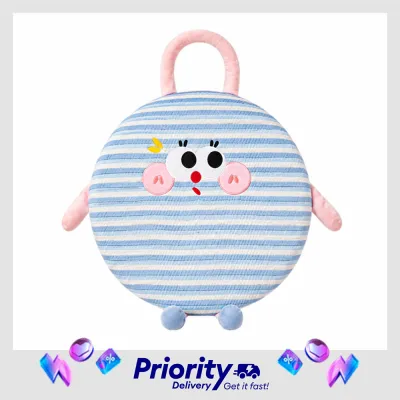
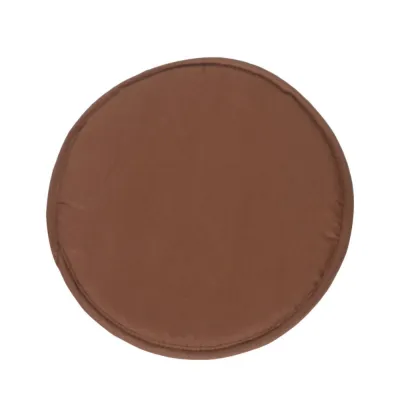
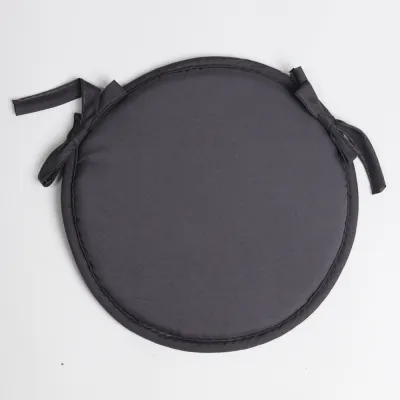
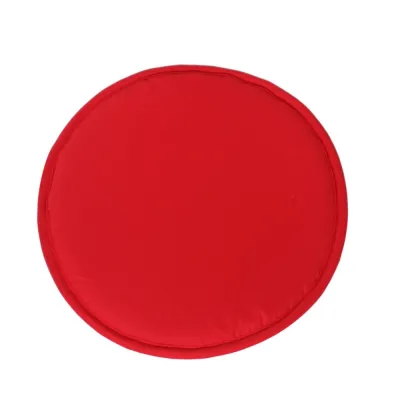
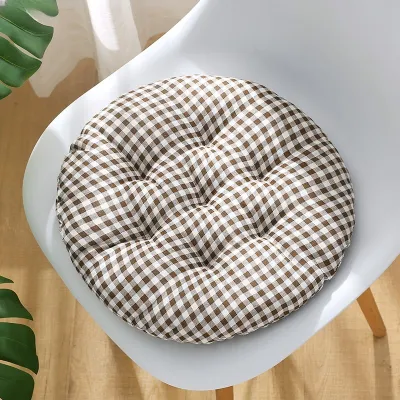
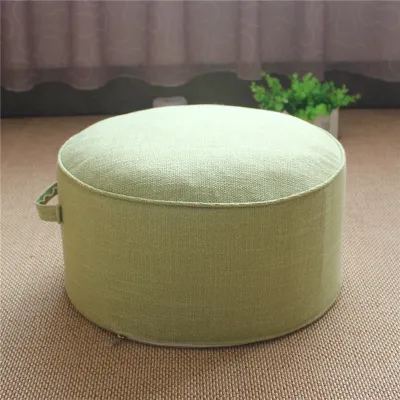
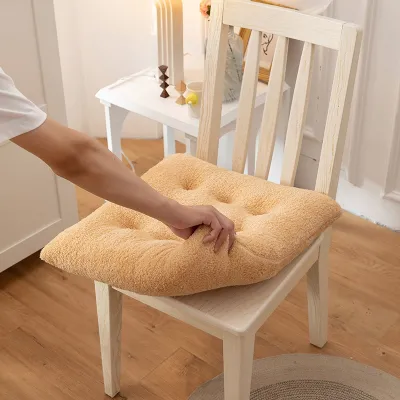
Prices are valid at publication and may change. Please refer to the product page for the latest price.
Polyester fiberfill consists of fine, synthetic polyester fibers blown or layered together. This material is incredibly lightweight and mimics the fluffy feel of down feathers without the associated allergens. Because it relies on loose or lightly bonded fibers rather than a solid foam block, polyester fiberfill contains a high volume of trapped air. This structure provides excellent initial loft and softness, but it lacks the structural integrity of solid foam and will compress significantly under sustained weight.
Critical Fit Factors for Round Cushion Seats
A round cushion seat presents unique structural challenges that differ from standard square or rectangular chair pads. The curved perimeter of a circular cushion is highly susceptible to edge collapse. When you sit on a round cushion, weight is distributed outward toward the curved edges. Memory foam and latex blocks can be precision-cut to match the exact radius of your seat, ensuring consistent support right up to the seam. Polyester fiberfill, however, tends to migrate away from the curved edges toward the center, leaving the perimeter flat and unsupported over time.

Thickness and density are equally critical when selecting a fill for a circular form factor. Because round cushions often sit on hard wooden, metal, or bistro-style chairs, a low-density fill will quickly bottom out, leaving you sitting directly on the hard surface. For memory foam and latex, a minimum thickness of five to eight centimeters is generally recommended for primary dining or office chairs, paired with a medium-to-high density rating. Polyester inserts require a much higher initial loft—often ten centimeters or more—to compensate for the inevitable compression that occurs during use.
Cover compatibility is the final physical factor to consider. The circular shape of the cushion cover means that any shifting of the inner fill will cause unsightly bunching and distort the round silhouette. Solid foam inserts, such as memory foam and latex, maintain their shape and keep the cover taut, provided the insert is cut slightly larger than the cover itself. Polyester fiberfill requires a well-tailored inner liner or channel stitching to prevent the loose fibers from shifting, clumping, or sliding into lumpy pockets within the round cover.
Evaluating Each Fill Material for Your Needs
Choosing the right material requires balancing daily comfort, long-term durability, and maintenance requirements. Each of the three primary fills offers a distinct set of characteristics that dictate how well it will perform on your chairs. By examining their specific strengths and limitations, you can identify which material aligns with your lifestyle and seating habits.
Memory Foam for Contouring and Pressure Relief
Memory foam is highly regarded for its exceptional pressure-distributing capabilities, making it an excellent choice for individuals who experience lower back, hip, or tailbone discomfort during prolonged sitting. When you sit on a memory foam round cushion seat, the material softens in response to your body heat, contouring precisely to your pelvic structure. This localized sinking distributes your body weight evenly across the cushion surface, eliminating high-pressure hot spots that can restrict blood flow and cause restlessness.
However, this heat-responsive nature comes with a notable trade-off: temperature retention. Standard memory foam tends to trap body heat within its dense cellular structure, which can lead to a warm, uncomfortable seating experience in humid climates. To mitigate this, look for open-cell formulations, gel-infused memory foam, or cushions paired with highly breathable mesh or bamboo-derived covers. These features help dissipate heat, though they may not entirely match the natural breathability of other materials.
Additionally, the density of the memory foam is paramount to its performance. Low-density memory foam may feel incredibly soft at first touch, but it will quickly compress to a flat sheet under your weight, offering virtually no support. For a round seat cushion, a high-density foam is necessary to provide a supportive barrier between your body and the hard chair surface.
Latex for Resilient Bounce and Durability
For those who dislike the “sinking” sensation of memory foam, latex offers a highly responsive, buoyant alternative. Instead of contouring slowly around your body, a latex round cushion seat pushes back immediately to support your weight. This active response makes it much easier to stand up or shift positions, as you do not have to overcome a deep physical impression in the foam. The open-cell structure of latex also allows air to circulate freely, preventing heat buildup and keeping the seating surface cool.
When shopping for latex, it is crucial to verify the material composition on the product label. Natural latex, harvested from organic sources, is highly durable and eco-friendly, but it can be a concern for individuals with latex allergies. Synthetic or blended latex options are widely available and offer similar physical performance, though they may have a slightly shorter lifespan than pure natural latex. Always check the manufacturer’s specifications to ensure the product meets your material preferences and health requirements.
The primary drawbacks of high-quality latex are its weight and cost. Latex is significantly heavier than both memory foam and polyester, which can make large cushions cumbersome to move. It is also typically the most expensive option on the market, representing a substantial upfront investment. However, this cost is often offset by the material’s exceptional longevity, as a high-quality latex cushion can retain its shape and supportive properties for many years without sagging.
Polyester Fiberfill for Softness and Budget Constraints
Polyester fiberfill is the most common and accessible cushion fill, offering a plush, cloud-like softness at a highly affordable price point. If you are looking to outfit a large set of outdoor patio chairs or decorative dining room seats on a budget, polyester round cushions are an attractive option. They provide immediate comfort upon sitting and are incredibly lightweight, making them easy to transport, store, or swap out according to the season.
The main limitation of polyester fiberfill is its tendency to compress, clump, and flatten over time. Under the continuous pressure of daily sitting, the synthetic fibers lose their springiness and pack down tightly. This can result in a lumpy, uneven cushion that offers little to no support for your hips and spine. Consequently, polyester-filled cushions are generally not recommended for primary office chairs or high-use living room seating where long-duration support is required.
On the positive side, polyester is the easiest material to maintain. Many polyester-filled cushions can be tossed directly into a washing machine and dryer, making them highly practical for households with pets, young children, or outdoor dining areas prone to spills. Regular manual fluffing can also help restore some of the lost loft, though you should expect to replace polyester inserts much more frequently than their foam counterparts to maintain a comfortable seating experience.
How to Choose the Right Fill for Your Seating Habits
Selecting the perfect round cushion seat fill comes down to matching the material’s properties with your daily routine and physical needs. If your routine involves sitting at a desk or dining table for several consecutive hours, memory foam is highly recommended. Its ability to distribute pressure will keep you comfortable and reduce the need to constantly shift your weight. This is particularly beneficial if you use a hard wooden or metal chair as your primary seat.
If you live in a warm, humid climate, tend to run hot, or prefer a seat that allows you to move freely, latex is the ideal choice. Its natural breathability and springy resilience provide a cool, supportive platform that does not restrict your movement. Latex is also the best option for those looking for a long-term investment, as it resists sagging and degradation far better than other materials, making it highly suitable for high-traffic dining areas or heavy daily use.
For decorative accent chairs, occasional-use bistro sets, or budget-conscious home makeovers, polyester fiberfill is the most practical selection. It delivers a soft, inviting look and feel without a major financial commitment. It is also the preferred choice if you require a fully washable cushion that can handle outdoor exposure, spills, and frequent cleaning.
Before making your final purchase, always verify if you have any material sensitivities, such as latex allergies, which would immediately rule out natural rubber options. If you have mobility challenges, a firm latex or high-density memory foam cushion will provide the stable edge support needed to help you stand up safely, whereas a soft polyester cushion may sink too deeply and offer no leverage. Finally, consider your household’s cleaning habits; if easy machine-washing is a priority, polyester is the clear winner, while foam options will require careful spot-cleaning.
Maintaining and Caring for Your Cushion Fill
To maximize the lifespan of your round cushion seat, proper maintenance is essential. Always begin by thoroughly checking the manufacturer’s care label attached to the cushion or cover. Never assume that a cleaning method suitable for one material will work for another, as improper washing can permanently ruin the internal structure of your cushion.
Memory foam and latex should never be submerged in water or placed in a washing machine, as the mechanical agitation and excess moisture will tear the delicate cell walls and lead to mold growth. Instead, spot-clean these materials using a damp cloth and a mild detergent, then allow them to air-dry completely in a well-ventilated area. Keep both memory foam and latex out of direct sunlight and away from high heat sources, such as radiators or clothes dryers, as UV rays and extreme heat will cause the materials to dry out, crumble, and degrade rapidly.
Over time, all cushion fills will eventually reach the end of their functional lifespan. Look out for signs of irreversible breakdown, such as permanent body indentations that no longer recover, crumbling foam particles escaping the inner liner, or persistent odors that remain after cleaning. When these signs appear, it is time to replace the cushion insert to restore proper support and hygiene to your seating area.
Frequently Asked Questions (FAQ)
Can I mix different fill materials in one round cushion?
Yes, hybrid cushion constructions are an excellent way to balance structural support with surface plushness. A common and highly effective design involves wrapping a firm, supportive core of high-density memory foam or latex in a soft outer layer of polyester fiberfill. This combination provides the deep, reliable support of foam while maintaining the soft, rounded, and inviting appearance of a traditional fiber-filled cushion.
However, hybrid cushions require careful construction to prevent issues over time. If the different materials are not properly encased in a fitted inner liner or bonded together with appropriate adhesives, they can shift independently inside the cover. This shifting often leads to uneven wear, lumpiness, and a distorted circular shape, particularly around the curved edges of a round seat.
How do I stop my round cushion fill from sliding inside the cover?
To keep your round cushion fill centered and secure, start by selecting a cover that features built-in inner ties or a non-slip backing material on the underside. A snugly fitted inner liner made of a high-friction fabric can also help grip the outer cover, preventing the fill from sliding around during use. Ensuring the inner insert is cut slightly larger than the cover itself creates a tight fit that naturally minimizes movement.
Avoid using harsh chemical adhesives, safety pins, or DIY staples to secure the fill to the cover. These methods can easily puncture and tear the delicate cellular structure of memory foam and latex, or cause polyester fibers to leak through the seams. Over time, pins and staples can also rust or tear the outer fabric, ruining both the cushion and the chair surface beneath it.
Community discussion
Share your experience or ask a question. Comments are reviewed before publication.