
Floor seating has evolved from a casual, space-saving necessity into a deliberate design and comfort choice for modern homes. Whether you are setting up a cozy reading nook, establishing a dedicated meditation space, or adding flexible seating to a compact living room, the cushion you choose serves as the essential barrier between your body and the hard floor. The internal filling of that cushion dictates how long you can sit comfortably, how much support your joints receive, and how well the cushion withstands daily wear and environmental conditions.
Three materials dominate the floor cushion market: memory foam, cotton, and polyester. Each material offers a distinct physical profile, reacting differently to body weight, pressure, and local climate factors. Selecting the right one requires balancing your personal comfort preferences with the practical realities of maintenance, durability, and intended use.
Quick Answer: Which Floor Cushion Fill is Right for You?
To make an efficient and informed decision, focus on your primary seating priority and how you plan to use the cushion daily. The ideal material depends heavily on the duration of your sitting sessions, your posture requirements, and your maintenance preferences.
Products mentioned in this guide
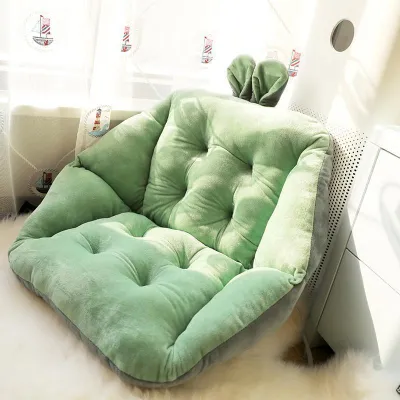
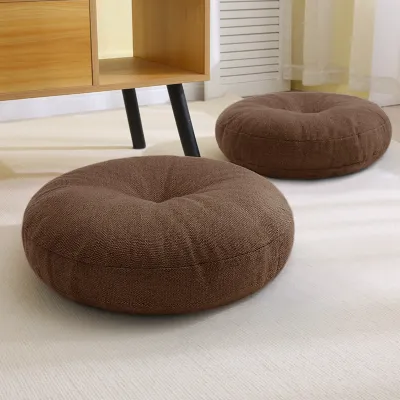
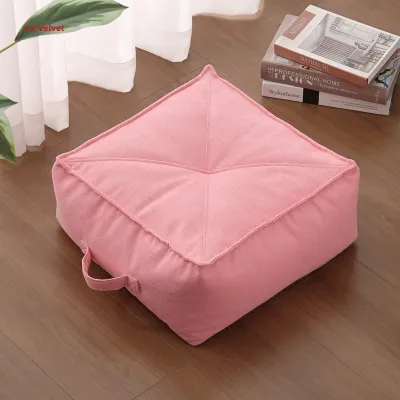
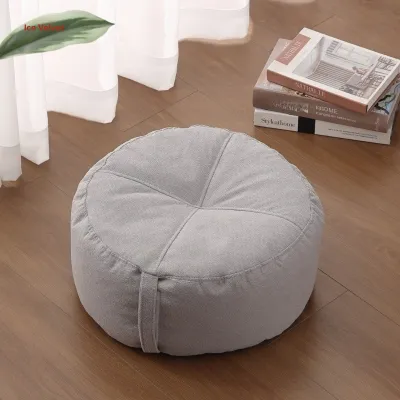
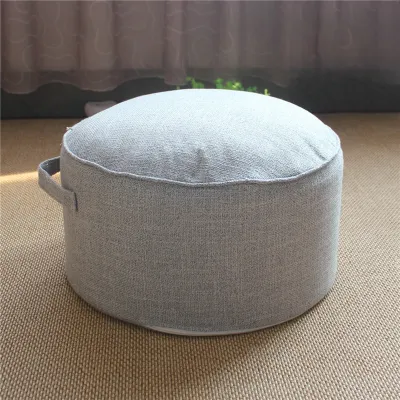
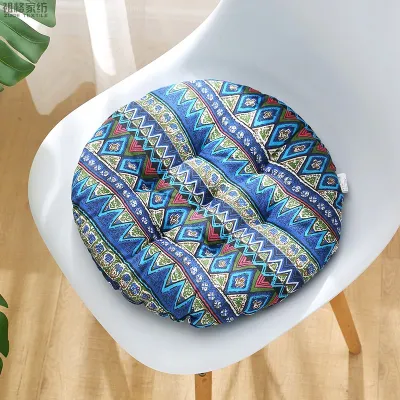
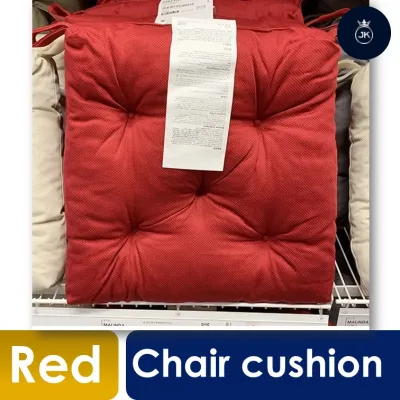
Prices are valid at publication and may change. Please refer to the product page for the latest price.
- Choose Memory Foam if you require deep pressure relief, ergonomic joint support, and plan to sit on the floor for extended periods, such as during long gaming sessions, working at a low coffee table, or reading.
- Choose Cotton if you prefer a firm, traditional, and grounded feel, value natural breathability in warm climates, and need stable posture support for activities like structured meditation, yoga, or formal low-table dining.
- Choose Polyester if you prioritize a lightweight, highly portable, and budget-friendly option that is easy to clean, quick to dry, and perfect for casual, short-term lounging or children's play areas.
Ultimately, there is no single “best” material. A cushion that feels wonderfully supportive to one person during meditation might feel uncomfortably hard to another during a movie night. Understanding the physical properties of each fill ensures you select a cushion that aligns perfectly with your physical needs and home environment.
Comfort and Support: How Each Material Feels
Comfort is highly subjective and depends heavily on how a filling material distributes your body weight across the hard floor. When you sit on the floor, your entire upper body weight is concentrated on a relatively small surface area—primarily your sit bones (ischial tuberosities) and tailbone. The filling material determines whether this weight is absorbed, resisted, or cushioned.

Memory Foam: Contouring and Pressure Relief
Memory foam, or viscoelastic polyurethane foam, is engineered to respond to both weight and body heat. When you sit on a memory foam floor cushion, the material gradually softens and contours to the precise shape of your lower body. This custom contouring distributes your body weight evenly across the entire surface of the cushion, significantly reducing concentrated pressure points on your hips and tailbone.
This high level of pressure relief makes memory foam highly beneficial for individuals who experience joint stiffness, lower back pain, or general discomfort when sitting on hard surfaces. It allows you to remain seated for hours without feeling the urge to constantly shift your weight.
However, because memory foam is dense and conforms closely to the body, it has a natural tendency to retain heat. In warm or humid environments, this dense structure can trap body heat, leading to a warmer seating experience. To mitigate this, look for memory foam cushions that feature open-cell structures, cooling gel infusions, or highly breathable outer covers.
Cotton: Firm, Natural, and Breathable
Cotton-filled floor cushions offer a traditional, high-density support profile that is vastly different from synthetic foams. Packed tightly inside a cover, cotton fibers do not contour or sink under pressure. Instead, they provide a firm, solid, and stable base that prevents your body from sinking too close to the hard floor beneath.
This firm support is highly effective for active sitting postures. By providing a stable platform, cotton cushions help tilt your pelvis slightly forward, which naturally aligns the spine and engages your core muscles. This makes cotton the preferred choice for those who practice structured sitting, such as Zen meditation or traditional tea ceremonies.
In terms of temperature regulation, cotton is exceptionally breathable. The natural fibers allow air to circulate freely, absorbing body moisture and dissipating heat quickly. This breathability makes cotton cushions incredibly comfortable to use in warm, non-air-conditioned spaces, as they remain cool to the touch and do not trap sweat.
Polyester: Soft, Lightweight, and Resilient
Polyester fiberfill, often referred to simply as poly-fill or polyester batting, consists of synthetic, slick polyester fibers blown into the cushion cover. This structure creates an initially plush, cloud-like, and highly springy feel. When you first sit on a polyester floor cushion, it feels incredibly soft and yielding, offering a gentle, cushioned surface.
While this plushness is highly inviting for casual, short-term lounging, polyester lacks the structural density of memory foam and the firm resistance of cotton. Under sustained, heavy body weight, the loose synthetic fibers compress rapidly. This means that during longer sitting sessions, you may find yourself sinking completely through the fiberfill until you feel the hard floor beneath.
Polyester’s primary physical advantage is its extremely lightweight nature. Because the fibers trap a significant amount of air, polyester cushions are incredibly easy to pick up, carry, stack, and rearrange. This makes them highly versatile for dynamic living spaces where cushions are frequently moved around.
Durability, Maintenance, and Climate Considerations
How a floor cushion performs over time depends heavily on its durability, how easy it is to keep clean, and how it reacts to environmental factors like humidity. Investing in a cushion requires understanding these long-term practicalities.
Shape Retention
- Memory Foam: High-quality, high-density memory foam boasts exceptional shape retention. Once you stand up, the foam slowly returns to its original flat shape. It resists sagging and can maintain its supportive properties for several years of daily use without requiring any manual adjustment.
- Cotton: Natural cotton fibers naturally pack down and compress over time with repeated use. This flattening is an inherent characteristic of the material rather than a defect. To maintain its loft, a cotton cushion requires regular fluffing, shaking, or kneading to redistribute the fibers. Over years of heavy use, cotton may eventually compress into a very hard, flat disc that may require professional restuffing or replacement.
- Polyester: Polyester fiberfill resists clumping initially due to the slick coating on the synthetic fibers. However, with prolonged, heavy use, these fibers can begin to shift, tangle, and lose their springiness permanently. This can result in a lumpy, uneven texture that is difficult to restore by fluffing.
Cleaning and Care
Before attempting to clean any floor cushion, always check the manufacturer’s care label for specific instructions. Cleaning methods vary widely depending on the construction of the cushion and its inner fill.
- Memory Foam: Memory foam must never be submerged in water or placed in a washing machine. The intense mechanical agitation can easily tear the delicate foam structure, and the dense, closed-cell material will trap water internally, making it nearly impossible to dry completely and leading to internal mold growth. To clean memory foam, spot clean the surface with a damp cloth and a mild detergent, then allow it to air dry completely in a well-ventilated, shaded area.
- Cotton: Full cotton-filled cushions can be difficult to wash because wet cotton becomes incredibly heavy, clumps together, and takes days to dry. If the cushion does not have a removable cover, spot cleaning is the safest approach. If the entire cushion is labeled as machine washable, ensure you have a high-capacity dryer or a dry, sunny space to facilitate complete drying.
- Polyester: Polyester is the easiest material to clean. Many polyester cushions are fully machine washable on a gentle cycle with mild detergent. Because polyester fibers are synthetic and hydrophobic, they do not absorb water, allowing the cushion to dry much faster than cotton or foam. However, check the care label first, as some fiberfill can clump severely if exposed to high heat in a dryer.
Humidity and Drying
In humid tropical climates, such as Singapore, moisture management is a critical factor in maintaining household textiles. High ambient humidity slows down drying times significantly and increases the risk of mold, mildew, and musty odors.
Cotton cushions readily absorb moisture from both the humid air and human sweat. If left on the floor without regular airing, they can quickly develop a musty smell and harbor dust mites. To prevent this, cotton cushions must be regularly placed in a dry, well-ventilated area or exposed to direct sunlight to evaporate trapped moisture.
Polyester is naturally resistant to moisture absorption, making it highly resilient in humid conditions. It dries quickly and is far less prone to developing mold or mildew, making it a low-maintenance option for humid climates.
Memory foam must be kept dry and protected from high humidity. If moisture becomes trapped inside the dense foam, it can degrade the polyurethane structure, causing it to crumble over time. Using a breathable, moisture-resistant protective inner cover is an excellent way to safeguard memory foam in humid environments.
Matching the Fill to Your Seating Scenario
To finalize your choice, map the physical properties of each material to the specific activities you plan to enjoy on your floor cushion.
Meditation and Yoga
For spiritual or physical practices like meditation and restorative yoga, maintaining a stable, upright posture is essential. You need a cushion that supports your pelvis, elevates your hips above your knees, and keeps you securely grounded without wobbling.
- Recommended Fill: Tight, firm cotton or a very high-density, thin foam pad.
- Why: These materials provide the solid foundation required to keep your spine aligned during long periods of stillness. They do not allow you to tilt or sink, ensuring your posture remains structurally sound.
Long-Term Lounging, Reading, or Gaming
If you spend hours on the floor watching movies, reading books, or playing video games, comfort and continuous pressure relief are your top priorities.
- Recommended Fill: Memory foam.
- Why: Memory foam cradles your tailbone and conforms to the shape of your legs, preventing the numbness, tingling, and muscle fatigue that typically occur when sitting on a hard floor for extended periods.
Kids' Playroom or Casual Extra Seating
Playrooms and casual living spaces require cushions that are highly durable, easy for children to move around, and simple to clean after inevitable spills.
- Recommended Fill: Polyester fiberfill.
- Why: Polyester cushions are lightweight enough for children to carry and stack easily. They are typically budget-friendly, meaning they are easy to replace if damaged, and they are often highly washable, making them practical for active family environments.
Low-Table Dining or Tea Ceremonies
Dining at a low table requires you to sit at a consistent, comfortable height relative to the tabletop. Sinking too low can make reaching your food awkward and place strain on your shoulders and neck.
- Recommended Fill: Firm cotton or dense, non-conforming foam.
- Why: These materials maintain their height and structural integrity under your weight, ensuring you remain at the correct ergonomic height relative to the table throughout your meal.
Floor Cushion Fill Comparison at a Glance
The following table summarizes the key characteristics of each filling material across essential decision dimensions to help you compare them quickly.
| Material | Support Level | Comfort Feel | Shape Retention | Maintenance Ease | Best Use Case |
|---|---|---|---|---|---|
| Memory Foam | High (Contouring) | Soft, cradling, pressure-relieving | Excellent (Slow bounce-back) | Moderate (Spot clean only, removable cover recommended) | Long-term lounging, gaming, working at low tables |
| Cotton | Firm (Grounded) | Solid, supportive, highly breathable | Moderate (Compresses over time, needs fluffing) | Moderate to Difficult (Requires regular airing, heavy when wet) | Meditation, yoga, traditional low-table dining |
| Polyester | Low to Moderate | Plush, cloud-like, springy | Moderate to Low (Can clump or flatten permanently) | High (Often machine washable, dries very quickly) | Kids' playrooms, casual guest seating, decorative use |
Final Decision Framework: What to Verify Before You Buy
Once you have selected the ideal filling material, use this practical checklist to verify the quality, safety, and functionality of the specific floor cushion before making your purchase.
Cover Material
The outer fabric of your floor cushion is its first line of defense against floor dust, friction, pet hair, and spills.
- Removability: Verify that the cushion features a removable outer cover secured by a high-quality, durable zipper. This allows you to wash the cover regularly without exposing the inner fill to water.
- Fabric Durability: Look for heavy-duty, tightly woven fabrics that can withstand constant friction against floor surfaces. Excellent choices include heavy canvas, cotton twill, linen blends, or durable synthetic microfibers.
- Machine Washability: Check if the cover is machine washable to ensure easy, long-term maintenance.
Thickness and Density
A floor cushion must be thick enough to prevent your body weight from bottoming out and pressing directly against the hard floor.
- Thickness: For memory foam cushions, look for a minimum thickness of 5 to 8 centimeters. For cotton and polyester cushions, which compress more easily, a thickness of 10 to 15 centimeters is often necessary to provide adequate clearance from the floor.
- Density: If purchasing a foam cushion, check the density rating if provided by the manufacturer. High-density foams offer significantly better support, comfort, and longevity than low-density alternatives.
Certifications
To ensure your floor cushion is safe for your household, especially if you have sensitive skin, allergies, or are purchasing the cushion for children, check the product label for independent safety certifications.
- CertiPUR-US: For cushions containing polyurethane or memory foam, this voluntary certification ensures the foam is manufactured without harmful ozone depleters, heavy metals, formaldehyde, or phthalates, and guarantees low volatile organic compound (VOC) emissions for indoor air quality.
- OEKO-TEX Standard 100: For textile covers and natural fills like cotton, this independent certification guarantees that every component of the fabric has been thoroughly tested and found free from harmful levels of toxic substances.
Storage
Consider how and where you will store the cushions when they are not in use, especially if you live in a compact home.
- Portability: Look for cushions that feature built-in carry handles, which make them easy to move from room to room or hang on wall hooks.
- Flexibility: Keep in mind that thick, rigid memory foam cushions cannot be folded or easily compressed, meaning they will require dedicated closet space or must remain on the floor. Polyester and cotton cushions are generally more flexible and can be stacked neatly in corners or tucked under low furniture.
Frequently Asked Questions (FAQ)
Can I mix memory foam and polyester in a floor cushion?
Yes, many manufacturers utilize a hybrid approach to combine the unique benefits of both materials. A common hybrid design features a solid, high-density memory foam core wrapped in a plush outer layer of polyester fiberfill batting. This configuration provides the deep, ergonomic support and pressure relief of memory foam while maintaining the soft, fluffy, and inviting surface feel of a traditional polyester cushion. When shopping, review the detailed product specifications to see if a cushion features a layered or hybrid fill design.
How do I prevent my cotton floor cushion from going flat?
Because cotton is a natural fiber, gradual compression under your body weight is completely normal. To slow down this flattening process, establish a routine of fluffing your cushion regularly by shaking it vigorously and manually kneading the cotton fibers to redistribute the fill evenly. Additionally, placing your cotton cushion in direct sunlight on a warm, dry day can help evaporate any trapped ambient moisture or sweat, causing the natural fibers to expand and regain some of their original loft. If a cotton cushion becomes completely flat and hard after years of heavy use, it may eventually require professional restuffing or replacement.
Are memory foam floor cushions safe for toddlers?
Memory foam floor cushions are generally safe for toddlers to sit and play on, but parents should observe a few safety guidelines. Ensure the cushion features a secure, child-safe zipper or a non-removable outer cover to prevent curious young children from opening the cushion and accessing the foam, which can present a choking hazard if torn and swallowed. Additionally, always look for independent safety certifications like CertiPUR-US on the product label to ensure the foam does not emit harmful chemicals or off-gassing in your child’s play area.
Community discussion
Share your experience or ask a question. Comments are reviewed before publication.