
The Short Answer: Which Cushion Fill is the Softest?
Determining which cushion filling provides the softest experience depends entirely on how you define softness. Softness is not a single physical property; rather, it is a sensory experience that can mean either an immediate, cloud-like surface plushness or a deep, adaptive contouring that cradles your weight without hitting a hard surface underneath. Because different materials interact with body pressure and ambient environments in distinct ways, the ideal choice depends on your specific comfort expectations and how you intend to use the cushion.
Down alternative is the clear winner if your goal is immediate, airy surface plushness and a luxurious, fluffed aesthetic. Made from ultra-fine synthetic fibers, this material mimics the loft and lightness of natural down, allowing you to sink deeply into the cushion the moment you lean back. It offers a classic, sink-in feel that is highly prized for decorative sofa arrangements and relaxed lounging spaces.
Memory foam is the undisputed champion for deep, contouring softness that provides ongoing physical relief. While it feels firmer to the initial touch than down alternative, memory foam responds to your body heat and weight, gradually yielding to create a customized cradle. This adaptive response distributes pressure evenly and prevents you from bottoming out against the rigid frame of your furniture, making it the softest option for prolonged sitting.
Products mentioned in this guide
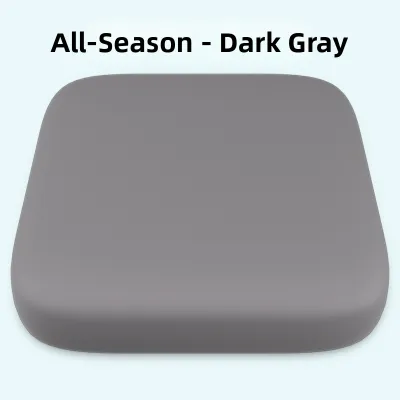
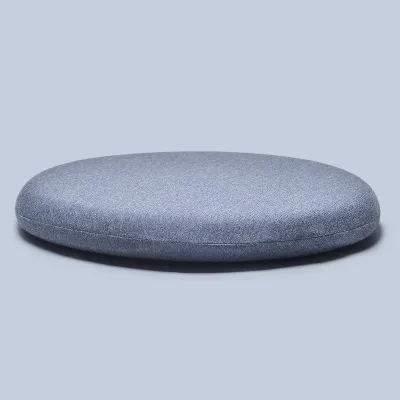
Prices are valid at publication and may change. Please refer to the product page for the latest price.
Polyester fiber offers a basic, springy fluffiness that is highly accessible but lacks the refined softness and longevity of the other two materials. It provides a comfortable initial bounce, but under sustained weight, the fibers compress rapidly and can feel flat or lumpy over time. Understanding how these materials perform under pressure, retain their shape, and respond to environmental factors will help you select the perfect fill for your home.
Decoding the Fills: Memory Foam, Down Alternative, and Polyester
To understand why these three fillings feel so different, it is helpful to look at their physical structures. The way a material is manufactured directly influences how it handles compression, traps air, and supports your body when you lean against it.

Memory foam, scientifically known as viscoelastic polyurethane foam, features a dense, open-cell cellular structure. This material is engineered to be both viscous (meaning it can change shape slowly under pressure) and elastic (meaning it returns to its original form once the pressure is removed). Because it is sensitive to both temperature and weight, the foam softens in response to body heat, allowing it to conform precisely to the unique curves of your lower back, neck, or shoulders.
Down alternative consists of ultra-fine synthetic microfibers, typically made from polyester, that are engineered to replicate the lightweight, clustered structure of natural goose or duck down. These microscopic fibers are incredibly supple and slide past one another easily, trapping millions of tiny air pockets within the fill. This high concentration of trapped air creates a high “loft”—the fluffy, airy volume that gives down alternative its signature cloud-like softness.
Polyester fiber, often referred to as poly-fill or hollowfiber, is the standard synthetic filling used in many everyday household items. It is composed of thicker, crimped polyester strands that act like tiny, resilient springs. While these fibers are excellent at creating bulk and a bouncy initial loft at an economical price point, they do not possess the microscopic fineness of down alternative or the dense, pressure-relieving qualities of memory foam.
The Softness Experience: How Each Material Actually Feels
Evaluating how a cushion feels requires looking past the initial touch. The true test of softness lies in how the material behaves under the sustained weight of your body over several hours.
Down Alternative: The Plush, Sink-In Feel
Down alternative provides an immediate, luxurious sensation of weightlessness. When you first lean against a down alternative cushion, there is almost no resistance; the ultra-fine fibers yield instantly, creating a plush, enveloping sensation. This makes it feel exceptionally cozy and inviting for casual relaxation.
However, this lack of resistance means that down alternative compresses significantly under heavy or sustained weight. If you use a thin down alternative cushion for lumbar support on a deep sofa, you may find that it flattens completely, leaving you resting against the hard back of the furniture. To maintain its plush feel and aesthetic loft, this material requires regular physical maintenance, as the fibers must be shaken and fluffed to reintroduce air into the filling.
Because of these characteristics, down alternative is best suited for decorative throw pillows, bed shams, or casual accent cushions where immediate tactile luxury is preferred over structured physical support.
Memory Foam: The Contouring, Supportive Softness
Memory foam offers a progressive type of softness that is deeply therapeutic. When you first touch a memory foam cushion, it may feel surprisingly solid or firm. However, within moments of sitting or leaning against it, the material reacts to your body heat and begins to melt and conform to your shape.
This contouring effect fills the physical gaps between your body and the furniture, such as the curve of your lumbar spine. By distributing your body weight across a wider surface area, memory foam eliminates localized pressure points and prevents the skeletal system from absorbing harsh impacts. It provides a sensation of being cradled rather than sitting on top of a surface.
This makes memory foam the ideal choice for office chair cushions, deep-seated lounge chairs, or floor seating where you expect to remain in one position for an extended period. It delivers a reliable, supportive softness that actively protects your posture.
Polyester Fiber: The Basic Fluffiness
Polyester fiber provides a springy, high-rebound softness that is highly noticeable when you lightly press the cushion. The crimped fibers create a resilient loft that bounces back quickly when compressed, giving the cushion a plump, healthy appearance on your furniture.
Under the weight of sustained sitting, however, these thicker fibers tend to compress and slide away from the center of pressure. This shifting can cause the fill to clump, resulting in an uneven surface that can feel surprisingly firm or lumpy in some spots and hollow in others. It does not offer the smooth, continuous pressure distribution of memory foam or the luxurious yield of down alternative.
Polyester fiber is a practical, budget-friendly option for low-traffic decorative cushions, guest room accents, or seasonal outdoor seating where long-term ergonomic support is not the primary requirement.
Beyond Softness: Durability, Maintenance, and Breathability
When choosing a cushion filling, you must look beyond the immediate feel and consider how the material will perform over months and years of daily use. Factors such as shape retention, cleaning requirements, and heat management play a significant role in long-term satisfaction.
Durability and Shape Retention
The physical structure of each filling determines how well it resists wear and maintains its original softness over time. Memory foam is exceptionally durable; high-quality viscoelastic foam can withstand years of daily compression without losing its thickness or contouring abilities. It consistently returns to its original shape without any manual intervention.
Down alternative offers moderate durability. While the microfibers are resilient, they will inevitably pack down and lose their loft over months of heavy use. To preserve the soft, fluffy feel, you must commit to regular manual fluffing and shaking to redistribute the fibers and restore the air pockets.
Polyester fiber has the shortest lifespan of the three. Under regular use, the crimped fibers lose their springiness and become permanently matted. Once polyester fiber clumps and flattens, it cannot be fluffed back to its original state, meaning the cushion insert will eventually need to be replaced to restore comfort.
Care and Cleaning
Proper maintenance is essential for keeping your cushions clean and preserving the integrity of the filling. Before attempting any cleaning, always check the manufacturer’s care label on both the cushion cover and the inner insert. If instructions conflict or are missing, consult a professional cleaner.
Solid memory foam cores must never be submerged in water or placed in a washing machine. The mechanical agitation of a washing machine and the weight of absorbed water can easily tear the delicate cellular structure of the foam. Instead, cleaning should be limited to spot cleaning the foam with a damp cloth and mild detergent, while regularly washing the removable outer cover.
Down alternative and standard polyester fiber inserts are often machine washable, making them highly practical for busy households. However, they require careful drying on a low-heat setting. Adding clean tennis balls or specialized dryer balls to the dryer cycle is highly recommended, as they physically beat the cushions during the drying process to break up clumps and restore the fluffy loft of the fibers.
Allergies and Breathability
All three materials are synthetic, which makes them inherently hypoallergenic. Unlike natural down, which can trap moisture, dander, and dust mites, these synthetic fills provide an inhospitable environment for common allergens, making them safe choices for sensitive individuals.
Breathability is a critical comfort factor, especially in warm climates or non-air-conditioned spaces. Memory foam is highly dense and acts as an insulator, trapping body heat and potentially creating a warm, sweaty seating experience. To counter this, some premium memory foam cushions feature open-cell designs, ventilation holes, or gel infusions to help dissipate heat.
Down alternative and polyester fiber cushions generally offer superior airflow because of the space between the individual fibers. However, their overall breathability is heavily influenced by the density of the fill and the weave of the outer protective casing. A tightly woven, non-breathable cover can trap heat regardless of the filling inside.
Quick Comparison: Choosing the Right Soft Cushion
To help you synthesize these differences, the table below compares how each material performs across key comfort and maintenance dimensions.
| Fill Type | Softness Profile | Support Level | Shape Retention | Washability (General Rule) |
|---|---|---|---|---|
| Down Alternative | Cloud-like, plush sink-in | Low (compresses fully under weight) | Moderate (requires regular manual fluffing) | Machine washable / Tumble dry low |
| Memory Foam | Contouring, adaptive cradle | High (excellent pressure relief) | High (retains shape for years) | Spot clean only (cover is washable) |
| Polyester Fiber | Springy, bouncy initial loft | Low-Medium (can feel lumpy under load) | Low (prone to permanent clumping) | Machine washable / Tumble dry low |
Decision Framework
To make your final decision, align the filling material with your primary lifestyle needs and comfort preferences:
- Choose Down Alternative if: You want a luxurious, overstuffed look for your living room or bed, prefer a cushion that you can sink deeply into, and do not mind occasionally fluffing the inserts to maintain their plush volume.
- Choose Memory Foam if: You require reliable lumbar support, sit for long periods while working or reading, want to prevent lower back discomfort, and prefer a low-maintenance cushion that never needs to be shaken or reshaped.
- Choose Polyester Fiber if: You are styling a low-traffic guest area, working within a strict budget, or looking for lightweight decorative cushions that will not receive heavy daily use.
Remember that the outer cover material also plays a major role in the overall tactile experience. A stiff, heavy canvas cover will restrict the movement of down alternative fibers, reducing their plush feel. To maximize the inherent softness of your chosen fill, pair it with a supple, high-quality cover made of velvet, brushed cotton, or soft linen.
Practical Tips for Buying and Maintaining Soft Cushions
Selecting the right material is only the first step. To ensure your cushions look and feel excellent in your home, keep these practical purchasing and maintenance tips in mind.
Sizing and Fill Weight
When shopping for fiber-filled cushions, pay close attention to the fill weight, which is typically measured in grams. A higher fill weight indicates that more fiber has been packed into the insert, resulting in a plumper cushion that offers better resistance against bottoming out. For memory foam, look for the density rating; a medium density provides the ideal balance between a soft, welcoming yield and robust physical support.
Insert vs. Cover Sizing
To achieve a professional, high-end look with maximum plushness, always buy a cushion insert that is slightly larger than your cushion cover. A standard rule of thumb is to select an insert that is 2 to 5 centimeters larger than the cover (for example, using a 50×50 cm insert inside a 45×45 cm cover). This ensures that the filling completely packs out the corners, preventing a deflated, saggy appearance and maximizing the soft, supportive feel.
Temperature Awareness
Because memory foam is viscoelastic, its softness is directly affected by the temperature of the room. In a cool, air-conditioned living room, a memory foam cushion will feel noticeably firmer when you first sit down. Do not worry if it feels hard initially; within a few minutes, the material will absorb your body heat, relax, and soften into a comfortable, customized shape.
Routine Maintenance
To extend the lifespan of your cushions, establish a simple maintenance routine. For fiber-filled cushions, make a habit of fluffing them weekly by grabbing opposite corners and pushing them together in an accordion motion. For memory foam, protect the core from direct sunlight; ultraviolet rays can degrade the polyurethane material, causing it to become brittle, yellow, and lose its elastic, supportive qualities over time.
Frequently Asked Questions (FAQ)
Can I mix memory foam and polyester fiber in one cushion?
Yes, hybrid cushion inserts are widely available and offer an excellent middle ground. These inserts typically feature a core of shredded memory foam blended with polyester fibers or down alternative. This combination provides the springy, lightweight loft of fiber fills alongside the contouring, pressure-relieving support of memory foam, often at a highly reasonable price point.
Why does my new memory foam cushion feel hard at first?
Memory foam is a temperature-sensitive material. When it is stored in a cool warehouse or placed in a highly air-conditioned room, the molecular structure remains tight and firm. Once you sit or lean on the cushion, your body heat naturally transfers to the foam, causing the material to relax, yield, and conform to your body shape.
Community discussion
Share your experience or ask a question. Comments are reviewed before publication.